SAN JOSE, Calif.--(BUSINESS WIRE)--Mar 31, 2026--
Today, Roku announced that Howdy™, its affordable ad-free subscription video-on-demand (SVOD) streaming service, is launching as a mobile app in the U.S. The app is available now on the iOS App Store and Google Play, offering a seamless viewing experience with on-the-go access to Howdy’s curated library of iconic rom-coms, medical dramas, ‘90s comedy, feel-good classics, and more. In April, Howdy will feature audience favorites like “Edge of Tomorrow,” “Tyler Perry's Madea’s Big Happy Family,” and “When Harry Met Sally.”
This press release features multimedia. View the full release here: https://www.businesswire.com/news/home/20260331446219/en/
“At a time when most things are getting more expensive, Howdy is designed to make premium, ad-free streaming more affordable and accessible for all viewers,” said Gil Fuchsberg, President of Subscriptions, Partnerships and Corporate Development at Roku. “Launching the Howdy mobile app on iOS and Android enables us to continue growing the service beyond the Roku platform, bringing Howdy’s unique value and quality entertainment to even more viewers.”
Priced at $2.99 per month – the lowest price for ad-free streaming on the market – Howdy offers thousands of titles and over 10,000 hours of entertainment from FilmRise, Lionsgate, Sony Pictures, and Warner Bros. Discovery, alongside select Roku Original titles. The launch builds on Howdy’s recent expansion as a subscription on Prime Video, where it joins more than 100 available subscription options in the U.S.
The mobile rollout of Howdy complements Roku’s strategy to grow platform revenue and expand both third- and first-party subscriptions across Roku’s platform, which reaches over 125 million people in U.S. households daily. In addition to Howdy, which launched in August 2025, Roku owns and operates The Roku Channel, the most-watched free ad-supported TV (FAST) service in the U.S.*, and Frndly TV™, an affordable live TV subscription service.
For more information or to sign up, visit howdy.tv.
* Source: Nielsen’s The Gauge Report, January 2026
About Roku, Inc.
Roku pioneered streaming on TV. Today, it is the #1 TV streaming platform in the U.S., Canada, and Mexico by hours streamed (Hypothesis Group, Dec. 2025). Roku connects viewers to the content they love, enables content publishers to build and monetize large audiences through advertising and subscriptions, and provides advertisers with unique capabilities to reach and engage consumers. Roku streaming players and Roku-made TVs are available at major retailers, and licensed Roku TV™ models are sold by leading TV brands in more than 15 countries around the world. Roku also owns and operates The Roku Channel, the home of premium and free entertainment; Howdy, a low-cost subscription service; and Frndly TV, a live TV streaming service. Roku is headquartered in San Jose, Calif., U.S.A.
This press release contains “forward-looking” statements that are based on our beliefs and assumptions and on information currently available to us on the date of this press release. Forward-looking statements may involve known and unknown risks, uncertainties and other factors that may cause our actual results, performance, or achievements to be materially different from those expressed or implied by the forward-looking statements. These statements include but are not limited to the features, benefits, and reach of Howdy, the Howdy mobile app, and the Roku platform. Except as required by law, we assume no obligation to update these forward-looking statements publicly, or to update the reasons actual results could differ materially from those anticipated in the forward-looking statements, even if new information becomes available in the future. Important factors that could cause our actual results to differ materially are detailed from time to time in the reports Roku, Inc. files with the Securities and Exchange Commission, including our Annual Report on Form 10-K and Quarterly reports on Form 10-Q. Copies of reports filed with the SEC are posted on Roku’s website and are available from Roku without charge.
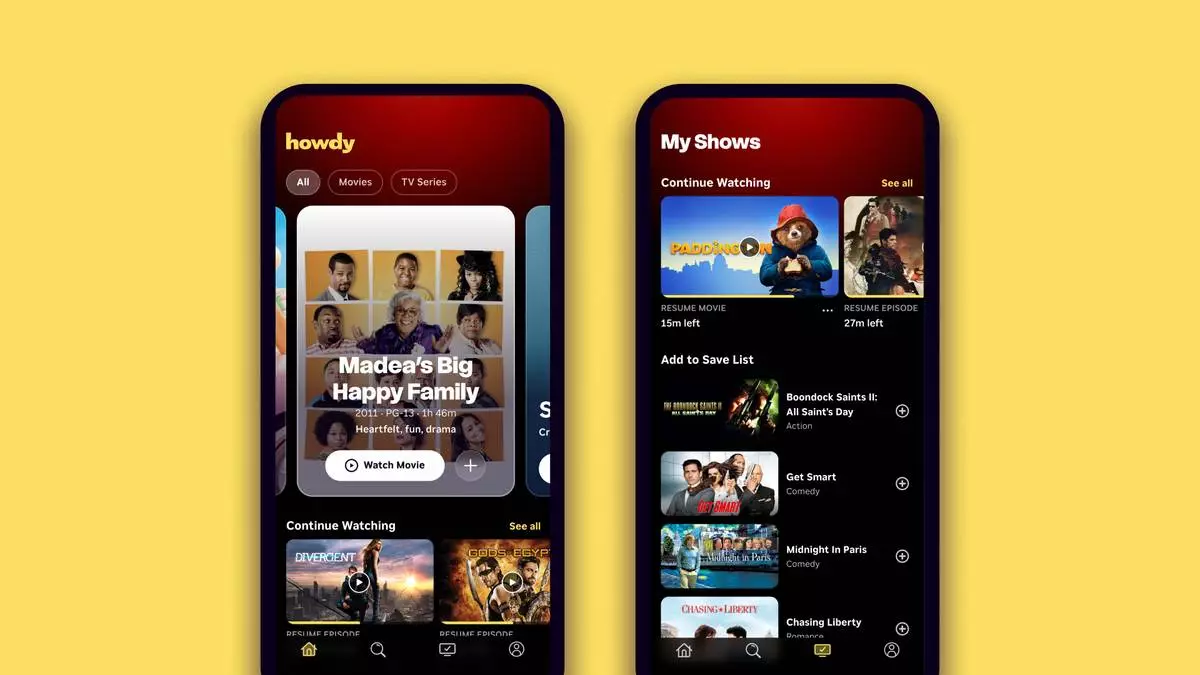
The app is available now on the iOS App Store and Google Play, offering a seamless viewing experience with on-the-go access to Howdy’s curated library of iconic rom-coms, medical dramas, ‘90s comedy, feel-good classics, and more.
Priced at $2.99 per month – the lowest price for ad-free streaming on the market – Howdy offers thousands of titles and over 10,000 hours of entertainment.