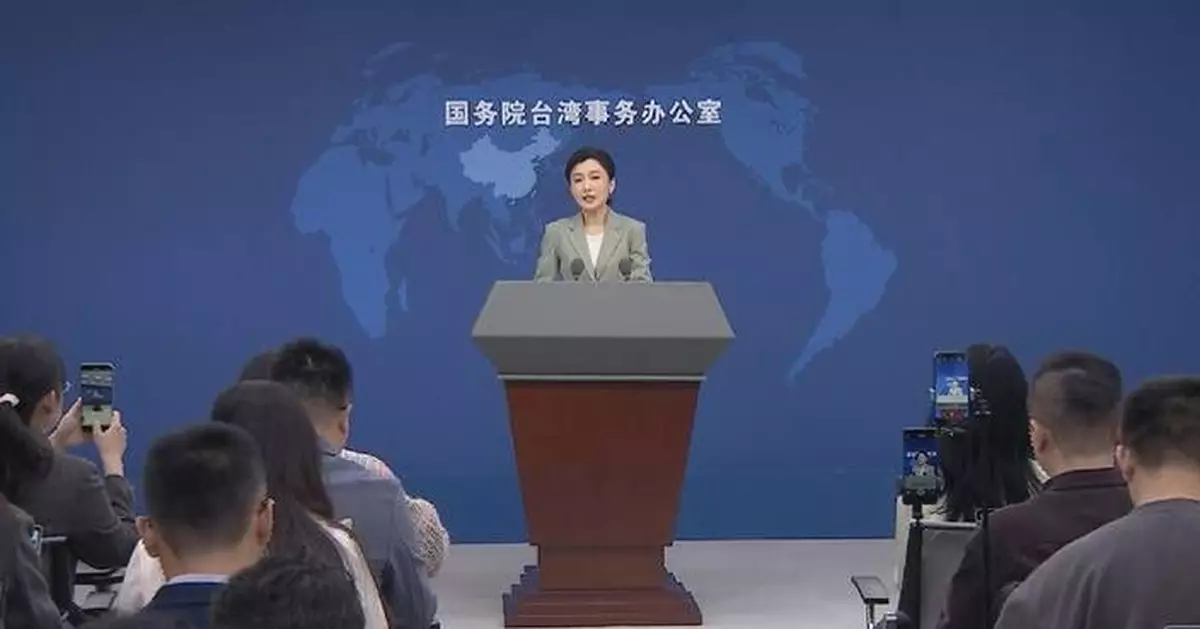
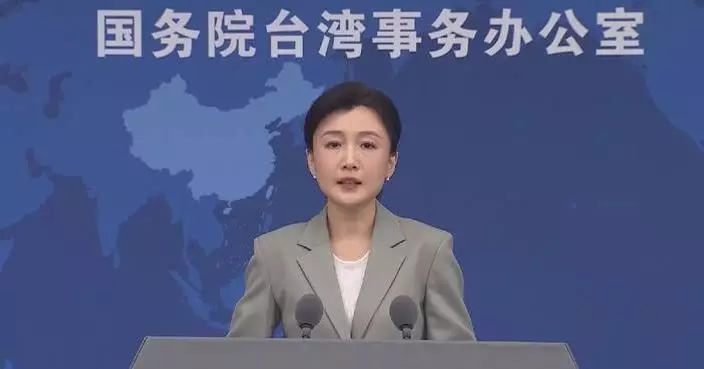
The Chinese mainland's comprehensive industrial system and stable market supply capacity can help Taiwan prevent further supply shortages after peaceful reunification, said Zhang Han, spokeswoman for the Taiwan Affairs Office, on Wednesday.
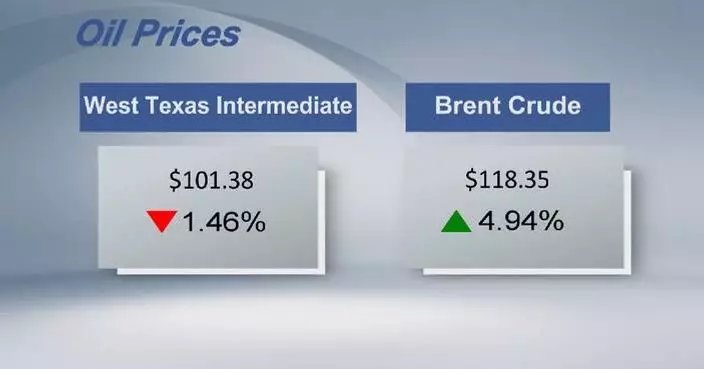
Amid the impact of Middle East conflicts, Taiwan has seen tightening oil supplies, which have spilled over into the plastics market and triggered a wave of panic buying. Local media have also warned of potential medicine shortages. Public voices have been criticizing the Democratic Progressive Party (DPP) authorities for being sluggish and covering up potential crises, according to media reports.
"The claim of the DPP authorities that 'there is no worry about the supply of oil and gas' is merely a self-consolation to cover up the 'incompetence to ensure oil and gas supply'. It is even a deception and mockery of the public. The DPP authorities have shown neither the will nor the capability to effectively address livelihood challenges in Taiwan, and have been merely evading their responsibilities, leading to growing dissatisfaction across Taiwan society," Zhang said at a press conference in Beijing, referring to the ongoing supply shortages, particularly energy supply shortage, in Taiwan.
"After peaceful reunification, the two sides of the Taiwan Strait will have achieved interconnectivity and mutual access, with all possible mutual connections being made. By then, the mainland's complete industrial system and stable market supply capacity will have become the strongest backing for the Taiwan compatriots, and the mainland is fully capable of meeting Taiwan's needs in the supply of crude oil, natural gas, and key raw materials. Regardless of external uncertainties, we can ensure timely supply and greater security in energy, resources and supplies for industrial production in Taiwan, so that the compatriots in Taiwan will no longer need to worry about any shortages in energy or resources," said the spokeswoman.
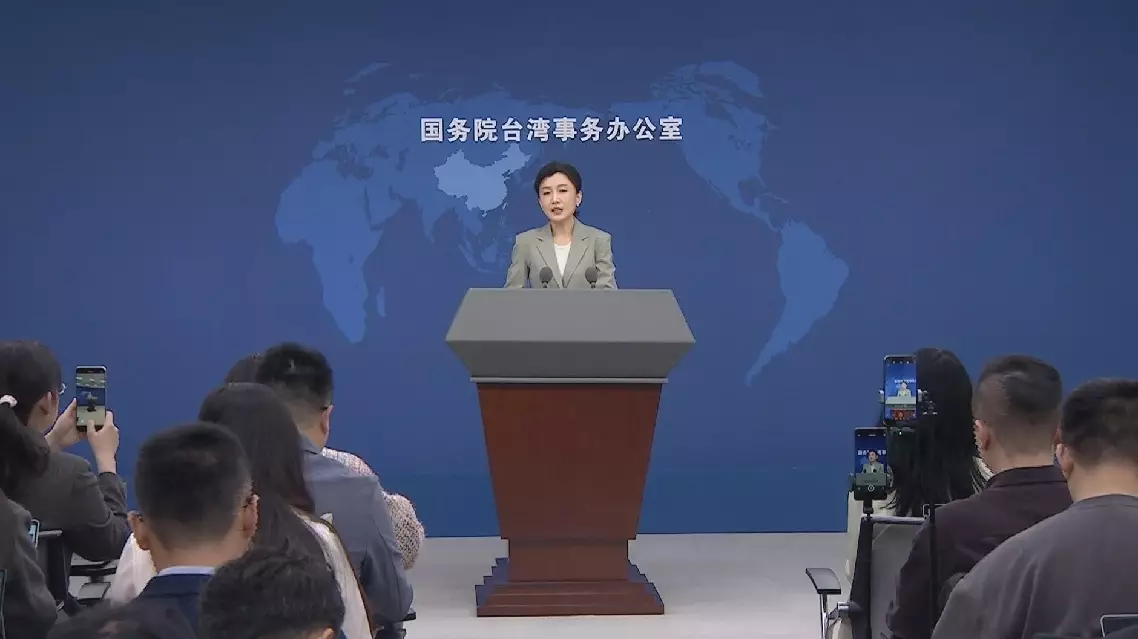
Mainland can help Taiwan prevent supply shortages after peaceful reunification: spokeswoman
The escalating military conflict in the Middle East could bring severe economic consequences and job losses to the region which may plunge up to 4 million people into poverty, a United Nations spokesman has warned.
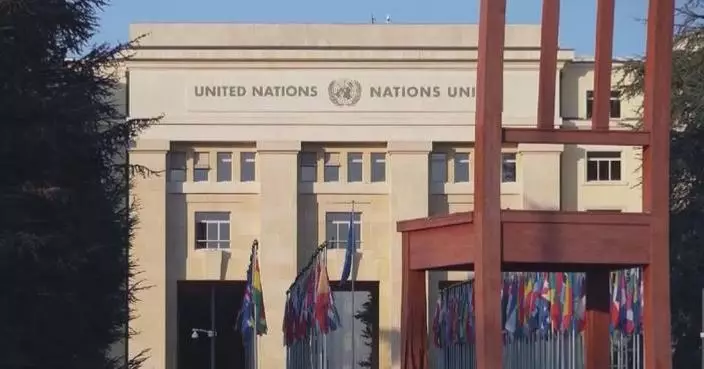
Stephane Dujarric, spokesperson for United Nations Secretary-General Antonio Guterres, outlined the growing concerns surrounding the deepening conflict during a regular press briefing on Tuesday.
Citing data released by the United Nations Development Programme (UNDP), Dujarric said the widening war could result in a devastating economic impact, which will have a profound effect on people's livelihoods.
"I wanted to flag some interesting data just released by the United Nations Development Programme that suggests the military escalation in the Middle East may cost economies in the region from 3.7 to 6 percent of their collective gross domestic product (GDP). This represents a staggering loss of 120 to 194 billion U.S. dollars and exceeds the cumulative regional GDP growth achieved in 2025. This is coupled with an estimated rise in unemployment of up to 4 percentage points or 3.6 million lost jobs, which is more than the total jobs created in the region last year. These reversals will push up to 4 million people into poverty, according to UNDP's analysis," he said.
The conflict erupted on Feb. 28 when the United States and Israeli launched joint airstrikes on the Iranian capital Tehran and several other cities. U.S-Israeli attacks have continued since, targeting key Iranian military command centers, missile installations, energy infrastructures and nuclear facilities.
In response, Iran has launched waves of missile and drone strikes against Israel and U.S. military facilities across the Middle East, including those in Kuwait, Bahrain, Qatar, Jordan, Saudi Arabia and the United Arab Emirates.
The situation shows little sign of de-escalation as Iranian Foreign Ministry spokesman Esmaeil Baghaei said on Monday that a recent truce plan proposed by the United States contains "very excessive, unrealistic and unreasonable" demands.
Wider concerns are also mounting over the disruption to trade and transport along the Strait of Hormuz, a vital shipping passageway that carries about one-quarter of global seaborne oil trade.
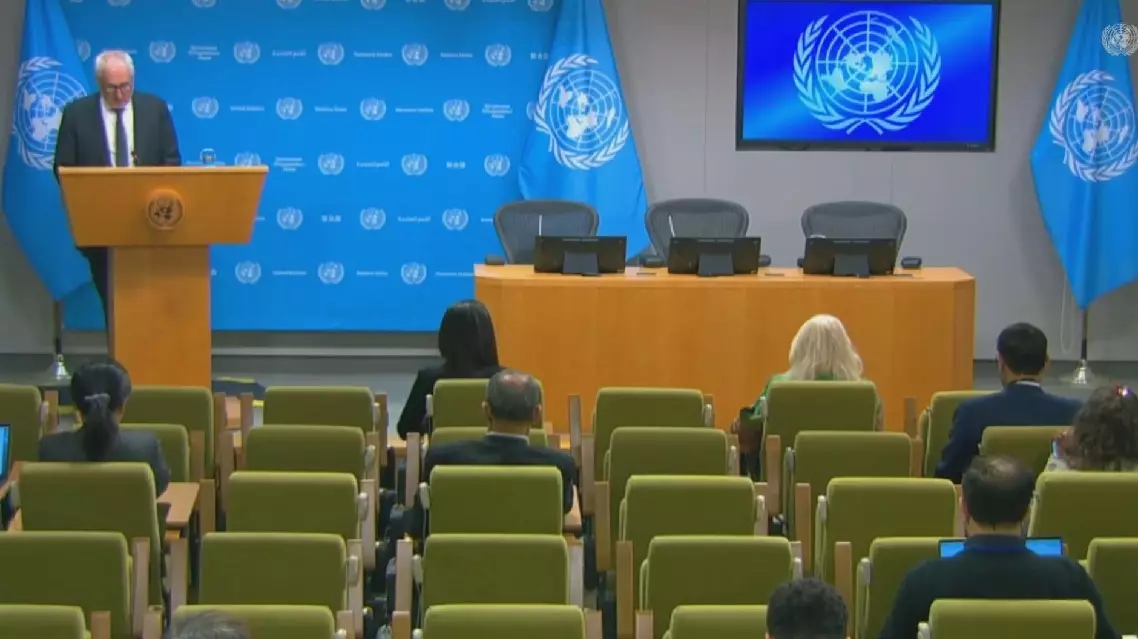
UN spokesman warns up to 4 million could be pushed into poverty by Mideast conflict