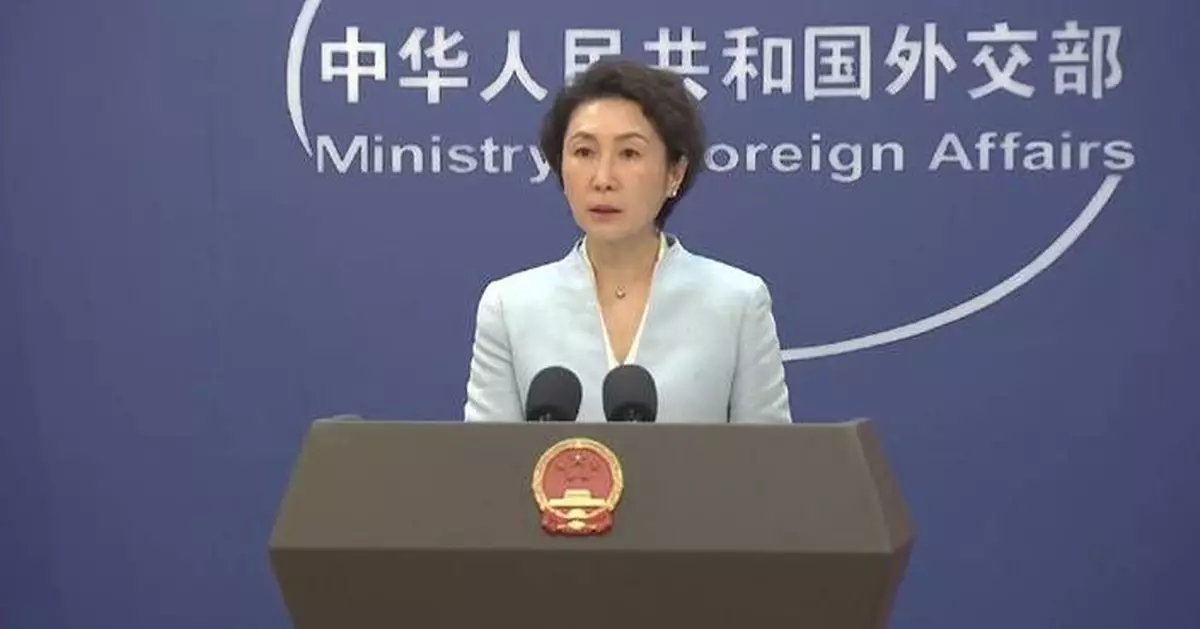
The obstruction of navigation through the Strait of Hormuz stems from the illegal military actions carried out by the United States and Israel against Iran, Foreign Ministry spokeswoman Mao Ning said at a press briefing in Beijing on Thursday.
Mao made the remarks in response to a question about U.S. President Donald Trump urging other countries to "grab oil" directly from the Strait of Hormuz.
"The root cause of the obstruction to navigation through the Strait of Hormuz is the illegal military actions by the United States and Israel against Iran. Only by achieving a ceasefire and restoring peace and stability in the Gulf region can the safety and smooth passage of international waterways be fundamentally ensured. All parties should work together to de-escalate the situation and prevent further regional turmoil from having a greater impact on the global economy and energy security," said Mao.
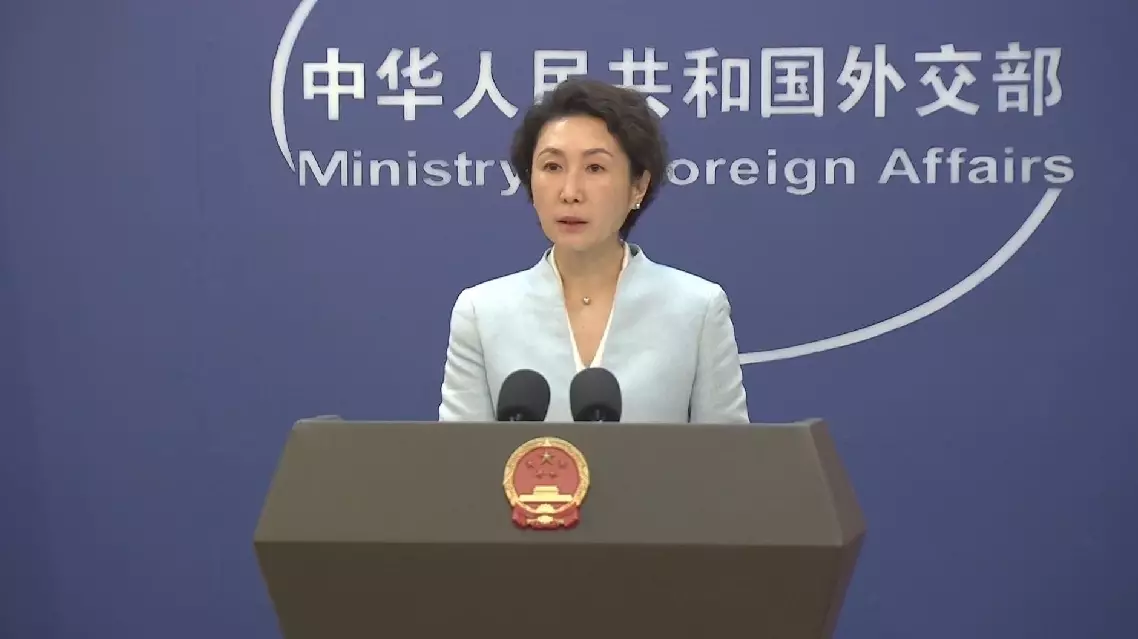
Illegal US-Israel military operations against Iran root cause of Hormuz blockade: spokeswoman
Illegal US-Israel military operations against Iran root cause of Hormuz blockade: spokeswoman
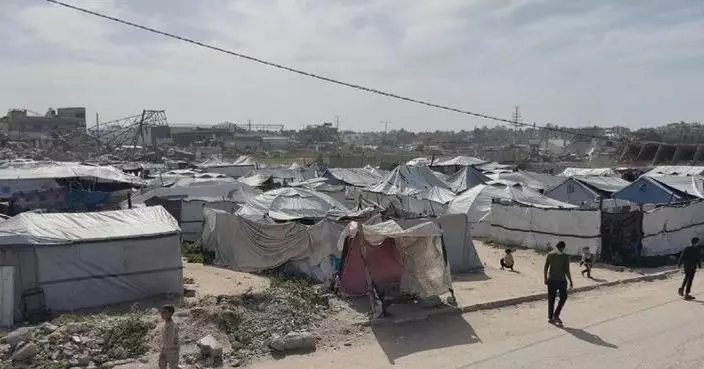
Impact of the U.S.-Israeli war with Iran is pushing Gulf countries to revisit costly plans for pipelines to bypass the Strait of Hormuz, so that they can continue to export oil and gas, the Financial Times newspaper reported on Thursday.
"Officials and industry executives say new pipelines may be the only way to reduce Gulf countries' enduring vulnerability to disruption in the strait, even though such projects would be expensive, politically complex and take years to complete," said the report.
"Previous plans for pipelines across the region have repeatedly stalled, undone by high costs and complexity," it said.
The Strait of Hormuz is a vital global energy corridor bordered by Iran to the north.
Around a fifth of global liquefied natural gas supply passed through the Strait of Hormuz, which also carries about one quarter of global seaborne oil trade.
Israel and the United States launched joint attacks on Tehran and several other Iranian cities on Feb. 28, killing Iran's then Supreme Leader Ali Khamenei, along with senior military commanders and civilians. Iran responded with waves of missile and drone strikes against Israel and U.S. assets in the Middle East, while tightening control over the Strait of Hormuz by restricting passage to vessels belonging to or affiliated with Israel and the United States.
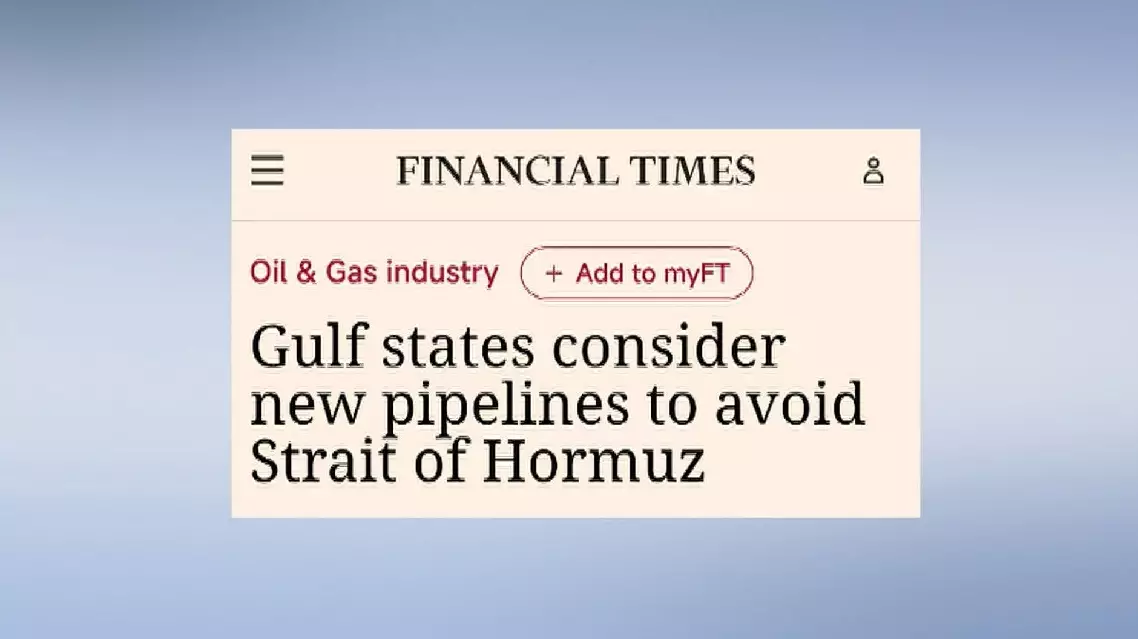
Gulf countries consider new pipelines to avoid Strait of Hormuz: Financial Times
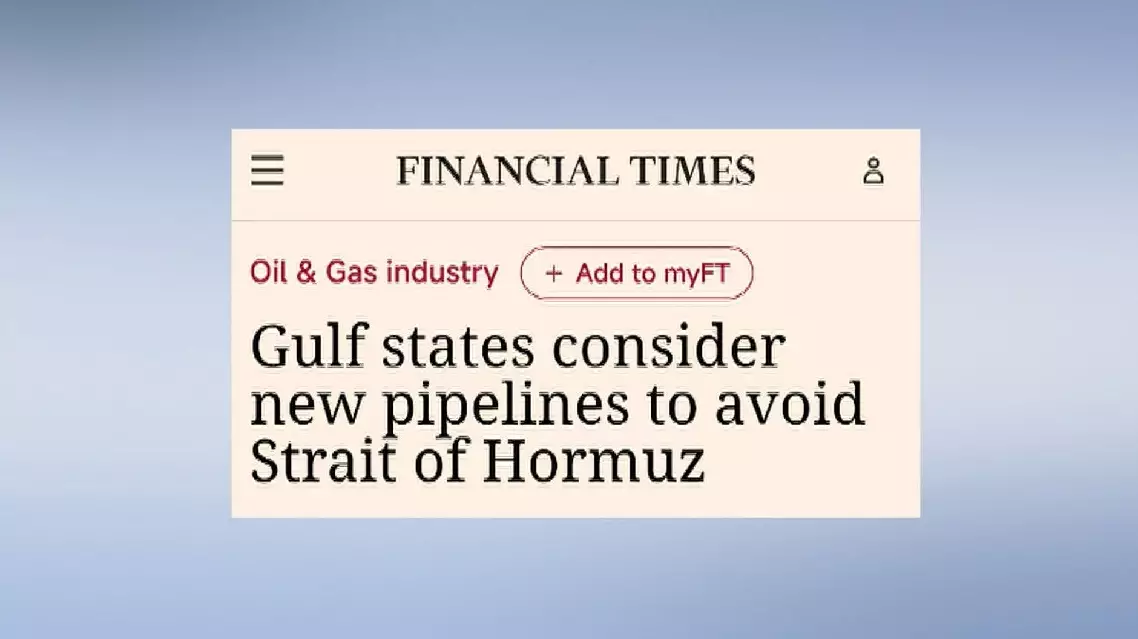
Gulf countries consider new pipelines to avoid Strait of Hormuz: Financial Times