Residential neighborhoods, business venues and civilian infrastructure in Iraq's Kurdistan region have come under drone attack over the past week as the escalating U.S.-Israeli war with Iran spills across borders.
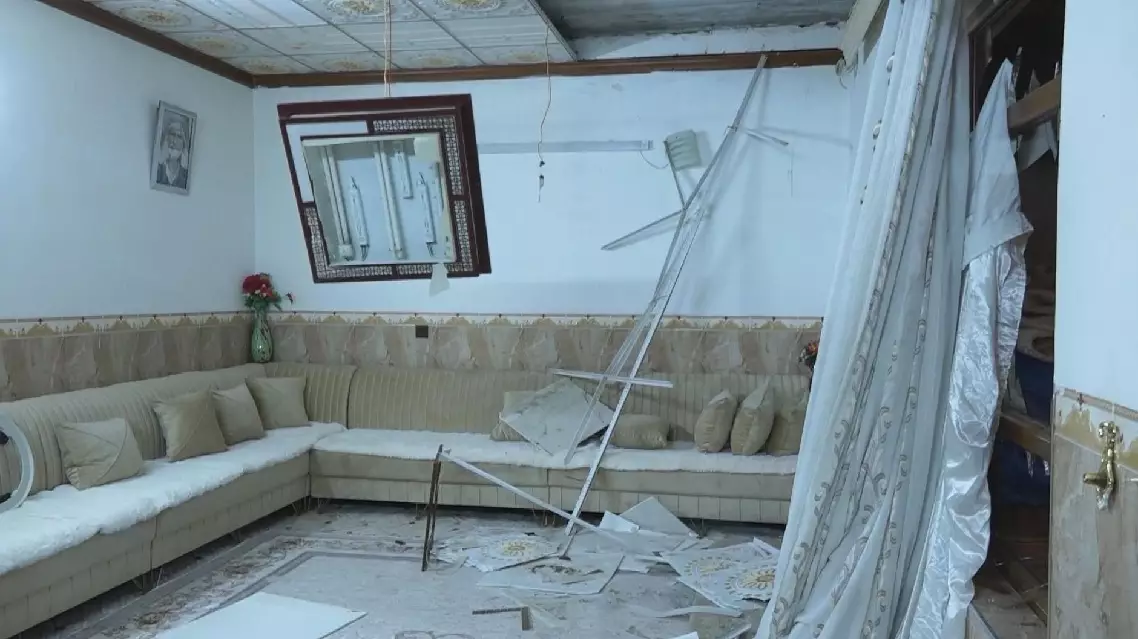
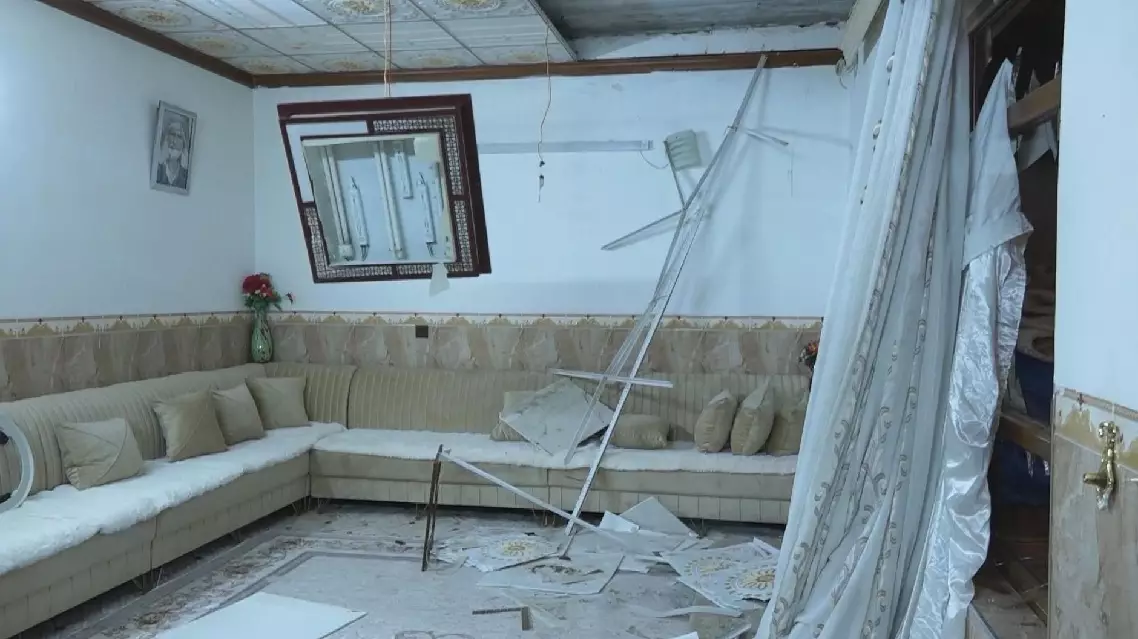
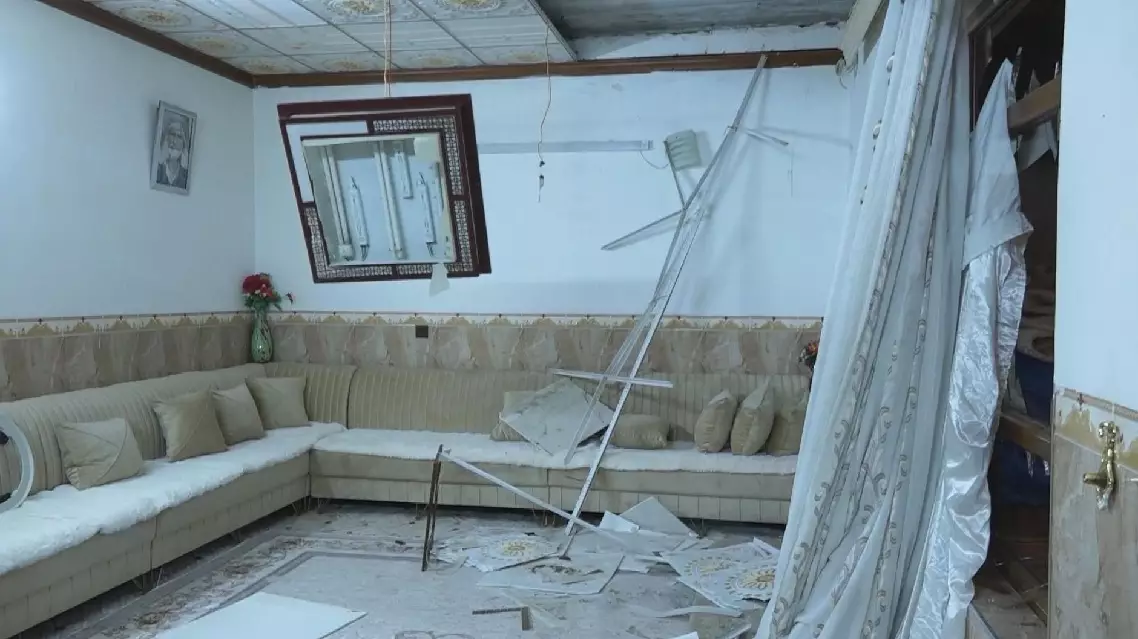
In Erbil's busy Iskan neighborhood, a popular café was struck by a drone Wednesday night, sending shockwaves through the area. The drone tore through the ceiling of the cafe, causing panic among those nearby. The owner, Ali Haji Kamaran, depicted how narrowly the site avoided a major tragedy.
"There was only one table occupied, but just 20 minutes before that there was a tournament, and more than 100 people were here. If the drone had hit the place 20 minutes earlier, there would have been a huge human loss," said the owner.
Elsewhere in the city, residential areas have also been hit. In the Sebiran neighborhood, a drone explosion damaged at least 25 houses, with three people wounded though no fatalities have been reported. Local resident Haji Azadeen recounted the terror of the moment.
"When the drone hit, my mother was there. A piece of the tractor flew and fell near her, and she was covered in shattered glass. It is still there," he said.
He added that life there has become unbearable.
"Our daily life is extremely difficult, not only from this attack. Since the war that Iran and America started, the Sebiran neighborhood has not slept comfortably for a single day. We also haven't had food or guests comfortably," he said.
In another major incident this week, a drone struck an oil storage facility, sparking a large fire. The Sardar Group, which operates the facility, estimates the damage at around five million U.S. dollars.
The drones are believed to have been launched either from Iran or by Iran-linked militia groups operating inside Iraq, often targeting sites tied to the U.S. presence in the Kurdistan region.
Some Kurdish officials are now openly accusing Baghdad of failing to rein in Iran-linked militias, arguing that these groups, though funded and integrated within Iraq's state structure, are operating beyond government control and dragging the country further into the conflict.
"It is unacceptable that government budget funds and weapons are given to certain armed groups that make decisions outside the authority of the government. These groups have effectively declared war -- dragging Iraq into the conflict, despite the federal government's position of neutrality," said Sipan Sherwani, a member of Iraqi Council of Representatives.
As tensions in the region continue to rise, many here fear more attacks could follow, leaving civilians to bear the cost of a conflict they are not part of.
Caught in crossfire of US-Israeli war with Iran, Iraq's Kurdistan region suffers airstrikes
Caught in crossfire of US-Israeli war with Iran, Iraq's Kurdistan region suffers airstrikes
Caught in crossfire of US-Israeli war with Iran, Iraq's Kurdistan region suffers airstrikes