Primary and secondary school students in several regions of China are enjoying their first-ever spring break, which offers them a chance to take part in a wide range of activities and also boosts the tourism market.
The Qingming Festival, or Tomb-Sweeping Day, falls on April 5 this year. It is a traditional Chinese occasion for honoring the deceased and paying tribute to ancestors. The holiday also provides a short break for Chinese to engage in outdoor activities and sightseeing.
This year's festival coincides with spring breaks for primary and secondary school students in many Chinese cities, extending the peak travel period for the tourism market.
The holiday has sparked strong enthusiasm for spring break travel, injecting fresh momentum into the tourism market. Blending educational elements with the festive atmosphere, study tours remain highly popular during the break.
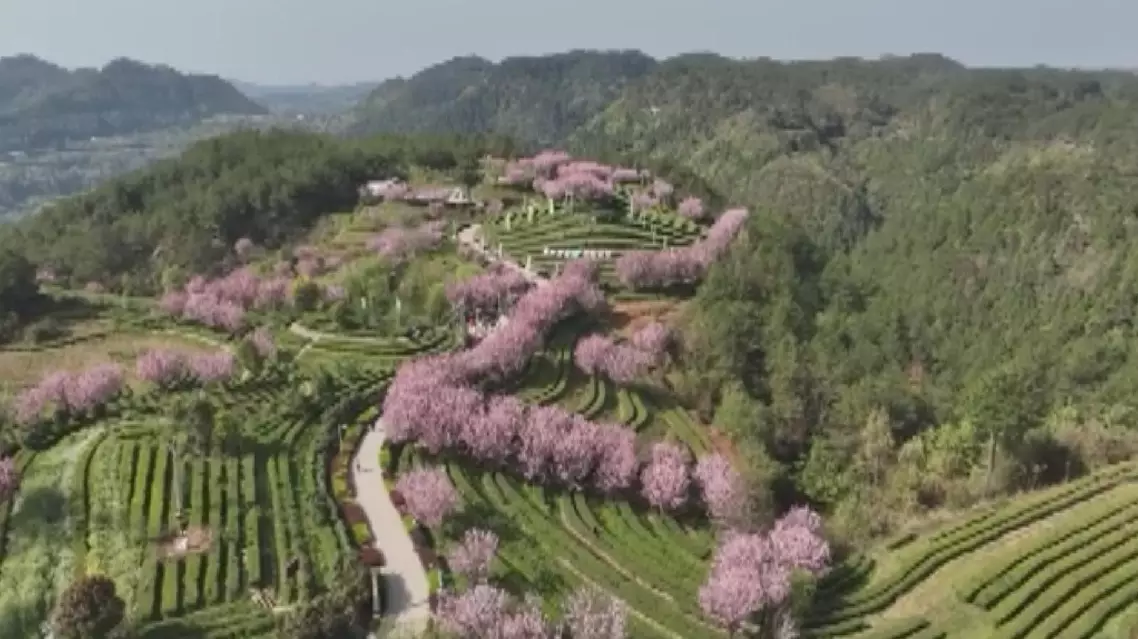
Educational tour groups from multiple places gathered at the Sanshierliang Scenic Area in Bazhong City's Pingchang County of southwest China's Sichuan Province to enjoy flowers in a spring outing and immerse themselves in a rich array of folk activities.
Hundreds of students, guided by professional tea masters, navigated the tea gardens, learning the art of tea picking and immersing themselves in the authentic experience.
"Standing here, I admire the flowers while picking tea leaves, which allows me to get close to nature and learn about tea culture at the same time," said Yang Huixuan, a student from Pingchang County, Bazhong City.
In addition to experiencing the entire process of tea picking and production, the students also have the opportunity to learn the etiquette of the tea ceremony and ecological conservation knowledge on-site.
"We have turned tea gardens into classrooms and flower gardens into scenic spots. By improving facilities and optimizing services, we ensure that visitors have a great time and are willing to stay longer. In the next step, we will deeply explore local culture, further enrich the study tour experience, and promote the integrated development of agriculture, culture, and tourism. This will make rural cultural tourism more vibrant and enable local communities to share in the benefits of cultural tourism development," said Ma Hongqiu, Party Secretary of Sanshierliang Town.
As some primary and secondary school students in Urumqi City of northwest China's Xinjiang Uyghur Autonomous Region started their spring break in early April, the city has launched 272 high-quality study tour routes and 28 special cultural tourism events.
Starting from Wednesday, primary and secondary school students across Anhui Province in east China entered spring break mode, with large numbers flocking to museums to experience the charm of traditional Chinese culture.
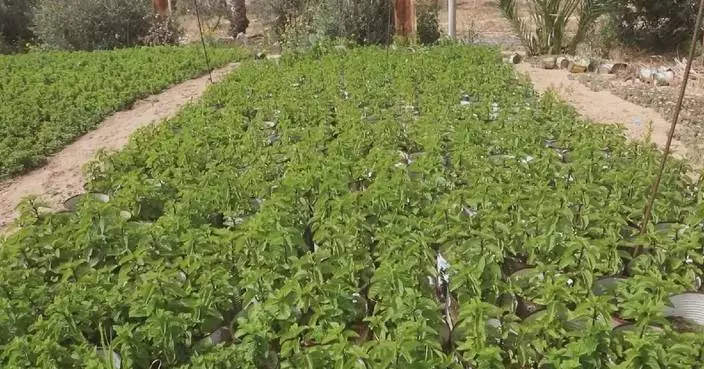
At a farm in Haohuahong Town, Huishui County, southwest China's Guizhou Province, many students dug up potatoes under the guidance of their teachers. Back in the kitchen, they washed, chopped, prepared and stir-fried the ingredients. The educational tour enabled students to experience the full process from crop to meal and to understand that food does not come easily.
Spring break in China energizes students, boosts travel