Skip to Content Facebook Feature Image

Japan considers further release of oil reserves amid escalating Middle East tensions

China

China

China

Japan considers further release of oil reserves amid escalating Middle East tensions

2026-04-06 14:03 Last Updated At:14:37

Japan is considering an additional release of its national oil reserves in May, equivalent to approximately 20 days of its consumption, as crude oil imports have sharply declined due to the ongoing Middle East conflict, Japanese media reported on Sunday.

According to data from Japan's Ministry of Economy, Trade and Industry, Japan's total domestic oil reserves amounted to 254 days of consumption as of the end of 2025. Due to disruptions in passage through the strategic Strait of Hormuz, the Japanese government has already released approximately 80 million barrels of oil reserves since March 16, which is equivalent to 45 days of Japan's oil consumption. This marks the largest release since Japan established its national oil reserve system in 1978.

However, this release has not alleviated concerns within relevant industries about potential oil supply shortages. Some industry groups have called on the Japanese government for further oil reserve releases, with the medical sector specifically urging for a guaranteed supply of naphtha.

Naphtha, derived from crude oil processing, is a critical raw material for medical supplies such as gloves, syringes, and dialysis products. Industry insiders warn that if the current situation persists, Japan could face a "naphtha crisis" by June, endangering the health of a large number of patients.

Meanwhile, Japan is also actively seeking alternative routes for crude oil transportation that bypass the Strait of Hormuz, and is procuring crude oil from regions outside the Middle East. It is anticipated that crude oil imports in May will reach approximately 60 percent of the volume imported during the same period of last year, with the deficit expected to be covered by releasing national oil reserves. This plan is currently under discussion.

Japan's crude oil imports in March were approximately 52 million barrels, the lowest level since 2013. Most of the crude oil that arrived in March had been shipped before the U.S.-Israel attacks on Iran, and import volumes are expected to decline significantly further from April onwards.

The ongoing U.S.-Israeli war with Iran and Tehran's retaliatory strikes across the Gulf region have triggered a shortage of liquefied petroleum gas globally because of the reduction of sea traffic through the key oil shipping route, the Strait of Hormuz. The closure of the sea route has sent global oil prices soaring.
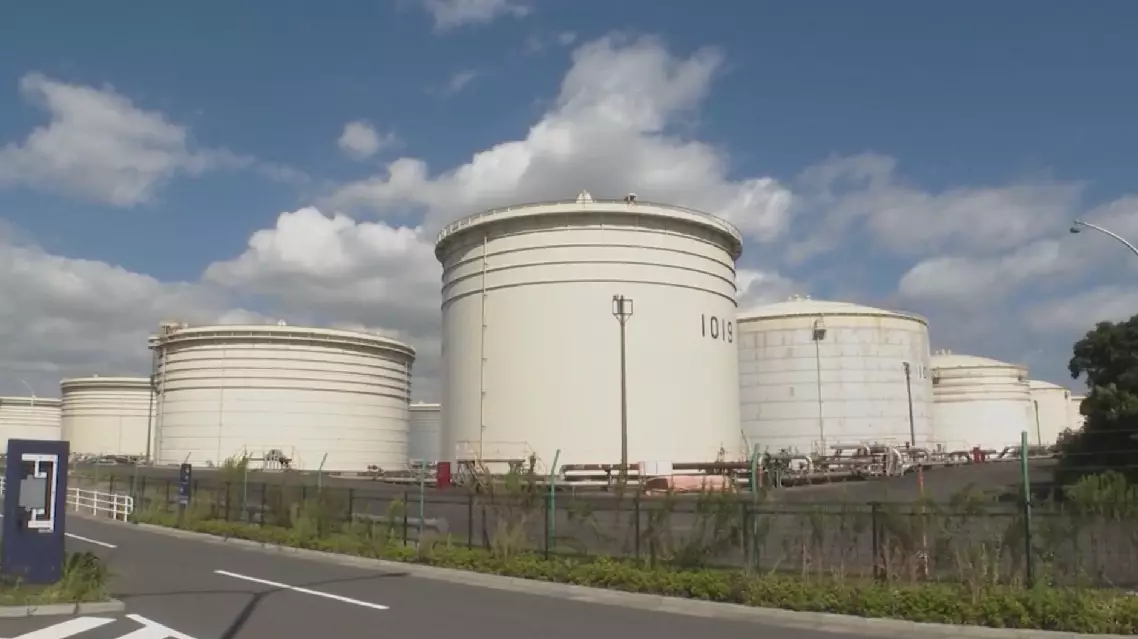
Japan considers further release of oil reserves amid escalating Middle East tensions
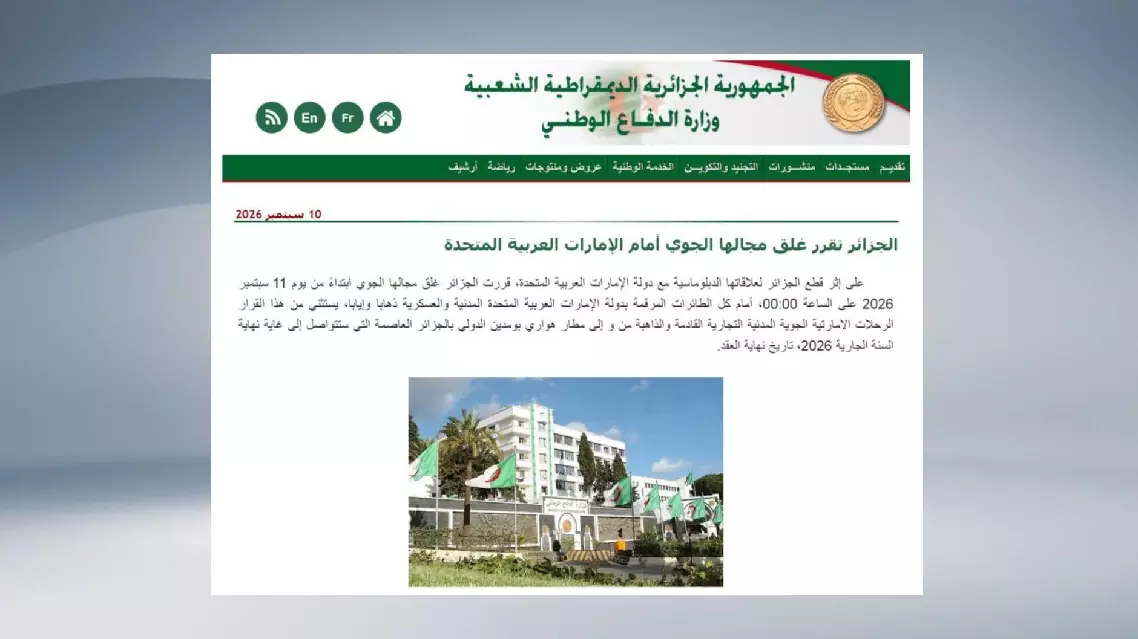
Japan considers further release of oil reserves amid escalating Middle East tensions

Demonstrators took to the streets of Germany's capital on Sunday to voice opposition against military strikes by the United States and Israel on Iran, marking the third such rally in Berlin in recent weeks.

The protest began at Berlin Central Station, with marchers carrying banners and chanting slogans as they made their way through the city's main thoroughfares toward the Brandenburg Gate. The planned route took protesters past key government landmarks, including the Chancellery and the Reichstag building, before concluding at Pariser Platz -- just a few tens of meters away from the U.S. Embassy in Germany.

Organized by several anti-war groups, the demonstration reflected growing public concern in Germany over escalating tensions in the Middle East. Protesters condemned the military action against Iran as both illegal under international law and a serious threat to regional peace and security.

An Iranian protester living in Berlin called the U.S.-Israeli strikes against Iran "completely illegal," while warning of the wider consequences of the war.

"It's a completely illegal war against Iran from the United States and Israel. And we Iranians hope to defeat them back home, because we are not a nation who can be oppressed (by) some countries who think they are the best, who think they are super power on the Earth. They are destabilizing energy for countries on the Earth. I think that's the consequences of the war against Iranian people," he said.

German citizens at the rally echoed this disdain for the conflict, describing the U.S.-Israeli military action as an illegal war of aggression.

"The U.S. and Israel's attack on Iran is an illegal war of aggression. This violates the United Nations Charter and must be stopped immediately. Otherwise, it will go against the rules-based international order established after the victory in World War II in 1945 and will lead the world back to the law of the jungle," said a German protester.

The ongoing conflict began on Feb. 28, Israel and the United States launched joint military strikes on Tehran, the capital city of Iran. Iran responded with waves of missile and drone strikes targeting Israel and U.S. bases and assets in the Middle East.

Demonstrators march in Berlin to condemn U.S.-Israeli strikes on Iran

Demonstrators march in Berlin to condemn U.S.-Israeli strikes on Iran

Recommended Articles