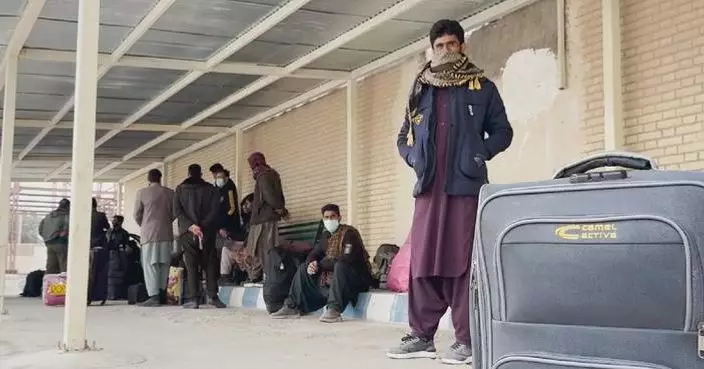
Chinese logistics companies are scaling back operations in the Middle East and reallocating resources to Africa, Southeast Asia, and the Americas as the region's geopolitical risks continue to intensify, driving up freight rates.
A senior executive of an international logistics company with a full-chain operation in Dubai, UAE, said that the company operates a customs brokerage, overseas warehouses, container truck fleets, and pickup truck fleets in the region, with a team of over 100 people.
Due to the current situation, most of their Dubai-based colleagues are now working on a flexible basis, and some staff have already returned home early for holidays.
"In light of the development trends of the Middle East war, our business footprint in the region will further shrink. Therefore, we will increasingly allocate our resources to routes serving Africa, Southeast Asia, and the Americas, including redeploying personnel to other countries as part of our new layout," said Fan Jiansheng, head of an international logistics company based in Shenzhen, Guangdong Province.
While companies are actively adjusting their layouts and shifting to other regional routes, the pressure of rising freight rates cannot be ignored.
"On other routes - the U.S., Europe, South America, and Southeast Asia - freight rates have risen by 10 to 20 percent or even more, whether by air, courier, or sea, due to rising fuel surcharges. From the end of February to the beginning of April, rates have gone up four or five times in just one month. All these costs have become uncontrollable for us, posing a huge challenge to sellers," said Li Liangjuan, head of a freight forwarding company based in Shenzhen, Guangdong Province.
In response to the continuing trend of rising freight rates, many European and American trading companies and cross-border e-commerce businesses have begun bulk purchasing and stockpiling in advance to hedge against further rate increases.
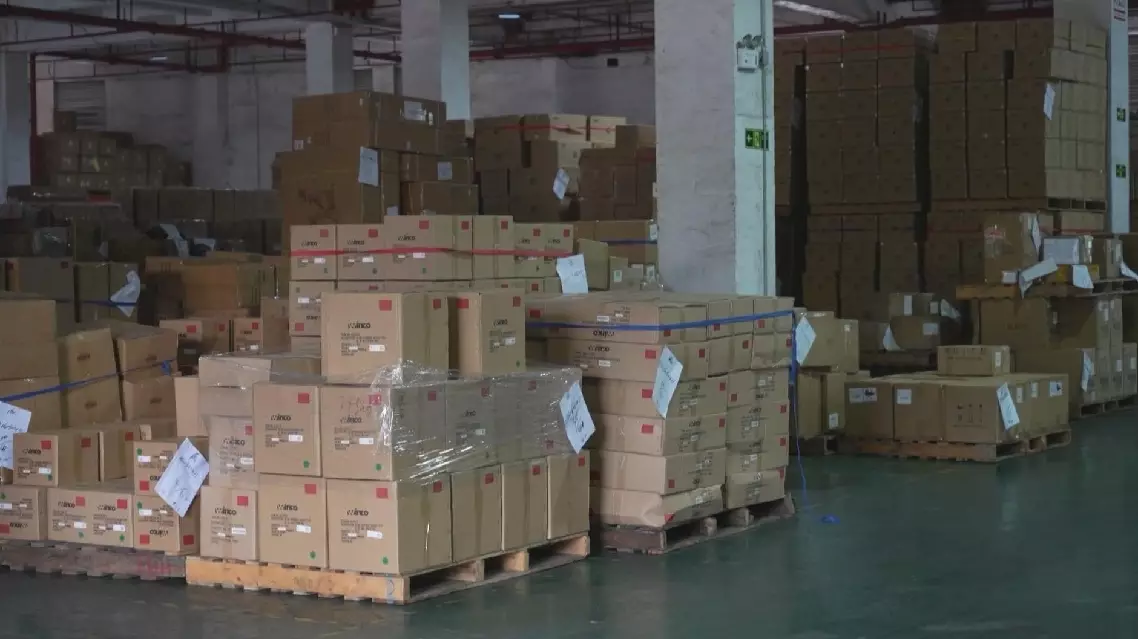
"Domestic cargo owners or cross-border e-commerce business owners are preparing their goods much earlier than in previous years and stockpiling for longer periods. Combined with current order demand, many of our warehouses in North America are now completely overloaded," said Zhao Kaijie, head of a warehousing and logistics company based in Shenzhen, Guangdong Province.
Logistics firms shift away from Middle East as conflict raises costs
The African Union (AU) and its partners have warned that the ongoing Middle East conflict poses a "serious risk" to African economies.
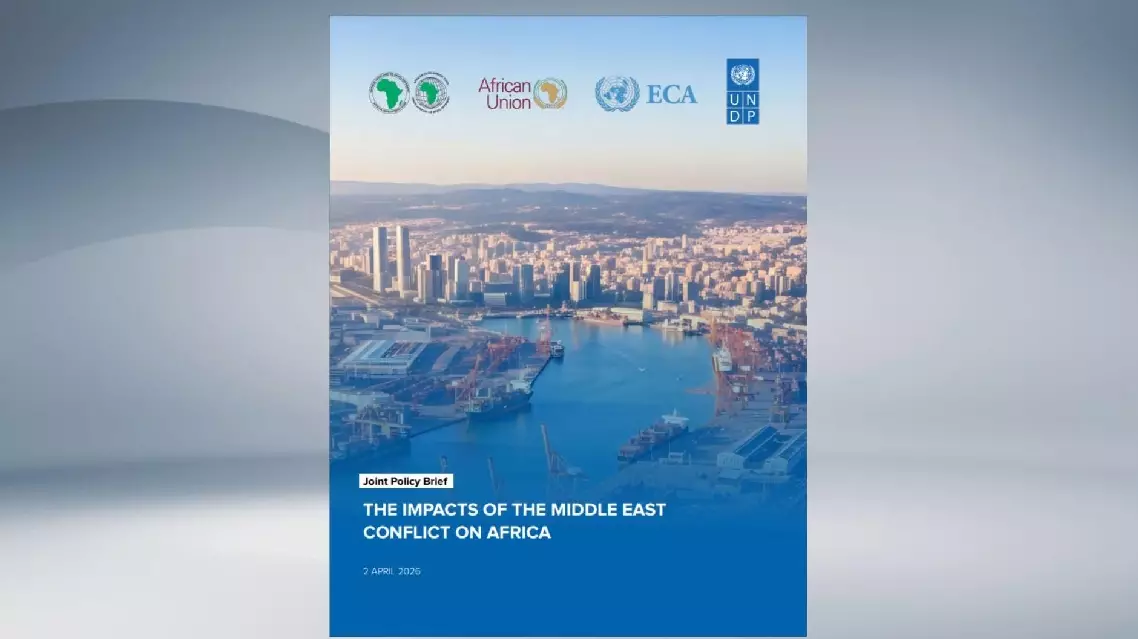
In a recent joint policy brief, the AU, the United Nations (UN) Economic Commission for Africa, the African Development Bank, and the UN Development Program warned that the longer the conflict lasts and the more severe the disruption of shipping routes, energy, and fertilizer supplies, the greater the risk of a significant growth slowdown across Africa.
With most African countries still growing at rates below pre-COVID levels, the brief projected a 0.2 percentage-point decline in Africa's gross domestic product growth in 2026 if the conflict lasts more than six months.
The organizations stressed that the conflict, which has already triggered a trade shock, could quickly become a "cost-of-living crisis" due to higher fuel and food prices. Rising shipping costs, insurance premiums, exchange rate pressures, and tighter fiscal conditions could further compound the crisis, with vulnerable households bearing the heaviest burden.
The Middle East accounts for 15.8 percent of Africa's imports and 10.9 percent of its exports, underscoring the critical implications of the current situation for African economies, according to the brief.
Highlighting that the fertilizer channel may prove more consequential than oil shocks for some countries, the brief noted that disruptions to Gulf liquid natural gas supply would affect ammonia and urea production, raising fertilizer costs during the crucial March-to-May planting season.
It warned that the phenomenon will put further upward pressure on food prices and hit vulnerable households hardest, with significant negative impacts on food security in Africa.
Expressing concern over potential geopolitical spillover effects that could reshape Africa's security, it also warned that a wider conflict could intensify competition for influence in Africa, with regional conflicts in Sudan, Somalia, and Libya already reflecting external sponsorship.
The brief emphasized the importance of strengthening energy security, safeguarding and restoring fiscal space, accelerating the implementation of the African Continental Free Trade Area, and establishing financial safety nets across Africa as essential strategies for building resilience.
African leading organizations warn Middle East conflict poses "serious risk" to African economies