Skip to Content Facebook Feature Image

AP reporter describes intense Israeli attacks that stunned Beirut

News

AP reporter describes intense Israeli attacks that stunned Beirut
News

News

AP reporter describes intense Israeli attacks that stunned Beirut

2026-04-10 06:44 Last Updated At:06:51

BEIRUT (AP) — It was 2:14 in the afternoon when the first bomb fell, and the sudden sound of crashing metal was like a heavy truck had overturned outside our office. The Israeli strike had hit somewhere nearby.

Within seconds, plumes of smoke were rising across Beirut’s skyline, from the coastal corniche, down to the city’s busiest intersection, up from one of its wealthiest neighborhoods and one of its poorest. Boom. Boom. Boom. We stopped counting. One staffer ran into the office from downstairs, her face white and lips trembling.

More Images
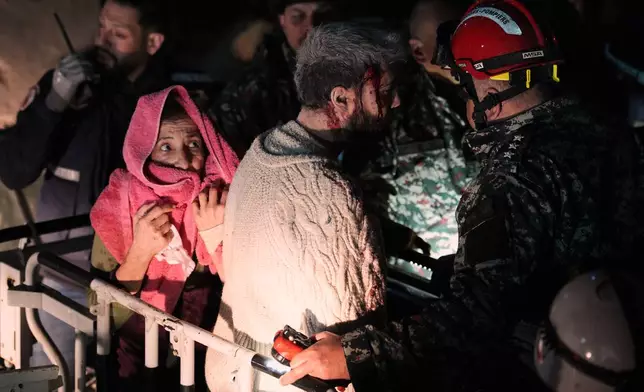
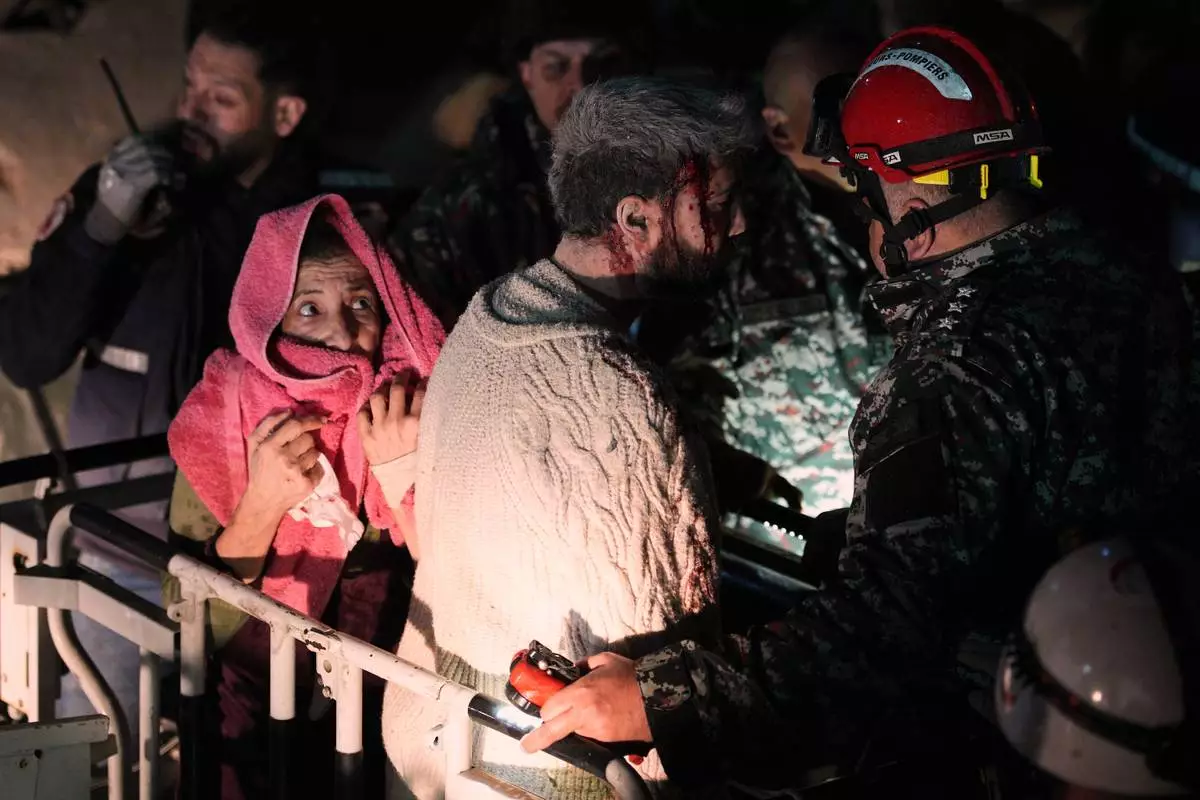
A woman and an injured man, center, are rescued by firefighters from a destroyed building that was hit in an Israeli airstrike in central Beirut, Lebanon, Wednesday, April 8, 2026. (AP Photo/Emilio Morenatti)

A woman and an injured man, center, are rescued by firefighters from a destroyed building that was hit in an Israeli airstrike in central Beirut, Lebanon, Wednesday, April 8, 2026. (AP Photo/Emilio Morenatti)

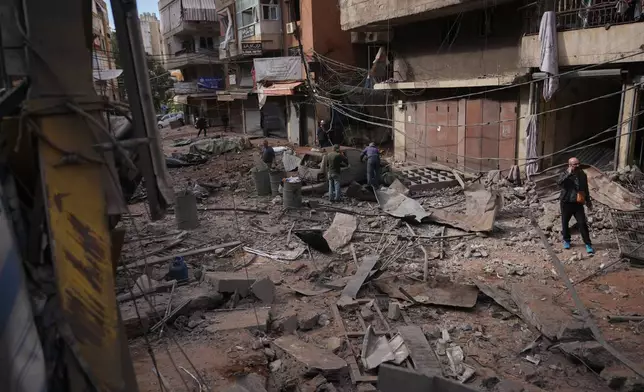
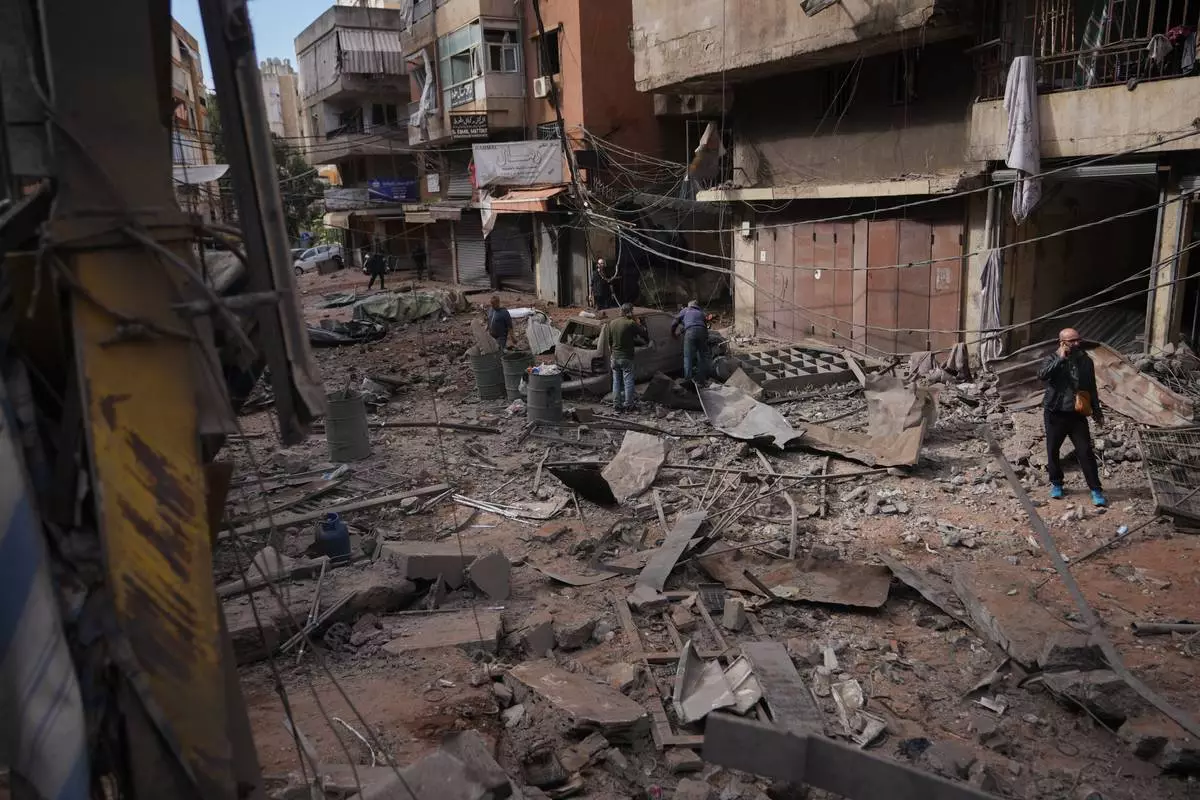
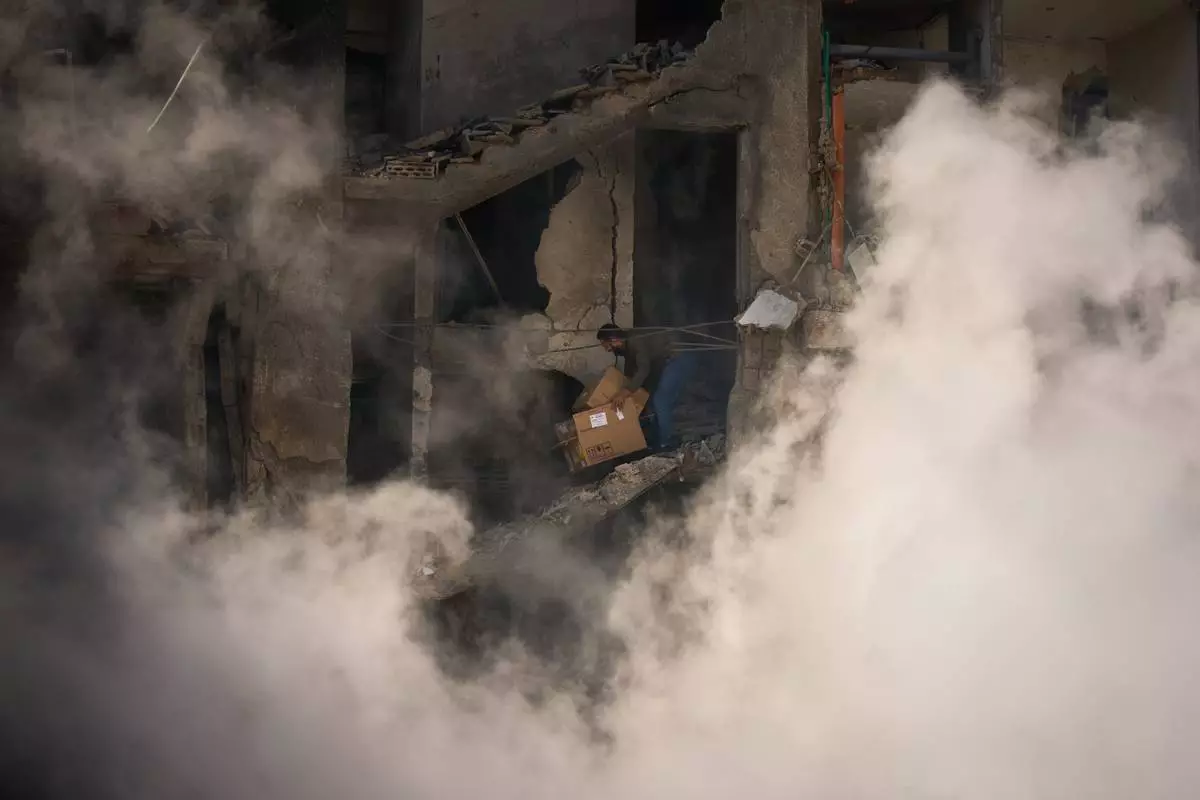
A man gathers his belongings from his home, which has been destroyed in an Israeli airstrike a day earlier in Beirut, Lebanon, Thursday, April 9, 2026. (AP Photo/Emilio Morenatti)

A man gathers his belongings from his home, which has been destroyed in an Israeli airstrike a day earlier in Beirut, Lebanon, Thursday, April 9, 2026. (AP Photo/Emilio Morenatti)

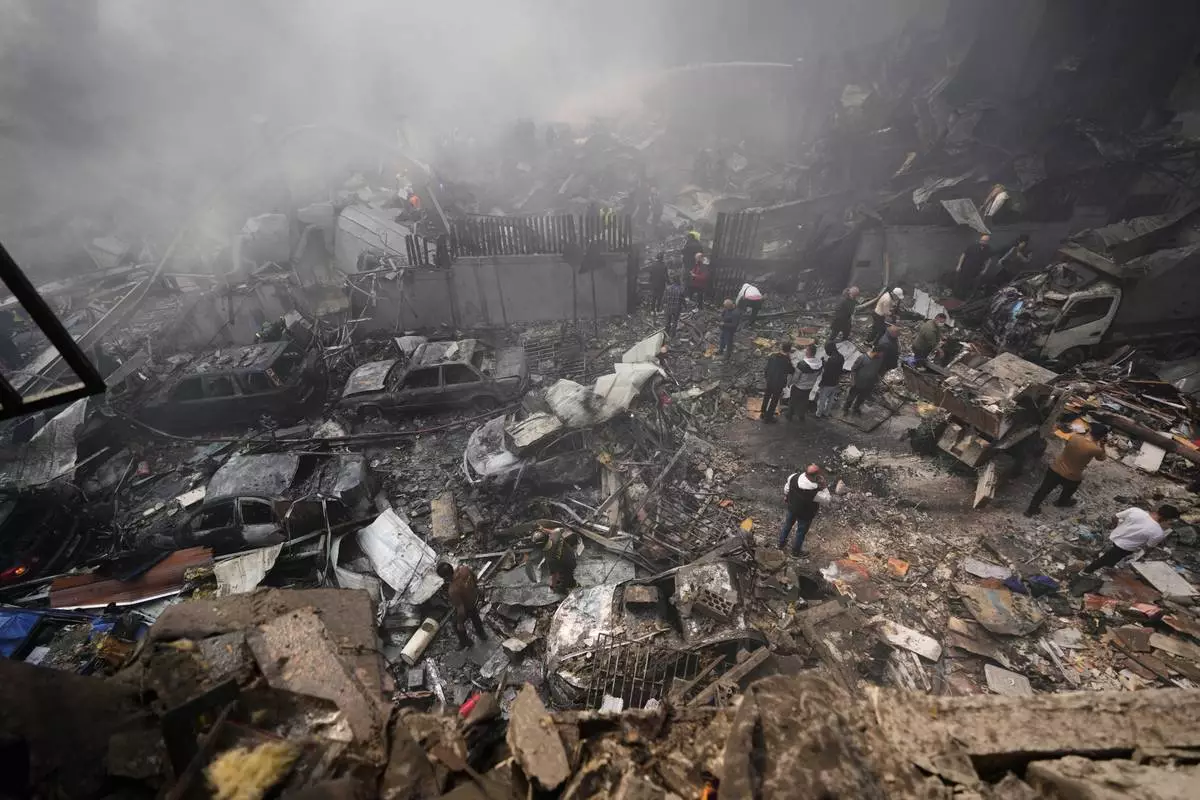
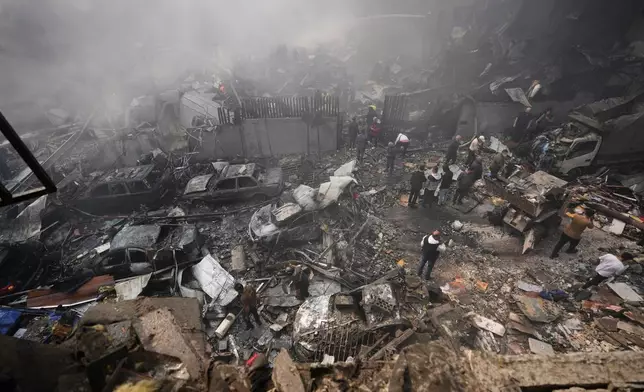
Residents gather at the site of an Israeli airstrike in Beirut, Lebanon, Wednesday, April 8, 2026. (AP Photo/Hussein Malla)

Residents gather at the site of an Israeli airstrike in Beirut, Lebanon, Wednesday, April 8, 2026. (AP Photo/Hussein Malla)

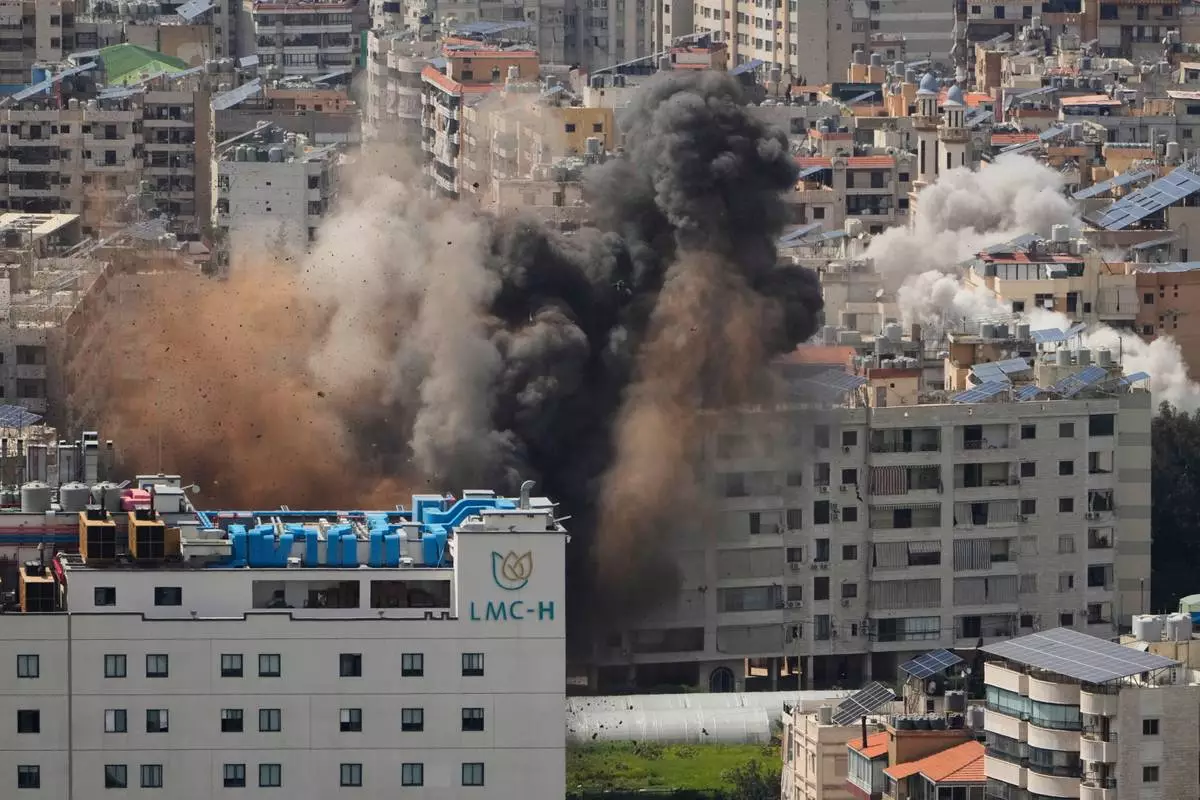
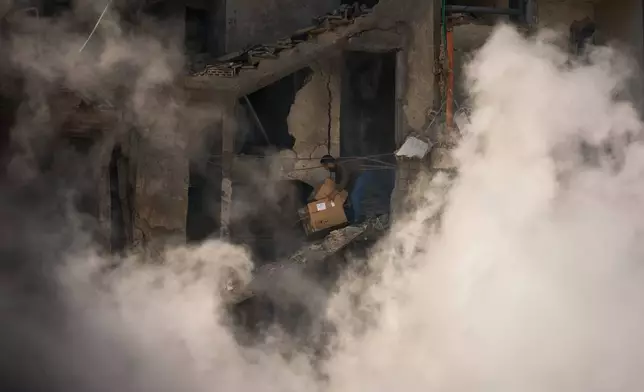
Smoke rises following several Israeli airstrikes in Beirut, Lebanon, Wednesday, April 8, 2026. (AP Photo/Hassan Ammar)

Smoke rises following several Israeli airstrikes in Beirut, Lebanon, Wednesday, April 8, 2026. (AP Photo/Hassan Ammar)

Smoke rises following several Israeli airstrikes in Beirut, Lebanon, Wednesday, April 8, 2026. (AP Photo/Hassan Ammar)

Smoke rises following several Israeli airstrikes in Beirut, Lebanon, Wednesday, April 8, 2026. (AP Photo/Hassan Ammar)

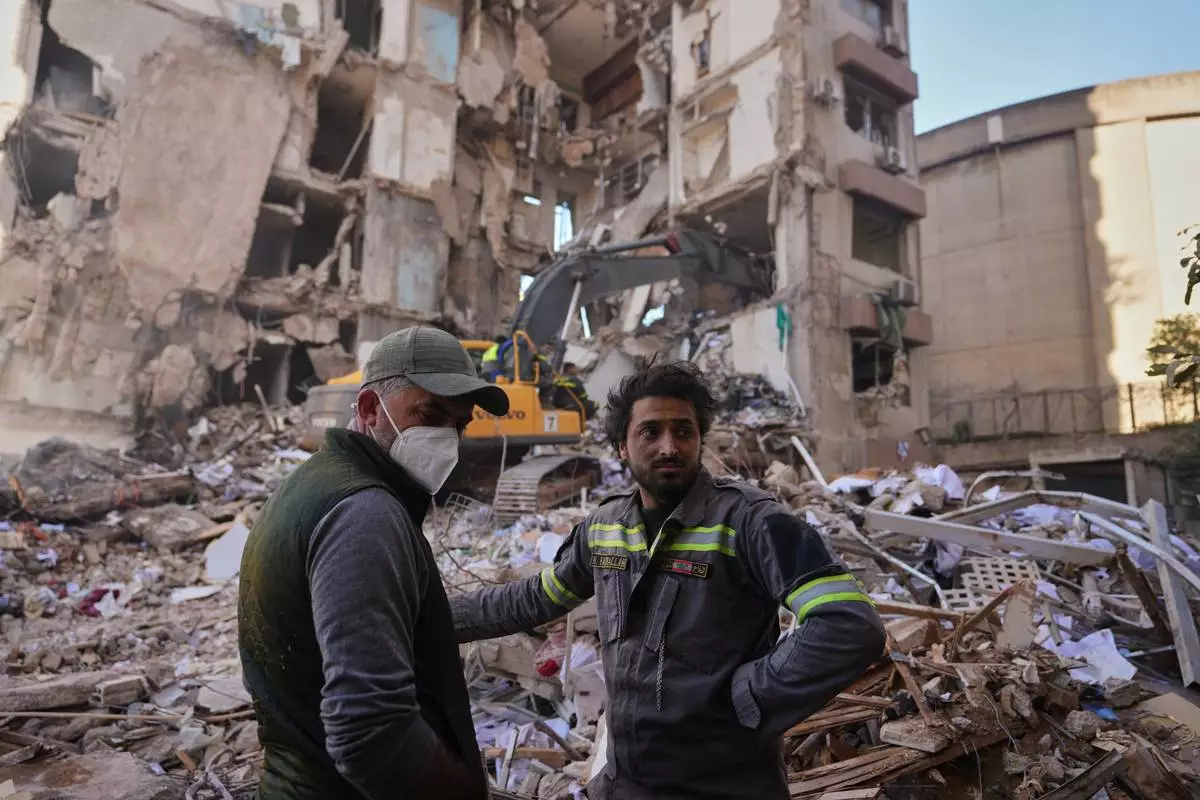
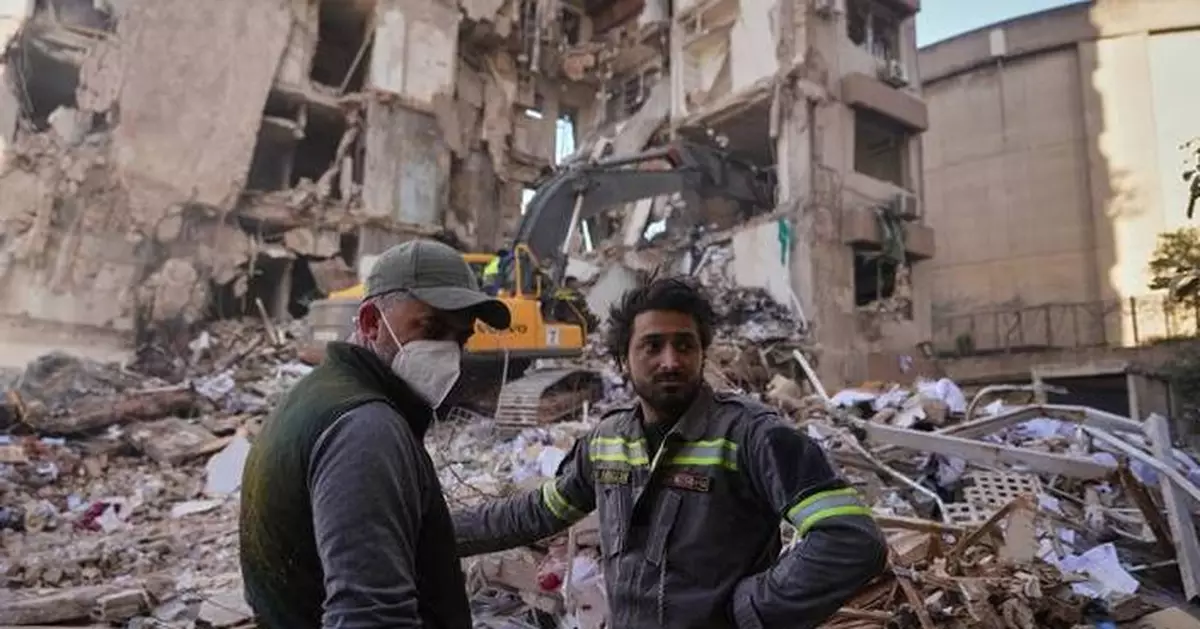
A Lebanese civil defense worker, right, stands with a resident at the site of a building destroyed in an Israeli airstrike a day earlier in central Beirut, Lebanon, Thursday, April 9, 2026. (AP Photo/Hassan Ammar)
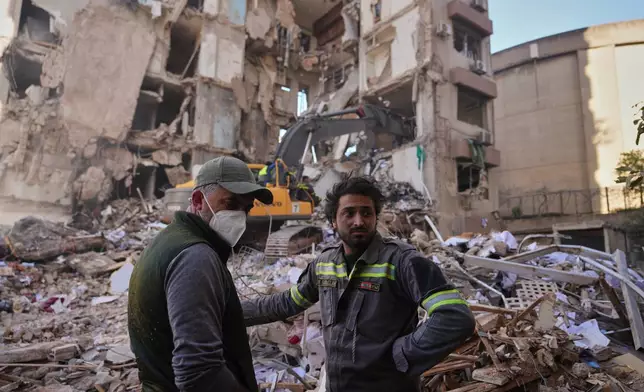
A Lebanese civil defense worker, right, stands with a resident at the site of a building destroyed in an Israeli airstrike a day earlier in central Beirut, Lebanon, Thursday, April 9, 2026. (AP Photo/Hassan Ammar)
During the 10 years that Beirut has been my home, the Lebanese capital has lived through rounds of Israeli bombing, Israel’s detonation of pagers belonging to Hezbollah members and a devastating port explosion in 2020. But Wednesday was the first time it felt like the city had been left breathless.

In a span of 10 minutes, Israel says it hit 100 targets in Lebanon. Most were in Beirut. Over 300 people were killed, including more than 100 women, children and elderly. Late night TV shows said it rivaled one of the worst days during Israel’s 1982 invasion of Beirut — in August of that year, when roughly 300 people were killed over some 10 hours of bombardment.

Before Wednesday's bombardment, many Lebanese had hoped that a ceasefire announced hours earlier in the Iran war would bring a pause in the more than a month of fighting between Israel and the Iran-backed militant group Hezbollah.

It is still not clear what the targets were. Israel said it hit Hezbollah command and control centers, but the only Hezbollah official it reported killing was an aide to the group’s secretary general.

As bombs fell, panicked commuters got stuck in traffic while trying to rush home to move their families, unsure where Israel may hit next. Others made frantic calls on an overwhelmed communication network, looking for loved ones or yelling at relatives to pack up and leave. Confused drivers stared at the acrid black and white smoke billowing over the city, trying to determine which road to take.

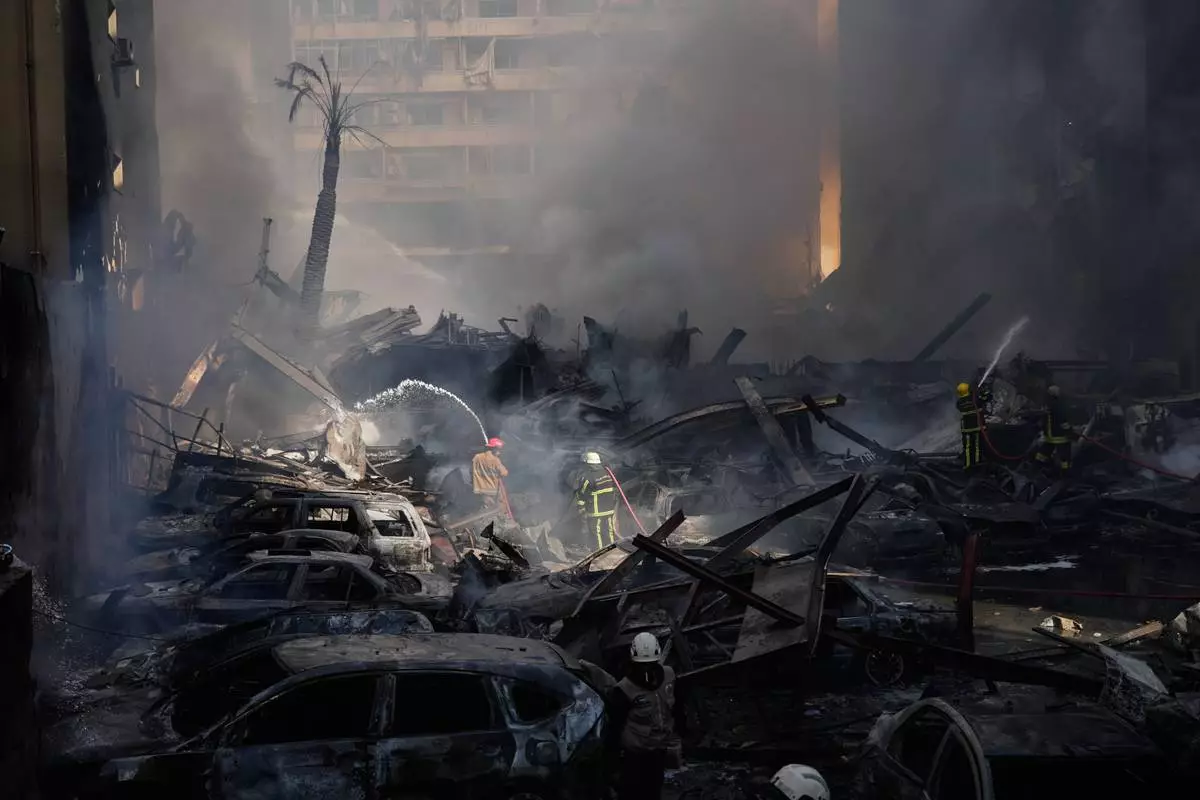
In the stricken areas, the mayhem was on another level. People’s faces were covered in black soot. At one of Beirut’s busiest intersections, on Corniche al-Mazraa, an Associated Press photographer saw charred cars piled on top of each other. A body was crushed inside one.

In Mar Elias, one of Beirut’s main commercial streets, a blast raised dust and debris that hid the view of the entire block. Across the street, Sahar Charara was huddled in her apartment.

Ever since the 2020 port explosion, in which her two children suffered minor injuries, Charara has tried to protect herself from seeing the victims of violence — a sign of how years of accumulated heartbreaks have marked Lebanese. But when the dust cleared, she looked outside and saw the despair of an entire city on the face of an elderly woman frozen in place and screaming for minutes.

“There were so much horror and fear in her screaming,” said Charara.

When Charara left her apartment an hour later, she exchanged a few words with her neighbor whose shop was destroyed. The expression on her face was a “blank look of horror,” Charara said.

She learned later from her building’s doorman that another neighbor had fallen from the balcony and died from the impact.

A strike hit near the home of Nahida Khalil, close to the corniche. Then she saw smoke also coming from the direction of her brother’s building further up the street.

The next 15 minutes felt like an eternity as she tried to call her brother, with no answer. Finally, his wife responded, screaming that their building was hit. They had searched through the black smoke filling their apartment to find their three children. When they finally made it to the street, they saw half of their building had been leveled, and the other half was slowly tumbling down as rescuers searched for the missing.

“I lived through all the wars since 1975. I never felt this fear,” said Khalil, who has lived in the same building for decades. "These strikes are meant to terrorize ... and to spoil the ceasefire and cause division” between Lebanese.

A few hundred meters to the west of Charara’s building later in the day, motorists swerved and crossed paths, as they tried to evacuate Tallet al-Khayyat, one of the highest points in Beirut and home to some of the city’s classiest apartment buildings. One building crumbled to dust in seconds after being struck by an Israeli bomb; a resident described hearing the building’s stones grind before it collapsed.

By nightfall, people were still assessing the losses and damages – and trying to figure out where was safe. Some families spent the night sleeping in different rooms, figuring if overnight strikes hit, some would survive.

Rescue efforts went on through the night.

At Khalil’s family building in the Ain Mreisseh neighborhood, rescue workers' hopes were boosted after finding a 92-year-old man alive. But by daylight Thursday, they were still searching for four or five more bodies, they told the AP. A man whose 23-year-old daughter was among the missing stood on a mound of rubble and helped search.

At hospitals, staff were still trying to identify dozens of bodies.

The last strike came shortly after midnight, hitting the southern suburbs of Beirut, which have been regularly hit during the war. Mohammed Mehdi’s barbershop, in operation for 30 years, was destroyed.

During the current war, he and his family fled their home in the neighborhood, Chiyah, and now sleep in a dentist clinic, near Khalil’s family building. But he made it a point to keep his barber shop open, going to it every day to meet friends, have coffee and give the occasional haircut. He shut down Wednesday as bombs starting falling across the city.

“They carried out 100 strikes. Ours was the 101st,” he said Thursday. He is mourning Lebanon’s dead from the day. “I am still in shock, and I don’t know where things are going. I lost my job and this loss may last for a while.”

AP correspondent Kareem Chehayeb in Beirut contributed to this report.

A woman and an injured man, center, are rescued by firefighters from a destroyed building that was hit in an Israeli airstrike in central Beirut, Lebanon, Wednesday, April 8, 2026. (AP Photo/Emilio Morenatti)
A woman and an injured man, center, are rescued by firefighters from a destroyed building that was hit in an Israeli airstrike in central Beirut, Lebanon, Wednesday, April 8, 2026. (AP Photo/Emilio Morenatti)

A man gathers his belongings from his home, which has been destroyed in an Israeli airstrike a day earlier in Beirut, Lebanon, Thursday, April 9, 2026. (AP Photo/Emilio Morenatti)
A man gathers his belongings from his home, which has been destroyed in an Israeli airstrike a day earlier in Beirut, Lebanon, Thursday, April 9, 2026. (AP Photo/Emilio Morenatti)

Residents gather at the site of an Israeli airstrike in Beirut, Lebanon, Wednesday, April 8, 2026. (AP Photo/Hussein Malla)
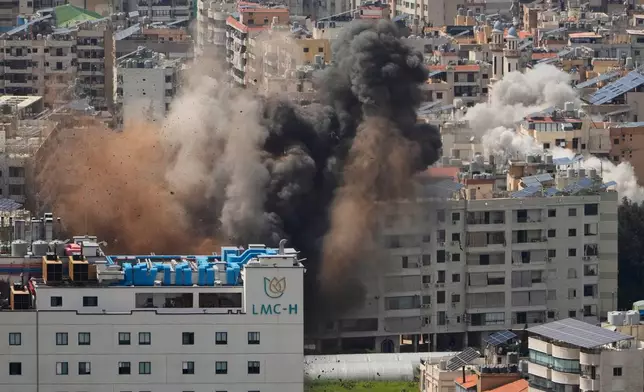
Residents gather at the site of an Israeli airstrike in Beirut, Lebanon, Wednesday, April 8, 2026. (AP Photo/Hussein Malla)

Smoke rises following several Israeli airstrikes in Beirut, Lebanon, Wednesday, April 8, 2026. (AP Photo/Hassan Ammar)
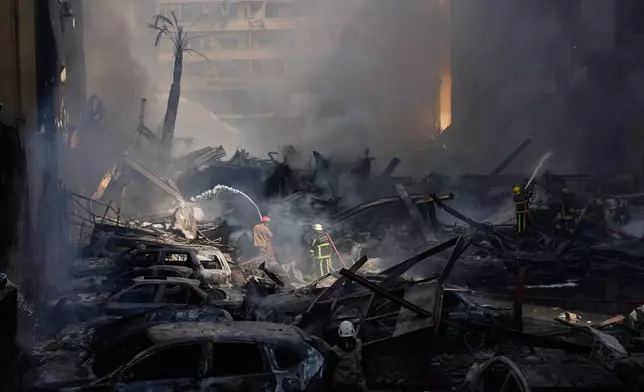
Smoke rises following several Israeli airstrikes in Beirut, Lebanon, Wednesday, April 8, 2026. (AP Photo/Hassan Ammar)
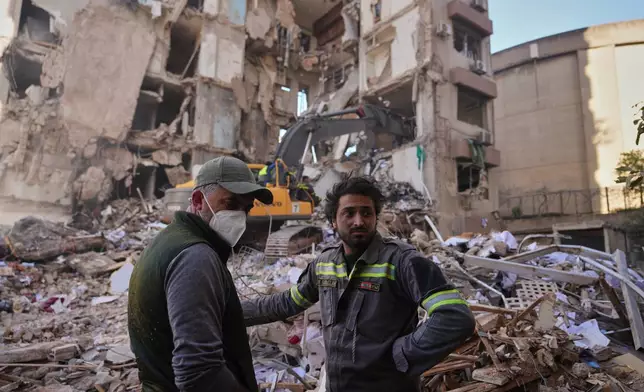
Smoke rises following several Israeli airstrikes in Beirut, Lebanon, Wednesday, April 8, 2026. (AP Photo/Hassan Ammar)

Smoke rises following several Israeli airstrikes in Beirut, Lebanon, Wednesday, April 8, 2026. (AP Photo/Hassan Ammar)

A Lebanese civil defense worker, right, stands with a resident at the site of a building destroyed in an Israeli airstrike a day earlier in central Beirut, Lebanon, Thursday, April 9, 2026. (AP Photo/Hassan Ammar)
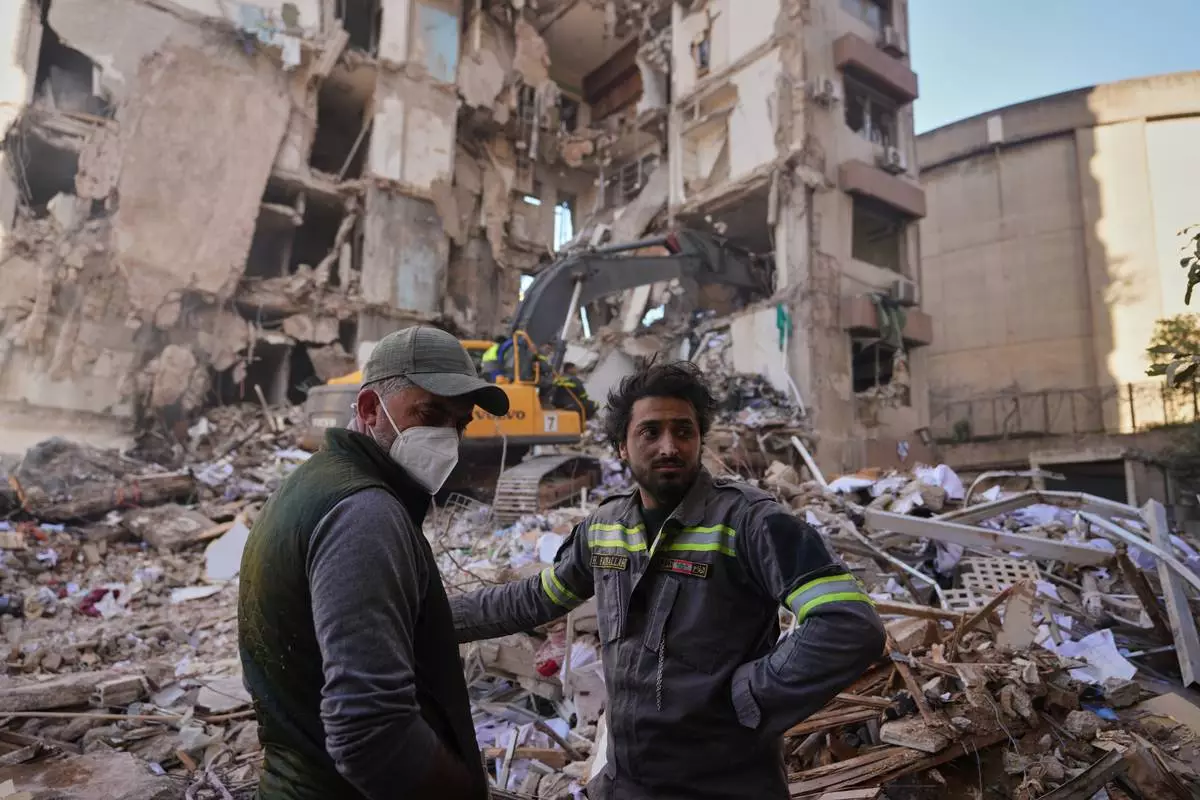
A Lebanese civil defense worker, right, stands with a resident at the site of a building destroyed in an Israeli airstrike a day earlier in central Beirut, Lebanon, Thursday, April 9, 2026. (AP Photo/Hassan Ammar)
DUBAI, United Arab Emirates (AP) — U.S. President Donald Trump appears to be casting doubt on the effectiveness of the ceasefire that has halted the Iran war.

“Iran is doing a very poor job, dishonorable some would say, of allowing Oil to go through the Strait of Hormuz,” he wrote on his social media site Thursday evening. “That is not the agreement we have!”

The post came after Trump posted earlier that “There are reports that Iran is charging fees to tankers going through the Hormuz Strait — They better not be and, if they are, they better stop now!”

The White House supports reopening the strait as part of the ceasefire deal, but says that Trump opposes Iran’s military, which continues to control the waterway, from seeking to raise revenue by charging tolls on passing ships.

THIS IS A BREAKING NEWS UPDATE. AP’s earlier story follows below.

DUBAI, United Arab Emirates (AP) — In a potential boost to Middle East ceasefire efforts, Israeli Prime Minister Benjamin Netanyahu said Thursday that he authorized direct negotiations with Lebanon “as soon as possible” aimed at disarming Iranian-backed Hezbollah militants and establishing relations between the neighbors.

The two countries have technically been at war since Israel was established in 1948, and Netanyahu later stressed that there was no ceasefire between them. In a video statement, he said Israel will keep striking Hezbollah until security is restored in northern Israel.

There was no immediate response from Lebanon. But Israel-Lebanon negotiations were expected to begin next week at the State Department in Washington, according to a U.S. official and a person familiar with the plans, who spoke on condition of anonymity due to the delicacy of the matter.

The prospect of talks appeared to bolster the tentative ceasefire in the Iran war that has staggered under the weight of Israel’s bombardment of Beirut, Tehran’s continued chokehold on the Strait of Hormuz and uncertainty over whether talks can find common ground.

U.S. President Donald Trump said Thursday that he was “very optimistic” about the prospects of reaching a peace deal, saying Iranian leaders are more amenable in private conversations than in their public statements.

Netanyahu's announcement came amid disagreement over whether the ceasefire deal included a pause in fighting between Israel and Hezbollah, and a day after Israel pounded Beirut with airstrikes, the deadliest day in Lebanon since the war began Feb. 28.

Israel has fought multiple wars and launched several major invasions of Lebanon over the years, most recently sending in troops last month in response to Hezbollah fire on Israel’s northern border communities.

The launch of direct peace talks is a significant achievement, though reaching an agreement will be difficult after decades of hostilities, Hezbollah’s continued presence and longstanding disagreements over the countries' shared land border.

The talks in Washington are expected to be handled on the American side by the U.S. ambassador to Lebanon, Michel Issa, and on the Israeli side by the Israeli ambassador to the U.S., Yechiel Leiter, according to the person familiar with the planning.

It was not immediately clear who would represent Lebanon.

The timing and location of the talks was first reported by Axios.

After declaring victory with the ceasefire announcement, both Iran and the U.S. appeared to apply pressure on each other. Semiofficial news agencies in Iran suggested forces have mined the Strait of Hormuz, a crucial waterway for oil that Tehran has closed. Trump warned that U.S. forces would hit Iran harder than before if it did not fulfill the agreement.

Questions also remained over what will happen to Iran’s stockpile of enriched uranium at the heart of tensions, how and when normal traffic will resume through the strait, and what happens to Iran’s ability to launch future missile attacks and support armed proxies in the region.

Iranian President Masoud Pezeshkian said in a message on Telegram that Iran's decision to accept a ceasefire was made unanimously by senior government leaders and approved by the supreme leader. He said the ceasefire “is not a sign of weakness but a way to solidify Iran’s proud victories."

Despite disputes over the ceasefire, it appears to have halted weeks of missile and drone attacks by Iran on its Gulf Arab neighbors and Israel, with no new launches reported Thursday. There were no reports of strikes by the U.S. or Israel targeting Iran.

Iran’s parliament speaker, Mohammad Bagher Qalibaf, warned in a social media post Thursday that continued Israeli attacks on the Iran-backed Hezbollah militant group in Lebanon would bring “explicit costs and STRONG responses.”

Qalibaf has been discussed as a possible negotiator who could meet U.S. Vice President JD Vance this weekend in Islamabad. The White House has said Vance would lead the delegation for talks starting Saturday.

Iran had said Israel's ongoing attacks on Hezbollah were violating the ceasefire agreement. Netanyahu and Trump have said they were not.

Trump said Thursday that he asked Netanyahu to dial back the strikes in Lebanon.

“I spoke with Bibi, and he’s going to low-key it. I just think we have to be sort of a little more low-key,” Trump told NBC News.

Hours before Netanyahu authorized the negotiations with Lebanon, he said Israel would continue striking militants in the country “with force, precision and determination."

Lebanon’s health ministry said more than 300 people were killed and more than 1,100 wounded Wednesday by Israeli strikes on central Beirut and other areas of Lebanon that Israel said targeted Hezbollah, which joined the war in support of Tehran.

Israel said Thursday it killed an aide to Hezbollah leader Naim Kassem, Ali Yusuf Harshi. Hezbollah did not immediately respond to a request for comment.

A New York-based think tank warned the ceasefire “ hovers on the verge of collapse ” following Israel's strikes Wednesday.

Lebanon’s state-run National News Agency reported that an Israeli strike overnight killed at least seven people in southern Lebanon. The Israeli military did not immediately acknowledge the strike.

Semiofficial news agencies in Iran published a chart Thursday suggesting the country’s paramilitary Revolutionary Guard put sea mines into the Strait of Hormuz during the war — a message that may be intended to pressure the United States.

The chart, released by the ISNA news agency and Tasnim, showed a large circle marked “danger zone” in Farsi over the route ships take through the strait, through which 20% of all traded oil and natural gas once passed.

Only a trickle of ships have transited since the war began after several were attacked, and Iran threatened to hit any that it deemed connected to the U.S. or Israel. Ships appeared to continue to avoid the strait even after the ceasefire.

The chart suggested that ships travel through waters closer to Iran’s mainland near Larak Island, a route some ships were observed taking during the war. It was dated from Feb. 28 until April 9, and it was unclear if the Guard had cleared any mines since then.

Iran’s deputy foreign minister, Saeed Khatibzadeh, told the BBC that his country will allow ships to pass through the strait in accordance with “international norms and international law” once the United States ends its “aggression” in the Middle East and Israel stops attacking Lebanon.

The head of the United Arab Emirates’ major oil company, Sultan al-Jaber, said some 230 ships loaded with oil were waiting to get through the strait and must be allowed "to navigate this corridor without condition.”

The strait’s de facto closure has caused oil prices to skyrocket — affecting the cost of gasoline, food and other basics far beyond the Middle East. The spot price of Brent crude, the international standard, was around $98 Thursday, up about 35% since the war began.

The fate of Iran’s missile and nuclear programs — which the U.S. and Israel sought to eliminate in going to war — was unclear. The U.S. insists Iran must never be able to build nuclear weapons and wants to remove Tehran’s stockpile of highly enriched uranium, which could be used to build them. Iran insists its program is peaceful.

Trump said Wednesday that the U.S. would work with Iran to remove the uranium, buried in last year's U.S. and Israeli strikes, though Iran did not confirm that. In one version of the ceasefire deal that Iran published, it said it would be allowed to continue enrichment.

The chief of Iran’s nuclear agency, Mohammad Eslami, said Thursday that protecting Tehran’s right to enrich uranium is “necessary” for any ceasefire talks.

Corder reported from The Hague, Netherlands. Becatoros reported from Athens, Greece. Associated Press writers Chan Ho-him in Hong Kong, Zeke Miller, Will Weissert and Matthew Lee in Washington, Hannah Schoenbaum in Salt Lake City and Kareem Chehayeb and Hussein Malla in Beirut contributed to this report.

Men inspect the damage to their home destroyed in an Israeli airstrike a day earlier in Beirut, Lebanon, Thursday, April 9, 2026. (AP Photo/Emilio Morenatti)

Men inspect the damage to their home destroyed in an Israeli airstrike a day earlier in Beirut, Lebanon, Thursday, April 9, 2026. (AP Photo/Emilio Morenatti)

Lebanese civil defense workers inspect the rubble at the site of a building destroyed in an Israeli airstrike a day earlier in Beirut, Lebanon, Thursday, April 9, 2026. (AP Photo/Hussein Malla)

Lebanese civil defense workers inspect the rubble at the site of a building destroyed in an Israeli airstrike a day earlier in Beirut, Lebanon, Thursday, April 9, 2026. (AP Photo/Hussein Malla)

Lebanese civil defense workers search for victims in the rubble of a building destroyed in an Israeli airstrike a day earlier in central Beirut, Lebanon, Thursday, April 9, 2026. (AP Photo/Hassan Ammar)

Lebanese civil defense workers search for victims in the rubble of a building destroyed in an Israeli airstrike a day earlier in central Beirut, Lebanon, Thursday, April 9, 2026. (AP Photo/Hassan Ammar)

A man gathers his belongings from his home, which has been destroyed in an Israeli airstrike a day earlier in Beirut, Lebanon, Thursday, April 9, 2026. (AP Photo/Emilio Morenatti)

A man gathers his belongings from his home, which has been destroyed in an Israeli airstrike a day earlier in Beirut, Lebanon, Thursday, April 9, 2026. (AP Photo/Emilio Morenatti)

A government supporter weeps during a mourning ceremony marking the 40th day since the death of Iranian Supreme Leader Ayatollah Ali Khamenei, who was killed in the U.S. and Israel strikes in Tehran, Iran, Thursday, April 9, 2026. (AP Photo/Vahid Salemi)

A government supporter weeps during a mourning ceremony marking the 40th day since the death of Iranian Supreme Leader Ayatollah Ali Khamenei, who was killed in the U.S. and Israel strikes in Tehran, Iran, Thursday, April 9, 2026. (AP Photo/Vahid Salemi)

Government supporters walk past a billboard depicting Iran's Supreme Leader Mojtaba Khamenei as they gather to mark the 40th day since the killing of his father, slain Supreme Leader Ayatollah Ali Khamenei, in Tehran, Iran, Thursday, April 9, 2026. (AP Photo/Vahid Salemi)

Government supporters walk past a billboard depicting Iran's Supreme Leader Mojtaba Khamenei as they gather to mark the 40th day since the killing of his father, slain Supreme Leader Ayatollah Ali Khamenei, in Tehran, Iran, Thursday, April 9, 2026. (AP Photo/Vahid Salemi)

A sign for a roadside hotel is seen on Road 2 near Golhahr, Iran, Thursday, April 9, 2026. (AP Photo/Francisco Seco)

A sign for a roadside hotel is seen on Road 2 near Golhahr, Iran, Thursday, April 9, 2026. (AP Photo/Francisco Seco)

People inspect the rubble of a building destroyed in an Israeli airstrike a day earlier in Beirut, Lebanon, Thursday, April 9, 2026. (AP Photo/Hussein Malla)

People inspect the rubble of a building destroyed in an Israeli airstrike a day earlier in Beirut, Lebanon, Thursday, April 9, 2026. (AP Photo/Hussein Malla)

Government supporters gather to mark the 40th day since the death of Supreme Leader Ayatollah Ali Khamenei in Tehran, Iran, Thursday, April 9, 2026. (AP Photo/Vahid Salemi)

Government supporters gather to mark the 40th day since the death of Supreme Leader Ayatollah Ali Khamenei in Tehran, Iran, Thursday, April 9, 2026. (AP Photo/Vahid Salemi)

A rescue worker extinguishes burning cars at the site of an Israeli airstrike in central Beirut, Lebanon, Wednesday, April 8, 2026. (AP Photo/Hussein Malla)

A rescue worker extinguishes burning cars at the site of an Israeli airstrike in central Beirut, Lebanon, Wednesday, April 8, 2026. (AP Photo/Hussein Malla)

Smoke rises following several Israeli airstrikes in Beirut, Lebanon, Wednesday, April 8, 2026. (AP Photo/Hassan Ammar)

Smoke rises following several Israeli airstrikes in Beirut, Lebanon, Wednesday, April 8, 2026. (AP Photo/Hassan Ammar)

Ali, 4, holds a toy horse next to the tent his family uses as a shelter after fleeing Israeli bombardment in southern Lebanon, in Beirut, Lebanon, Wednesday, April 8, 2026. (AP Photo/Emilio Morenatti)
Ali, 4, holds a toy horse next to the tent his family uses as a shelter after fleeing Israeli bombardment in southern Lebanon, in Beirut, Lebanon, Wednesday, April 8, 2026. (AP Photo/Emilio Morenatti)

Government supporters gather ahead of the funeral procession for Maj. Gen. Majid Khademi, head of intelligence for Iran's paramilitary Revolutionary Guard, in Tehran, Iran, Wednesday, April 8, 2026. (AP Photo/Francisco Seco)

Government supporters gather ahead of the funeral procession for Maj. Gen. Majid Khademi, head of intelligence for Iran's paramilitary Revolutionary Guard, in Tehran, Iran, Wednesday, April 8, 2026. (AP Photo/Francisco Seco)

FILE - Two police officers walk in front of an anti-U.S. billboard depicting American aircraft being caught by Iranian armed forces in a fishing net beneath the words in Farsi, "The Strait of Hormuz will remain closed, The entire Persian Gulf is our hunting ground," in Tehran, Iran, Sunday, April 5, 2026. (AP Photo/Vahid Salemi, File)

FILE - Two police officers walk in front of an anti-U.S. billboard depicting American aircraft being caught by Iranian armed forces in a fishing net beneath the words in Farsi, "The Strait of Hormuz will remain closed, The entire Persian Gulf is our hunting ground," in Tehran, Iran, Sunday, April 5, 2026. (AP Photo/Vahid Salemi, File)

Recommended Articles