Fuel price hikes in Nigeria have sharply increased living expenditure and higher operational costs for businesses as a result of tensions in the Middle East.
Nigeria's domestic fuel prices have been raised three times since the the Middle East conflict started in late February this year.
The retail prices of gasoline and diesel have increased by more than 40 percent in the western African country, causing a surge of transportation costs for the general public.
In the capital city of Abuja, some residents complained their monthly transportation expenses have accounted for more than 30 percent of their monthly salary.
"There are days when I can't even go out in my car just because of the hike in the petroleum prices. There are times clients call me to meet up with them at certain places. Before we don't do it. Now I have to tell the client, you have to send me transport fare," said Samuel Olatunji, a local resident.
Nigerian processing and manufacturing industries generally rely on diesel for electricity generation due to unstable power supply in the country. Now the rising diesel price has pushed up production and operational costs for enterprises, leading to a comprehensive increase in the prices of consumer goods.
Muna Chimso, operations manager of the local Bert Leather Shoe Factory, said that since this January, the factory's expenditure on purchasing the same quantity of diesel has surged by about 80 percent, causing the ex-factory prices of their shoe products to jump by more than 50 percent.
"Most people look at it from the logistic part, but we also have operation part which is the increasing the cost of operation. Nigeria power is not a steady thing. So most of our production rely on the use of diesel to power the plants. Generally the war can be seen as elephants fighting elephants and the ants are actually suffering. So it's affecting everybody," she said.
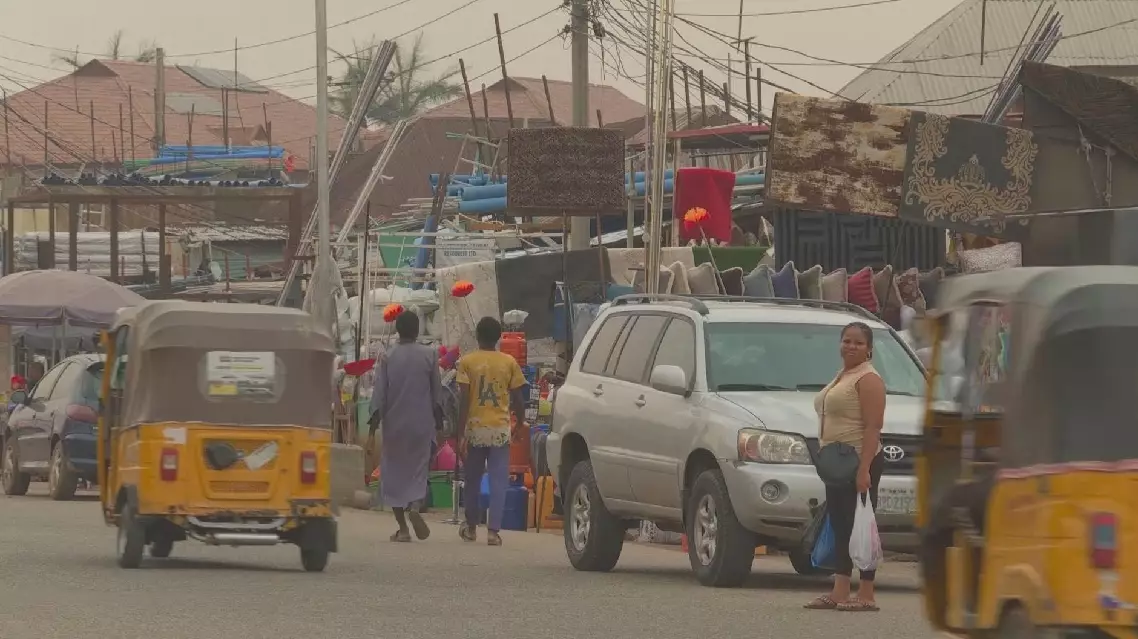
Fuel price hike triggers sharp increase of living cost in Nigeria