The meeting between Xi Jinping, general secretary of the Communist Party of China Central Committee, and Cheng Li-wun, chairwoman of the Chinese Kuomintang (KMT) party, which has garnered global attention, holds great significance in the current international context, said Jorge Malena, director of the Asian Affairs Committee at the Argentine Council for International Relations.
Invited by the CPC Central Committee and Xi, Cheng is the first KMT chairperson to have led a delegation to the Chinese mainland in the past decade.
"This meeting between the party leaders is particularly significant given that it comes after a 10-year hiatus. Why is it significant after 10 years? Because the international landscape has obviously changed. We are facing a new juncture marked by enormous uncertainty, especially considering the existing threats to peace and security. This meeting is crucial from the perspective of dialogue, peace, and the pursuit of peaceful reunification. The Chinese leaders prioritizes, first and foremost, the joint peaceful development of both sides of the Taiwan Strait," Malena said.
"The second key concept is the assertion that this peaceful development must be a collaborative effort between both sides of the Strait. This demonstrates China's position of rejecting all forms of external interference in this process," he continued.
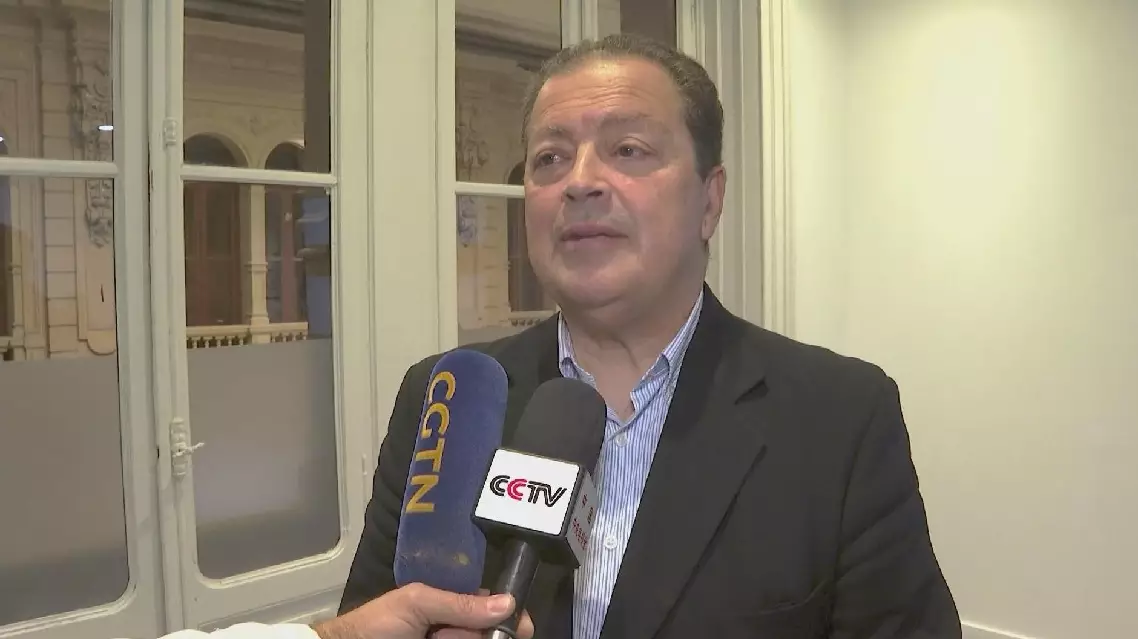
Argentine analyst highlights importance of meeting between Xi, KMT leader
Argentine analyst highlights importance of meeting between Xi, KMT leader
A member of the Political Bureau of Ansar Allah (the Houthi military group) on Thursday warned of an escalation in conflicts in the Middle East as Israel continued to carry out deadly strikes in Lebanon.
Talking to China Global Television Network (CGTN), Houthi political bureau member Ali Al-Dailami emphasized the group's support for other members of the Iran-led "Axis of Resistance," a regional coalition committed to countering Israel and includes militant groups like Hezbollah and Hamas.
"Coordination within the 'Axis of Resistance' is ongoing, especially since we are talking about American and Zionist hegemony, and this axis is based on resisting imperialism and resisting the Zionist occupation, so it continues. This coordination has already appeared in many moves, most recently what was announced by the military spokesperson Yahya Saree regarding joint operations between Iran, Hezbollah, and Yemen," said Al-Dailami.
"We are with the Islamic Republic of Iran, we are with the resistance, we are with Lebanon, we are with Palestine. This is a principled stance we cannot waver from, and it is also considered a red line. And this red line -- whoever tries to cross it, we will certainly confirm the other direction, which is the direction of the resistance: with Lebanon, with Palestine, with the Islamic Republic of Iran, with Iraq, and with all who resist American imperialism and Zionist occupation," said the official.
His remarks echoed the statement by Houthi leader Abdul-Malik al-Houthi, who said on Thursday that military operations would escalate in the coming period, warning of potential "surprise actions" in line with developments on the ground.
In a televised speech broadcast by the Houthi-run Al-Masirah TV, al-Houthi indicated that the group's campaign would enter a new phase marked by intensified activity and evolving tactics.
The Houthi leader highlighted his group's military role within what he described as coordinated regional efforts, stating that the Yemeni front had contributed to "joint operations with the Axis of Resistance," including missile and drone strikes targeting Israel.
A two-week ceasefire was announced early Wednesday by the United States and Iran. The office of Israeli Prime Minister Benjamin Netanyahu said Israel would comply with the truce but would continue military operations in Lebanon.
Prior to the ceasefire, the Houthis had launched missile and drone attacks against Israel starting on March 28 -- one month after the United States and Israel launched the current massive attacks on Iran -- in what they described as support for allied forces in Iran, Iraq, Lebanon and Palestine.
The group, which has controlled Sanaa and much of northern Yemen since late 2014, previously supported Iran during last year's 12-day conflict with the United States and Israel.
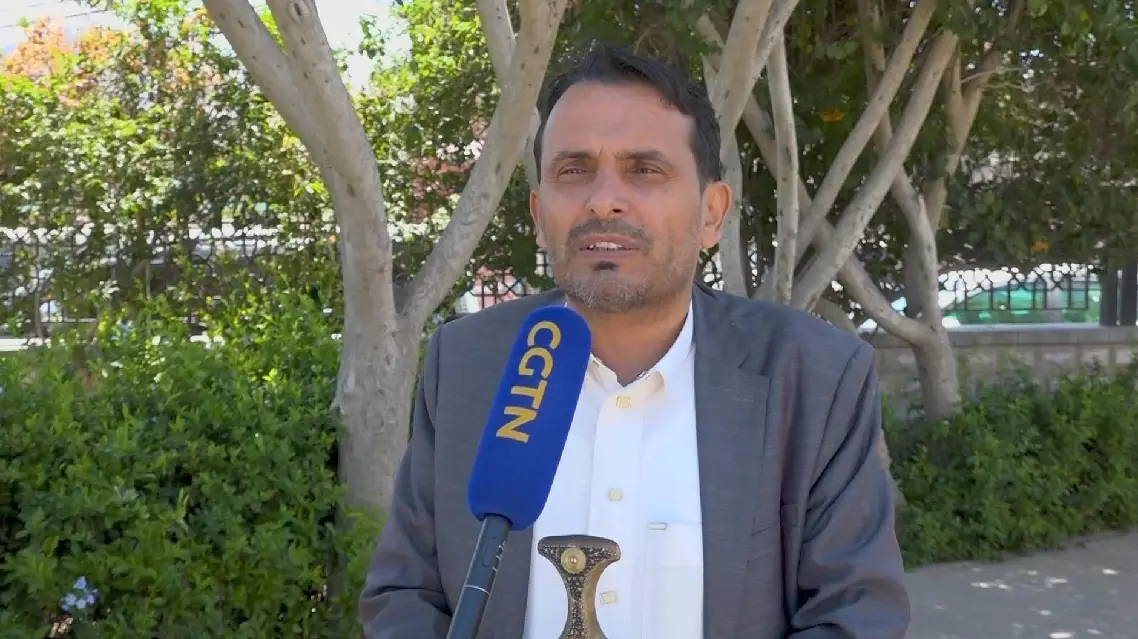
Houthi official warns of military escalation amid regional tensions