An AI-powered robotic capsule is changing stomach examinations in China.
RC100, developed by Chongqing-based medical equipment supplier Jinshan Science and Technology, is the world's first fully automated magnetically controlled endoscopy capsule.
Unlike conventional products, the RC100 system offers patients a less invasive, more precise examination. By combining AI analysis with magnetically controlled imaging, it enables real-time visualization of the entire gastrointestinal system after the simple ingestion of a capsule.
"This permanent magnet can control our capsule and make it rotate 360 degrees inside the stomach, enabling it to capture images of all areas of the gastric lumen. As you can see on this screen, it shows the general anatomy of the stomach," said Huang Lu, a technician at the Health Management Center of the First Affiliated Hospital of Chongqing Medical University.
In addition to the doctor's screen, the patient can also follow the procedure on a monitor attached to their waist.
"We are the first health management center in southwest China to introduce this equipment. It has been over a year, and we have treated more than 200 patients, whose feedback has been quite positive," said Yang Yang, chief nursing officer of the health management center.
After the examination, physicians can use an AI software to efficiently and accurately interpret the images, accelerating the generation of examination reports.
The company has also launched an upgraded version of the product for small intestine endoscopy, which has two cameras to offer more comprehensive and accurate imaging.
"Because compared to other market players, including a large, well-known, and methodical one, coming with a capsule powered by artificial intelligence brings enormous added value in relation to the acceleration and popularization of this type of market, especially for patients' cancer prevention," said Christophe Lehain, CEO of Asept InMed, a French company specializing in innovative medical devices.
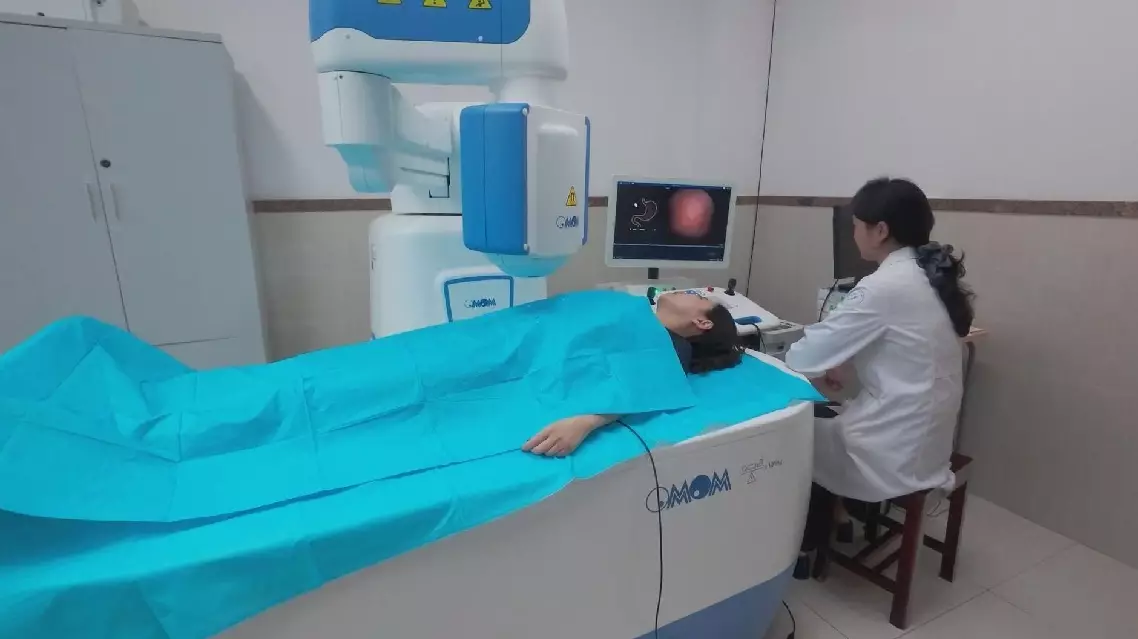
AI-powered capsule performs stomach exams in Chinese hospitals
China's port equipment operating rates posted significant increases in the first quarter of this year, reflecting strong resilience of the country's foreign trade backed by the competitiveness of its smart and novel export products.
In the period, the operating rates of ports nationwide rose both year on year and quarter on quarter.
Shen Chunfeng, a big data expert at iRootech, a pioneer industrial Internet of Things digital platform supplier, has noted the balanced structure of China's port layout.
"Generally speaking, major coastal ports are in leading positions, inland hubs are rising rapidly, and border ports are continuing to expand opening-up. China's regional opening-up structure is becoming more balanced," Shen said.
In the first quarter, the daily average throughput of goods and containers at ports across China rose by 2.4 percent and 8.5 percent, respectively, year on year.
Meanwhile, the total deadweight of departing and arriving cargo vessels at China's major ports grew by 9.6 percent and 5.4 percent from a year earlier.
Experts note that these figures, especially the higher growth rate of departing vessel deadweight, reflect the strong resilience of China's foreign trade amid a complex international political and economic landscape.
"This year, China has made notable progress in expanding exports to emerging markets, particularly Belt and Road partner countries. Foreign trade is expected to remain a solid pillar supporting China's economic growth this year," said Wei Ying, deputy director of the Big Data Development Department of the State Information Center under the National Development and Reform Commission.
The strong resilience can be largely attributed to China's competitive export products, which are becoming increasingly intelligent and innovative.
High-tech, high-value-added, green and low-carbon products are obviously playing a leading role in China's export, Wang Zhihua, director general of the Department of Foreign Trade of the Ministry of Commerce, said at a press conference in Beijing on Friday.
China's exports of the "new trio" -- electric vehicles, lithium-ion batteries and photovoltaic products -- surged 50.7 percent this year, serving as an important engine for the country's foreign trade growth, according to Wang.
New business forms such as cross-border e-commerce and bonded repair are also flourishing, Wang said.
Exports to Belt and Road partner countries have increased by 20 percent, while those to members of the Association of Southeast Asian Nations and the Europe Union have grown by 20.3 percent and 19.9 percent, respectively, said the official.
"The Ministry of Commerce will accurately address the urgent needs and difficulties of market entities, stabilize exports and expand imports with stronger commitment, greater efforts, and more concrete measures, and promote innovative trade development," Wang said.
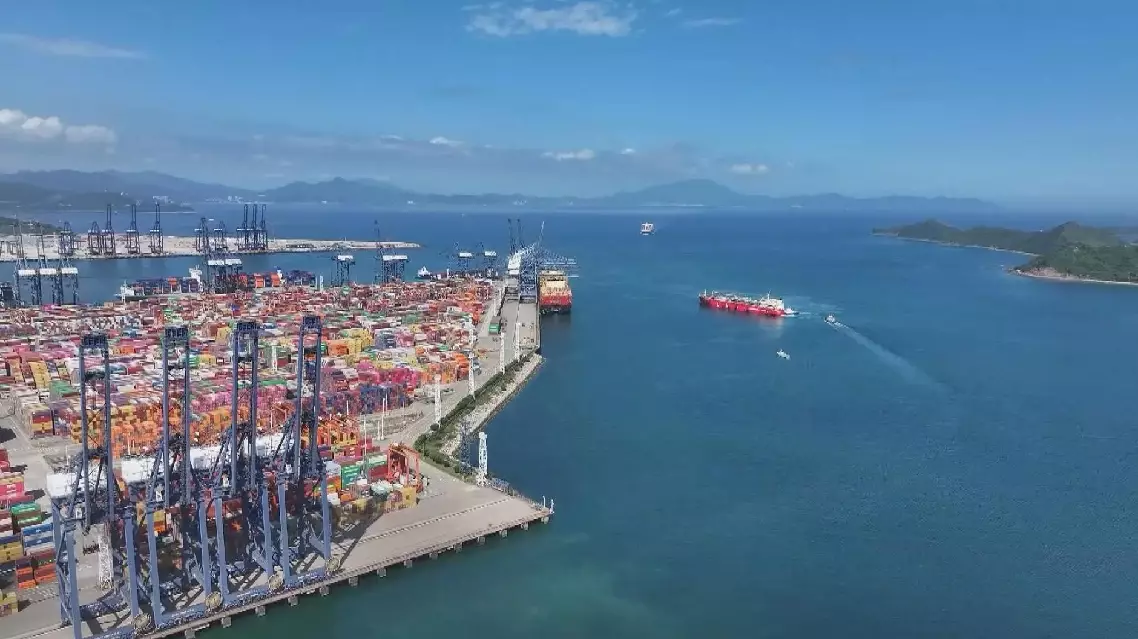
China’s foreign trade shows strong resilience in Q1 thanks to competitive export products
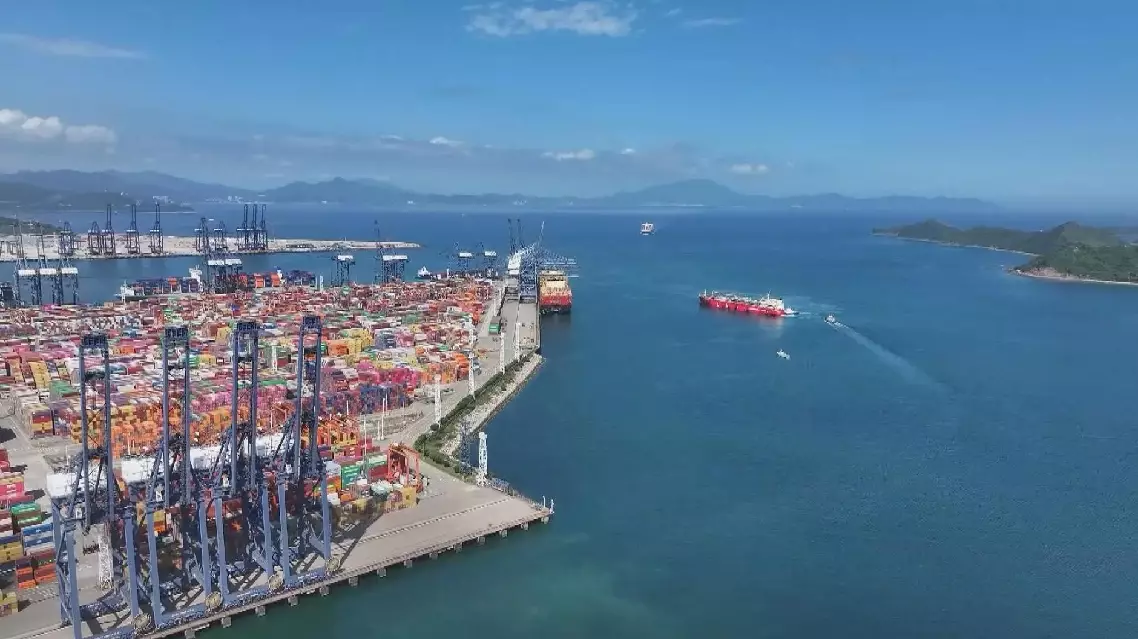
China’s foreign trade shows strong resilience in Q1 thanks to competitive export products