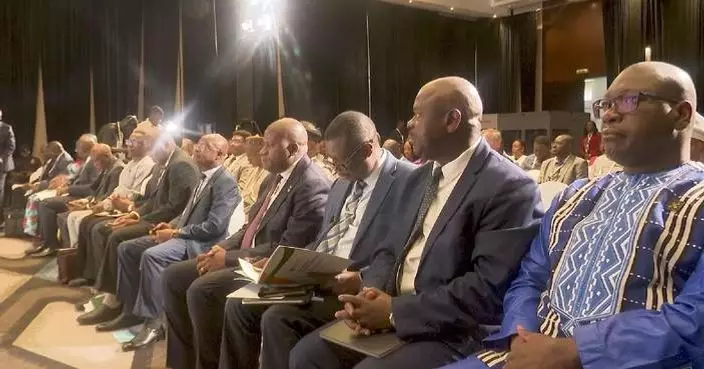
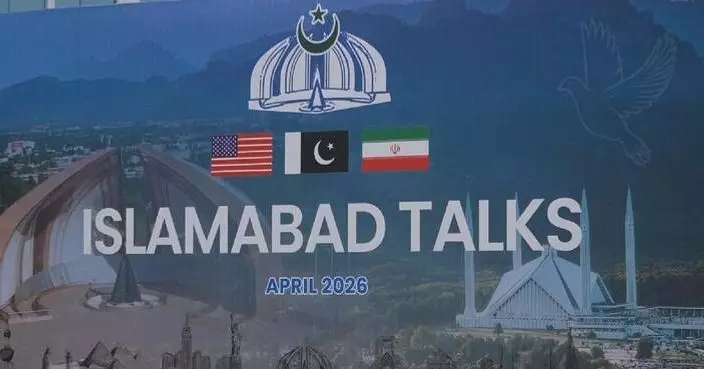
The United States and Iran concluded their third round of face-to-face negotiations in the Pakistani capital Islamabad early Sunday, with both sides exchanging written proposals but remaining sharply divided over three core issues.
The control of the Strait of Hormuz, the unfreezing of Iranian assets, and uranium enrichment remain major sticking points as a fragile two-week ceasefire window narrows, threatening to derail diplomatic efforts to prevent a wider conflict.
The talks, hosted by Pakistan, saw an intensive schedule: from Saturday to early Sunday, three rounds of negotiations were held back-to-back. However, as negotiations deepened, differences became more entrenched. The second round alone lasted about four hours, reflecting the complexity of the issues. Iranian media described the third round as a "last chance" to reach a framework agreement.
The most contentious issue remains the Strait of Hormuz, a vital waterway for global energy shipments. Iranian sources said Tehran rejected a U.S. proposal for "joint management" of the strait, insisting on retaining full control and the right to charge transit fees.
U.S. President Donald Trump has demanded the Strait be opened "soon" regardless of Iran's cooperation, calling it international waters. In response, Ebrahim Azizi, head of Iran's parliamentary committee on national security and foreign policy, stated that the Strait will only open with Iran's permission.
Another major point of divergence concerns frozen assets. An Iranian senior source claimed that the United States had agreed to unfreeze approximately six billion U.S. dollars of Iranian assets held in Qatar and other foreign banks, a key Iranian precondition linked to safe passage through the Strait. However, U.S. officials quickly denied any such agreement.
On the nuclear front, Trump has made clear that his delegation's top priority is ensuring Iran does not obtain nuclear weapons, with the White House calling the abandonment of uranium enrichment a "non-negotiable red line". Iran insists on maintaining a certain level of enrichment and demands the lifting of International Atomic Energy Agency restrictions.
While diplomats engaged in marathon talks, military tensions remained high. The U.S. military announced that two Navy destroyers had transited the Strait and begun mine-clearing operations in the Persian Gulf, a claim Iran's armed forces strongly denied, stating that passage rights are solely in Iranian hands.
Meanwhile, Israeli Prime Minister Benjamin Netanyahu vowed continued strikes against Iran and its proxies, with the Israeli military hitting over 200 Hezbollah targets in Lebanon in the past 24 hours.
The host nation, Pakistan, has extended media facilities for an extra day, signaling expectations of prolonged negotiations. With the temporary ceasefire window rapidly closing, the talks in Islamabad are seen as a critical moment to prevent a wider conflict, yet the path to any agreement remains fraught with obstacles.
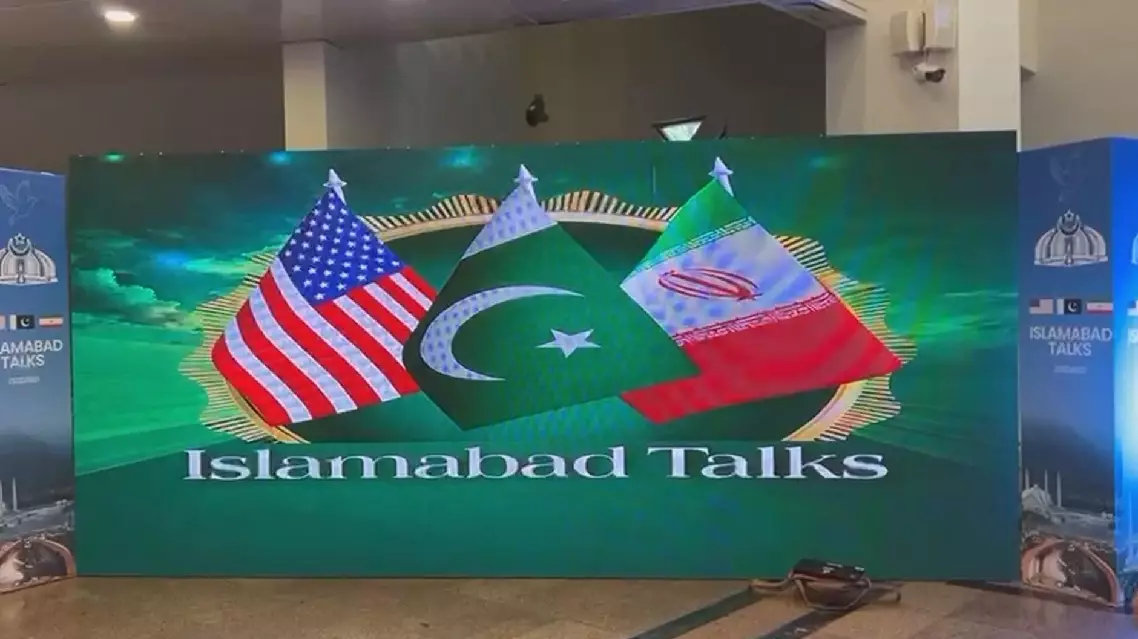
US-Iran talks in Islamabad end 3rd round with deep divisions over 3 key issues