A new shuttle bus route between southwest China's Yunnan Province and neighboring Laos was launched on Saturday, marking a significant breakthrough in cross-border transportation for both sides following the opening of the first direct bus service in November 2025.
Connecting Yunnan's Jinghong City in Xishuangbanna Dai Autonomous Prefecture and Laos' Ban Xang Khong village in Luang Prabang Province, the new route is about 280 kilometers and takes seven to eight hours for a one-way trip.
A direct trip between the two sides is scheduled every day, providing point-to-point services.
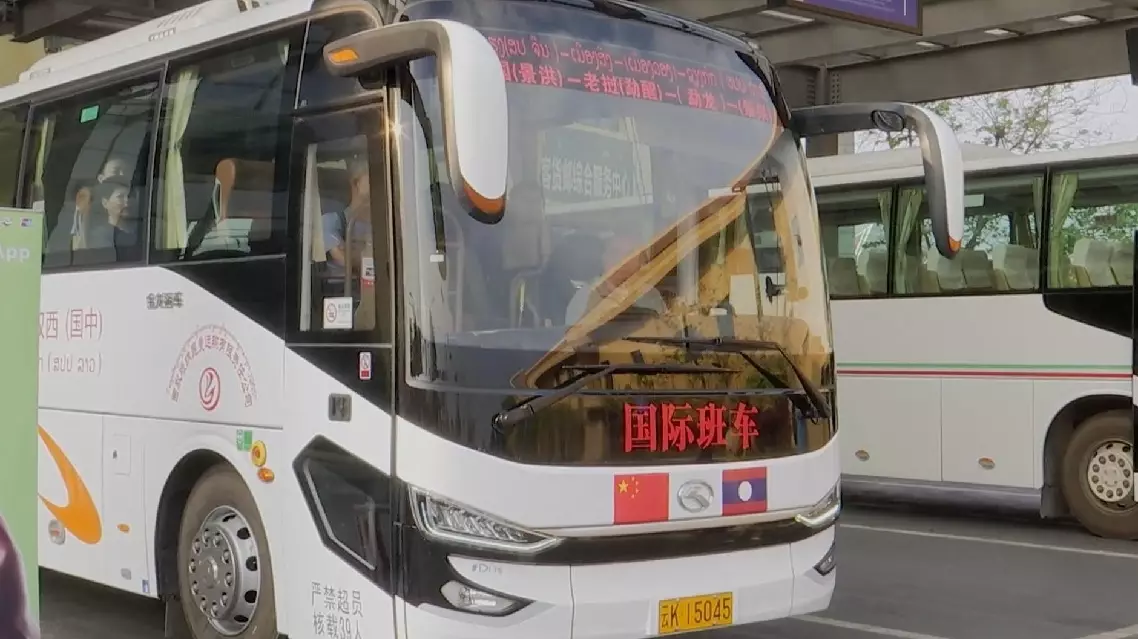
New China-Laos passenger transport route launched
Many protesters gathered outside the National Diet in Tokyo on Friday to protest against the government's moves to revise constitution and accelerate military expansion.
Holding placards and chanting anti-war, anti-constitutional revision and anti-military expansion slogans, the protesters demanded Japanese Prime Minister Sanae Takaichi to step down.
Protesters said that recent moves by the Japanese government, such as lifting its ban on lethal arms exports and pushing for the revision of its three security documents, have made them feel worried.
"The Japanese government should not pursue militarism. Instead, it should engage more in promoting peaceful relations -- that is, peaceful diplomacy. The fact that politicians are rushing in that direction for their own short-term interests is very frightening," said a protester.
"My hometown is in Shizuoka Prefecture. By the time I realized what was happening, Japan's Self-Defense Forces had already deployed weapons and missiles there. I really can't accept this. Instead of focusing on weapons, they should concentrate on people's basic needs: food, hospitals, and medical system. When I think about how gasoline, electricity, and gas bills will all go up, I feel anxious about the future," another protester said.
Protesters also said that Japan must face up to history and oppose the Takaichi administration's renewed push for constitutional revision.
"I oppose revising the constitution. [The Japanese government] is trying to erase various aspects of history. I believe the government's current moves are destroying the trust in Japan which has been built up over the years. I oppose constitutional revision," said a third protester.
"We should protect the two provisions of Article 9 of Japan's constitution. But now, Takaichi advocated including the Self-Defense Forces in the constitution. And some policies towards China are quite [unacceptable]. It has been made quite clear that we 'cannot have an army' and that 'we should focus on defense exclusively'. But those moves are no longer 'exclusively defense-oriented'. I feel a strong sense of crisis about this," said one more protester.
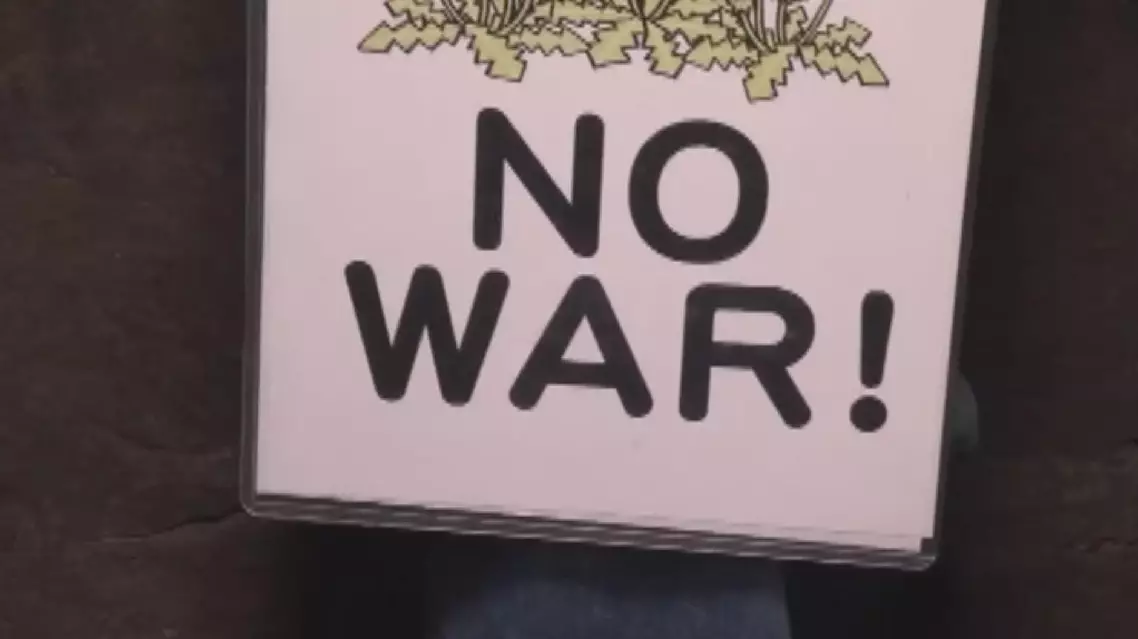
Japanese citizens gather in Tokyo to protest against military expansion, constitutional revision