The signing of a crucial memorandum of understanding (MoU) between Iran and the United States would help the UN nuclear watchdog resolve the nuclear issue, the International Atomic Energy Agency (IAEA) Director General Rafael Grossi said on Thursday.
Earlier on Thursday, U.S. media outlet Axios reported that U.S. and Iranian negotiators have reached an agreement on an MoU to extend the ceasefire by 60 days and launch talks on Iran's nuclear program, citing U.S. officials and a regional source. However, U.S. President Donald Trump has yet to give his final approval.
Iran's semi-official Tasnim news agency reported on the same day that a source close to Iran's negotiating team has denied that the text of the proposed MoU had been finalized, rejecting the claims in U.S. media.
In an exclusive interview with China Global Television Network (CGTN) in London, Grossi said that he would welcome the signing of the MoU as reported, as it would give the IAEA an opportunity to better understand the nuclear situation in Iran.
"We have been deeply involved in this situation, in trying to find an acceptable, peaceful diplomatic solution to the crisis around the nuclear program in Iran. So I think if this MoU is signed, it will be great news because, at least according to what is being announced, there will be 60 days to look into the nuclear aspects on which we have been working for a long time. So I think we have some ground that has already been covered in terms of what needs to be addressed in a nuclear agreement. So I hope to be able to make our contribution," the agency chief said.
He cautioned that a number of key issues regarding nuclear capabilities remain to be negotiated.
"We still see important areas of disagreement between the two sides. In particular, when it comes to the fate of the highly enriched uranium, which is still in Iran, and what kind of activities could possibly continue after that," Grossi said in an exclusive interview with China Global Television Network (CGTN) in London.
According to the Axios report, the proposed 60-day MoU would state that shipping through the Strait of Hormuz would be "unrestricted." A U.S. official was quoted as saying this would entail no tolls or harassment, and that Iran would be required to remove all mines from the strait within 30 days.
The MoU would reportedly include an Iranian commitment not to pursue nuclear weapons. It would also state that the first issues to be negotiated during the 60-day window will be how to dispose of Iran's highly enriched uranium and how to address Iranian enrichment.
The White House would, according to the report, commit to discussing sanctions relief and the release of frozen Iranian assets as part of the talks. It would also consider establishing a mechanism to facilitate Iranian access to goods and humanitarian supplies.
The Iranian source, rejecting the Axios account, stressed that if an agreement text is ultimately finalized, Iran will formally notify Pakistani mediators and make the matter public.
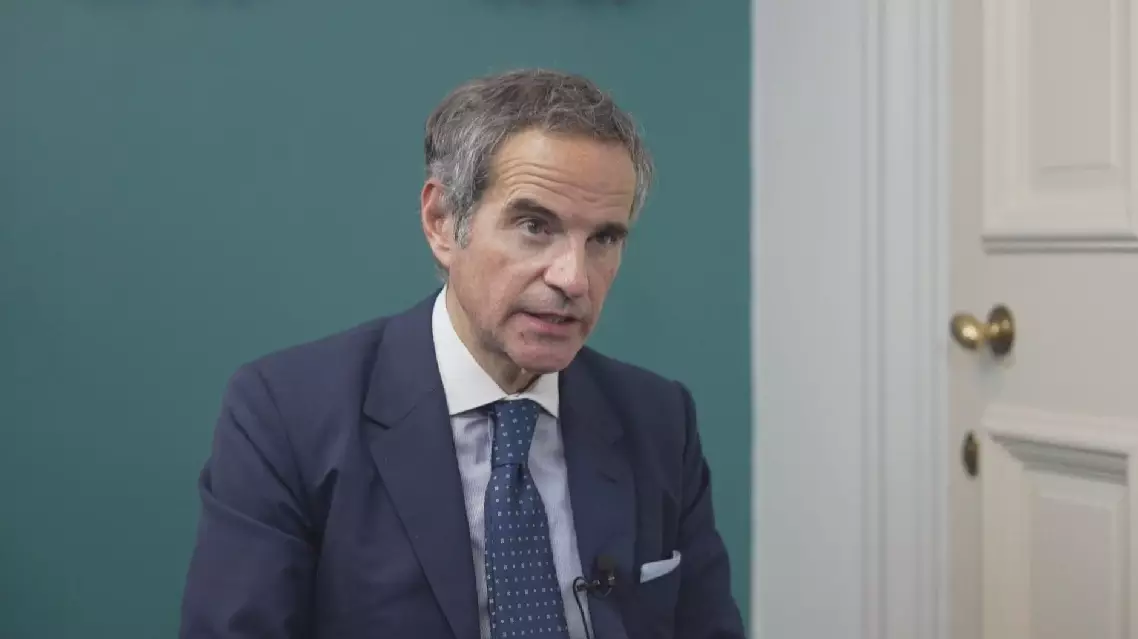
Sixty-day truce would allow agency to look into nuclear issue: IAEA chief
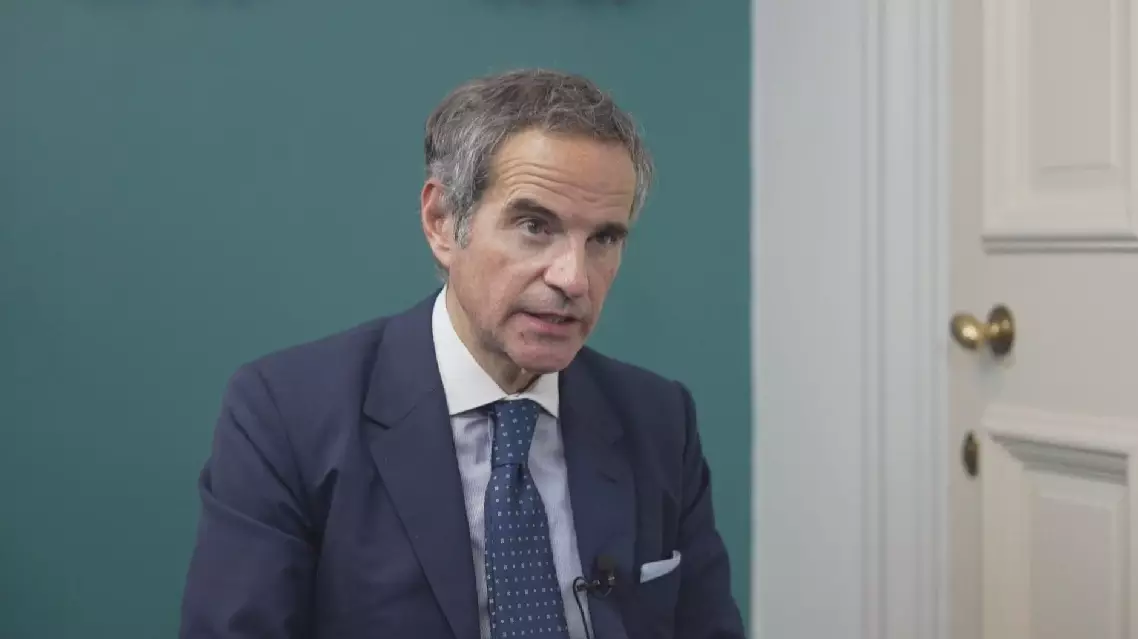
Sixty-day truce would allow agency to look into nuclear issue: IAEA chief