Iran will no longer tolerate persistent threats in talks with the United States and will set out clear demands for compensation for the damage it has endured from U.S.-Israeli strikes, an Iranian scholar said as he predicted the likely direction of negotiations between the two sides.
After a two-week ceasefire took effect last Wednesday, an initial 21-hour-long meeting between Iranian and U.S. representatives in the Pakistani capital Islamabad over the weekend failed to yield any agreement.
The U.S. said it had offered "extensive flexibility" and "good-faith negotiations" during the talks but saw no consensus reached, while Iran blamed "excessive demands" from the U.S. for blocking progress toward a common framework and agreement.
Despite this setback, Pakistan has now proposed hosting a new round of talks in the coming days, while calling for a 45-day extension of the current ceasefire, according to media reports on Tuesday.
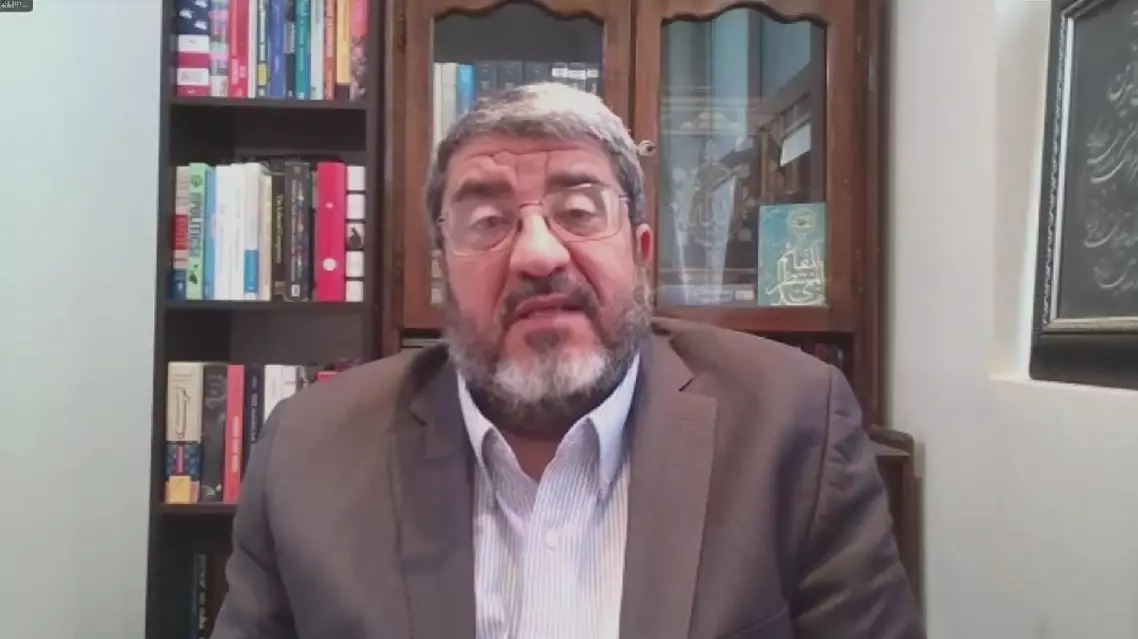
In an exclusive interview with the China Global Television Network (CGTN), Foad Izadi, an associate professor of the University of Tehran's Faculty of World Studies, shared his perspective on the requirements which could be laid out by the Iranian side.
He said the U.S. must return frozen assets to Iran, including those held in Qatar and other foreign banks, and should also stop trying to impose its will on others and undermining other nations' sovereignty.
"The Iranian side needs to make sure that the country is not attacked every few months. These assets, frozen assets belong to the Iranian people. They were blocked illegally. They need to return Iranian money to Iranians. They need to stop all these illegal sanctions on Iran. The economic sanctions on Iran are passed by the U.S. Congress, they are forcing companies internationally to follow U.S. law, which is against those countries' sovereignty," he said.
Izadi also pointed to the lack of trust in the United States that it will honor any diplomatic arrangements, noting how the U.S. has demonstrated in the past that it will take actions which go against the spirit of talks.
He cited how the recent crisis erupted on Feb. 28 when the U.S. and Israel launched its strikes on Iran just days after negotiations in Geneva had concluded between the two sides, and when more talks had been planned for the following week. It was reminiscent of the situation which unfolded last June, when the two sides had been engaged in talks only for Israel to launch a surprise attack on Iran and trigger the "12-day war," during which the U.S. bombed Iran's critical nuclear facilities.
Izadi stressed Iran will look to seek its own guarantees, potentially by leveraging transit routes through the Strait of Hormuz, a crucial shipping passageway which has become a focal point amid the current conflict.
"They need to make sure that Iran is compensated for all these damages that Iran has endured. And one way for the Iranian side to make sure that this compensation comes is through the transit fee that they will collect from the Strait of Hormuz. So they're going to make sure that that is going to be kept, in case the other side wants to do what the U.S. has done before, signing up agreements and then leaving those agreements, and attacking Iran," he said.
The current two-week ceasefire, which paused nearly 40 days of intense hostilities, is set to expire on April 22.
U.S. President Donald Trump claimed on Tuesday that the war against Iran is "very close" to completion, after saying that another round of U.S.-Iran talks "could be happening over next two days" in Pakistan, according to The New York Post.
Iran to demand compensation for damages, insist on guarantees from US side: expert