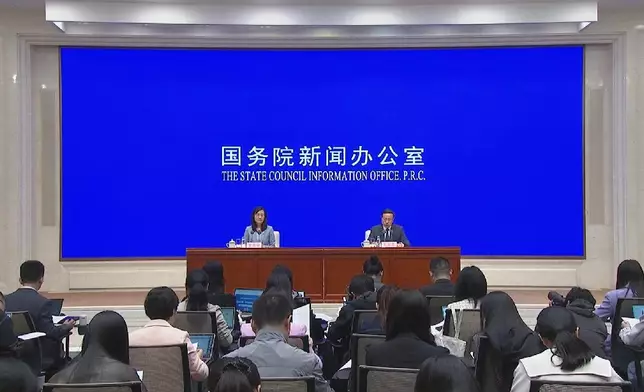
China's gross domestic product (GDP) grew 5 percent year on year in the first quarter of 2026, 0.5 percentage points faster than that of the fourth quarter of 2025, according to data released by the National Bureau of Statistics (NBS) on Thursday. Mao Shengyong, Deputy Commissioner of the NBS, briefed the media on the key economic indicators of the first quarter at a press conference in Beijing on Thursday.
"Preliminary calculations show that the GDP for the first quarter reached 33.4193 trillion yuan (about 4.9 trillion U.S. dollars), up by 5.0 percent year on year at constant prices, 0.5 percentage points faster than the fourth quarter of the previous year. By industry, the value added of the primary industry was 1.1941 trillion yuan, up by 3.8 percent year on year; that of the secondary industry was 11.6135 trillion yuan, up by 4.9 percent; and that of the tertiary industry was 20.6117 trillion yuan, up by 5.2 percent. On a quarter-on-quarter basis, the GDP grew by 1.3 percent in the first quarter," he said.
Click to Gallery
China's GDP expands 5 pct in Q1
China's GDP expands 5 pct in Q1
China's GDP expands 5 pct in Q1
China's GDP expands 5 pct in Q1
Mao said that in the first quarter, the growth of production and supply had accelerated, market demand continued to improve, employment was generally stable, market prices picked up moderately, and high-quality development advanced with new and positive momentum. He noted that the national economy got off to a good start, with development showing greater resilience and vitality.
China's GDP grew 5 percent year on year last year. The country has targeted 2026 growth at 4.5 to 5 percent and will strive for better in practice.
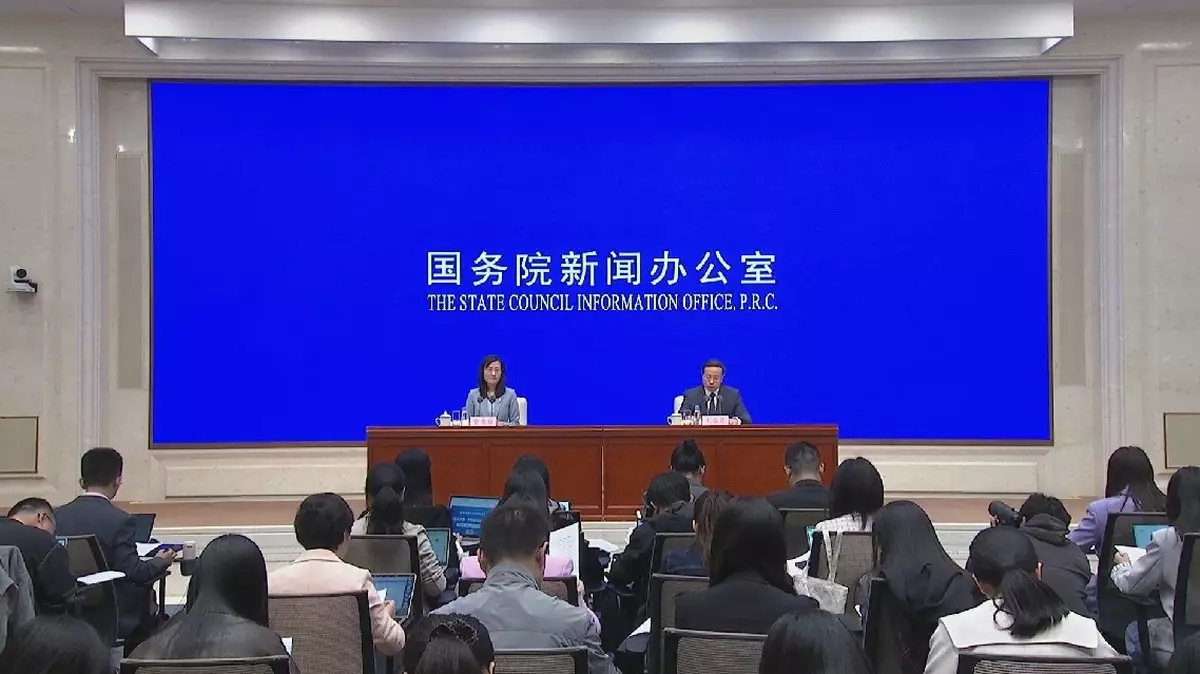
China's GDP expands 5 pct in Q1
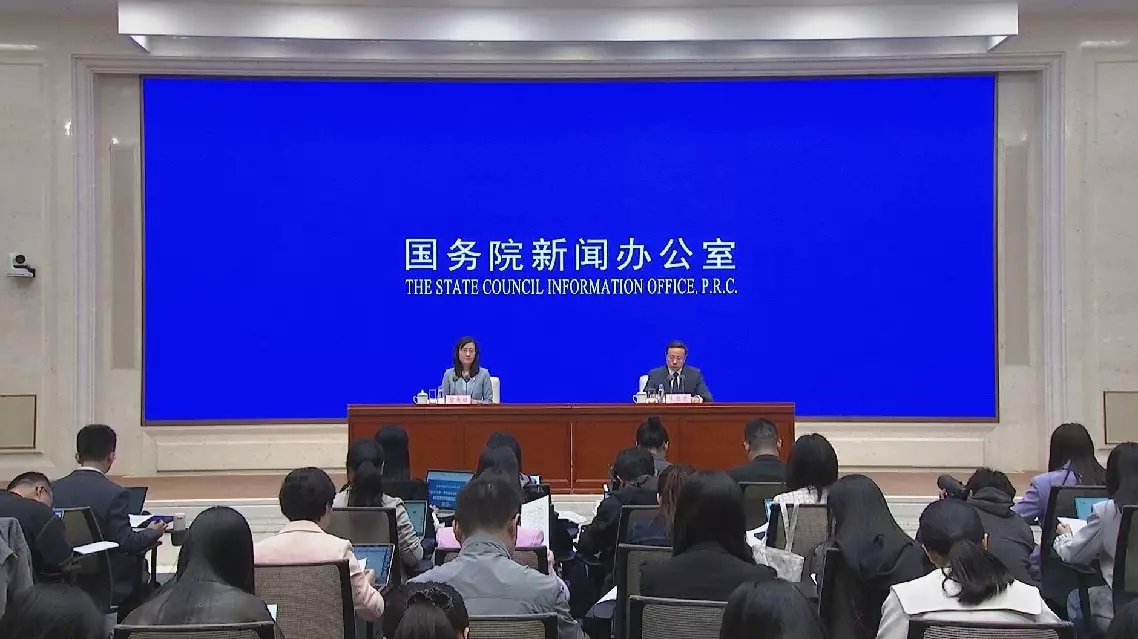
China's GDP expands 5 pct in Q1
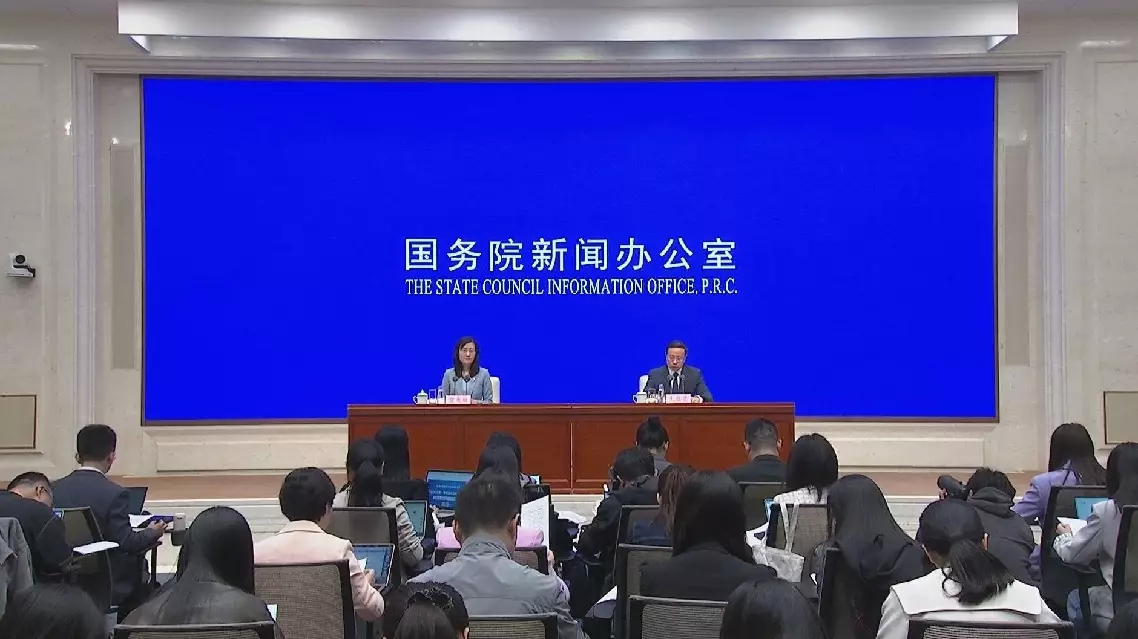
China's GDP expands 5 pct in Q1
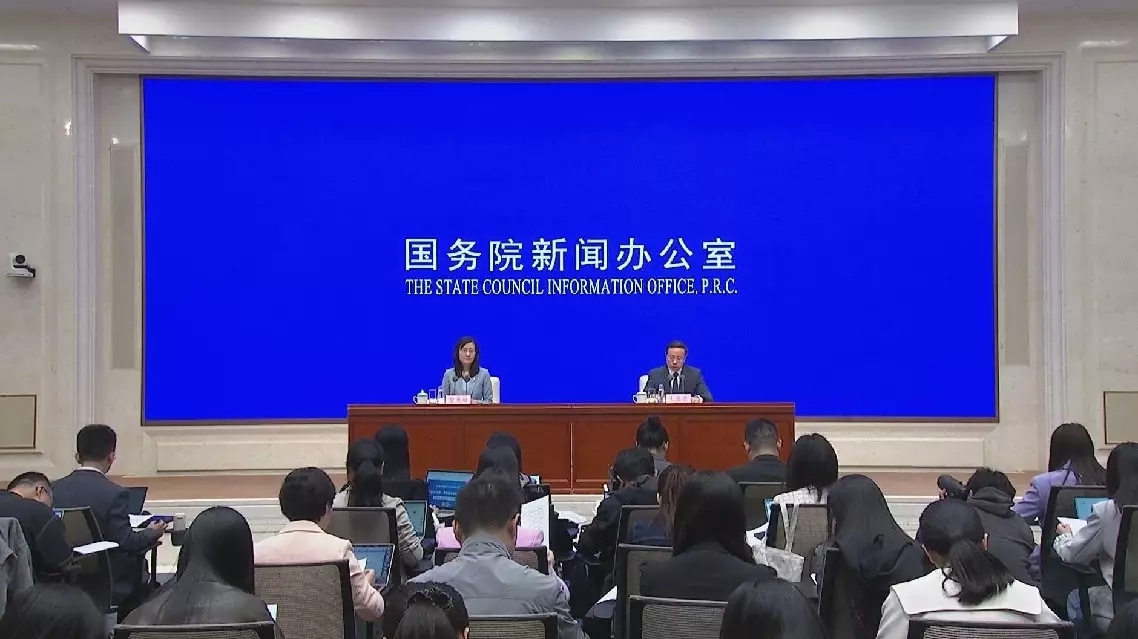
China's GDP expands 5 pct in Q1
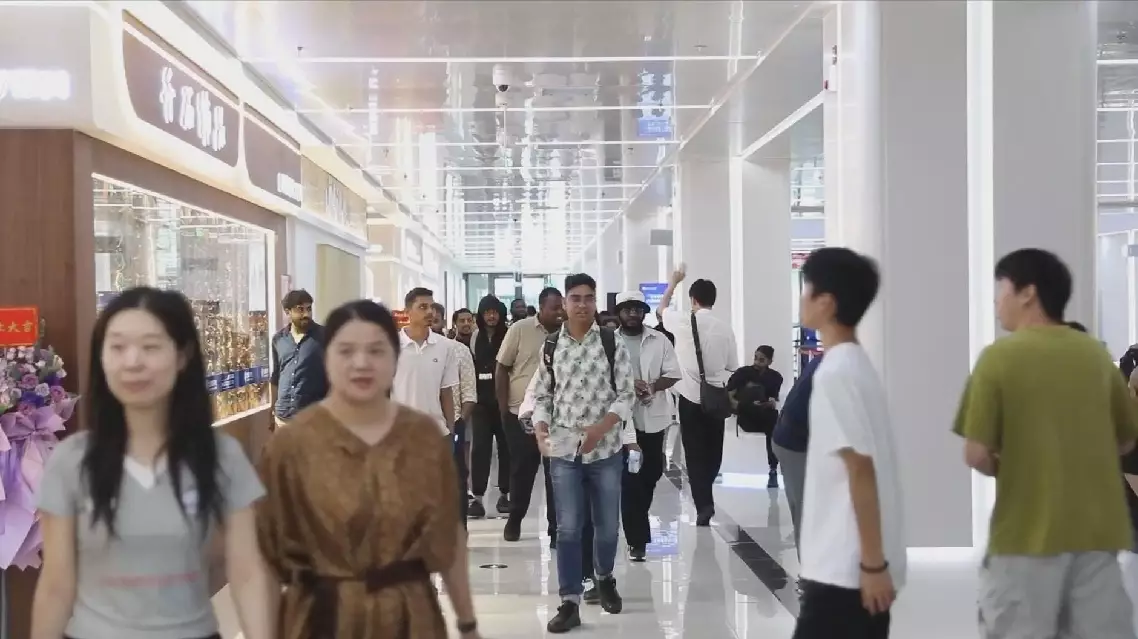
The ripple effects of tensions in the Middle East have now spread to the major eastern Chinese trading hub of Yiwu, a city famously known as "the world's supermarket," as companies and traders try to work around the disruption and rely on strong logistics networks across the region to keep business moving.
The Yiwu International Trade Market has become an important center for foreign trade, housing nearly 80,000 booths offering over two million types of commodities. However, the recent situation brought by the U.S.-Israeli war on Iran and the disruption it has caused to both shipping transport and air cargo is forcing some traders to take steps to mitigate the impact.
Zhang Shidan, a plastic household goods trader in Yiwu, said her company has been left with no choice but to raise product prices as transportation and insurance costs have surged due to escalating tensions in the Middle East.
"We will adjust prices after the stocks of most products run out. The prices are expected to rise by 10 percent," Zhang said.
The travel turmoil brought by the conflict has also created a headache for customers from the region who are trying to reach Yiwu themselves.
"We flew from Lebanon to Egypt, from Egypt to Dubai, from Dubai to Hangzhou. It's a long time. Because in [the main] Lebanon airport, only one company can fly -- a Middle East company -- so its expensive," said Heysam Yassine, a Lebanese buyer.
While making the trip from the Middle East to Yiwu has become more difficult, logistics companies with well-established supply chain networks across the region are helping to cushion the impact on trade and working to distribute goods as best as they can.
"We have 28 warehouses across 12 countries in the Middle East, so we have a relatively complete layout in the region," said Chen Fangfang, general manager of Safe Way Express Cargo, a logistics and cargo shipping firm.
Last year, the total value of Yiwu's exports reached over 100 billion U.S. dollars, with more than 14 billion U.S. dollars going to Middle Eastern markets.
Traders in Yiwu look to work around Middle East disruption, rely on strong logistics networks