China's motorcycle industry is expanding rapidly in global markets despite domestic regulatory restrictions, with Chongqing Municipality's complete and localized industrial chain serving as its core driving force.
In March 2026, domestic brand ZXMOTO claimed a breakthrough victory at the World Superbike Championship, shocking the global racing industry and marking a new milestone for Chinese motorcycle makers' top-tier global competitiveness.
This milestone is rooted in the mature manufacturing ecosystem of Chongqing, known as China's "motorcycle capital". While more than 100 major Chinese cities enforce strict restrictions on motorcycle use, the city is home to ZXMOTO and more than 50 other motorcycle manufacturers, producing one in every three motorcycles made in China.
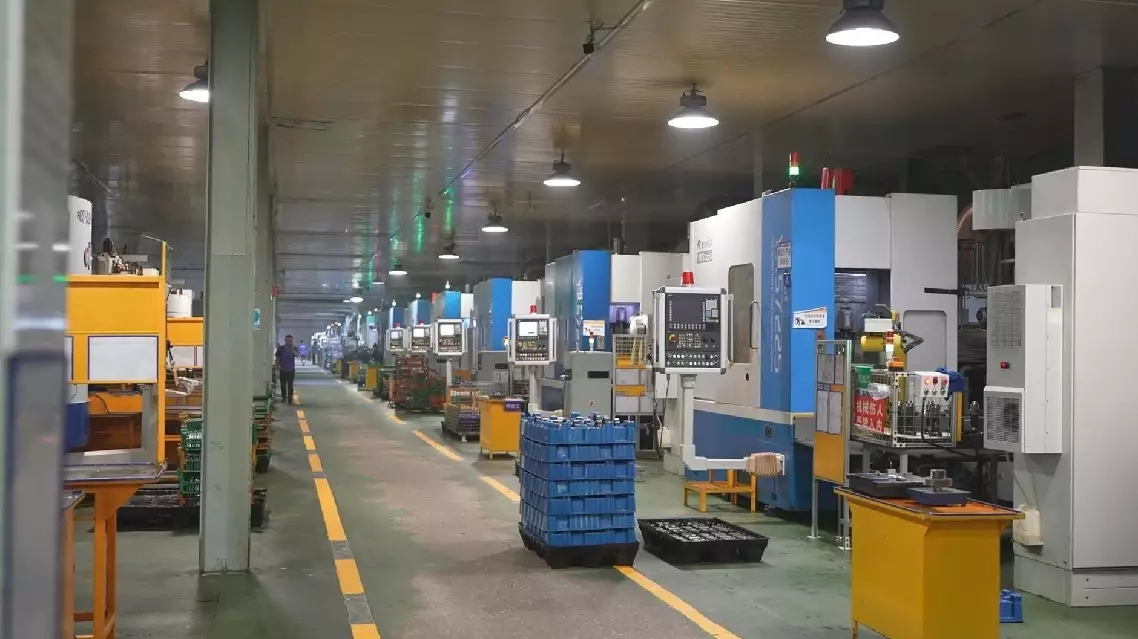
The city's core competitive edge comes from its highly integrated local supply chain. Qiutian Gear, a key ZXMOTO supplier and one of the world's largest motorcycle gear manufacturers, produces 300,000 units daily, with 60 percent of its output supplied directly to Chongqing-based manufacturers.
"Since [the] 1980s, Chongqing has developed a sophisticated and high-end motorcycle industrial chain. Today, 60 percent of the gears we produce are supplied directly to local manufacturers right here in the city. Out of our 160 plus suppliers, over 90 percent are based locally in Chongqing," said Yang Yuanming, chairman of the Labor Union at Qiutian Gear.
This robust industrial capacity delivered massive output in 2025, when Chongqing produced more than 7.8 million motorcycles, accounting for more than a third of China's total national output. Nearly 80 percent of these units were exported overseas, reflecting a nationwide trend in which 60 percent of China's total motorcycle sales in 2025 came from global markets, as long-standing regulatory restrictions continue to suppress domestic demand.
The stark contrast between the industry's booming global success and constrained domestic growth has fueled growing calls for policy reform about motorcycle use in people's daily life.
"I sincerely hope we can implement reform measures as soon as possible, gradually lifting the bans and restrictions on motorcycles and scrapping the mandatory 13-year retirement policy. This would provide people with more mobility choices and give the Chinese motorcycle industry the space it needs to thrive," said economist and motorcycle enthusiast Li Daokui.
As Chinese motorcycle brands cement their global standing, public calls are growing louder for domestic policies to keep pace with the country's fast-growing manufacturing prowess, with Chongqing's industrial chain remaining the backbone of the sector's ongoing global expansion.
China's motorcycle industry goes global, fueled by Chongqing's industrial chain