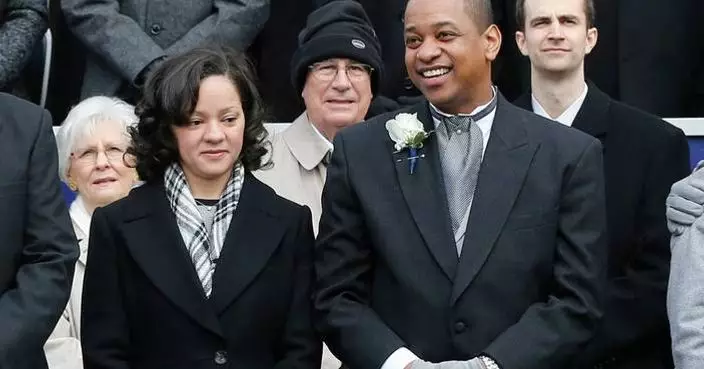
NEW YORK (AP) — A former New York City police sergeant can stay out of jail while he appeals his manslaughter conviction for tossing a picnic cooler at a fleeing suspect who then crashed his motorized scooter and died, a judge ruled Friday.
The decision by a state appellate court judge came a week after a lower-court judge sentenced Erik Duran to three to nine years in prison and sent him to jail immediately in the 2023 death of 30-year-old Eric Duprey.
Judge Saliann Scarpulla, of the mid-level Appellate Division, ordered Duran freed on $300,000 cash or bond and said he must surrender his passport to his lawyers, who will keep it until his appeal is over.
“This is a major win for Erik and his family and for law enforcement officers around the country,” said Vincent Vallelong, the president of Duran’s union, the Sergeants Benevolent Association.
A lawyer for Duprey’s family, Jon Roberts, said they were “deeply disappointed” by Scarpulla’s decision.
“While we respect the appellate process, this outcome reopens painful wounds for a family that has already endured an immense loss,” Roberts said. “Our focus remains on seeking accountability and ensuring that the seriousness of what occurred is never diminished.”
Duran, a 38-year-old married father of three, was the first former NYPD officer sentenced to prison for an on-duty death in at least two decades. At Duran’s sentencing, defense lawyer Andrew Quinn said he will forever be known as “the cooler cop.”
Duran lawyer Arthur Aidala asked the Appellate Division to intervene after the sentencing judge, Guy Mitchell, refused to grant the ex-sergeant bail. Duran spent the last week at the city’s notorious Rikers Island jail complex.
The ruling freeing Duran shows that the Appellate Division sees “legitimate appellate issues in Sgt Duran’s case,” and that is “he is not a flight risk nor a danger to the community,” Aidala said.
Duran was part of a narcotics policing unit that conducted a “buy-and-bust” operation in the Bronx on Aug. 23, 2023. Police said Duprey sold drugs to an undercover officer, then tried to flee on a scooter.
Testifying in his own defense at his trial in February, Duran said he was trying to protect other officers when he heaved the cooler full of ice and drinks at Duprey.
The container struck Duprey, who lost control of the scooter, slammed into a tree and crashed onto the pavement. Duprey was not wearing a helmet. He sustained fatal head injuries and died almost instantly, according to prosecutors.
Duprey’s death and Duran’s conviction have galvanized activists, some of whom have labeled him the “cooler killer,” and pro-police forces, who say locking him up sends the message that officers can lose their freedom for split-second decisions.
On Tuesday, the New York Islanders showed a message on the video board at their Long Island arena encouraging hockey fans to donate to Duran’s legal defense fund. The message included a QR code and a message from the Sergeants Benevolent Association, requesting fans join “the fight for justice.”
Vallelong said the fundraiser came together after someone at the New York Post informed him that the Islanders “wanted to do something” for Duran. The team also said it would direct 25% of proceeds from a 50/50 raffle to support Duran, the union said.
Roberts, the lawyer for Duprey’s family, said they were “deeply troubled" by the Islanders’ decision to "align themselves, even symbolically, with efforts that appear to support Sgt. Duran’s legal defense.”
“This was not a neutral act,” Roberts said. “It sends a message — intended or not — that risks undermining public confidence in a fair legal process and deepens the pain of a family still grieving.”
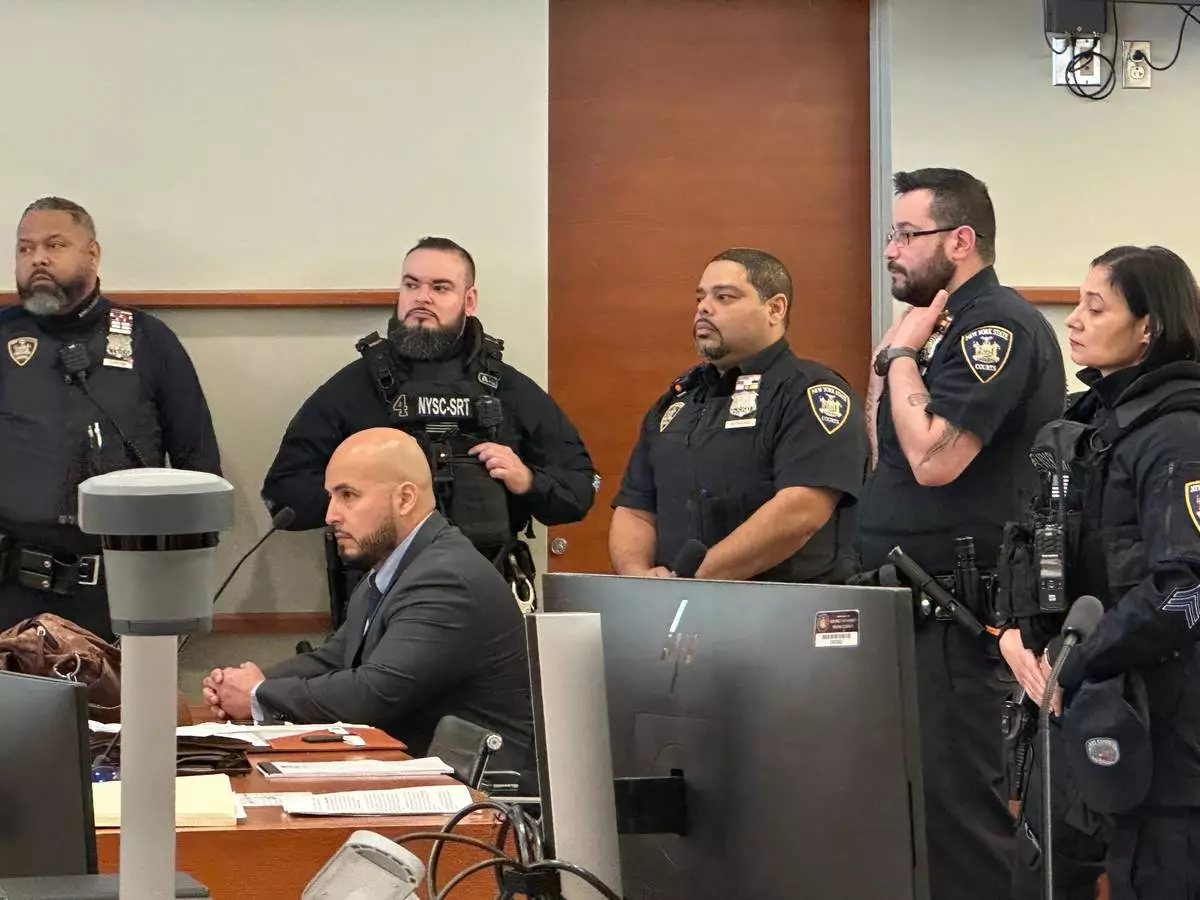
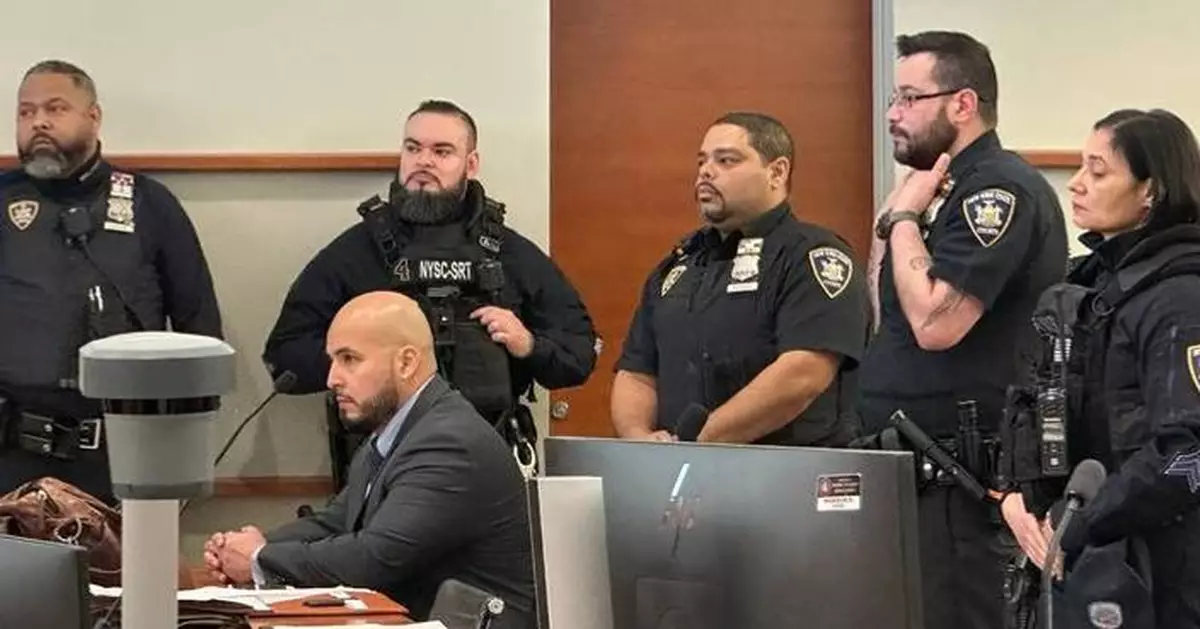
Former New York City police sergeant Erik Duran is seated during his sentencing hearing at the Bronx County Hall of Justice Thursday, April 9, 2026, New York, for tossing a picnic cooler full of drinks at a fleeing suspect, Eric Duprey, who then crashed his motorized scooter and died. (AP Photo/Michael R. Sisak)
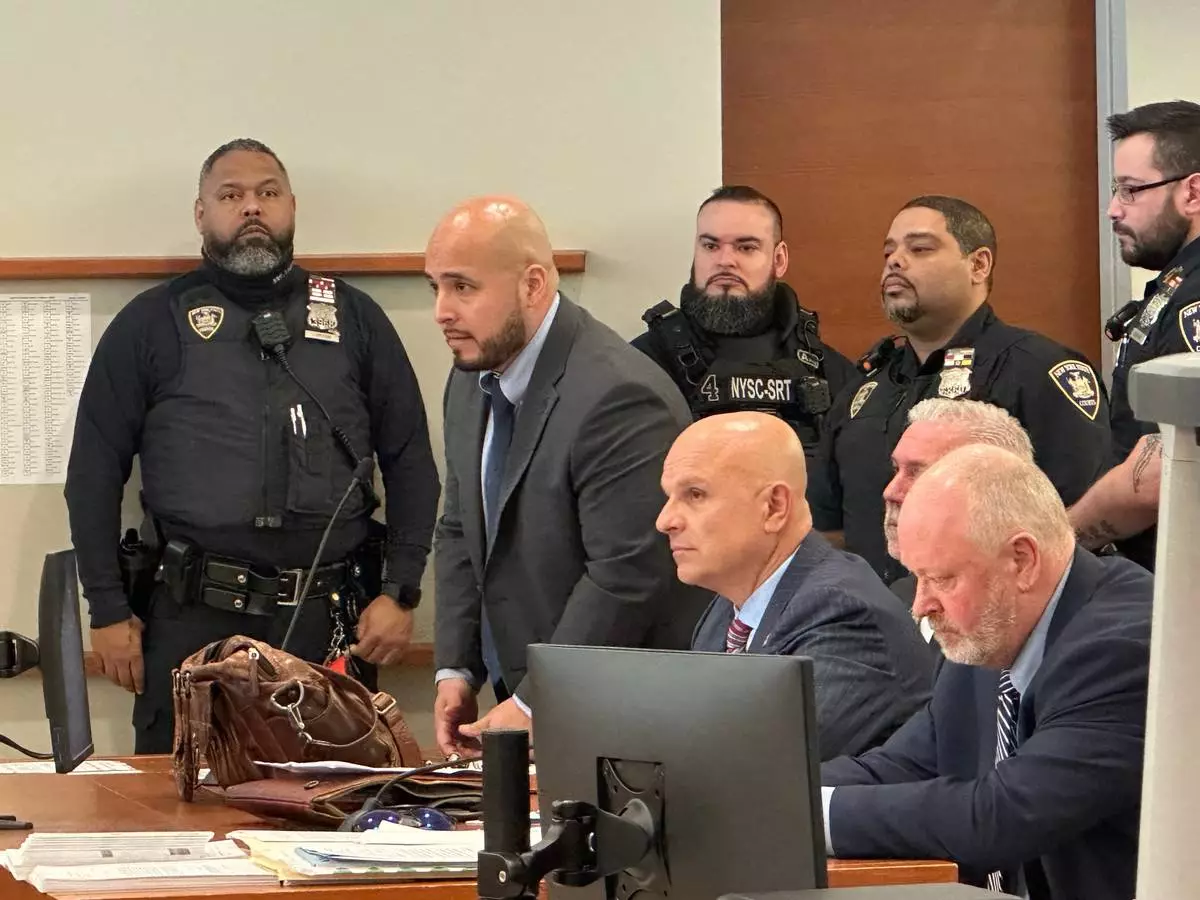
Former New York City police sergeant Erik Duran stands during his sentencing hearing at the Bronx County Hall of Justice Thursday, April 9, 2026, New York, for tossing a picnic cooler full of drinks at a fleeing suspect, Eric Duprey, who then crashed his motorized scooter and died. (AP Photo/Michael R. Sisak)
BEIRUT (AP) — A 10-day truce appeared to be holding in Lebanon early Friday, promising a pause in fighting between Israel and the Hezbollah militant group and possibly clearing one major obstacle to a deal between Iran and the United States and Israel to end weeks of devastating war.
But it remained unclear whether Israel would completely stop strikes on Hezbollah, and whether the militant group would recognize a deal it did not play a role in negotiating and which will leave Israeli troops occupying a stretch of southern Lebanon.
Barrages of gunshots rang out across Beirut as residents fired into the air just after midnight to celebrate the beginning of the truce, and displaced families began moving toward southern Lebanon and Beirut’s southern suburbs despite warnings by officials not to attempt to return to their homes until it became clear whether the ceasefire would hold.
U.S. President Donald Trump heralded the deal a “historic day for Lebanon,” even as he expressed confidence that the war with Iran would soon end in a Las Vegas speech.
“I will say the war in Iran is going along swimmingly,” Trump said. “It should be ending pretty soon.”
An end to Israel’s war with Hezbollah was a key demand of Iranian negotiators, who previously accused Israel of breaking the current ceasefire deal with strikes on Lebanon. Israel said that deal did not cover Lebanon.
Pakistan’s army chief met Thursday with Iran’s parliament speaker as part of international efforts to press for an extension of the ceasefire.
While oil prices fell on hopes of a deal, the head of the International Energy Agency warned that energy shocks could get worse if the Strait of Hormuz doesn’t reopen soon. Iran closed the crucial waterway, through which a fifth of the world’s oil normally passes, shortly after the war began. Europe has “maybe six weeks or so” of jet fuel left and broader economic consequences will grow the longer the strait is closed, IEA Executive Director Fatih Birol told The Associated Press on Thursday.
The leaders of France and the U.K. will gather dozens of countries — but not the United States — on Friday to push forward plans to reopen the strait.
The fighting has killed at least 3,000 people in Iran, more than 2,100 in Lebanon, 23 in Israel and more than a dozen in Gulf Arab states. Thirteen U.S. service members have also been killed.
Earlier, Israeli Prime Minister Benjamin Netanyahu said he agreed to the ceasefire “to advance” peace efforts with Lebanon, but he said Israeli troops would not withdraw.
Israeli forces have engaged in fierce battles with Hezbollah in the border area as they pushed into southern Lebanon to create what officials have called a “security zone.” Netanyahu, in his video address, said it will extend 10 kilometers (6 miles) into Lebanon.
“That is where we are, and we are not leaving,” he said.
Hezbollah has said that Lebanese people have “the right to resist” Israeli occupation of their land and that their actions “will be determined based on how developments unfold.”
The U.S. State Department said that according to the agreement, Israel reserves the right to defend itself “at any time, against planned, imminent or ongoing attacks.” But otherwise, Israel “will not carry out any offensive military operations against Lebanese targets, including civilian, military, and other state targets.”
Trump announced the agreement as a ceasefire between Israel and Lebanon, but a Hezbollah official said the ceasefire was a result of negotiations between the U.S. and Iran. The official spoke on condition of anonymity because he was not authorized to speak publicly.
Israel and Hezbollah have fought several wars and have been fighting on and off since the day after the start of the Gaza war. Israel and Lebanon reached a deal to end that war in November 2024, but Israel has kept up near-daily strikes in what it says is an effort to prevent the Iran-backed militant group from regrouping. That escalated into another invasion after Hezbollah again began firing missiles at Israel in response to its war on Iran.
The agreement came after a meeting between Israel's and Lebanon’s ambassadors in Washington and a flurry of subsequent phone calls from Trump and Secretary of State Marco Rubio, according to a White House official.
They were the first direct diplomatic talks between the two countries in decades. Hezbollah had opposed direct talks between Lebanon and Israel.
Trump spoke Wednesday evening with Netanyahu, who agreed to a ceasefire with certain terms, according to the official, who was not authorized to comment publicly and spoke on condition of anonymity.
Rubio then called Lebanon’s president, Joseph Aoun, who got on board. Trump then spoke with Aoun, and again with Netanyahu.
The State Department worked with both governments to formulate a memorandum of understanding for the truce.
Pakistan’s army chief met Thursday with Iran’s parliament speaker as part of efforts to press for an extension to a ceasefire that has paused almost seven weeks of war between Israel, the U.S. and Iran.
Even as the U.S. blockade on Iranian ports and renewed Iranian threats strained the ceasefire, regional officials reported progress, telling AP the United States and Iran had an “in-principle agreement” to extend it to allow for more diplomacy. They spoke on condition of anonymity to discuss sensitive negotiations.
Mediators are pushing for a compromise on three main sticking points: Iran’s nuclear program, the Strait of Hormuz and compensation for wartime damages, according to a regional official involved in the mediation efforts.
Trump suggested the ceasefire could be extended.
“If we’re close to a deal, would I extend?” Trump said in an exchange with reporters. “Yeah, I would do that.”
Lidman reported from Tel Aviv, Israel. AP journalists Matthew Lee and Ben Finley in Washington, Samy Magdy in Cairo and Munir Ahmed in Islamabad contributed to this report.
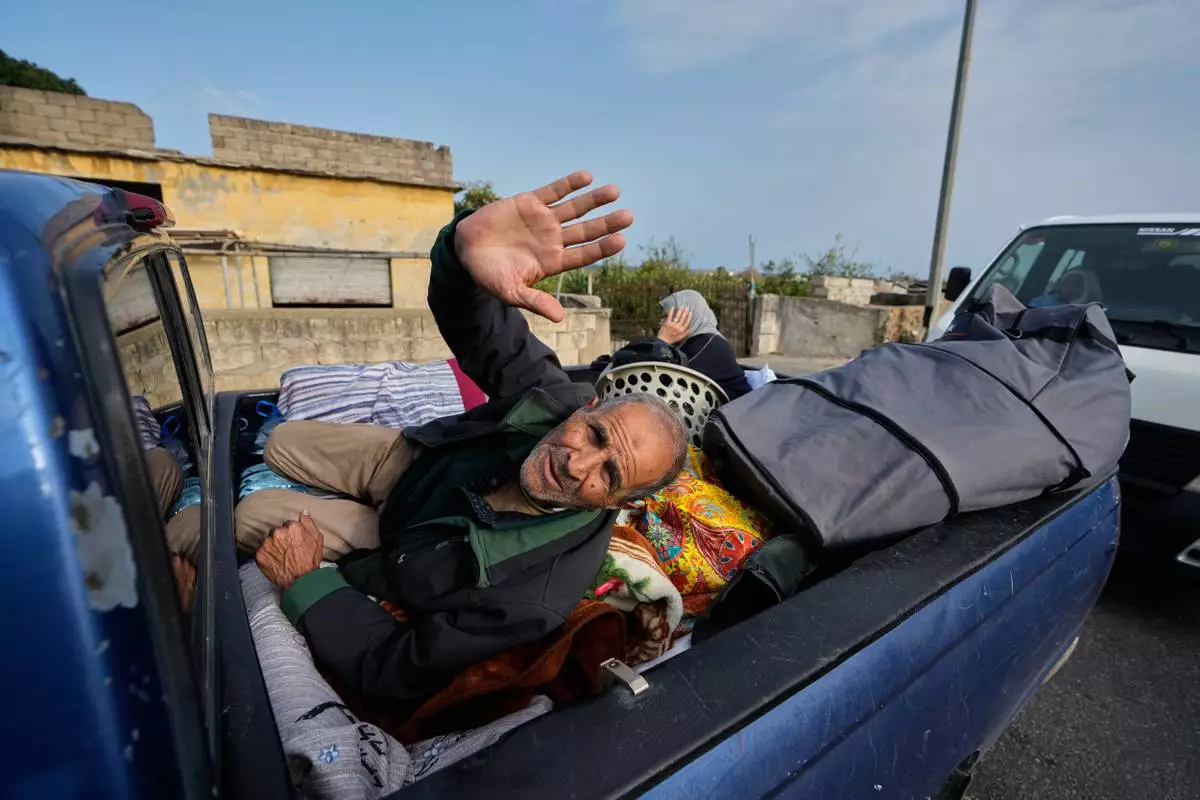
A displaced man gestures lying over belongings on a mini pickup, in Qasmiyeh near Tyre city, south Lebanon, as he returns with his family to their village following a ceasefire between Hezbollah and Israel, Friday, April 17, 2026. (AP Photo/Mohammed Zaatari)
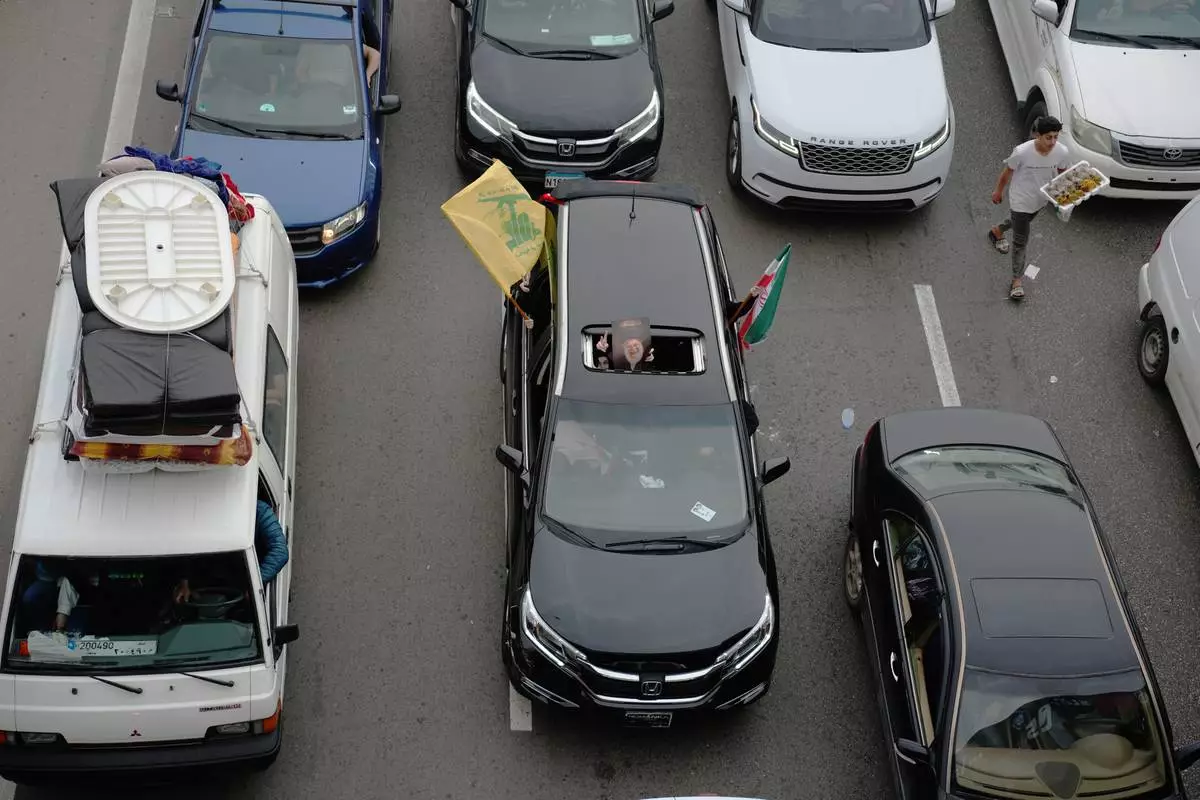
Displaced residents drive back to their villages following a ceasefire between Israel and Hezbollah, in Jiyeh, near Saida, southern Lebanon, Friday, April 17, 2026. (AP Photo/Hassan Ammar)
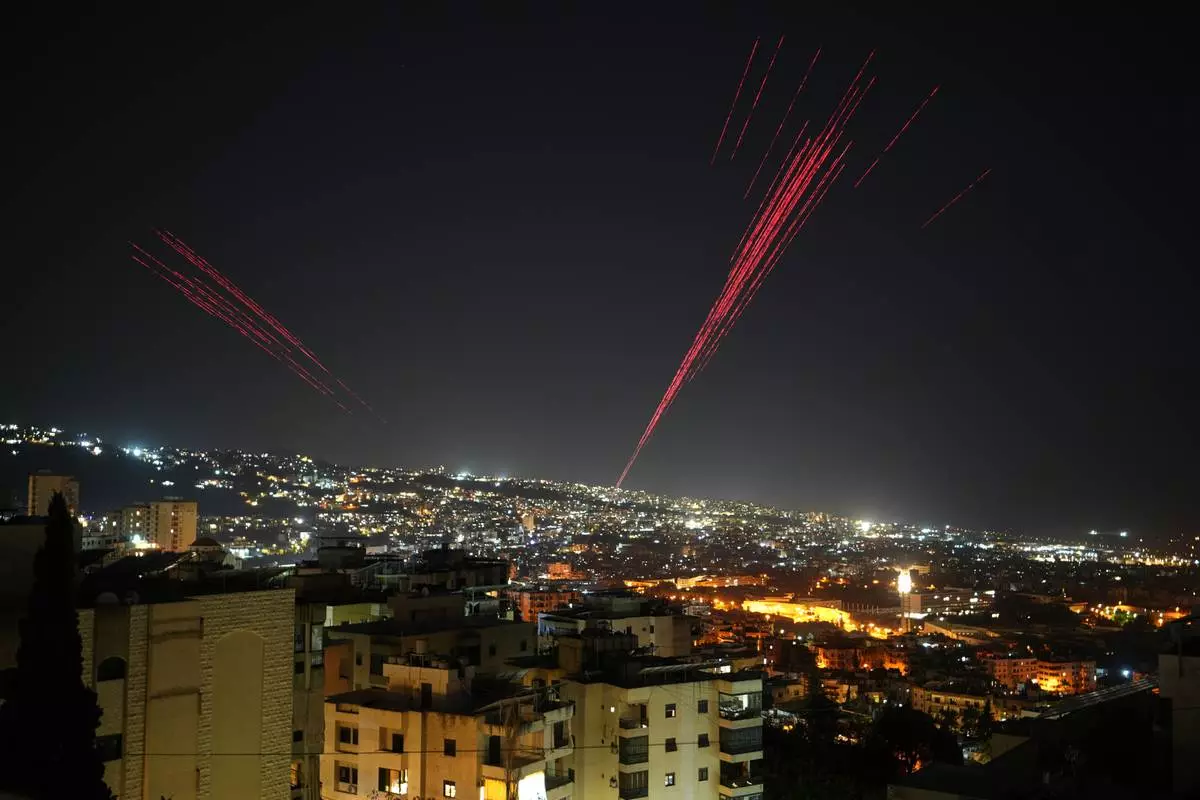
Tracer rounds illuminate the night sky as people fire live ammunition and fireworks into the air following a ceasefire between Israel and Hezbollah, in Beirut, Lebanon, early Friday, April 17, 2026. (AP Photo/Hassan Ammar)
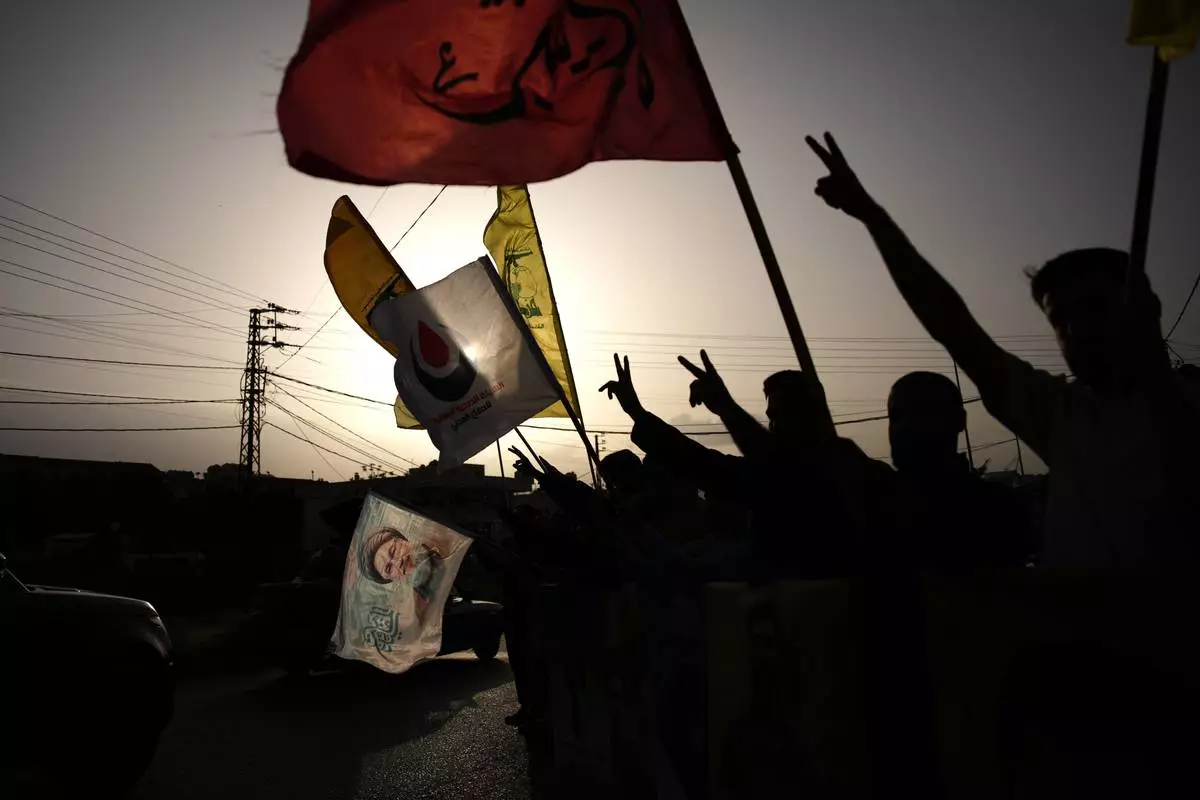
People wave Hezbollah flags and an image of late Hezbollah leader Hassan Nasrallah, in Zefta, southern Lebanon, Friday, April 17, 2026, as displaced residents drive back to their villages following a ceasefire between Israel and Hezbollah. (AP Photo/Hassan Ammar)
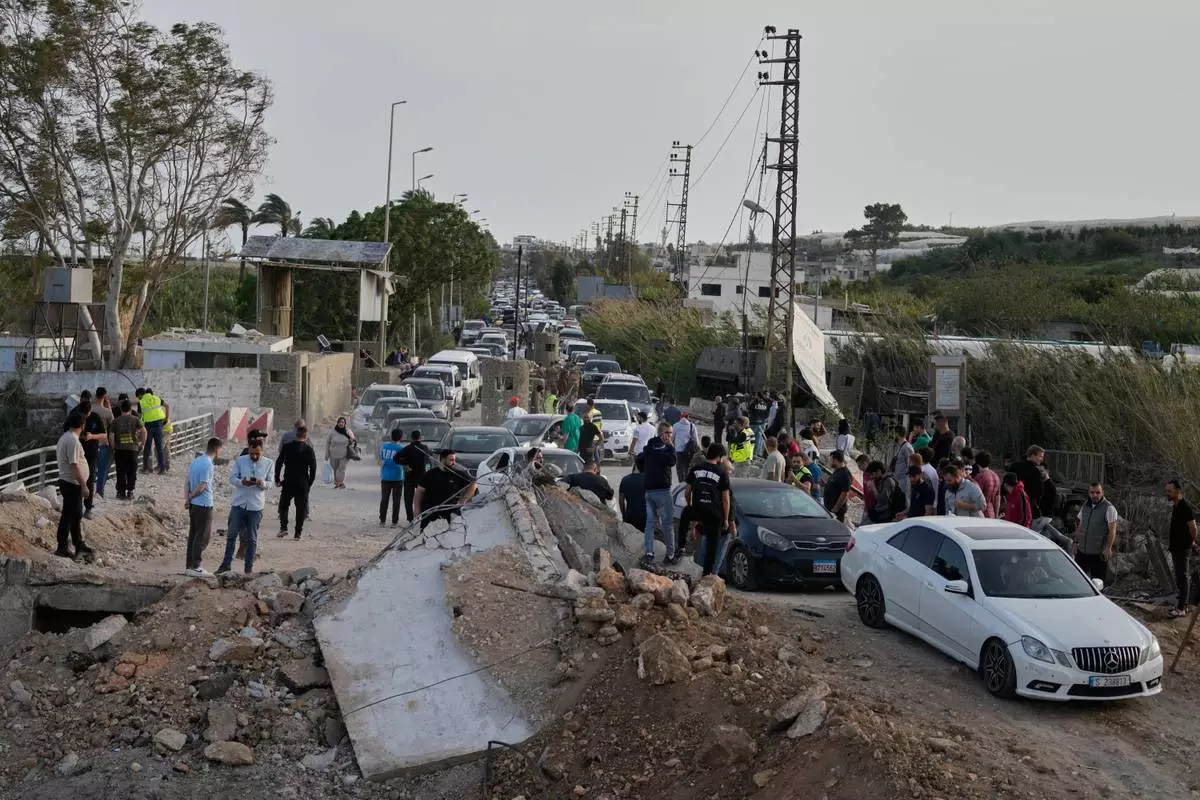
Displaced people returning to their villages following a ceasefire between Hezbollah and Israel, cross the destroyed Qasmiyeh bridge near Tyre city, south Lebanon, Friday, April 17, 2026. (AP Photo/Mohammed Zaatari)
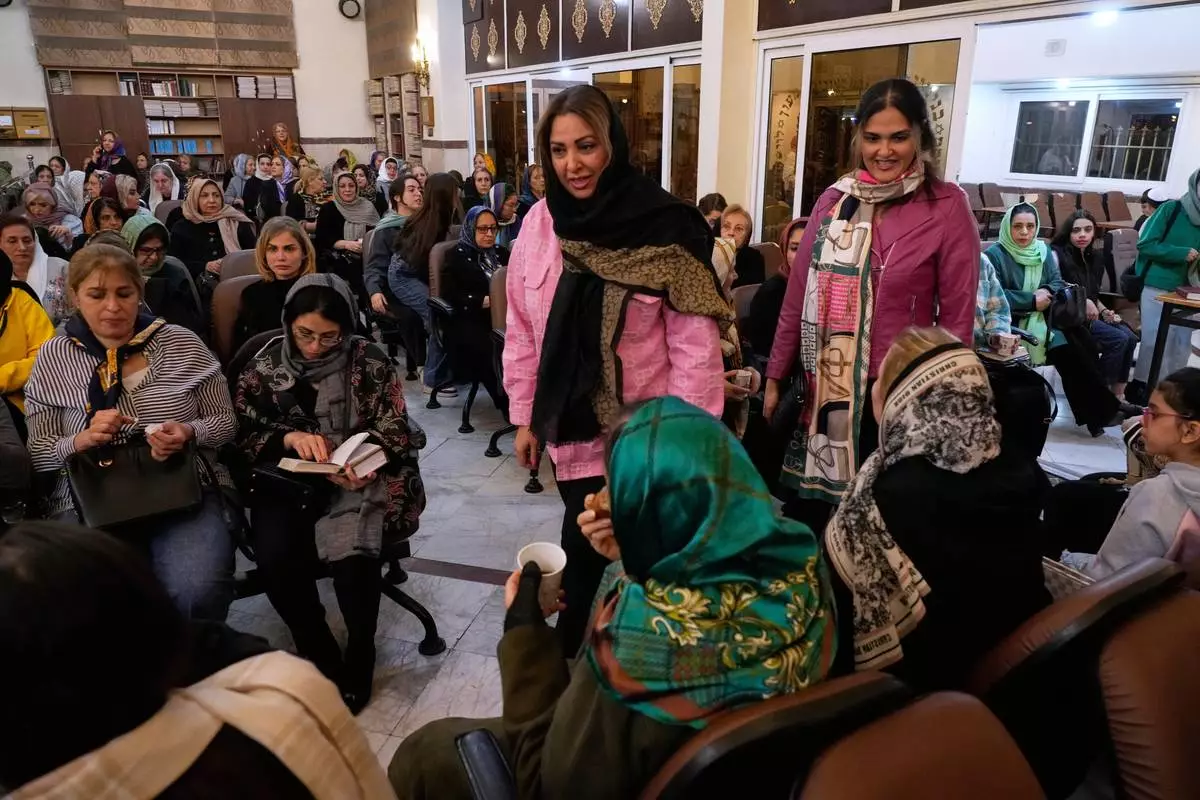
Iranian Jews attend a memorial for the slain Iranian Supreme Leader Ayatollah Ali Khamenei and other victims, who were killed in the U.S. and Israel strikes, at Yousefabad Synagogue, in Tehran, Iran, Thursday, April 16, 2026. (AP Photo/Vahid Salemi)
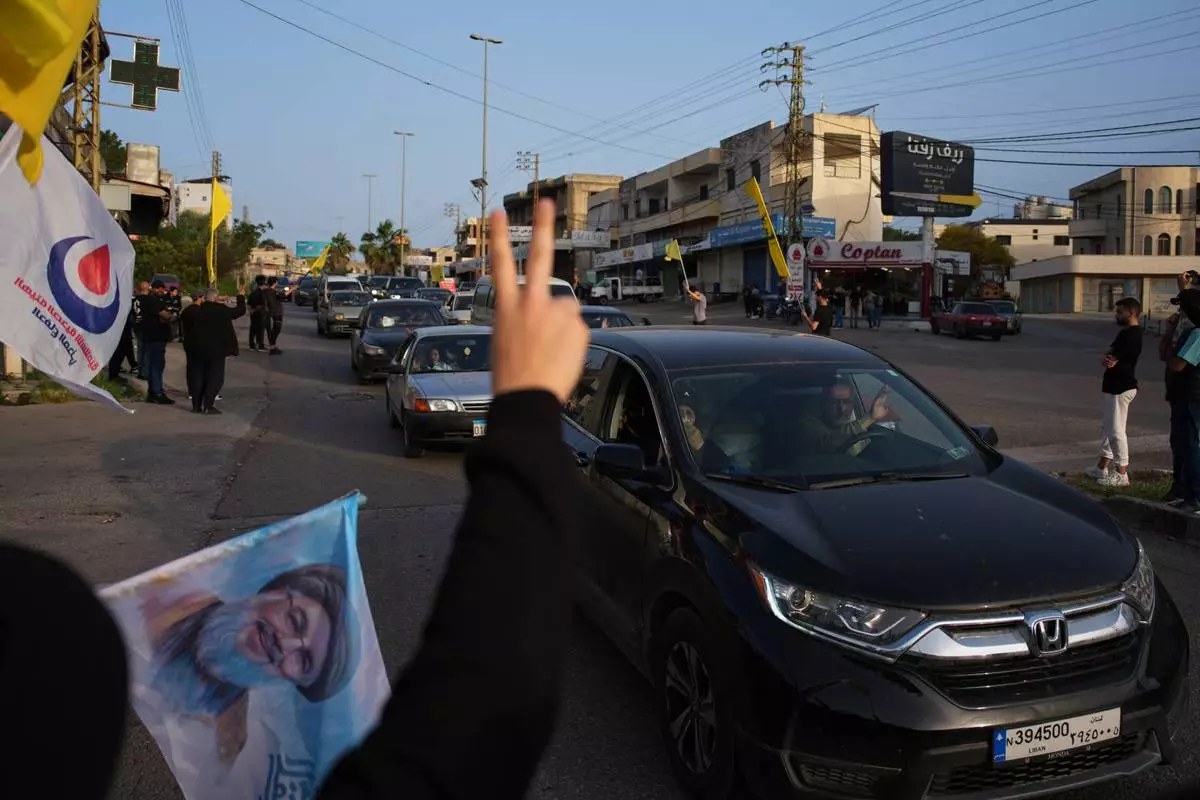
Displaced residents drive back to their villages as locals wave Hezbollah flags and an image of late Hezbollah leader Hassan Nasrallah, in Zefta, southern Lebanon, Friday, April 17, 2026, following a ceasefire between Israel and Hezbollah. (AP Photo/Hassan Ammar)