BOSTON--(BUSINESS WIRE)--Apr 17, 2026--
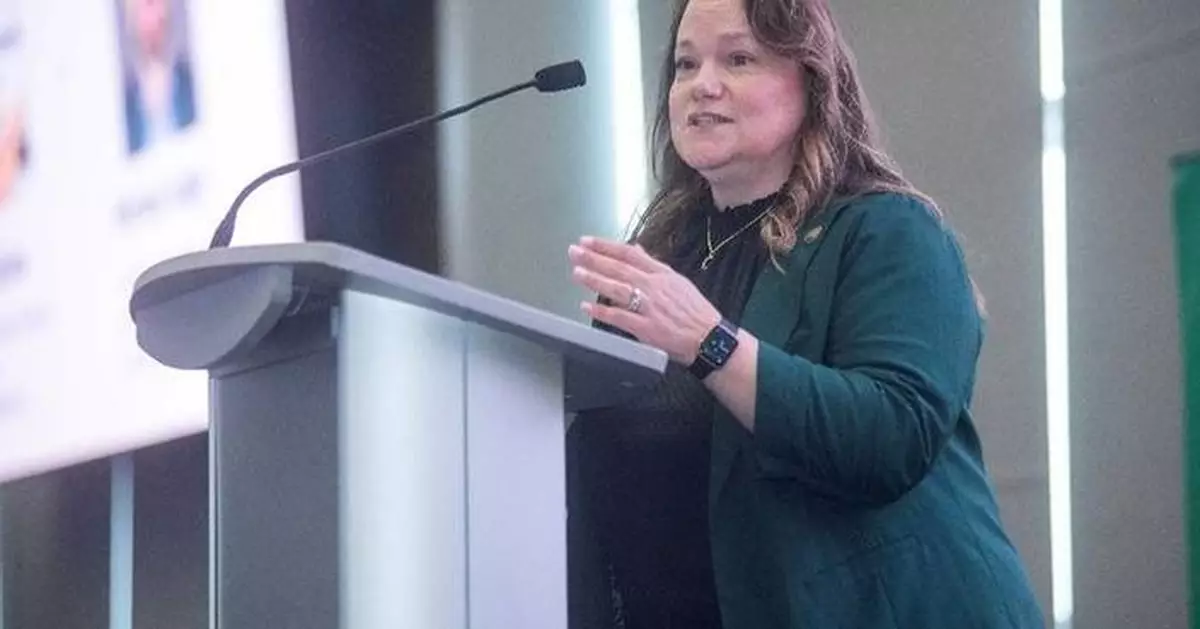
Avangrid, Inc., a leading energy company and member of the Iberdrola Group, announced it was recognized as a 22 nd Annual Team Massachusetts Economic Impact Award winner by MassEcon, the state’s private sector partner in promoting business growth in Massachusetts. The award recognizes Avangrid’s outstanding contributions to the Massachusetts economy. Avangrid Deputy CEO Kimberly Harriman accepted the awards on behalf of Avangrid at the Economic Impact Awards ceremony at Gillette Stadium on Thursday, April 16, 2026.
This press release features multimedia. View the full release here: https://www.businesswire.com/news/home/20260417363706/en/
“Massachusetts has been an essential partner to Avangrid, and it has been a privilege to work alongside leaders across the Commonwealth to deliver NECEC and Vineyard Wind 1,” said José Antonio Miranda, Avangrid CEO. “These transformational projects, which are a testament to the vision and leadership of Chairman Galán and Iberdrola Group CEO Pedro Azagra, show what’s possible when there is a commitment to tackling big challenges. Together, we’ve brought 2,000 megawatts of new, affordable energy to the grid, a quarter of the Commonwealth’s total energy needs, strengthening reliability, creating thousands of skilled jobs, and driving long lasting economic benefits.”
“Massachusetts has long set the pace for energy innovation, and we’re helping turn that vision into reality,” said Kimberly Harriman, Avangrid Deputy CEO. “As we continue advancing critical energy solutions, we’re delivering real, measurable value for communities across the Commonwealth – from new, reliable energy on the grid to local jobs and investment. This recognition also belongs to the skilled men and women who built the infrastructure that will power Massachusetts for decades to come.”
In 2026, Avangrid completed the New England Clean Energy Connect (NECEC) transmission line, bringing hydropower to Massachusetts, and Vineyard Wind 1, the first large-scale offshore wind farm in the United States, generating power off the coast of Martha’s Vineyard. Together, these two energy projects will deliver 2,000 megawatts of energy to Massachusetts, approximately 25% of the Commonwealth’s total electricity demand, and enough to power more than 1 million homes and businesses.
Avangrid was honored for its efforts to strengthen the Commonwealth’s ability to compete in the global economy in recognition of its flagship energy projects in the region.
Avangrid also won gold in the Southeastern category, specifically recognizing the Company’s economic contributions to the southeastern region of Massachusetts. Avangrid will serve as the long‑term operations and maintenance provider for Vineyard Wind 1, operating out of its Tisbury headquarters and marine terminal on Martha’s Vineyard.
Vineyard Wind 1 has created 3,700 jobs in Massachusetts, including 1,400 union jobs, the majority located in Southeastern communities like New Bedford. The project tapped into the strength of local suppliers across the region, including businesses in Barnstable, Falmouth, Fairhaven, New Bedford, Sandwich, and Somerset. In total, the project has contributed $1.9 billion to the Massachusetts economy.
“Avangrid delivered projects in recent months that will fundamentally support the economic competitiveness of Massachusetts,” said MassEcon's CEO & Executive Director Pete Abair. “We recognize and celebrate the transformative impact of their flagship energy infrastructure projects in strengthening the Commonwealth’s ability to compete in the global economy.”
Avangrid was one of 13 companies selected out of thousands statewide for this year’s awards. Winners are chosen based on job growth, expansion and investment, community engagement, and commitment to equality opportunity.
About Avangrid: Avangrid, Inc. is a leading energy company in the United States working to meet the growing demand for energy for homes and businesses across the nation through service, innovation, and continued investments by expanding grid infrastructure and energy generation projects. Avangrid has offices in Connecticut, New York, Massachusetts, Maine, and Oregon, including operations in 25 states with approximately $50 billion in assets. Avangrid owns and operates seven electric and natural gas utilities, serving more than 3.4 million customers in New York and New England. It also owns and operates nearly 100 energy generation facilities across the United States producing more than 11 GW of power for over 3 million customers. Avangrid employs approximately 8,500 people and was named among the World’s Most Ethical Companies in 2026 for the eighth consecutive year by the Ethisphere Institute. Avangrid is a member of the group of companies controlled by Iberdrola, S.A. For more information, visit http://www.avangrid.com
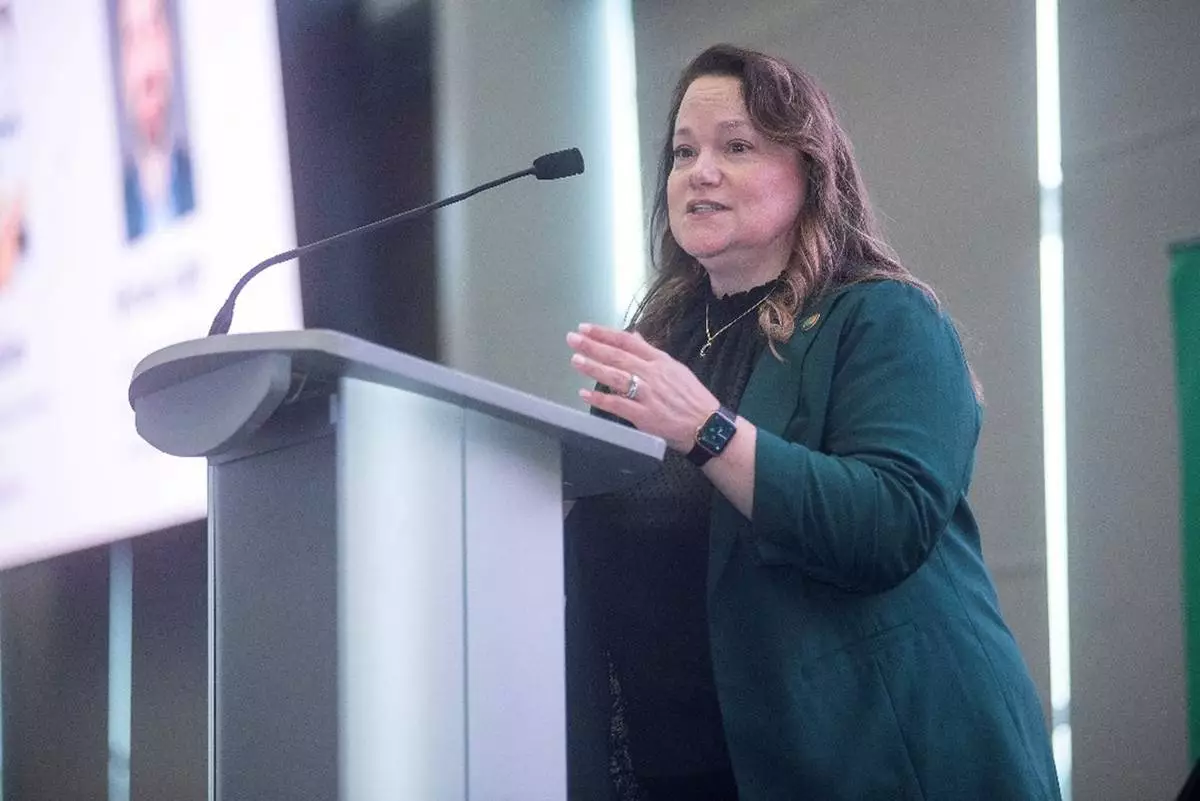
Pictured: Avangrid Deputy CEO Kim Harriman accepting awards at Economic Impact Awards Ceremony. Photo Courtesy of MassEcon.
BEIRUT (AP) — A 10-day truce appeared to be holding in Lebanon early Friday, promising a pause in fighting between Israel and the Hezbollah militant group and possibly clearing one major obstacle to a deal between Iran and the United States and Israel to end weeks of devastating war.
But it remained unclear whether Israel would completely stop strikes on Hezbollah, and whether the militant group would recognize a deal it did not play a role in negotiating and which will leave Israeli troops occupying a stretch of southern Lebanon.
Barrages of gunshots rang out across Beirut as residents fired into the air just after midnight to celebrate the beginning of the truce, and displaced families began moving toward southern Lebanon and Beirut’s southern suburbs despite warnings by officials not to attempt to return to their homes until it became clear whether the ceasefire would hold.
U.S. President Donald Trump heralded the deal a “historic day for Lebanon,” even as he expressed confidence that the war with Iran would soon end in a Las Vegas speech.
“I will say the war in Iran is going along swimmingly,” Trump said. “It should be ending pretty soon.”
An end to Israel’s war with Hezbollah was a key demand of Iranian negotiators, who previously accused Israel of breaking the current ceasefire deal with strikes on Lebanon. Israel said that deal did not cover Lebanon.
Pakistan’s army chief met Thursday with Iran’s parliament speaker as part of international efforts to press for an extension of the ceasefire.
While oil prices fell on hopes of a deal, the head of the International Energy Agency warned that energy shocks could get worse if the Strait of Hormuz doesn’t reopen soon. Iran closed the crucial waterway, through which a fifth of the world’s oil normally passes, shortly after the war began. Europe has “maybe six weeks or so” of jet fuel left and broader economic consequences will grow the longer the strait is closed, IEA Executive Director Fatih Birol told The Associated Press on Thursday.
The leaders of France and the U.K. will gather dozens of countries — but not the United States — on Friday to push forward plans to reopen the strait.
The fighting has killed at least 3,000 people in Iran, more than 2,100 in Lebanon, 23 in Israel and more than a dozen in Gulf Arab states. Thirteen U.S. service members have also been killed.
Earlier, Israeli Prime Minister Benjamin Netanyahu said he agreed to the ceasefire “to advance” peace efforts with Lebanon, but he said Israeli troops would not withdraw.
Israeli forces have engaged in fierce battles with Hezbollah in the border area as they pushed into southern Lebanon to create what officials have called a “security zone.” Netanyahu, in his video address, said it will extend 10 kilometers (6 miles) into Lebanon.
“That is where we are, and we are not leaving,” he said.
Hezbollah has said that Lebanese people have “the right to resist” Israeli occupation of their land and that their actions “will be determined based on how developments unfold.”
The U.S. State Department said that according to the agreement, Israel reserves the right to defend itself “at any time, against planned, imminent or ongoing attacks.” But otherwise, Israel “will not carry out any offensive military operations against Lebanese targets, including civilian, military, and other state targets.”
Trump announced the agreement as a ceasefire between Israel and Lebanon, but a Hezbollah official said the ceasefire was a result of negotiations between the U.S. and Iran. The official spoke on condition of anonymity because he was not authorized to speak publicly.
Israel and Hezbollah have fought several wars and have been fighting on and off since the day after the start of the Gaza war. Israel and Lebanon reached a deal to end that war in November 2024, but Israel has kept up near-daily strikes in what it says is an effort to prevent the Iran-backed militant group from regrouping. That escalated into another invasion after Hezbollah again began firing missiles at Israel in response to its war on Iran.
The agreement came after a meeting between Israel's and Lebanon’s ambassadors in Washington and a flurry of subsequent phone calls from Trump and Secretary of State Marco Rubio, according to a White House official.
They were the first direct diplomatic talks between the two countries in decades. Hezbollah had opposed direct talks between Lebanon and Israel.
Trump spoke Wednesday evening with Netanyahu, who agreed to a ceasefire with certain terms, according to the official, who was not authorized to comment publicly and spoke on condition of anonymity.
Rubio then called Lebanon’s president, Joseph Aoun, who got on board. Trump then spoke with Aoun, and again with Netanyahu.
The State Department worked with both governments to formulate a memorandum of understanding for the truce.
Pakistan’s army chief met Thursday with Iran’s parliament speaker as part of efforts to press for an extension to a ceasefire that has paused almost seven weeks of war between Israel, the U.S. and Iran.
Even as the U.S. blockade on Iranian ports and renewed Iranian threats strained the ceasefire, regional officials reported progress, telling AP the United States and Iran had an “in-principle agreement” to extend it to allow for more diplomacy. They spoke on condition of anonymity to discuss sensitive negotiations.
Mediators are pushing for a compromise on three main sticking points: Iran’s nuclear program, the Strait of Hormuz and compensation for wartime damages, according to a regional official involved in the mediation efforts.
Trump suggested the ceasefire could be extended.
“If we’re close to a deal, would I extend?” Trump said in an exchange with reporters. “Yeah, I would do that.”
Lidman reported from Tel Aviv, Israel. AP journalists Matthew Lee and Ben Finley in Washington, Samy Magdy in Cairo and Munir Ahmed in Islamabad contributed to this report.
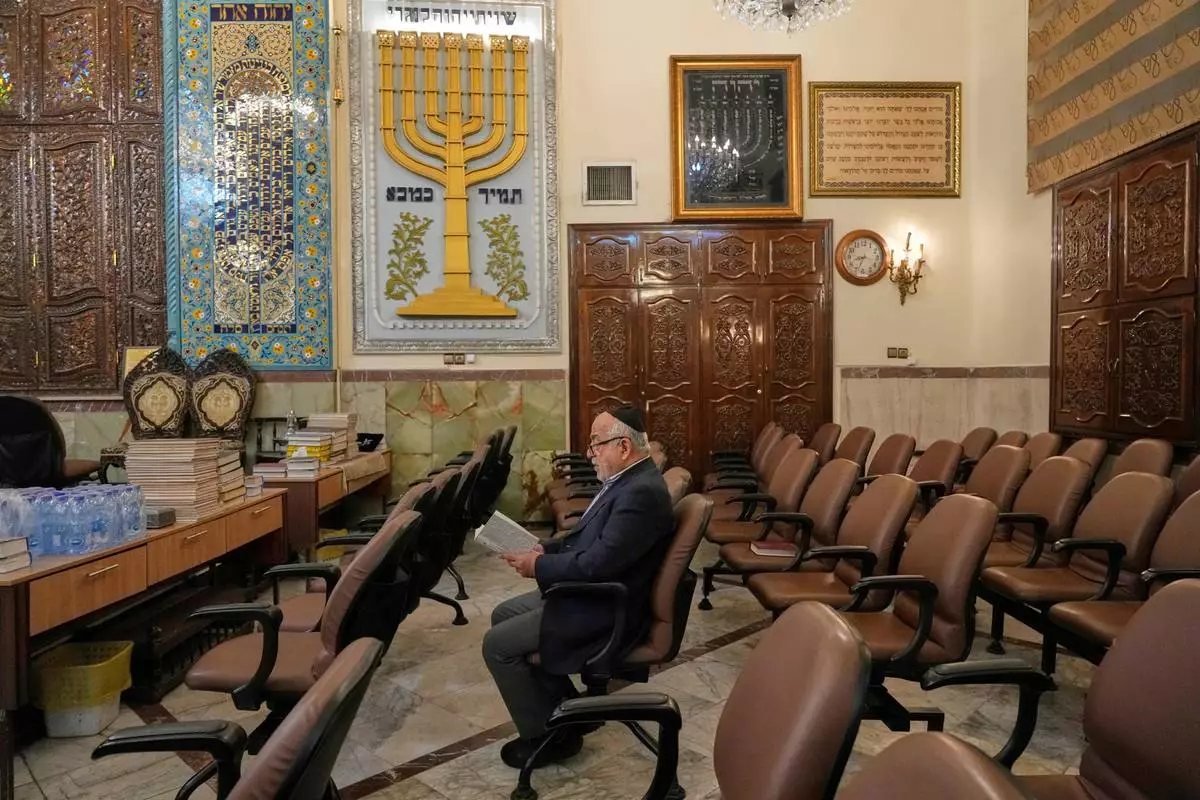
An Iranian Jewish man prays in a memorial for the slain Iranian Supreme Leader Ayatollah Ali Khamenei and other victims, who were killed in the U.S. and Israel strikes, at Yousefabad Synagogue, in Tehran, Iran, Thursday, April 16, 2026. (AP Photo/Vahid Salemi)
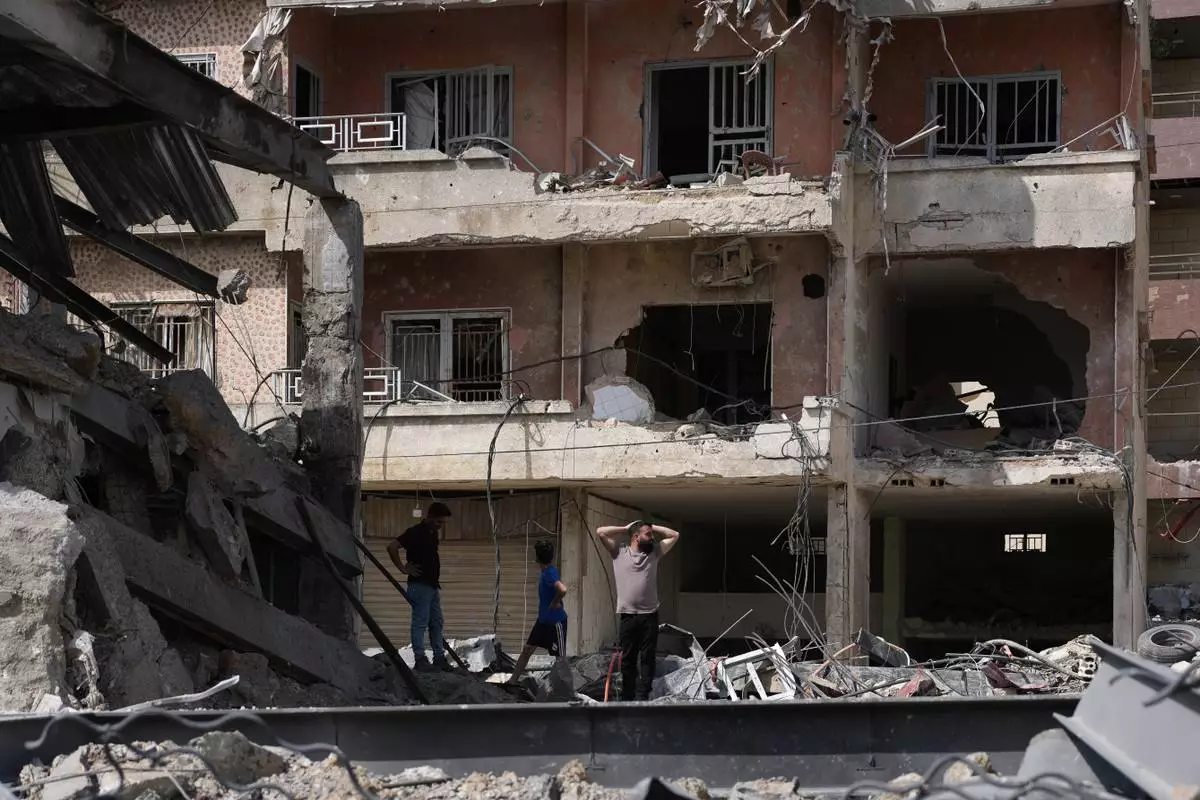
Residents inspect damage at the site of buildings destroyed in Israeli airstrikes, in Jibchit, southern Lebanon, Friday, April 17, 2026, following a ceasefire between Israel and Hezbollah. (AP Photo/Hassan Ammar)
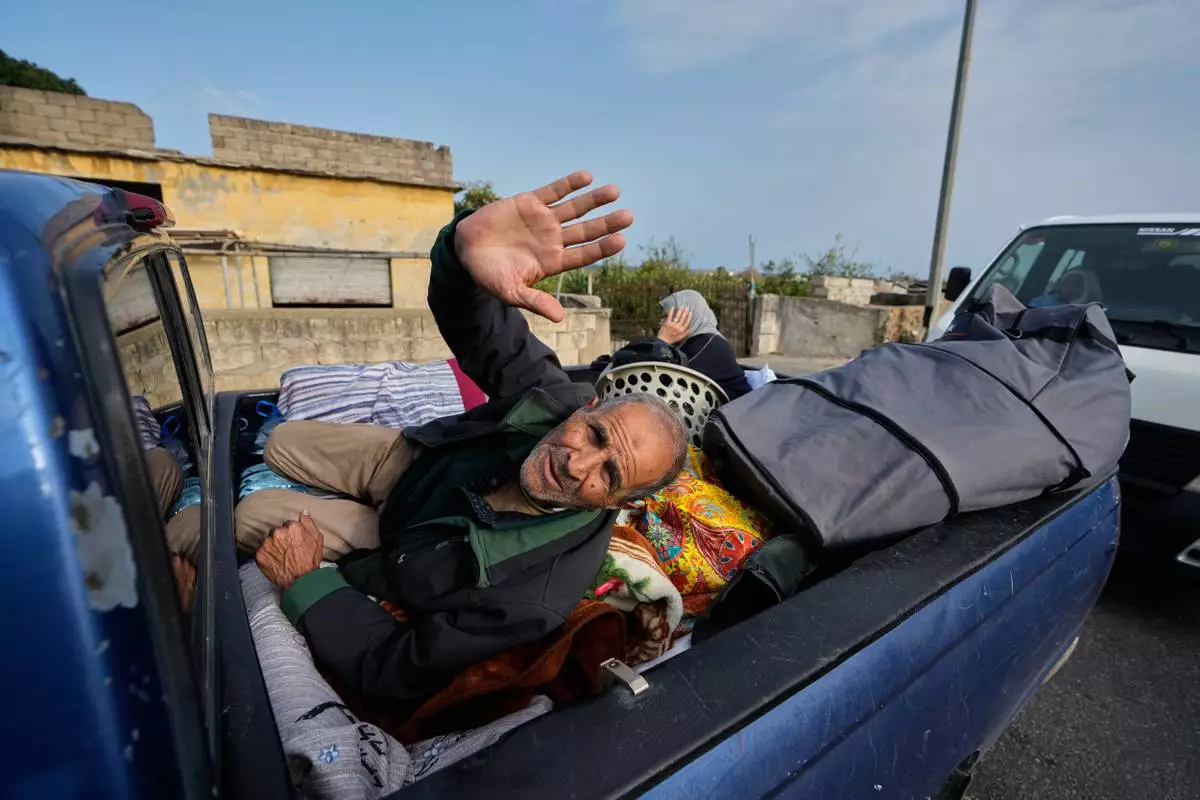
A displaced man gestures lying over belongings on a mini pickup, in Qasmiyeh near Tyre city, south Lebanon, as he returns with his family to their village following a ceasefire between Hezbollah and Israel, Friday, April 17, 2026. (AP Photo/Mohammed Zaatari)
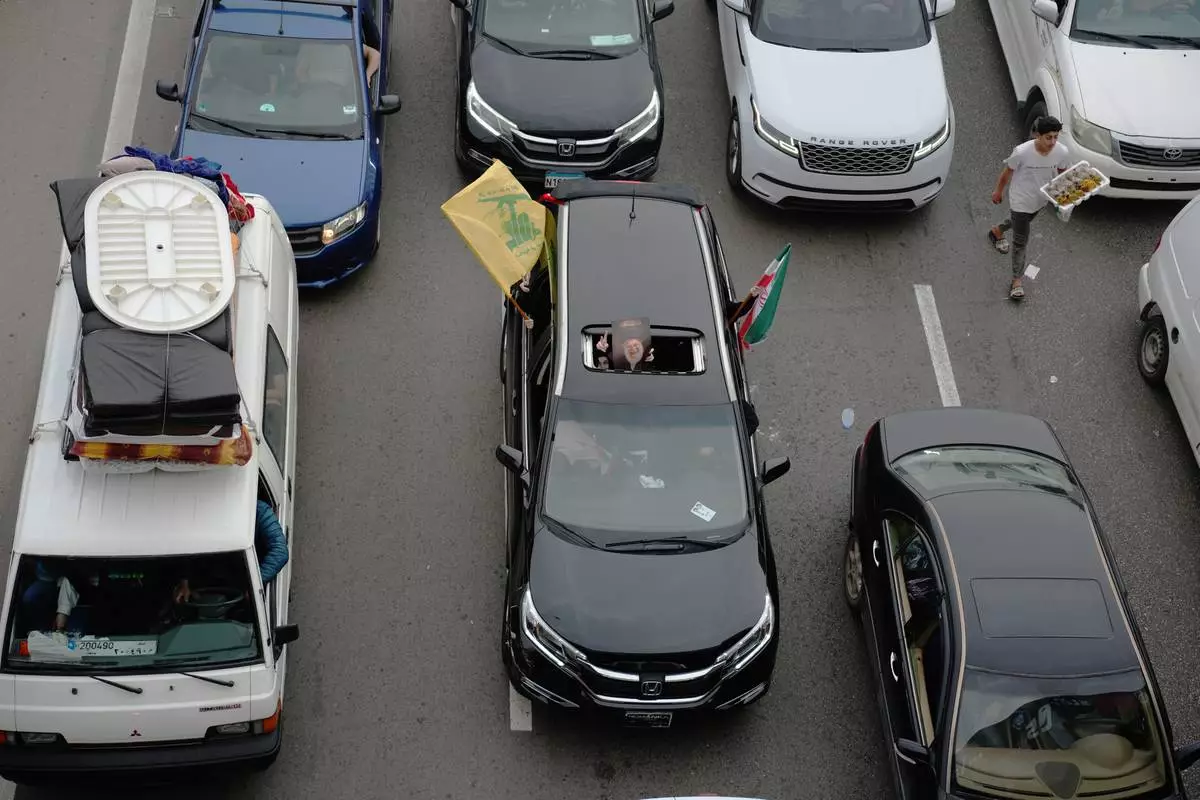
Displaced residents drive back to their villages following a ceasefire between Israel and Hezbollah, in Jiyeh, near Saida, southern Lebanon, Friday, April 17, 2026. (AP Photo/Hassan Ammar)
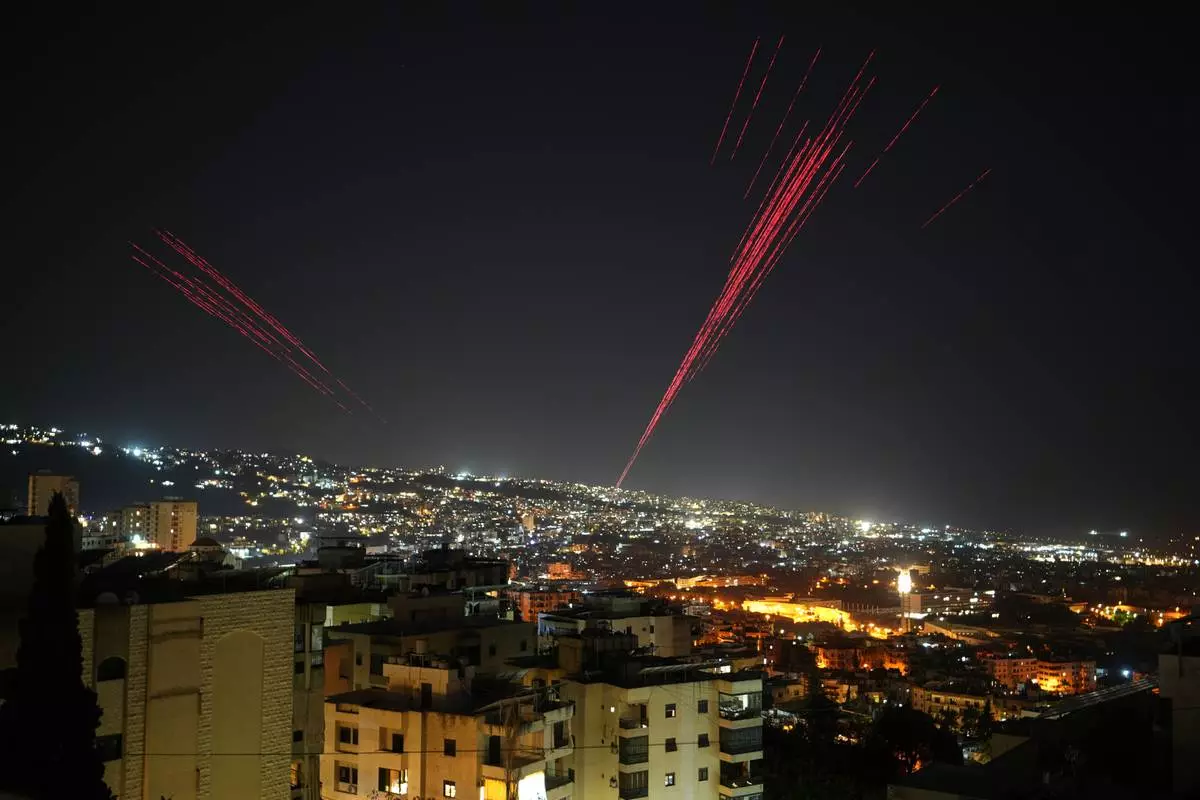
Tracer rounds illuminate the night sky as people fire live ammunition and fireworks into the air following a ceasefire between Israel and Hezbollah, in Beirut, Lebanon, early Friday, April 17, 2026. (AP Photo/Hassan Ammar)
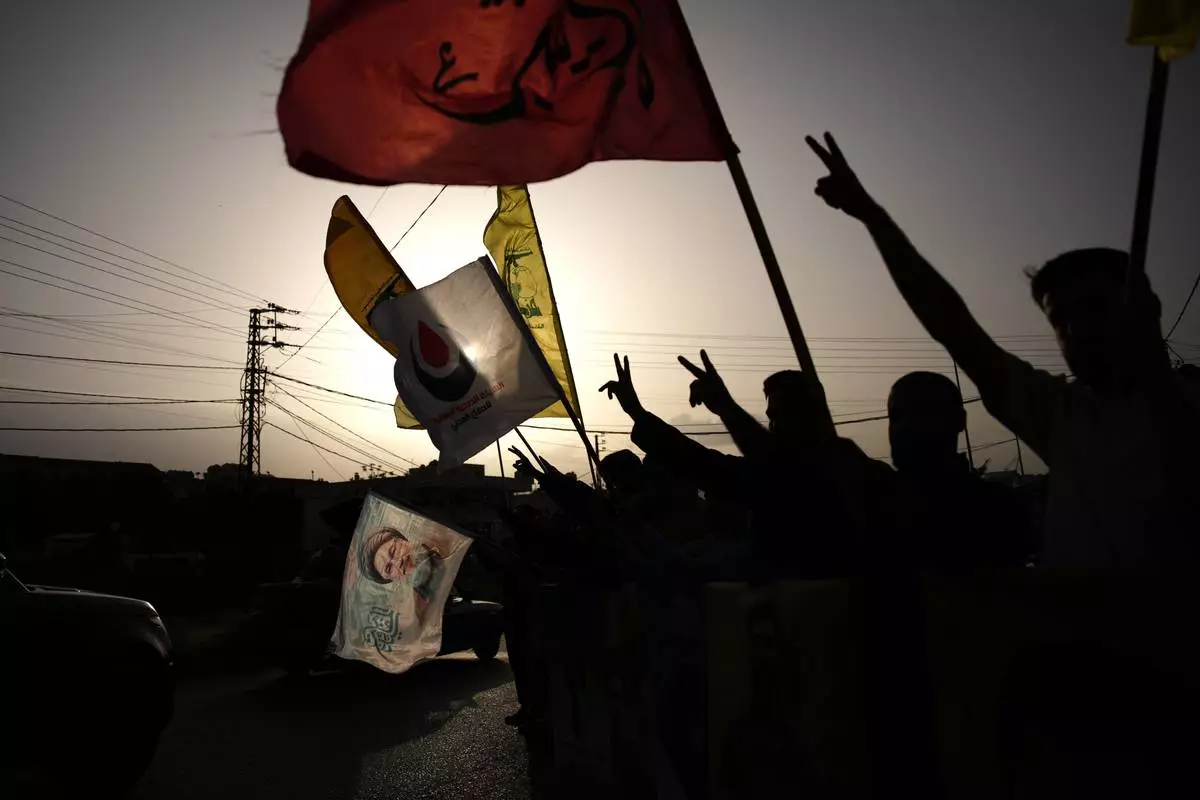
People wave Hezbollah flags and an image of late Hezbollah leader Hassan Nasrallah, in Zefta, southern Lebanon, Friday, April 17, 2026, as displaced residents drive back to their villages following a ceasefire between Israel and Hezbollah. (AP Photo/Hassan Ammar)
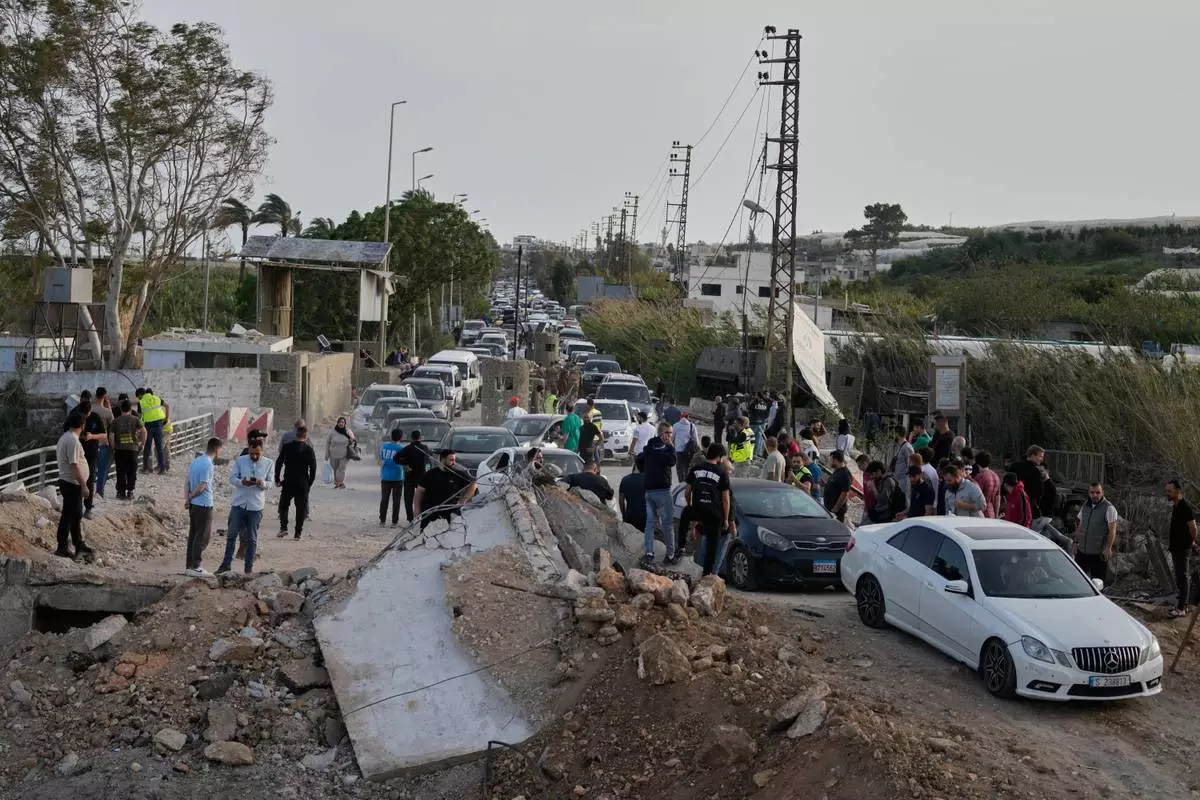
Displaced people returning to their villages following a ceasefire between Hezbollah and Israel, cross the destroyed Qasmiyeh bridge near Tyre city, south Lebanon, Friday, April 17, 2026. (AP Photo/Mohammed Zaatari)
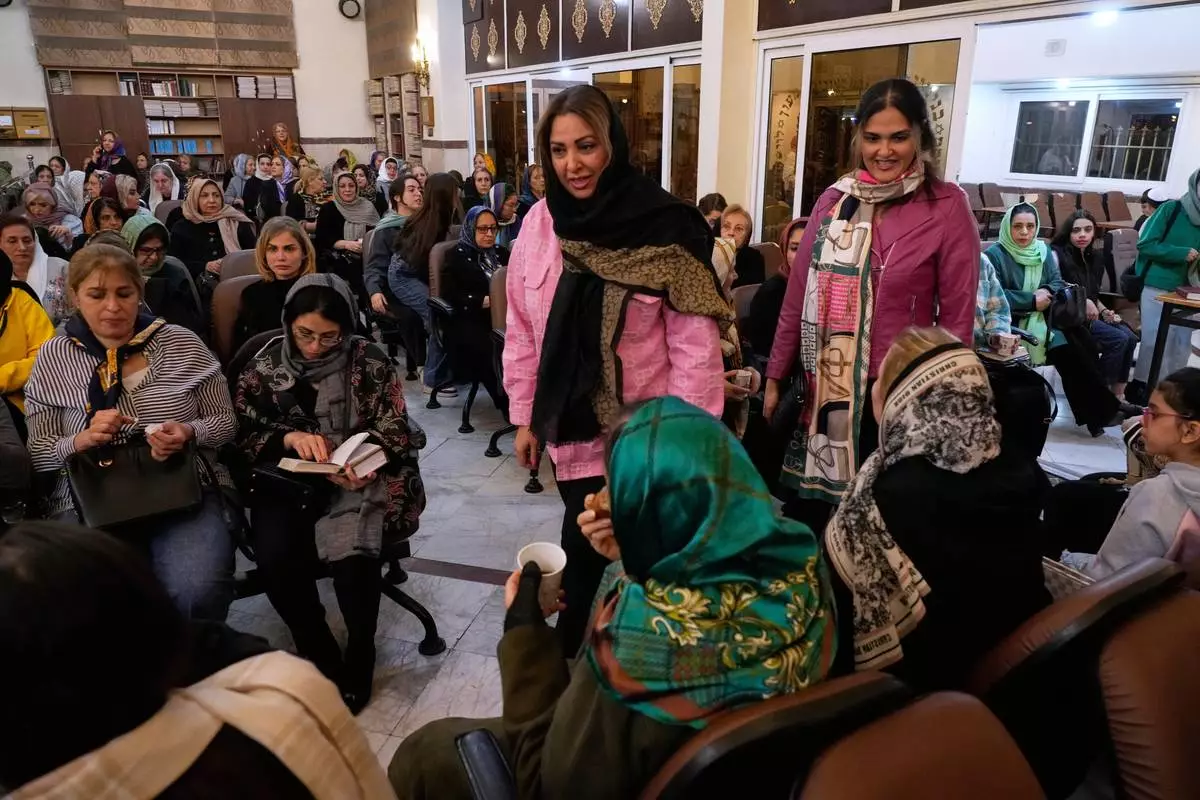
Iranian Jews attend a memorial for the slain Iranian Supreme Leader Ayatollah Ali Khamenei and other victims, who were killed in the U.S. and Israel strikes, at Yousefabad Synagogue, in Tehran, Iran, Thursday, April 16, 2026. (AP Photo/Vahid Salemi)
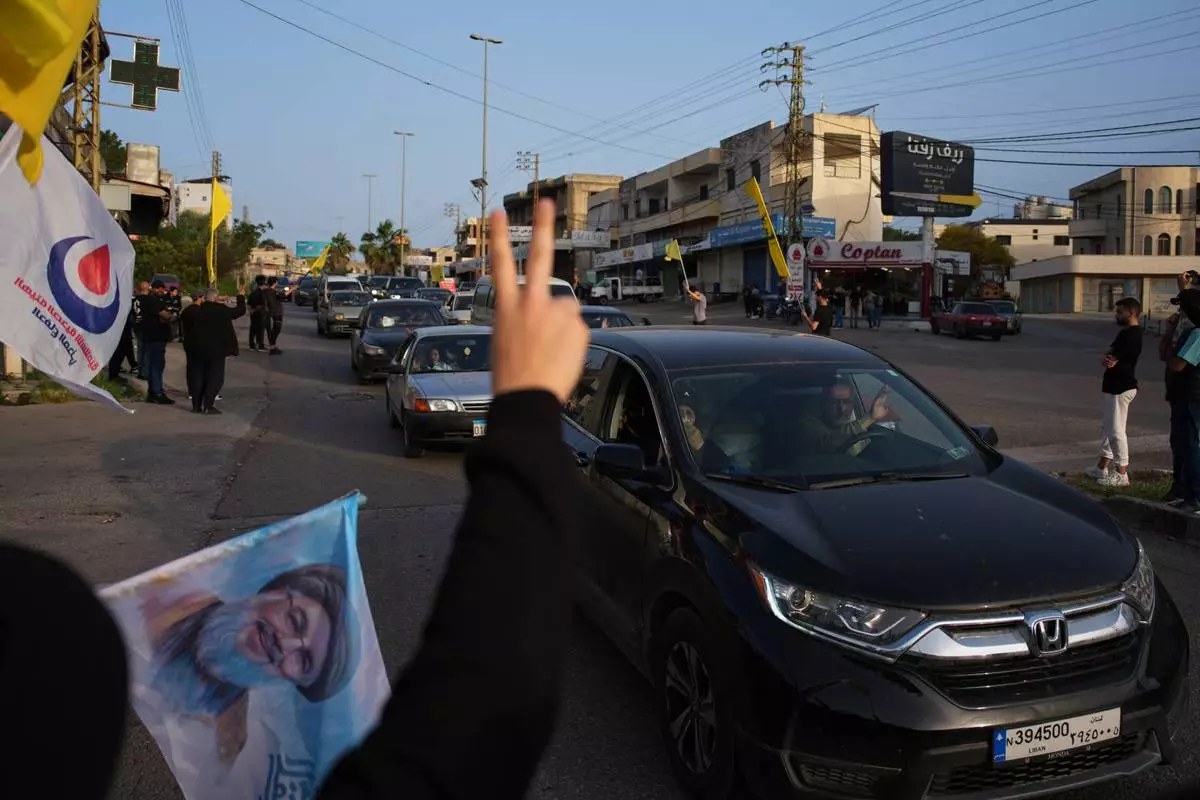
Displaced residents drive back to their villages as locals wave Hezbollah flags and an image of late Hezbollah leader Hassan Nasrallah, in Zefta, southern Lebanon, Friday, April 17, 2026, following a ceasefire between Israel and Hezbollah. (AP Photo/Hassan Ammar)