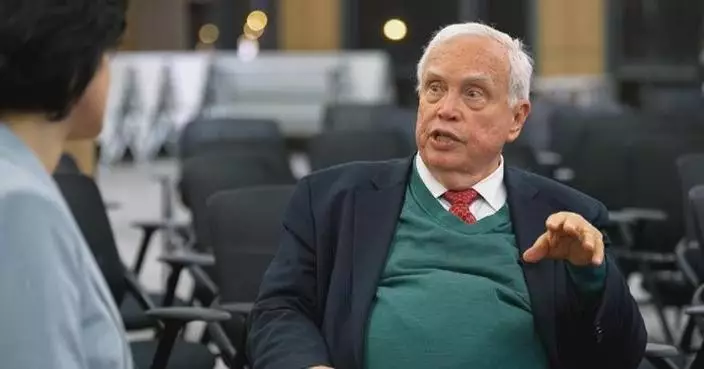
Nobel Memorial Prize in Economic Sciences laureate James Heckman has voiced strong concerns over the United States' use of tariffs against other nations, asserting that such policies fundamentally contradict established economic principles.
Heckman, among dozens of influential economists who have previously signed joint statements publicly opposing tariffs and trade protectionism, highlighted the lack of a sound basis for these measures in an exclusive interview with China Media Group which aired Friday.
"The calculation of the tariffs is not founded on any basic economic principle. What's happened is the cost of living has gone up. The idea is you put a tariff, and we're going to produce this in the United States, and that's going to make bring more jobs back. First of all, it's going to make it more inefficient because we're not efficient at growing avocados or coffee or many of these things that we can't grow. And secondly, it's really creating harm for a lot of poor people, workers and others who are buying these goods," said the Nobel Prize winner.
Heckman further elaborated on the broader implications of these trade policies for the global economy and international trade relations, particularly noting the instability they introduce.
"It's creating a sense of instability in the trade. Right now, when tariffs come and go, when people are going to negotiate tariffs, we know from basic economic principles that when you start creating uncertainty of this sort, people hold back. They don't invest. They're being very careful about creating long term relationships. So we're destroying those relationships, and we're making the United States a much riskier trading partner, [discarding] what had been a pattern of comparative advantage and gain. So look at all the new trading patterns that are being reassembled as a result to get around dealing with the United States. So now the United States is capricious the way it is that many countries don't want to deal with it anymore. They find alternative supply routes and so forth and so on," he said.
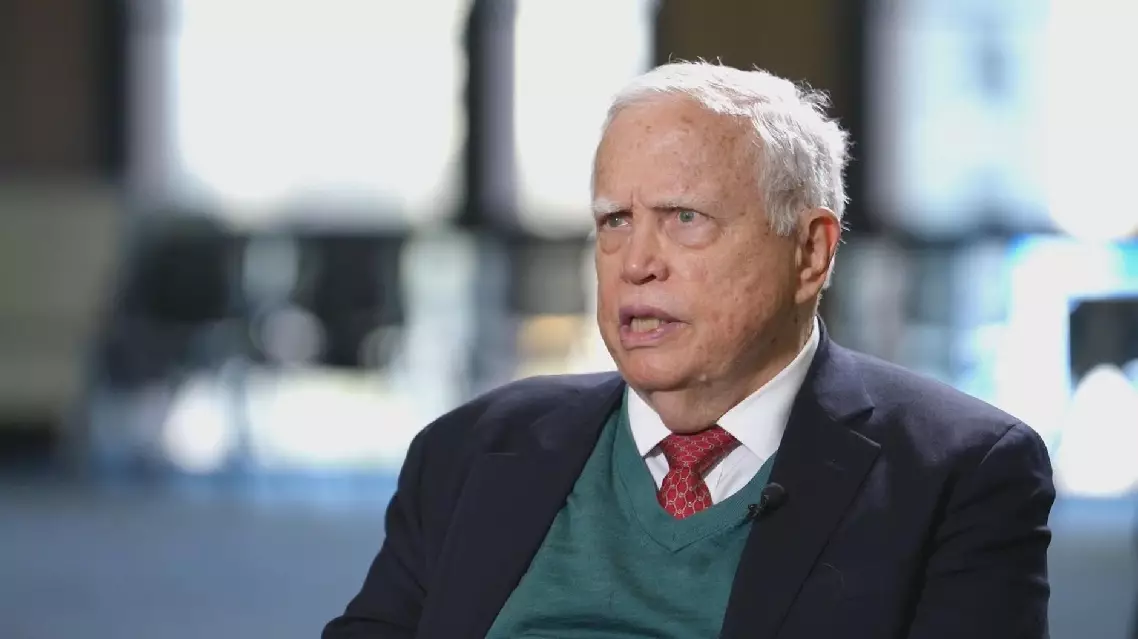
Nobel laureate criticizes U.S. tariff policies as economically unfounded