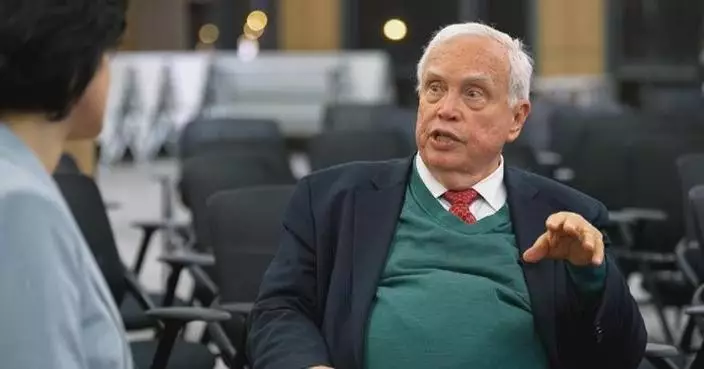
Nobel laureate James Heckman has highlighted the significant advantages of China's artificial intelligence (AI) development, stating that the technology will enhance the productivity of skilled professionals and "crystallize new ideas".
Heckman, a professor at the University of Chicago and recipient of the 2000 Nobel Memorial Prize in Economic Sciences, shared his insights into the transformative and empowering impacts of AI in an exclusive interview with China Media Group (CMG) in Beijing, which was released on Friday.
When discussing the sweeping changes brought by AI across industries and the global workforce, Heckman pushed back on the widespread narrative that AI adoption will inevitably lead to mass job losses, instead highlighting the technology's ability to enhance work performance and unlock new opportunities for workers at all skill levels.
"This process is one of a lot of transition. A lot of new things are being done, a lot of new skills are being done. A lot of new opportunities are opening up. People talk about exposure of jobs to various kinds of AI, but exposure doesn't necessarily mean job loss. Exposure could mean job enhancement. So if I'm working at a factory and AI can help me manufacture whatever product I have, I'll do my job better. It can enhance my employment. Generative AI essentially produces new ideas or helps you crystallize new ideas," he said.
This productivity-boosting and opportunity-expanding effect is not limited to frontline manufacturing roles, Heckman noted, adding that AI is also reshaping the day-to-day work of highly skilled professionals by automating repetitive, low-value work.
"Think of what a lawyer does. A good lawyer is not only going to court and interviewing people and doing presentations on behalf of clients, but there's an awful lot of legal research going on, so you have individuals, law clerks and the lawyers themselves would be scanning the literature. A good AI can help you scan the literature tremendously, bring to bear all the case law that's relevant, but more likely in the generative AI, it's making you more productive and more effective. And so a lot of the drudge work that goes with being a lawyer and being an accountant and being a bank clerk and so forth, a lot of that can be replaced. But a lot of these professional jobs are more than just drudge work. They involve thinking, execution, creativity, and thinking about new ideas and then freeing yourself to go out and find new customers and new clients and new business," he said.
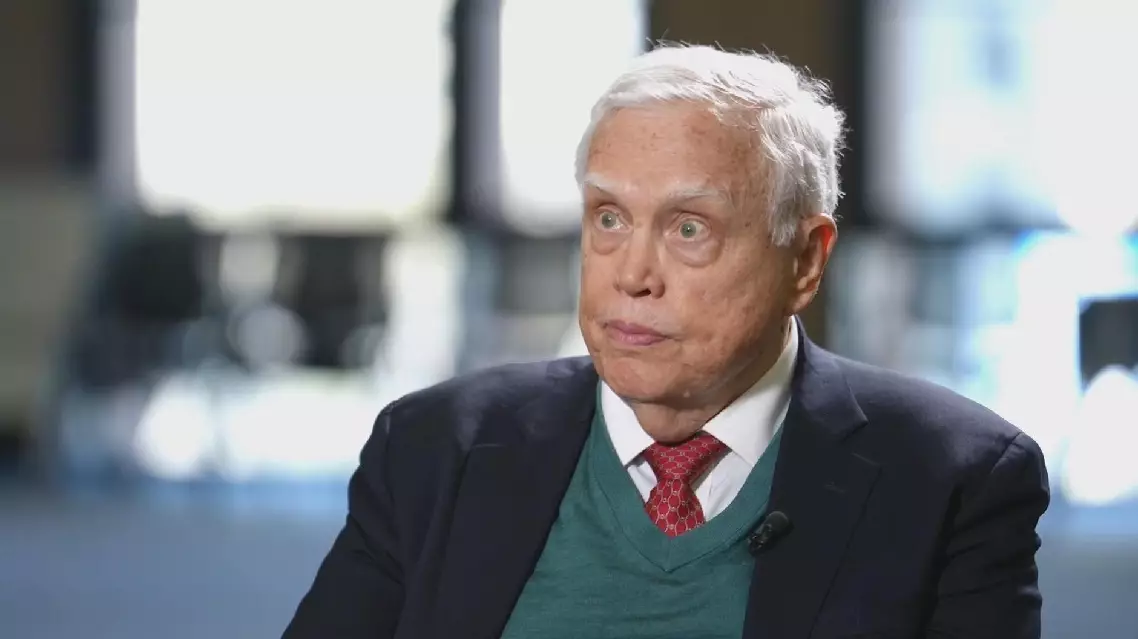
U.S. Nobel laureate hails China's pursuit of AI as productivity builder