VANCOUVER, British Columbia--(BUSINESS WIRE)--Apr 21, 2026--
Navigating airports can be a stressful experience for anyone but is particularly difficult for people with mobility limitations. Roughly 17% of the global population lives with mobility challenges, and requests for airport assistance are increasing 10-15% each year, outpacing passenger growth. Introducing a new category of autonomous passenger mobility infrastructure to address this issue, A&K Robotics today announced the closing of an $8 million CAD Series A investment. The round was led by BDC’s Industrial Innovation Venture Fund, part of BDC Capital, the largest and most active Canadian venture capital investor, and Vantage Futures, the corporate venture arm of Vantage Group, a global leader shaping airport and transportation infrastructure worldwide.
This press release features multimedia. View the full release here: https://www.businesswire.com/news/home/20260421367847/en/
Defining the future of airport mobility
A&K Robotics is building autonomous mobility for airports — self-driving vehicles designed to move passengers through complex indoor environments. As airports face increasing passenger volumes, labor constraints, and growing accessibility requirements, the company is working closely with leading operators to integrate autonomous mobility into everyday operations.
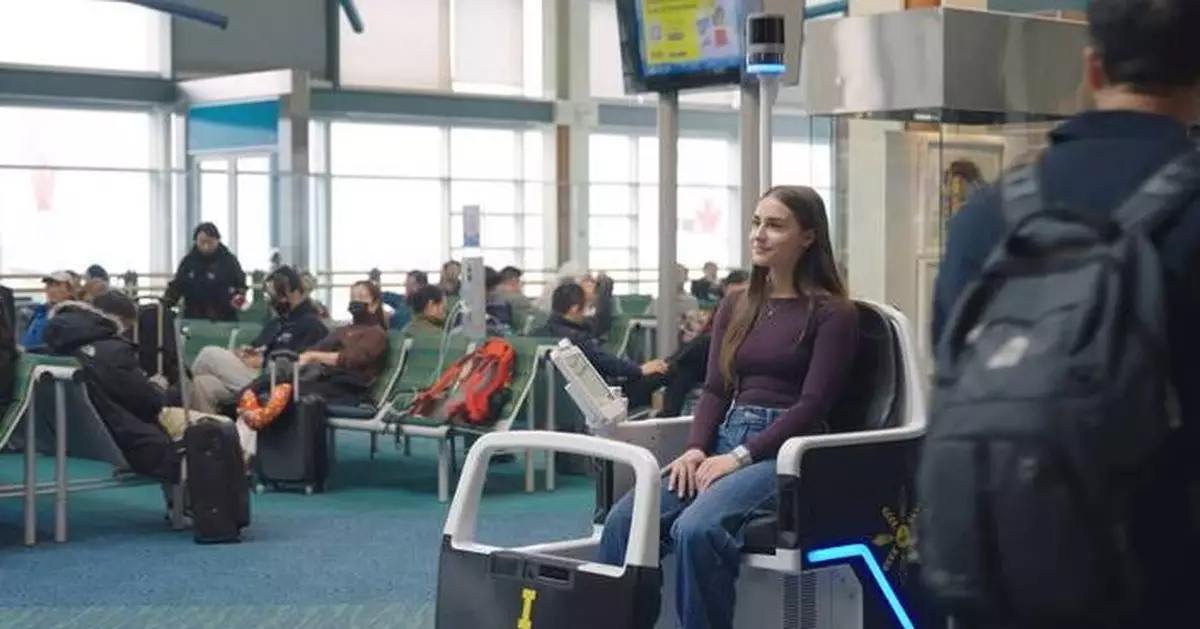
A&K Robotics is the company behind Cruz™, a self-driving mobility robot that carries passengers through high-traffic, dynamic environments such as airport terminals. Cruz works like a self-driving vehicle purpose-built for indoors. Riders select a destination and Cruz navigates autonomously using onboard sensors and advanced AI. It dynamically adjusts its path to move safely alongside pedestrians and arrive precisely at the intended location. Cruz is designed to operate continuously, enabling airports to deliver consistent, accessible passenger mobility at scale.
“Air travel is chaotic enough — getting to your gate shouldn’t be part of the problem,” said Matthew Anderson, CEO of A&K Robotics. “We’re building the infrastructure that helps airports move more people, more safely, and with greater independence; all while fitting seamlessly into existing operations.”
Cruz is already deployed in complex, real-world airport environments, working with leading airport operators across North America and Europe, including Vancouver International Airport (YVR). YVR has the distinction of being named Best Airport in North America 15 times and ranked Top 10 globally by aviation research firm Skytrax. Another notable client is Madrid-Barajas Airport (MAD), operated by Aena, the world’s largest airport operator by passenger numbers, serving more than 380 million travelers annually.
“We’re bringing autonomy indoors,” said Jessica Yip, COO of A&K Robotics. “While others focus on roads, we’re tackling the harder problem — navigating dense, unpredictable airport crowds. Autonomous mobility is already standard in warehouses. We are bringing it into the most complex indoor environments: airports.”
Backed by strategic investors
The financing round brings together leading investors in industrial innovation, mobility, robotics, and deep technology to support A&K’s expansion into large-scale deployments. Additional investors include RiSC Capital, Grep VC, Nimbus Synergies, and Dan Gelbart, co-founder of Creo and Kardium.
“We are pleased to partner with A&K Robotics and support its work to address a critical need in modern transportation infrastructure,” said Matthew Handford, Executive Managing Director, Vantage Futures. “Their ability to deploy in dense, high-traffic airport environments positions them as a key partner for operators looking to improve operational efficiency, enhance passenger experience, and scale autonomous mobility across global networks.”
“Canada is home to some of the world’s most advanced robotics and AI companies,” said Byron Thom, Partner at BDC’s Industrial Innovation Fund. “A&K Robotics represents the next generation of industrial innovation, combining deep technology with real-world deployment in complex, human-centered environments. That’s the type of deep technology companies that strengthen Canada’s global competitiveness in advanced industries and contribute to its economic sovereignty.”
The financing supports A&K’s transition from pilot programs to permanent deployments, expanding production capacity, and accelerating adoption across major airport networks.
A&K also has ramped up its research and development with a new rapid prototyping and R&D facility, expanding its ability to iterate quickly and bring deployment-ready systems into operation.
In addition, A&K is establishing a third facility in Surrey, British Columbia, expanding into Manterra Technologies’ 55,000 square-foot site and increasing manufacturing capacity from dozens to hundreds of autonomous vehicles per year.
Together, these expansions position A&K to support rapidly increasing demand from airport operators and enable the broader deployment of Cruz mobility pods at airport networks globally.
About A&K Robotics
A&K Robotics is building autonomous mobility infrastructure for complex, human-centered environments. Its Cruz™ autonomous pods are powered by Kinesos™ AI, a platform for socially intelligent autonomy that enables systems to move naturally through dynamic spaces.
Focused on large-scale environments such as airports, A&K works with leading global partners to deploy intelligent mobility systems that improve accessibility, operational efficiency, and traveler experience.
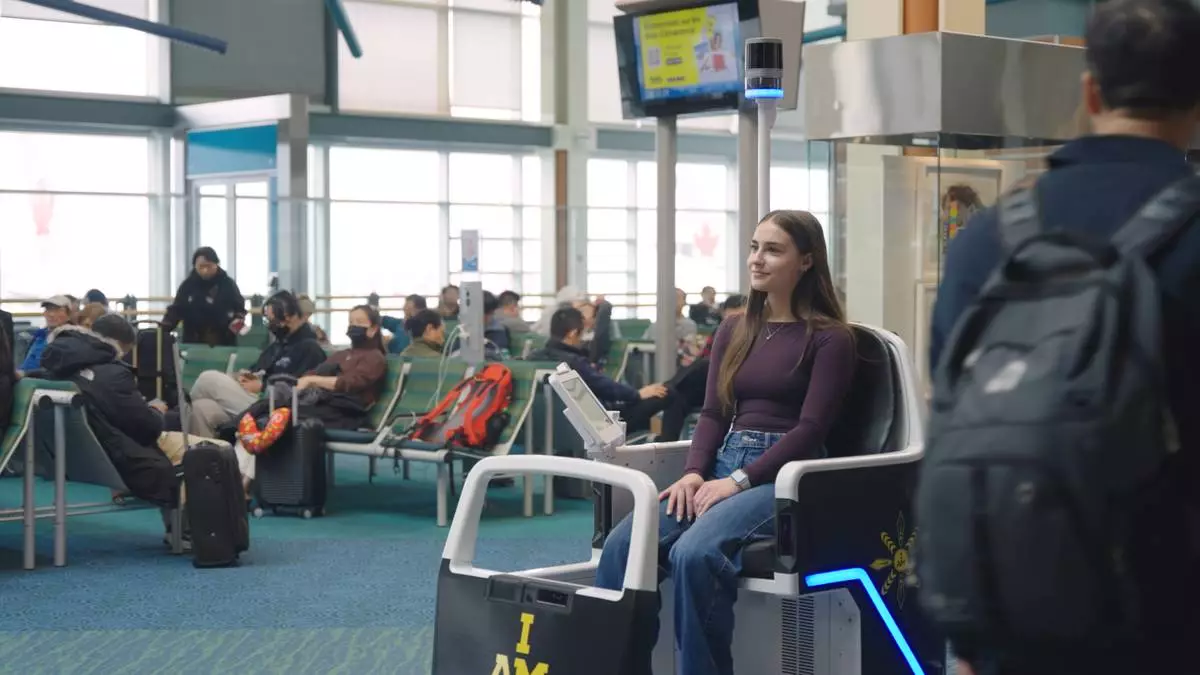
A&K Robotics is the company behind Cruz™, a self-driving mobility robot that carries passengers through high-traffic, dynamic environments such as airport terminals.