China's rural and agricultural economy showed good momentum and recorded robust growth in the first quarter of this year, with production, income, and investment all on the rise, government officials said at a press conference in Beijing on Thursday.
Maierdan Mugaiti, vice minister of agriculture and rural affairs of China, said that since the beginning of this year, agricultural and rural departments at all levels have refined and implemented practical measures, ensured thorough policy enactment, and vigorously advanced comprehensive rural revitalization. As a result, the agricultural and rural economy has maintained a sound growth trend.
The foundation for grain and oil production has remained strong, with steady winter wheat and rapeseed acreage and healthy crop conditions.
"At present, the growth and development of winter wheat are basically in line with previous years. Winter rapeseed acreage is steady and growing well. The progress of spring farming is smooth, overall grain planting intentions are stable, and over 20 percent of spring grain sowing has been completed, slightly ahead of last year," said the vice minister.
The supply of "vegetable basket" products has been ample. According to data from the National Bureau of Statistics (NBS), in the first quarter of this year, pork, beef, mutton, and poultry output reached 26.62 million tons, up 4.8 percent year on year. Milk output rose 3.4 percent to 9.22 million tons, aquatic products grew by 4.3 percent to 15.47 million tons, and vegetable and fruit supply was generally stable with seasonal price fluctuations, the vice minister said.
Regular and targeted assistance has had a strong start. In the first quarter, an additional 10.13 billion yuan (1.48 billion U.S. dollars) in microloans was provided to assistance targets to support their production. Employment for these groups remained generally stable, he said.
Progress is also being made in turning the countryside into a beautiful and harmonious place for people to live and work in. Efforts to improve rural living environments, infrastructure, and public services have been intensified. The supply of cultural products and services in rural areas have been increased as well, the official said.
"Rural industries that benefit local people are enjoying rapid growth. In the first quarter, the value added of agricultural and sideline food processing industries above the designated size increased by 6.8 percent year on year, and online sales of agricultural products maintained rapid growth. Rural residents saw their per capita disposable income rise by 5.4 percent in real terms," he said.
Agricultural investment and rural consumption have continued steady growth. Investment in high-standard farmland and facility agriculture projects expanded, with fixed asset investment in primary industry in the first quarter rising by 15.9 percent year on year, said the official.
"We are effectively expanding agricultural product consumption and continuously broadening rural scenarios to stimulate consumption, with rural retail sales of consumer goods up 3.1 percent year on year," said the vice minister.
Rural reform is also deepening, with more new types of agribusinesses emerging and more than 1.1 million commercial agricultural service entities now supporting nearly 93 million small-scale farmer households nationwide, he said.
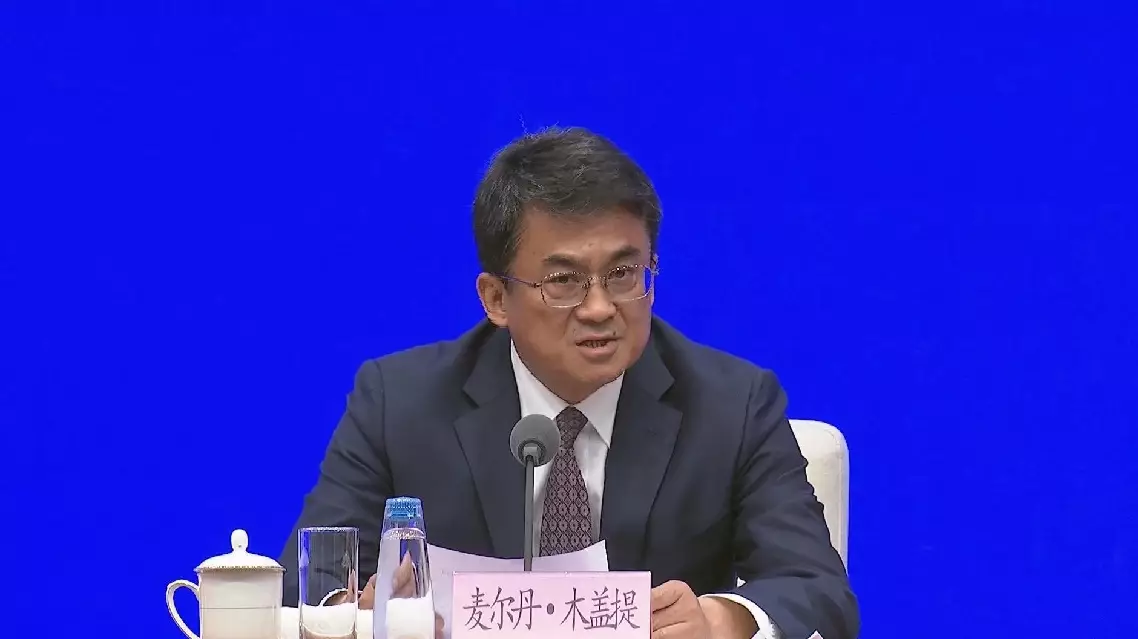
China reports robust rural, agricultural growth in Q1