CHALFONT ST GILES, England--(BUSINESS WIRE)--Apr 23, 2026--
GE HealthCare (Nasdaq: GEHC) today announced the first patient has been dosed in the international, multi-center Phase 2/3 LUMINA clinical trial of its manganese-based magnetic resonance imaging (MRI) contrast agent, mangaciclanol, at Mayo Clinic in Rochester, Minnesota. Mangaciclanol, if approved, could offer an alternative to – or even replace – gadolinium-based MRI contrast agents, the current standard of care. The investigational agent has been granted Fast Track designation by the U.S. Food and Drug Administration (FDA) for use in adults and pediatric patients aged 2 years and older with MRI to detect and visualize lesions with abnormal vascularity in the central nervous system and the body. FDA Fast Track designation expedites the review of new therapeutics and medical imaging agents that have the potential to address significant unmet patient needs.
This press release features multimedia. View the full release here: https://www.businesswire.com/news/home/20260423262096/en/
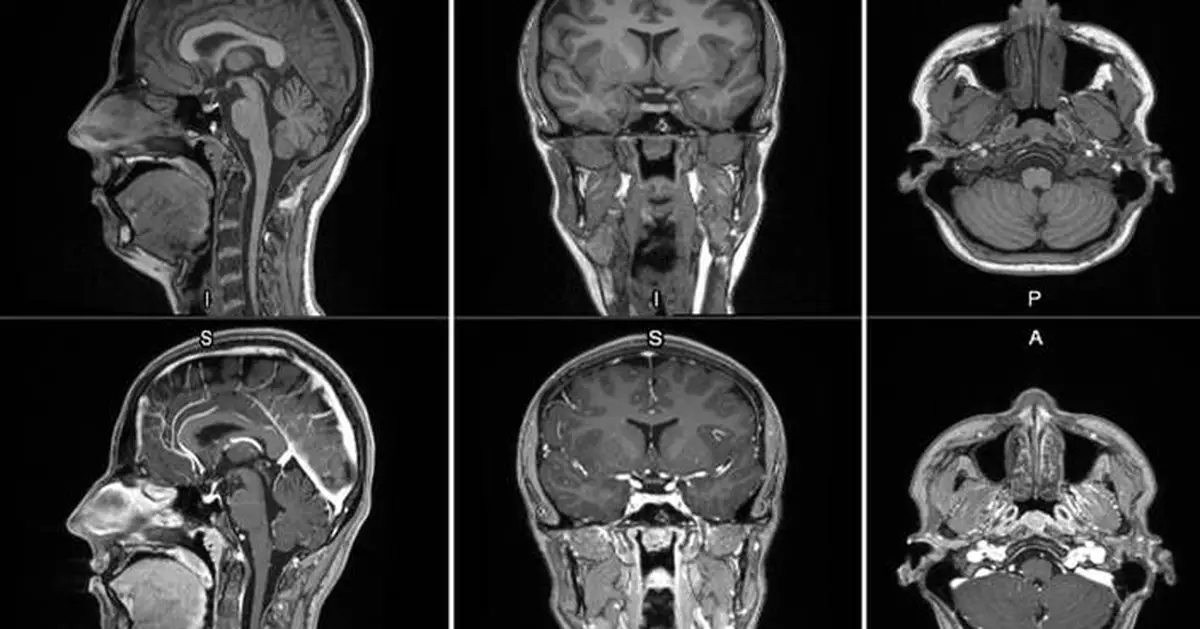
MRI contrast agents enhance the visualization of abnormal structures or lesions during imaging procedures and help clinicians better distinguish between healthy and diseased tissue. Mangaciclanol is intended for general-purpose MR imaging and demonstrates comparable relaxivity (the ability to enhance signal intensity) to market-leading gadolinium-based agent, gadobutrol, with early clinical images suggesting similar diagnostic capability. Unlike gadolinium, which is a rare-earth metal, manganese is present in our food, and is an endogenous element, naturally occurring and autoregulated in the body. The macrocyclic ‘cage-like’ structure of mangaciclanol lessens the possibility of retention.
Approximately one-third of global MRI procedures require a contrast agent for effective diagnosis, 1 with around 65 million gadolinium contrast enhanced procedures globally each year. 2 As a rare-earth element, gadolinium supply is largely dependent on mining and processing infrastructure in China. Manganese, however, is abundantly available from multiple countries, including South Africa, Australia and Gabon, reducing the risk of supply challenges impacting patient care. Furthermore, as manganese is naturally found in water sources, mangaciclanol could also reduce environmental concerns associated with post-patient excreted contrast media in groundwater.
Dr Jit Saini, Chief Medical Officer, Pharmacutical Diagnostics, GE HealthCare, said, “Existing gadolinium-based contrast agents carry safety language associated with gadolinium retention. In comparison, mangaciclanol could offer an alternative for broad patient groups, including vulnerable patients and those requiring multiple scans, while still offering similar diagnostic performance. The FDA Fast Track designation recognizes the potential significance of mangaciclanol and aligns with our focus on advancing its development for patients.”
“As demand for diagnostic imaging continues to rise, we continue to advance our imaging agent pipeline to better meet the needs of patients,” said Peter Arduini, President and CEO, GE HealthCare. “This clinical milestone builds on GE HealthCare’s leadership in contrast media, as mangaciclanol has the potential to transform the MR imaging market and strengthen the resiliency of its supply chain.”
Phase 1 results for mangaciclanol showed the investigational agent was well tolerated in a first in human trial with no serious adverse events, no dose limiting toxicities, nor clinically relevant findings reported.
GE HealthCare’s Pharmaceutical Diagnostics unit is a global leader in imaging agents used to support 140 million patient procedures per year globally, equivalent to four procedures every second. For more than 40 years, GE HealthCare contrast media has been routinely used across MRI, X-ray/CT and ultrasound to enhance clinical images and support diagnosis.
Mangaciclanol is in clinical development and currently not approved for use.
About GE HealthCare Technologies Inc.
GE HealthCare is a leading global healthcare solutions provider of advanced medical technology, pharmaceutical diagnostics, and AI, cloud and software solutions that help clinicians tackle the world’s most complex diseases. Serving patients and providers for 130 years, GE HealthCare is delivering bold innovations designed for the next era of medicine across its Imaging, Advanced Visualization Solutions, Patient Care Solutions, and Pharmaceutical Diagnostics segments to help clinicians deliver more personalized, precise patient care. We are a $20.6 billion business with approximately 54,000 colleagues working to create a world where healthcare has no limits.
GE HealthCare is proud to be among 2026 Fortune World’s Most Admired Companies™.
Follow us on LinkedIn, Facebook, Instagram, or visit our website for our latest news and perspectives.
1Contrast Agents of Magnetic Resonance Imaging and Future Perspective.Nanomaterials. Available at: https://pmc.ncbi.nlm.nih.gov/articles/PMC10343825/[europepmc.org]
2Recent Developments and Future Perspectives in Magnetic Resonance Imaging and Computed Tomography Contrast Media.Frontiers in Radiology. Available at: https://pmc.ncbi.nlm.nih.gov/articles/PMC12871431/
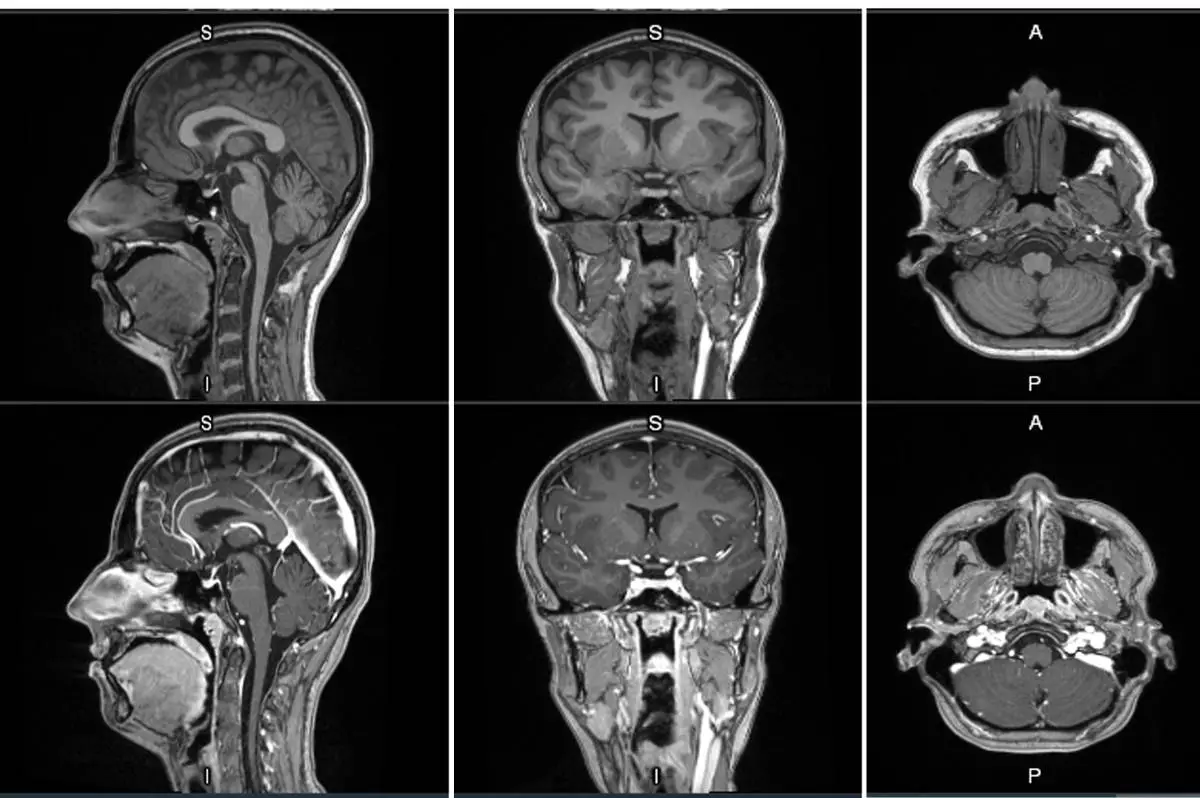
First-in-human contrast enhanced MRI images with GE HealthCare's mangaciclanol
NEW YORK (AP) — U.S. stocks are slipping after several officials at the Federal Reserve indicated they may raise interest rates before the end of the year. The S&P 500 fell 0.5% Wednesday and erased an earlier, modest gain after the Fed released projections showing nine of 18 policymakers see a rate hike happening in 2026. The Dow Jones Industrial Average fell 71 points, and the Nasdaq composite sank 0.5%. Treasury yields rose in the bond market. Higher interest rates would help keep a lid on inflation but would also slow the economy and hurt prices for investments.
THIS IS A BREAKING NEWS UPDATE. AP’s earlier story follows below.
NEW YORK (AP) — The U.S. stock market is drifting Wednesday as Wall Street waits to hear from the Federal Reserve about where it sees interest rates going.
The S&P 500 fell 0.1%, coming off a mixed day where falling tech stocks weighed on the index. The Dow Jones Industrial Average was up 125 points, or 0.2%, as of 1:27 p.m. Eastern time, and the Nasdaq composite was mostly unchanged.
Several stocks involved in the artificial-intelligence business headed back up their roller-coaster ride, supporting the market. Jabil rose 1.9% after reporting stronger results for the latest quarter than analysts expected, as CEO Mike Dastoor said that “AI infrastructure demand remains extremely strong.”
Broadcom climbed 5.4%, and Applied Materials rose 7.4%.
Such AI stocks have veered up and down in recent weeks and yanked the rest of the market behind them on worries that their prices shot too high because of the mania around AI.
SpaceX, meanwhile, erased an early gain and dropped 1.8%. It's potentially on track for its first loss since its ballyhooed debut on the U.S. stock market last week.
Outside of tech, La-Z-Boy jumped 19.1% after reporting stronger profit and revenue for the latest quarter than analysts expected. It benefited from revenue made at newly opened stores, though Chief Financial Officer Taylor Luebke said the company continues to have “a measured view” of the broad sales environment.
A report released Wednesday said retailers across the country saw their revenue grow at a faster pace in May than economists expected, offering hope that solid spending by consumers can support the economy. But high inflation has also made U.S. shoppers feel more discouraged about their finances.
The day’s main event will come in the afternoon, when the Fed will announce its latest decision on what to do with interest rates. The widespread expectation is that it will leave its main interest rate alone, as it has throughout this year.
Investors are more interested in the projections that Fed officials will give about where they see interest rates heading in upcoming years and what Kevin Warsh will say after his first meeting as the Fed’s chair.
Traders had been building bets that the Fed may have to raise its federal funds rate this year in order to keep a lid on inflation, which has accelerated because of expensive oil caused by the war with Iran. But oil prices have pulled back to $80 per barrel after the United States and Iran reached a tentative agreement on their war.
Iran is set to immediately take steps to reopen the Strait of Hormuz once the deal is signed, and that would allow oil tankers to exit the Persian Gulf once again and deliver crude to customers worldwide. The hope is that will take pressure off inflation.
As a result, traders are split on where the Fed could take interest rates through the end of the year. Some are betting on a cut to rates, which is something that President Donald Trump has angrily been calling for. But the most popular bet is for no move on rates, while some traders still see a hike as the most likely outcome, according to data from CME Group.
Oil prices ticked higher Wednesday following their sharp slides on optimism about the tentative U.S.-Iran deal to get the global flow of oil going again. The price for a barrel of Brent crude oil rose 0.3% to $79.23. It’s still above its roughly $70 price from before the war, but it’s well below its $100-plus price from a few weeks ago.
In the bond market, Treasury yields held relatively steady. The yield on the 10-year Treasury remained at 4.43%, where it was late Tuesday.
High yields in bond markets worldwide caused by worries about inflation have been threatening to slow economies and undercut prices for all kinds of investments.
In stock markets abroad, indexes were mixed across Europe and Asia.
London’s FTSE 100 was virtually unchanged after a report showed U.K. inflation remained at 2.8% in May.
South Korea’s Kospi jumped 1.6%, and Hong Kong’s Hang Seng fell 0.7% for two of the world’s bigger moves.
AP Business Writers Chan Ho-him, Matt Ott and Elaine Kurtenbach contributed to this report.

Specialist Michael Pistillo, left, and trader Sean Spain work on the floor of the New York Stock Exchange, Tuesday, June 16, 2026. (AP Photo/Richard Drew)
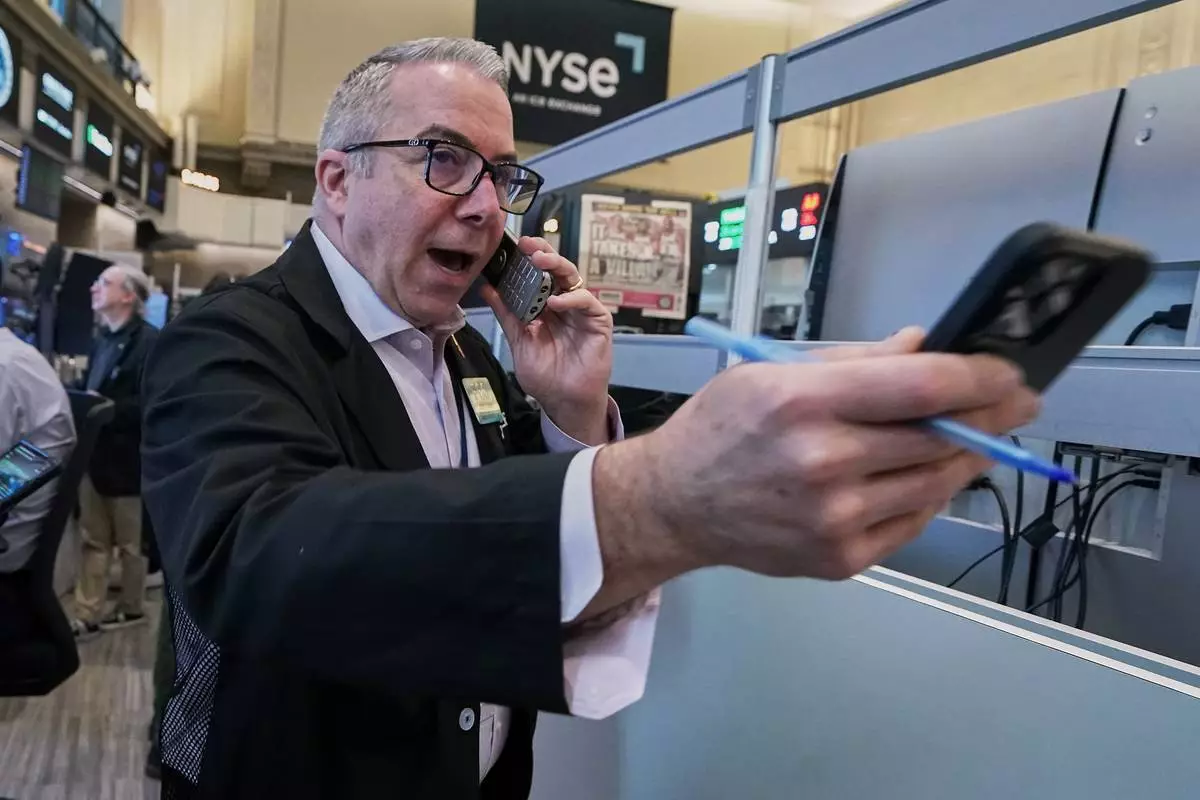
Options trader Joseph D'Arrigo works on the floor of the New York Stock Exchange, Tuesday, June 16, 2026. (AP Photo/Richard Drew)
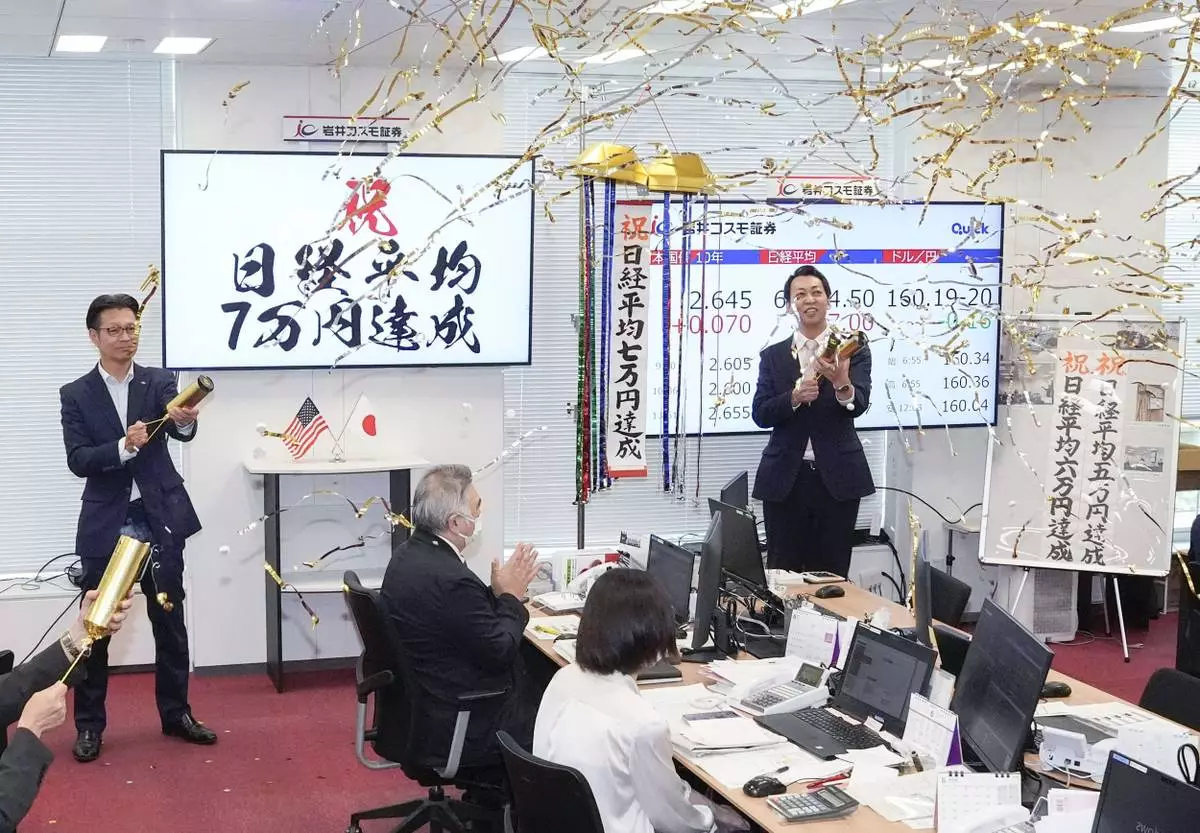
Employees of a securities company celebrate as Japan's benchmark Nikkei 225 topped 70,000 for the first time during trading hours in Tokyo Tuesday, June 16, 2026. A sign, left, reads " Congratulations. Nikkei index reached 70,000 yen." (Shinji Kouchi/Kyodo News via AP)
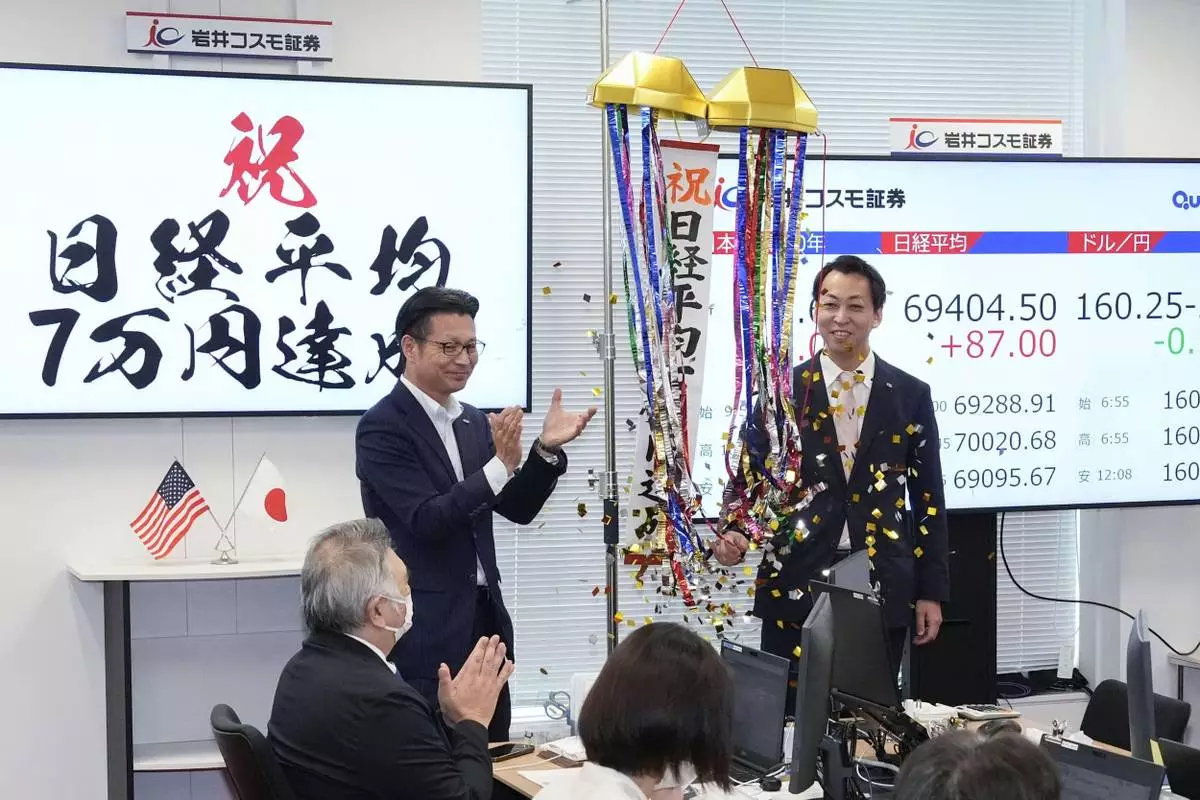
Employees of a securities company celebrate as Japan's benchmark Nikkei 225 topped 70,000 for the first time during trading hours in Tokyo Tuesday, June 16, 2026. A sign, left, reads "Congratulations. Nikkei index reached 70,000 yen." (Shinji Kouchi/Kyodo News via AP)
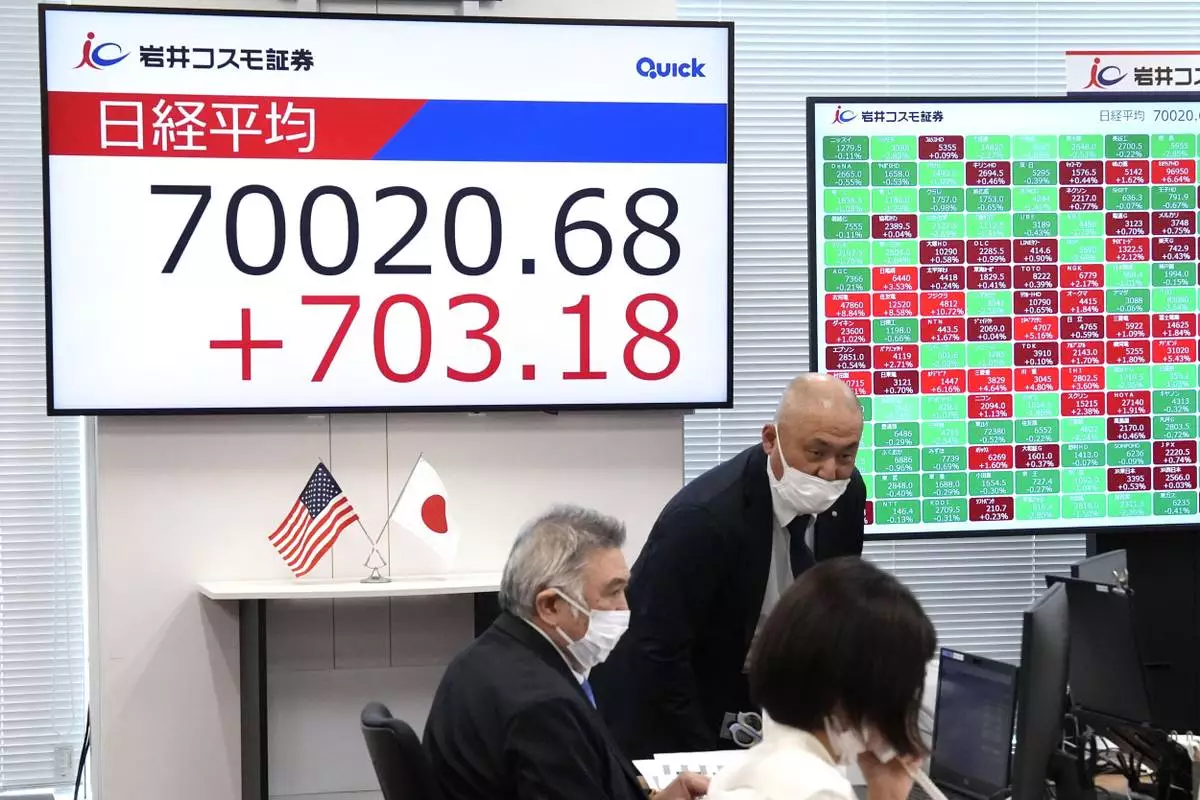
An electronic board, left, shows Nikkei index at a securities company in Tokyo Tuesday, June 16, 2026. (Shinji Kouchi/Kyodo News via AP)

Currency traders work near a screen showing the Korea Composite Stock Price Index (KOSPI) and the foreign exchange rate between U.S. dollar and South Korean won at the foreign exchange dealing room of the Hana Bank headquarters in Seoul, South Korea, Wednesday, June 17, 2026. (AP Photo/Ahn Young-joon)

A currency trader stretches near a screen showing the Korea Composite Stock Price Index (KOSPI) at the foreign exchange dealing room of the Hana Bank headquarters in Seoul, South Korea, Wednesday, June 17, 2026. (AP Photo/Ahn Young-joon)