Iran's Imam Khomeini International Airport resumed operations on Saturday, with passengers scheduled to depart for Medina in Saudi Arabia, Muscat in Oman and Istanbul in Türkiye, Iran's ISNA News Agency reported.
Iran shut down its airspace after joint U.S. and Israeli strikes starting on Feb. 28, halting civilian aviation operations nationwide.
Click to Gallery
Tehran's largest airport resumes int'l flights: media
Tehran's largest airport resumes int'l flights: media
Tehran's largest airport resumes int'l flights: media
Tehran's largest airport resumes int'l flights: media
The country reopened its eastern airspace to international flights on April 18, with the gradual resumption of passenger flights at other airports since then.
Iran's Civil Aviation Authority has said that flight services will return to normal once technical and operational preparations by military and civilian authorities are completed.
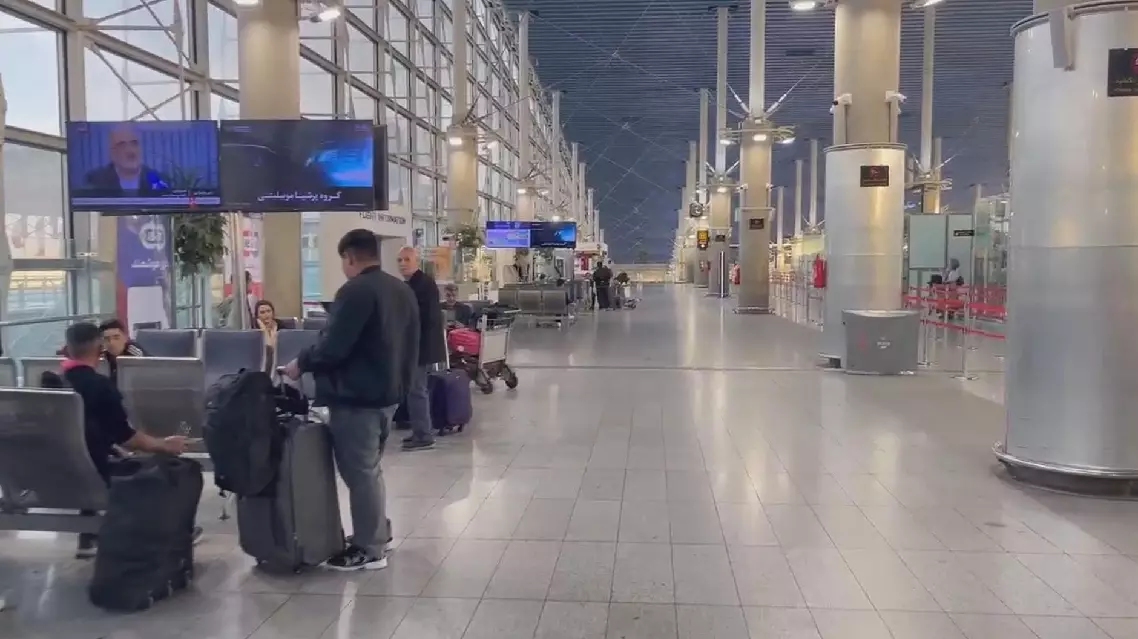
Tehran's largest airport resumes int'l flights: media
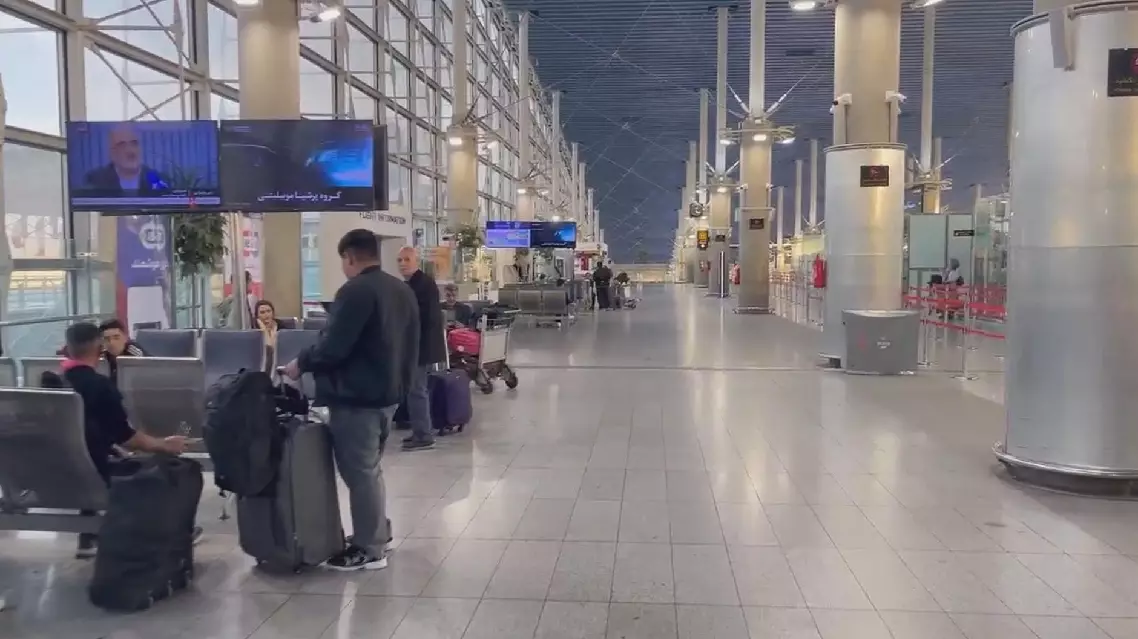
Tehran's largest airport resumes int'l flights: media
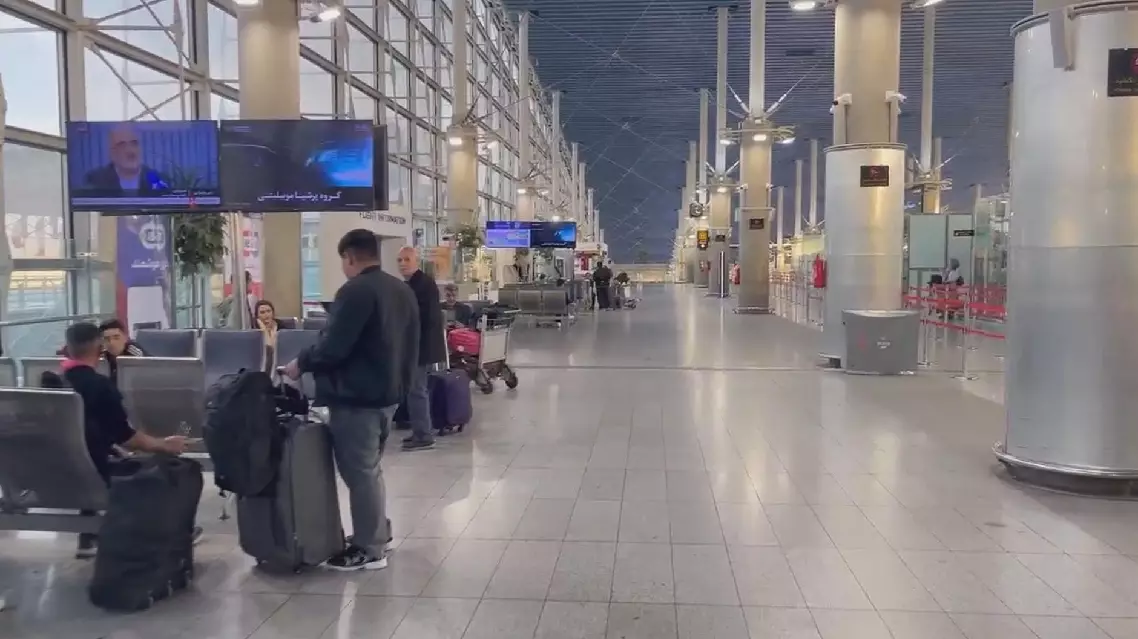
Tehran's largest airport resumes int'l flights: media
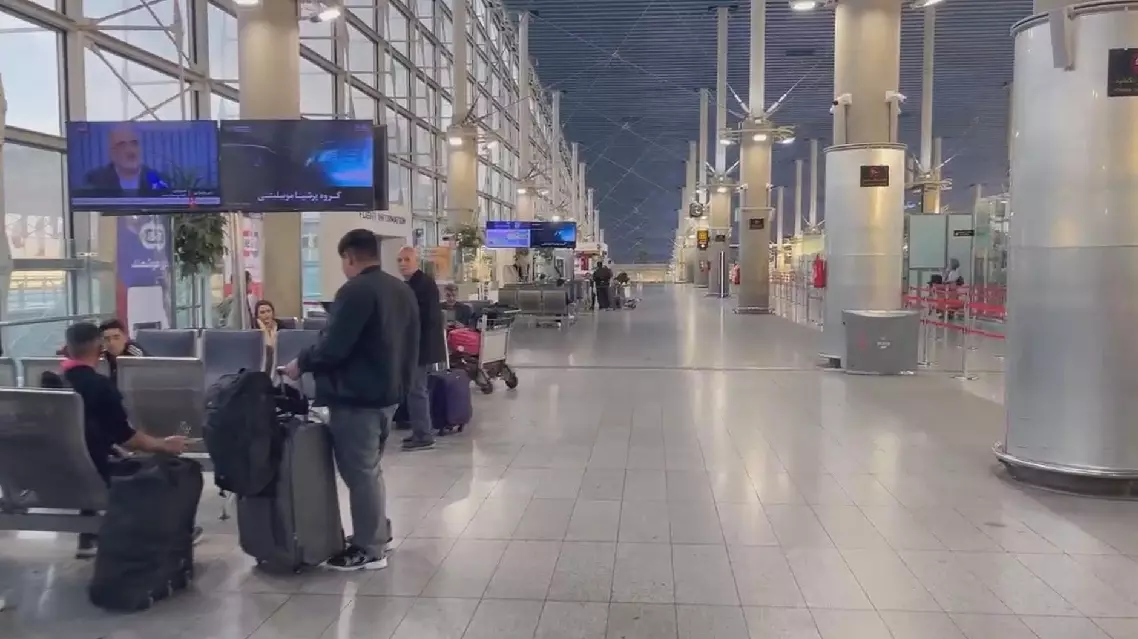
Tehran's largest airport resumes int'l flights: media
New videos obtained recently show Iran's attack on a U.S. military base in Kuwait in March, when the U.S.-Israel-Iran conflict just kicked off.
Recorded at Camp Buehring, the footage released Wednesday by CBS News shows that missiles and drones attacked the camp, and Iranian fighter jets also participated in the attack.
CBS News said the videos were provided by the personnel stationed at the base. To protect the source, the broadcast videos were muted.
It was revealed that the area near the base runway and the ammunition depot was hit.
Footage shows buildings severely damaged, with debris scattered, windows broken, and ceilings collapsed. At night, thick smoke could still be seen rising from the camp.
"It was horrible. They hit us bad," the source told CBS News.
Camp Buehring is about 40 kilometers away from the Iraqi border. Over the past two decades, it has been an important assembly and transfer point for the U.S. Army's ground forces, armored vehicles and aircraft.
It was reported that in the days following the attack, U.S. military commanders began to worry about the increasing shortage of ammunition and supplies.
In addition, if there had been a large number of casualties, the base in a remote desert area would lack the capacity for emergency triage and treatment. Ultimately, the U.S. military decided to withdraw from this base.
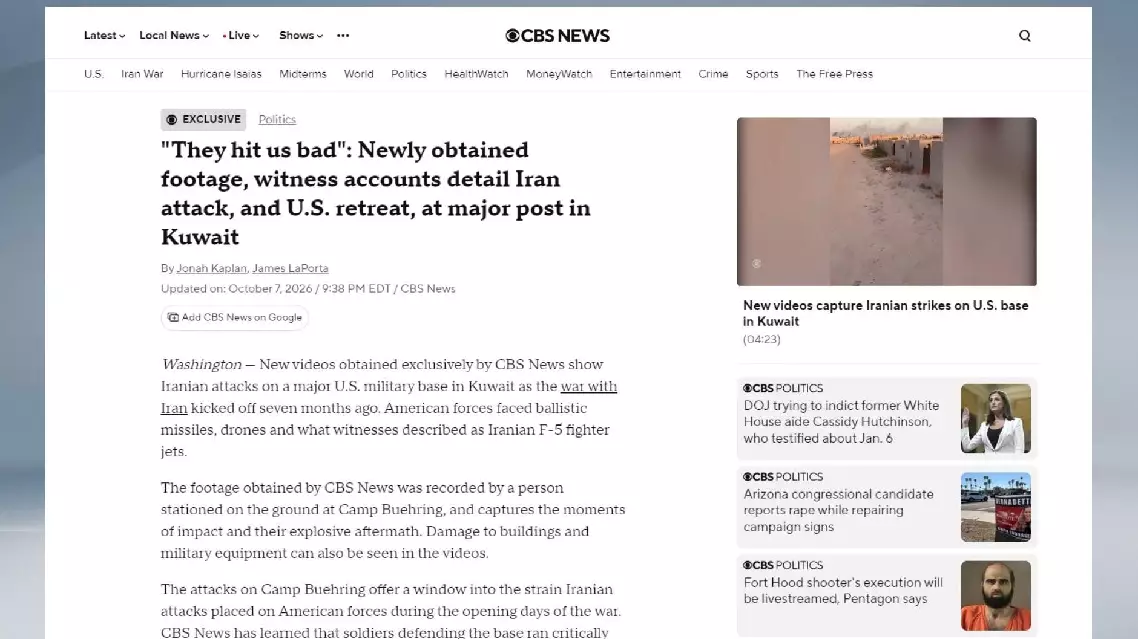
New videos show U.S. military base in Kuwait severely damaged by Iran attack