The Honghe Hani Rice Terraces in Yuanyang County, a UNESCO World Heritage site in southwest China's Yunnan Province, saw about 1.8 million tourist visits in the first quarter of 2026, a surge of 9.89 percent over the same period of last year, local authorities said.
The county's tourism revenue reached 1.58 billion yuan (about 230 million U.S. dollars) in the first three months, a 9.43 percent year-on-year increase.
The Cultural Landscape of Honghe Hani Rice Terraces was inscribed on the UNESCO World Heritage List in 2013. The terraces cascade down the slopes of the towering Ailao Mountains to the banks of the Honghe River.
The terraces, now entering the spring ploughing season, have become a major draw for visitors with their mirror-like waters and vibrant rural scenes, boosting cultural and agricultural economy in Yuanyang.
For generations, the local people, mainly of the Hani ethnic minority group, have transformed the local region's mountainous areas into the current spectacular landscape. They have also developed a complex self-sustaining water system that channels water from the forested mountaintops to the terraced rice paddies.
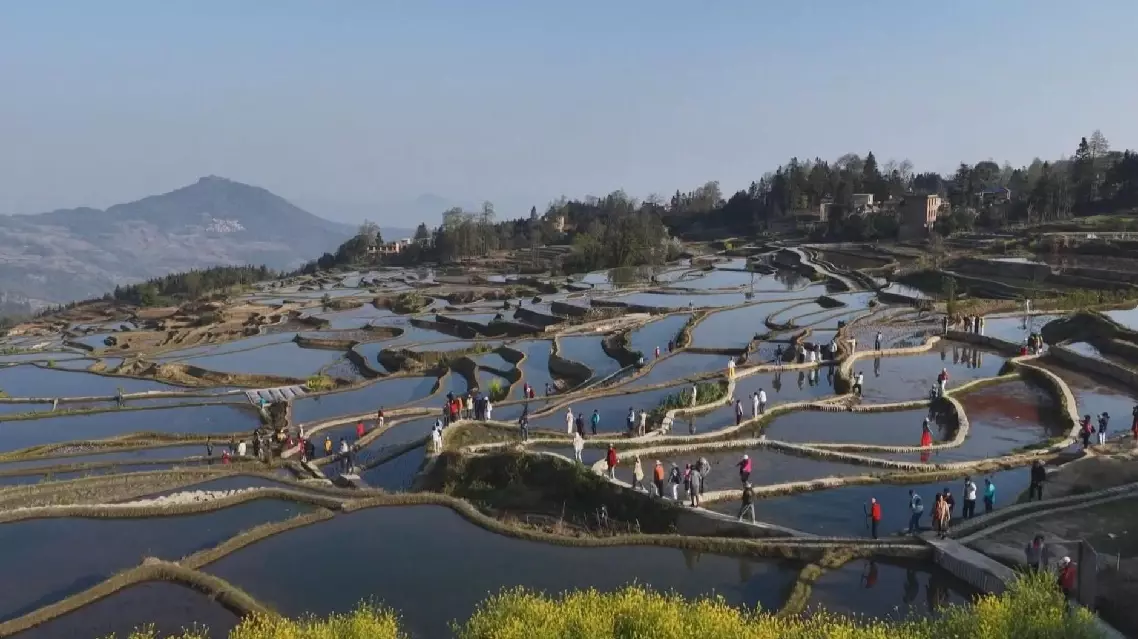
Southwest China's Hani Rice Terraces see surge in tourist visits in Q1
Israel is scheduled to hold parliamentary elections on Tuesday, its first national vote since the Oct. 7, 2023 outbreak of the Palestine-Israel conflict, amid deep divisions among voters over national security and the country's political direction.
Ahead of polling day, voters interviewed by China Global Television Network (CGTN) in Jerusalem identified security concerns and whether to continue supporting Prime Minister Benjamin Netanyahu as key issues shaping their electoral choices.
"The most topic issue for me is the security of the country and what we deal with, and second also the unification of our country, of our people. So, for the unification of the country, I will say that I would support the others, not Netanyahu. But for the safety of the country, I think Netanyahu is the best manager of the situation right now, so I would vote for him probably," said Benny, a Jerusalem resident.
Still, prolonged geopolitical tensions and ongoing fighting have shaken many voters' confidence in the incumbent government's ability to ensure national security.
"I think that this has been an absolute failure; someone who put himself as Mr. Security, I think we're in a worse position than we were. The stalemate that we have with Iran, we haven't accomplished our goals. Politically, we're in a worse situation than we were before. And again, with Hezbollah, despite the military successes, we're still stuck there again. And so all this is a stalemate, he hasn't been able to prove himself, he's not able to move forward," said Evan, another resident.
Meanwhile, some moderate voters are calling for greater unity among different social and ethnic groups within the country, arguing that this is a more pressing priority than security concerns.
"I am most concerned about social issues, there seems to be a big divide in Israel between left and right. I think we need more unity," said Jerusalem resident Raphael.
For peace advocates, ending the Palestine-Israel conflict and the occupation, and promoting coexistence among different communities, remain top priorities. Many ordinary citizens say they are tired of political polarization and prolonged conflict, and are calling for meaningful change.
"Security means peace and it means that taking care of what we did in Gaza and to let people, Jews, Arabs, all nations to live here in peace. Settlers are able to do whatever they do because on their side there are the army and the police, and I hope that there would be someone else on top that really wants to solve it. We didn't achieve anything; we didn't achieve it. It all went the wrong way," said Jerusalem resident Tamara.
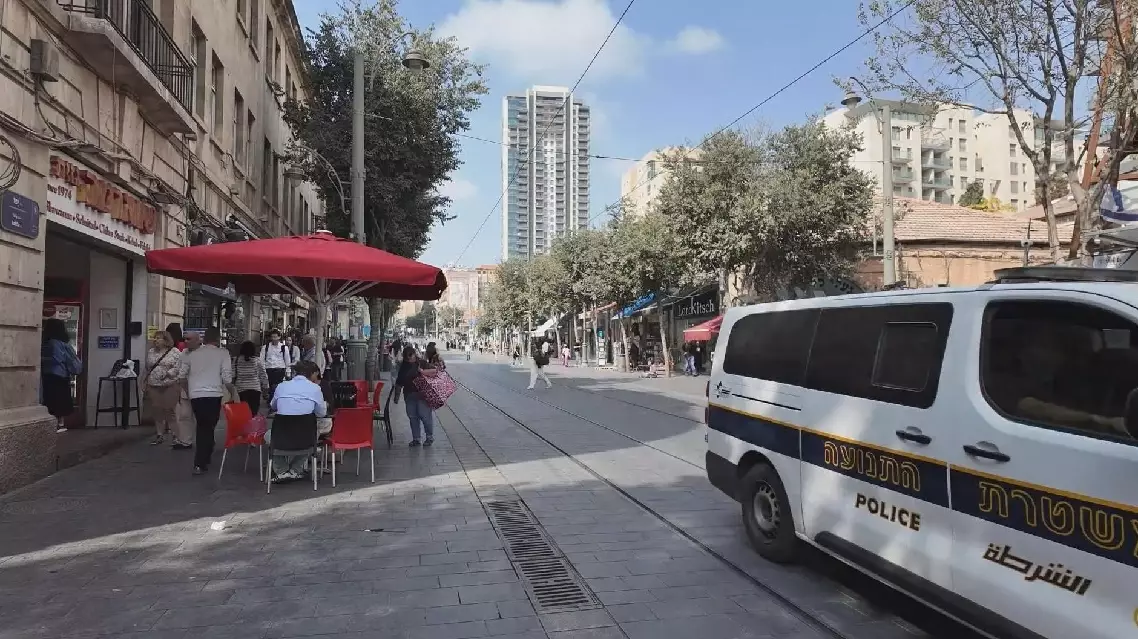
Israeli voters divided ahead of national elections