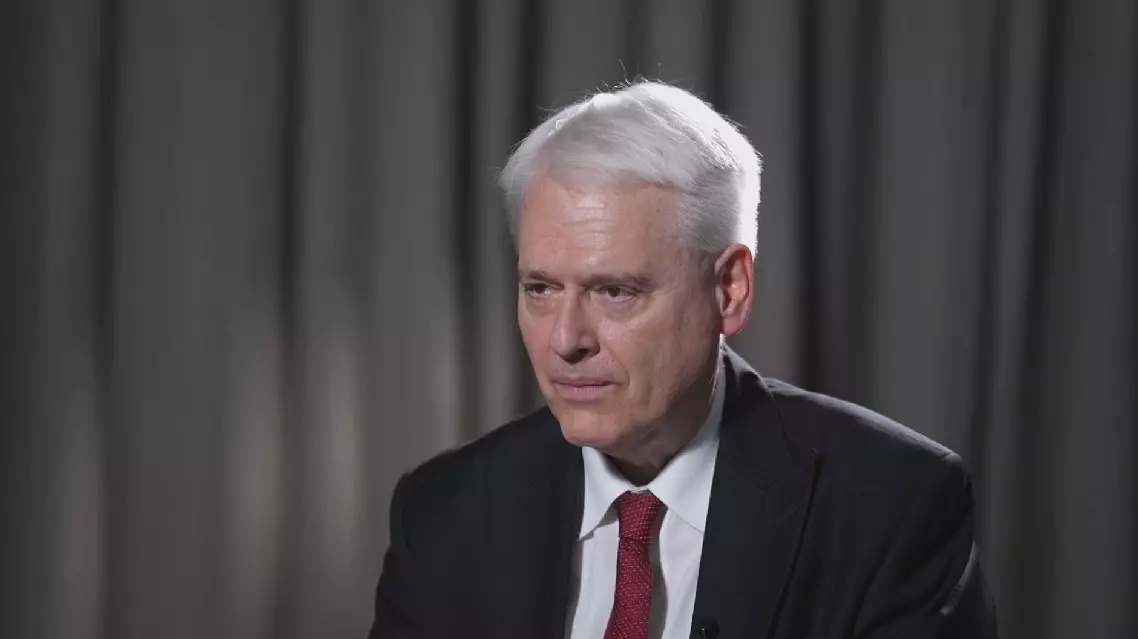
The China-Croatia relations are growing very well, without any disputes, former Croatian President Ivo Josipovic said in an interview with China Media Group (CMG) in Changsha City of central China's Hunan Province on April 19.
China was among the first countries to establish diplomatic relations with Croatia.
China and Croatia established diplomatic relations on May 13, 1992. In 2005, the two countries established a comprehensive cooperative partnership, marking a new stage in the development of bilateral ties.
"Our relations are really very, very good, so no any disputes, political disputes, or whatever disputes, it's very good for both countries, in spite of the fact that China is a huge country, Croatia is a small country, but they are cooperating very good. More and more, Croatia is participating in Belt and Road Initiative. That's very important. Now, few years ago, one of Chinese companies built our most important bridge. And there are some more projects. I think our economic relations will develop further," said Josipovic.
The 2.4-km-long Peljesac Bridge on the southern Adriatic coast of Croatia was constructed by a Chinese consortium led by the China Road and Bridge Corporation (CRBC) and was mainly funded by the European Union.
Ever since its inauguration on July 26, 2022, the bridge has significantly improved people's lives, facilitated traffic and transportation, cut travel time to the Adriatic coast and increased economic opportunities for the region.
Croatia-China economic ties to further develop: former president
Nearly 75 million people across China have benefited from the country's new trade-in program effective since the beginning of 2026, according to the Ministry of Finance on Friday.
Speaking at a press conference in Beijing, officials from the Ministry of Finance briefed on China's fiscal revenue and expenditure in the first quarter of 2026.
Regarding the consumer goods trade-in program, it had generated 540 billion yuan (about 79 billion U.S. dollars) in sales as of April 19, according to the latest official data released by the Ministry of Finance.
China has allocated a total of 125 billion yuan (18.24 billion U.S. dollars) raised from the issuance of ultra-long special treasury bonds in two batches to support the new trade-in program.
Apart from the unified subsidy policy nationwide, local authorities are also able to roll out their own subsidy policies to further stimulate consumption potentials.
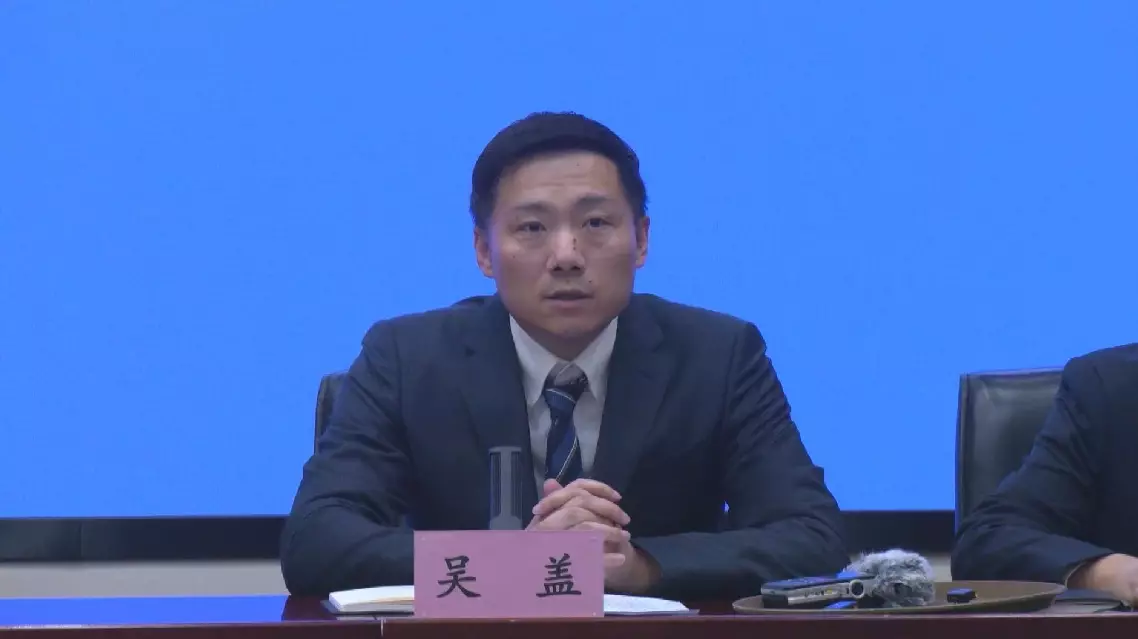
"Under the trade-in program, the sales of new energy passenger cars priced at 200,000 yuan (29,255 U.S. dollars) or higher per unit increased by 5 percent year on year in the first quarter. More digital and smart products have been covered by the trade-in program, which has made them a new hotspot for this year's trade-in program. This led to a 20.8-percent year-on-year growth in retail sales of telecommunications equipment above the designated size in the January-March period," said Wu Gai, deputy director of the Department of Economic Construction with the Ministry of Finance.
Early this year, the Ministry of Finance launched a lottery invoice pilot program across about 50 cities nationwide with a subsidy of 10 billion yuan (1.46 billion U.S. dollars), covering major consumer sectors such as retail, catering, culture and tourism, and sports.
By the end of April 19, 3.68 billion yuan (538.3 million U.S. dollars) worth of lottery invoices had been distributed, driving sales of approximately 160 billion yuan (23.4 billion U.S. dollars) in the related sectors. About 410 million people had received scratch-and-win receipts, with 170 million winning prizes.
China’s new trade-in program benefits nearly 75 million people in 2026