Residents in Tokyo have expressed deep concern about the use of AI-generated disinformation to fuel hostility between countries, after a recent report by Japanese newspaper Asahi Shimbun exposed a plot to fill Japan's social media circles with mass-produced videos centered on anti-China messages.
In response to the revelations, people of all ages expressed concern about the spread of misinformation and its potential to stir up unnecessary political tensions.
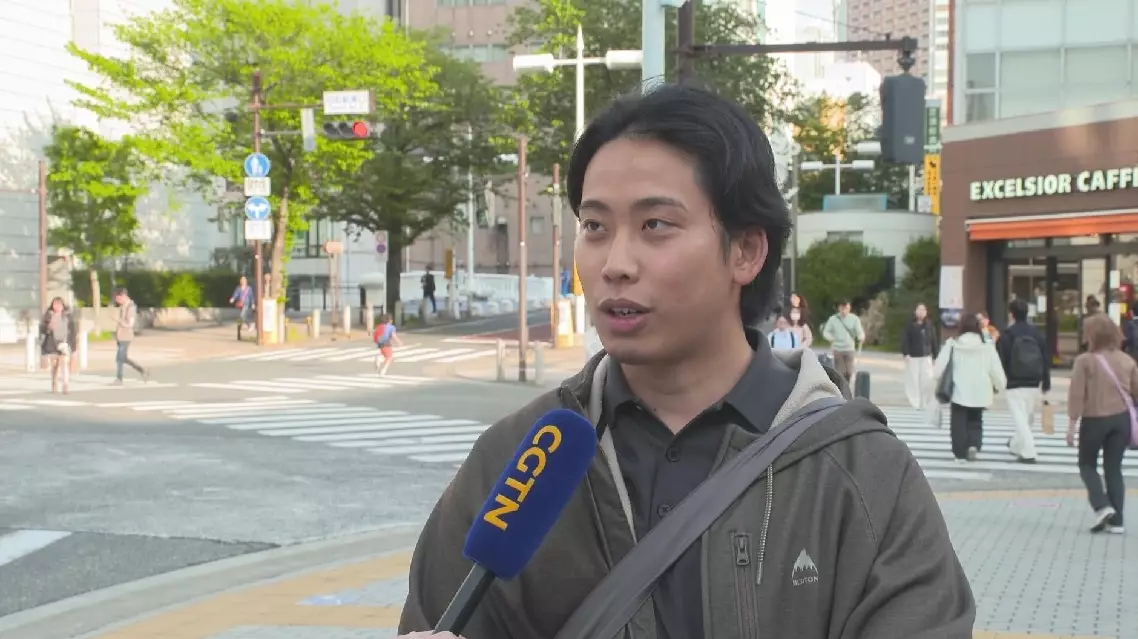
"The fact that a Japanese person asked a company to make an AI video about China in a bad way is truly unbelievable and phenomenal. As a Japanese student, when my friends and I watch this video, since AI is truly believable and realistic, we might believe it. And in fact, not only us, but even older people might believe this, and this could cause troubles within countries that weren't meant to happen," said Miyuka Tsuchiya, a junior high school student.
"I do think these things can appear without people even realizing it. Personally, I do not really like watching that kind of content in the first place. I have traveled to China quite frequently, and I also have Chinese friends, so I don't think there is much value in looking at that kind of information. But people casually browsing YouTube may encounter such content unexpectedly. For people who know nothing about China, or really about any other country, I think if that is the only information they have, they may end up feeling afraid of that country," said Seiya Koyama, a working resident.
"Perhaps these videos weren't made solely due to anti-China sentiment. They could have been made because there is demand for that kind of content. While the share of people demanding such content isn't large, I recognize that there are enough of them to make it lucrative business. As for why it has increased so much, an anti-China sentiment persists among older generations, and I do recognize that there is an anti-China bias. But among younger people, there are quite a few Chinese international students at universities and so on, so there is not really much of an anti-China atmosphere," university student Sota Sakaguchi said.
According to Asahi Shimbun's two-part investigative report, creators on the Japanese online staffing agency CrowdWorks were openly recruited to produce fictional stories featuring Chinese individuals engaging in disruptive behavior.
One former civil servant told Asahi Shimbun that he made anti-China videos to earn money. The man also admitted he has never been to China nor interacted with any Chinese person. Another part-time creator told the newspaper that he initially made videos promoting positive narratives about Japan, but gradually noticed a significant increase in orders for negative narratives about China.
An expert said the phenomenon reflects a structural issue about the attention economy: the more a video inflames negative emotions, the more revenue it generates.
Other experts warn that the use of AI to mass-produce misleading anti-China videos shows how technology can be manipulated to systematically stigmatize another nation. Such misinformation campaigns could erode Japanese society's understanding of China and further limit the possibility of improving bilateral relations.
Tokyo residents warn against fueling hostility with AI disinformation