As Strait of Hormuz tensions expose fossil fuel vulnerability, aviation companies at AERO Friedrichshafen 2026 are fast-tracking sustainable energy solutions, positioning the transition as essential for both climate action and energy independence.
The European general aviation trade show, held Wednesday through Saturday in the German port city of Friedrichshafen on Lake Constance, took place at a critical juncture. With the Middle East conflict intensifying, the International Energy Agency warns that Europe could face a major jet fuel shortage, with supplies potentially running dry in as little as six weeks if Hormuz remains blocked.
Roughly 75 percent of Europe's jet fuel passes through the strategic waterway now at the center of global geopolitical tensions.
Industry analysts noted that aircraft manufacturers are pursuing net-zero emissions by 2050, but the timing of this transition has become more urgent than ever, not just for the climate, but for operational resilience.
Among the innovators showcasing alternatives at AERO Friedrichshafen were innovative startups like Volocopter, a German-Chinese company that has become Europe's first producer of a fully electric multicopter, designed for intercity transport up to 40 kilometers.
"We have six pack of batteries. We can charge it by Volocopter charging stations. The biggest challenges are the endurance of the batteries. And it is improving by 30 percent each year," said Mario Fakour, program manager at Volocopter.
Meanwhile, Swiss firm Green GT presented hydrogen fuel cell technology aimed at freeing aviation from geopolitical supply chains.
"You don't need to wait about what is the situation in Iran, what is the situation in Ukraine, because you can produce hydrogen in every country. So, you do not rely any longer on the oil industry. We can get sovereignty with hydrogen technology," said Matthieu Charrier, technical sales engineer at Green GT.
Despite these promising technologies, the path to sustainable aviation faces significant hurdles. About 99 percent of aviation energy still comes from fossil fuels.
While small regional aircraft are beginning to operate on electric batteries or hydrogen fuel cells, these power sources currently require more space and add considerable weight compared to conventional jet fuel propulsion systems, rendering them impractical for long-haul, high-payload flights.
Ground infrastructure also lags behind technological progress. Airports are not yet equipped with the mega-chargers or hydrogen fueling pipelines needed to support a large-scale deployment.
Given these challenges, some companies are focusing on reducing dependence on conventional jet fuel. Raisbeck Engineering, which exhibited at this year's AERO Friedrichshafen, offers modification kits that can cut fuel consumption by up to 11 percent.
"We haven't got to the point where alternative technologies and matters of propulsion are widespread. And with the political situation and the Strait of Hormuz being blocked off, impacting all the operators around the world with higher fuel prices, we have to make do with what we have now," said David Sylvester, sales director at Raisbeck Engineering.
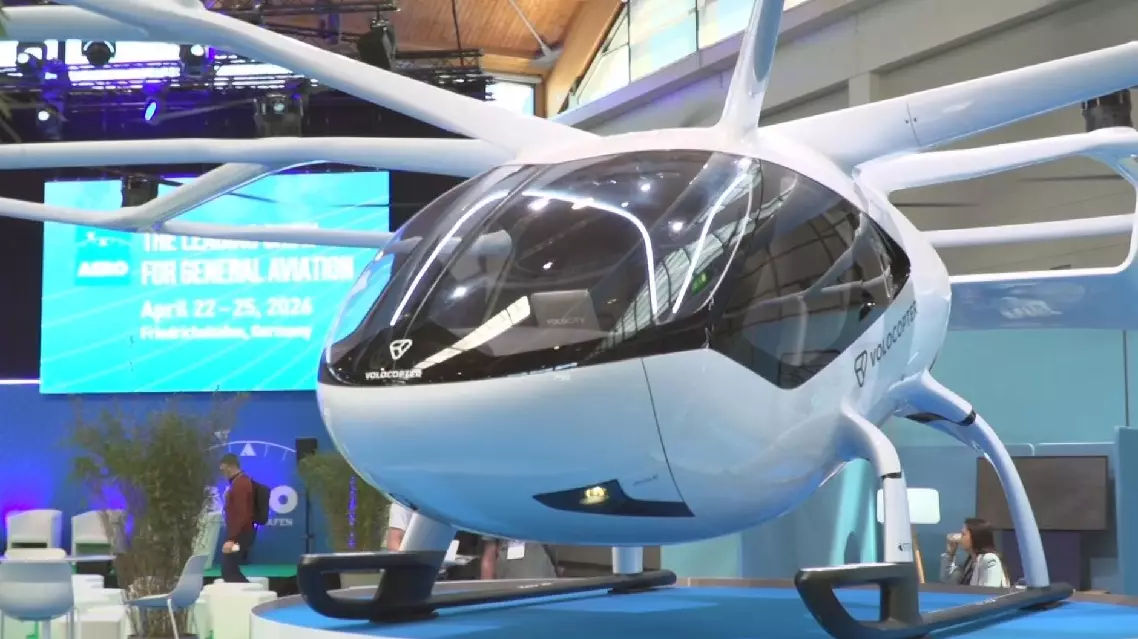
European aviation industry soars toward sustainable future amid Strait of Hormuz crisis
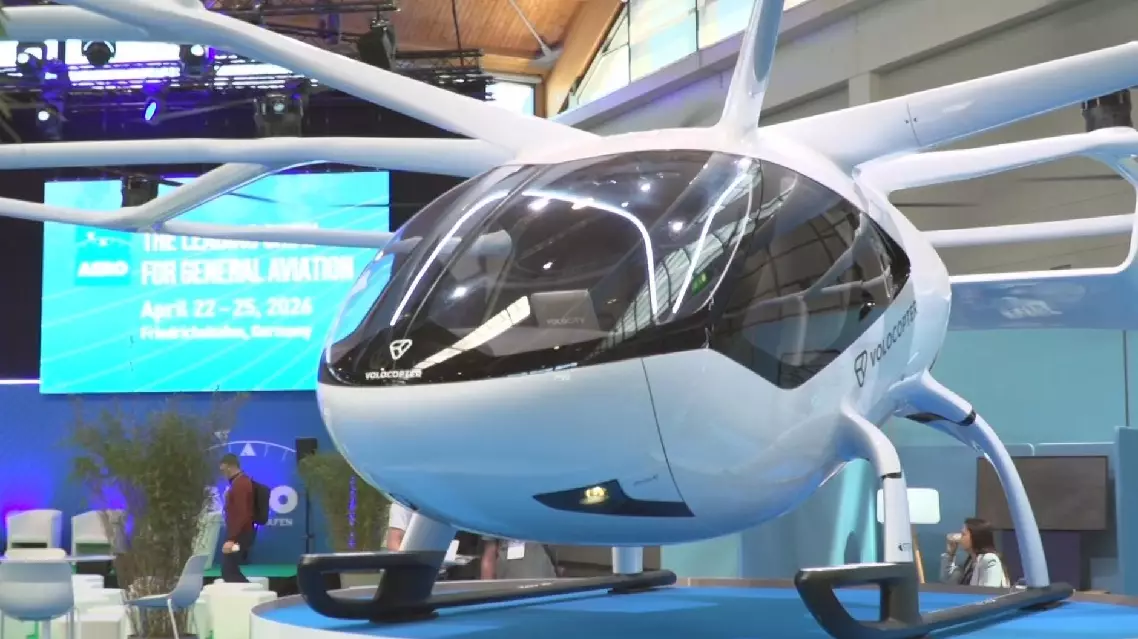
European aviation industry soars toward sustainable future amid Strait of Hormuz crisis