UNDERHILL, Vt. (AP) — Anne O'Connor just kept counting sheep, and it made her anything but sleepy.
A sheep owned by O'Connor, who runs Clover & Bee Farm in Underhill, Vermont, with her husband, Gunnar, gave birth to a rare batch of six lambs earlier this month. The sextuplets and their mother are all doing well, making the lamb windfall even more remarkable.
Click to Gallery
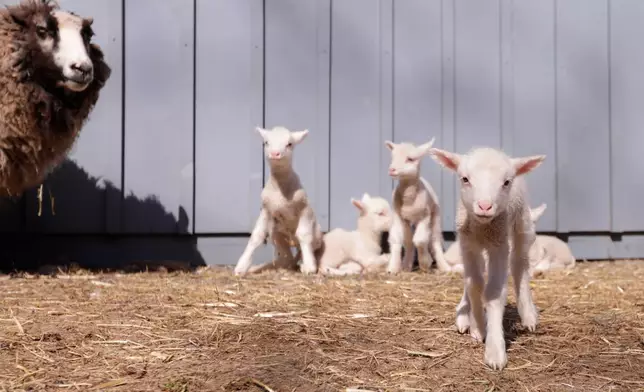
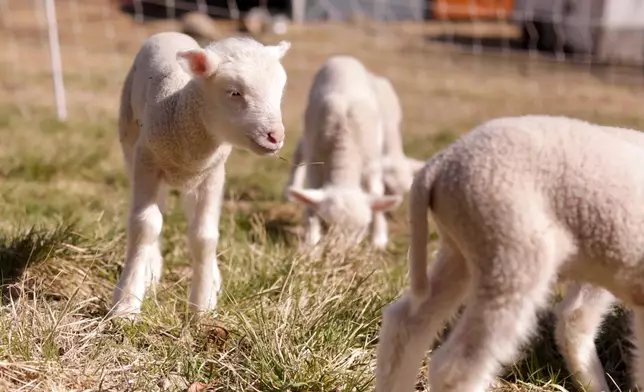
A ewe and her sextuplet lambs are pictured at Clover and Bee Farm, Thursday, April 23, 2026, in Underhill, Vt. (AP Photo/Amanda Swinhart)
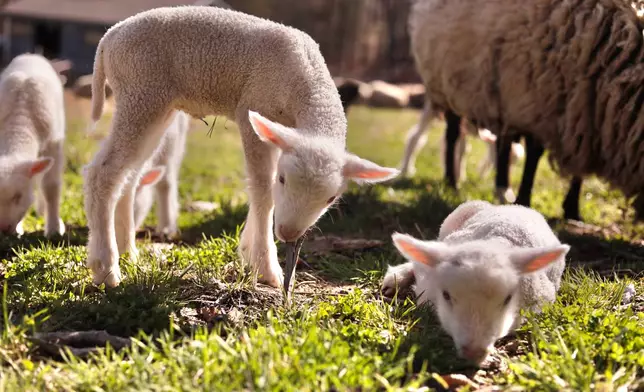
A ewe and her lambs graze at Clover and Bee Farm, Thursday, April 23, 2026, in Underhill, Vt. (AP Photo/Amanda Swinhart)
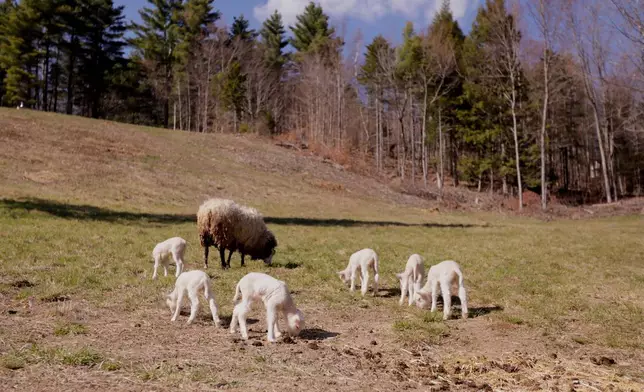
A ewe and her sextuplet lambs graze at Clover and Bee Farm, Thursday, April 23, 2026, in Underhill, Vt. (AP Photo/Amanda Swinhart)
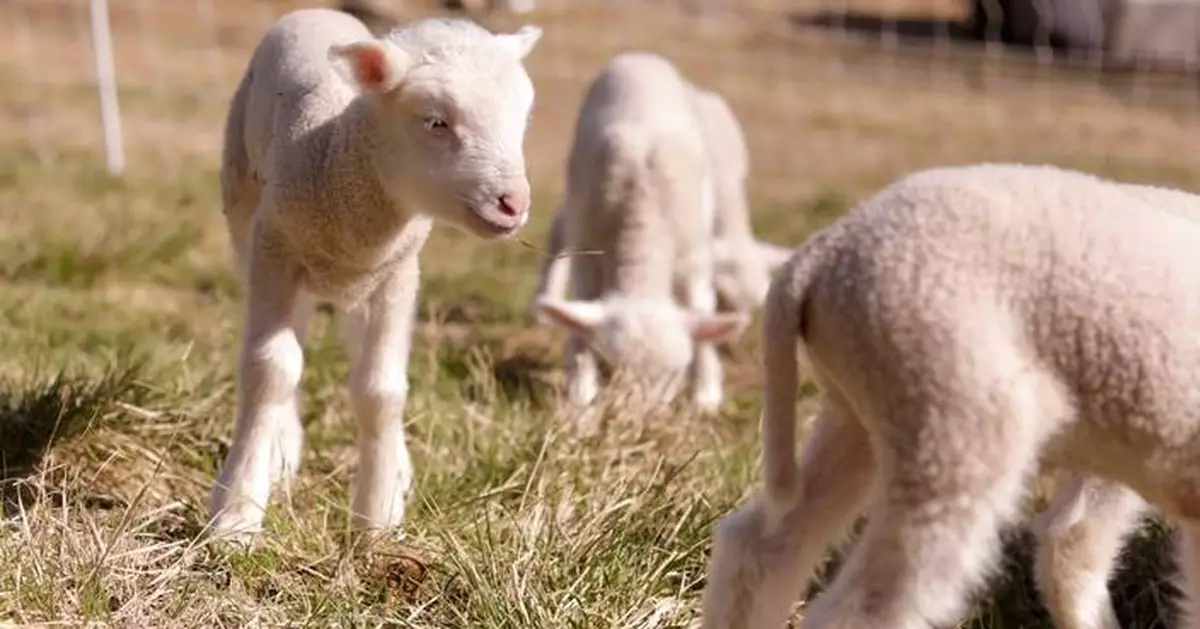
Lambs graze at Clover and Bee Farm, Thursday, April 23, 2026, in Underhill, Vt. (AP Photo/Amanda Swinhart)
The same ewe previously had quadruplets, and while a recent checkup indicated she would have two lambs this time, O'Connor suspected more. When the big day came, the baby lambs seemed to have kept coming and coming, she said.
“I was a little bit suspicious, just given how big she was and that she was going a little earlier, that she might have more than two,” she said. “Six is great, but it's definitely — it's plenty.”
Sources differ on how uncommon sheep sextuplets are, with O'Connor putting the number around 1 in 1,000 and some agricultural websites placing it at one in a million or higher. O'Connor said she has been in touch with the Vermont Sheep & Goat Association about the births, and the group found only one other shepherd had a sheep give birth to so many lambs.
“They do take longer to reach full body weight, but most do just fine,” said Kristen Judkins of Gilead Fiber Farm, who owned a ewe that had sextuplets three years in a row, in an email. “You have to keep an eye on them for the first few weeks to make sure they are getting enough to eat.”
The lambs, which are partially the Finnsheep breed, are named the numbers one through six in Finnish. Their mother is named Teemu after Finnish hockey player and Hockey Hall of Famer Teemu Selänne. The O'Connors plan to keep the four ewes and find homes for the two male lambs.
The farm raises sheep for wool and also grows herbs and berries. It's headed for its fifth summer raising sheep. The flock is booming — along with two other recent babies, the six new lambs have brought the total up to 21. And five ewes are currently pregnant.
Teemu's breeding days are likely not over. She'll be allowed a respite, but odds are good she'll have more lambs in the future, O'Connor said.
“She’s a great mom, she’s doing awesome with this,” O'Connor said. “She’s still very much in her reproductive years, so probably a year or more and she’ll just, you know, be able to put her hooves up.”
Whittle reported from Portland, Maine.
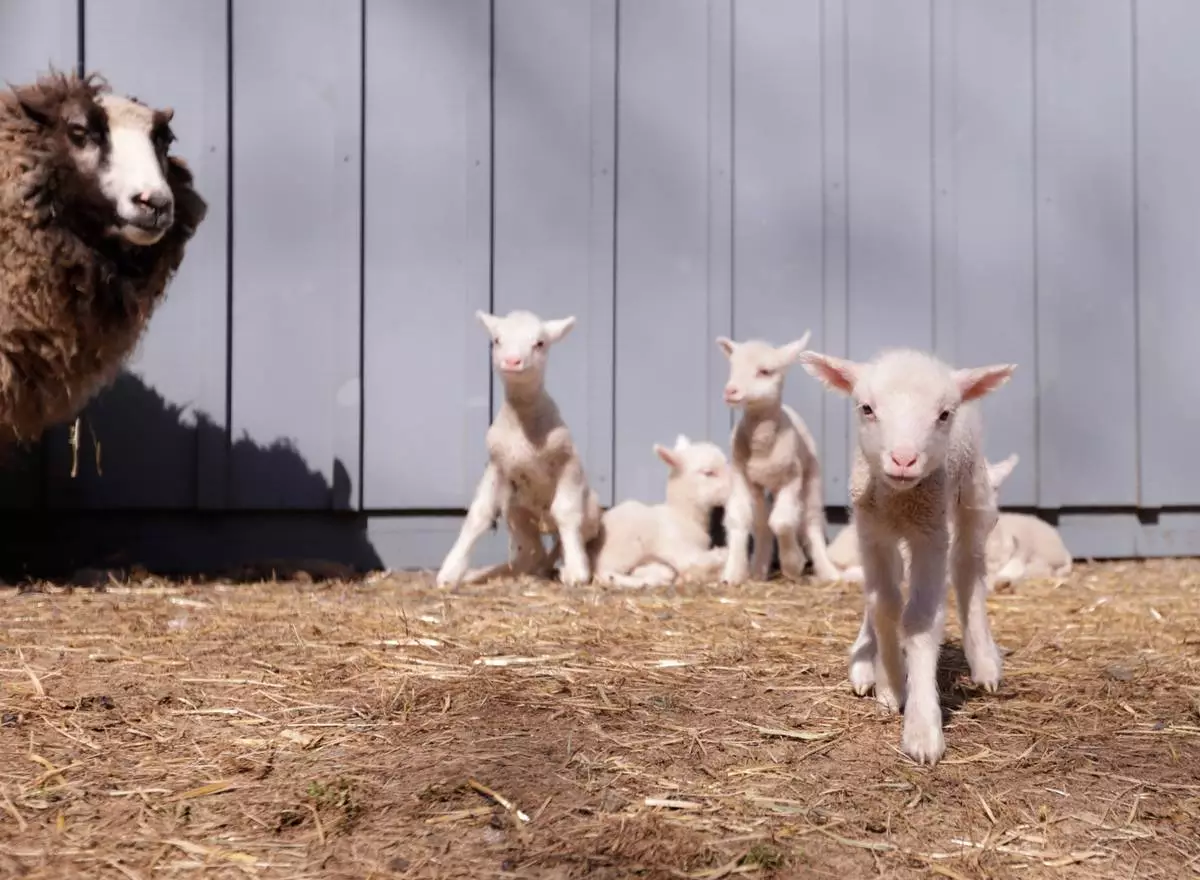
A ewe and her sextuplet lambs are pictured at Clover and Bee Farm, Thursday, April 23, 2026, in Underhill, Vt. (AP Photo/Amanda Swinhart)
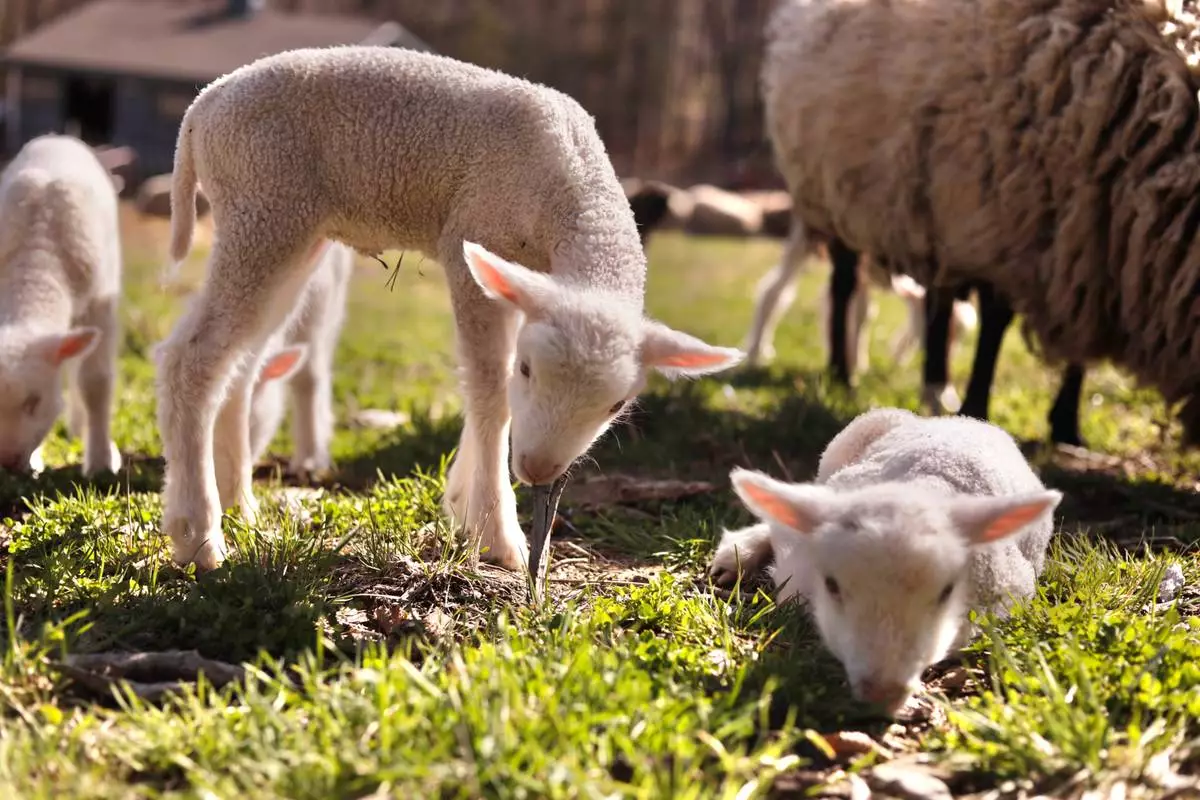
A ewe and her lambs graze at Clover and Bee Farm, Thursday, April 23, 2026, in Underhill, Vt. (AP Photo/Amanda Swinhart)
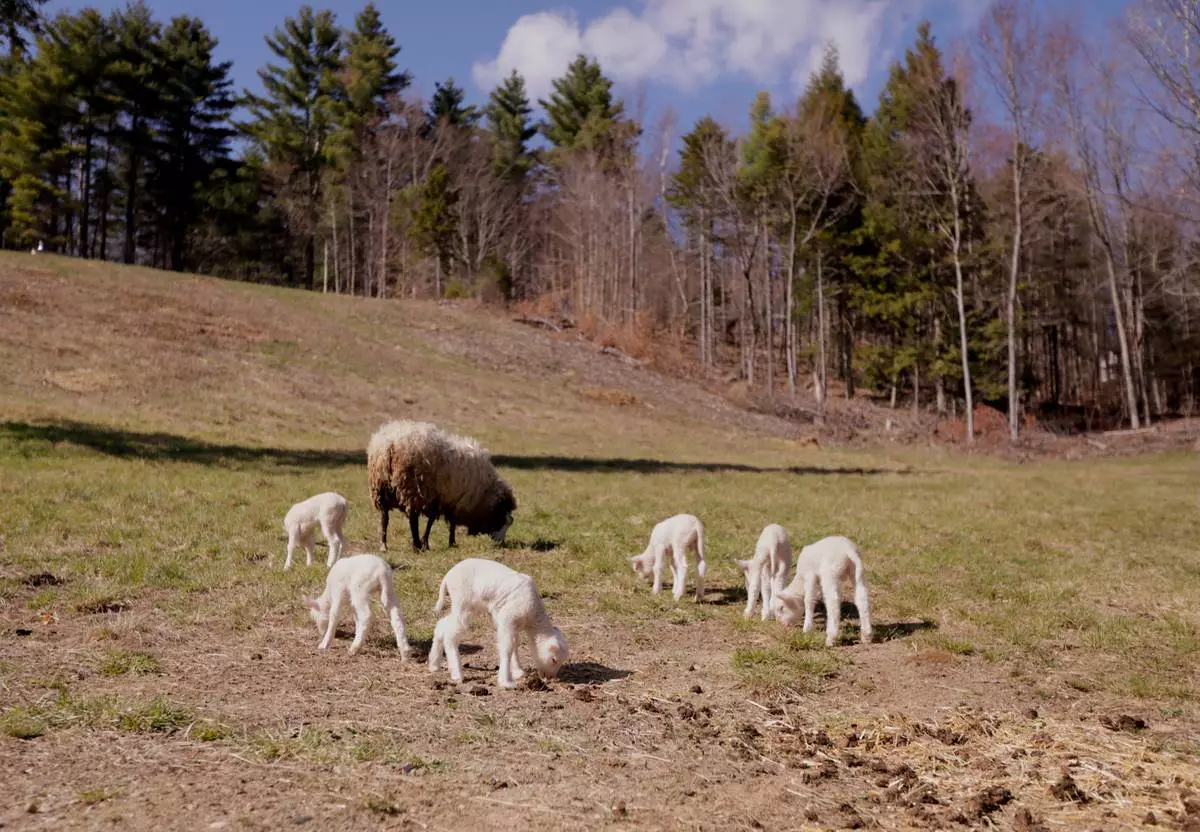
A ewe and her sextuplet lambs graze at Clover and Bee Farm, Thursday, April 23, 2026, in Underhill, Vt. (AP Photo/Amanda Swinhart)
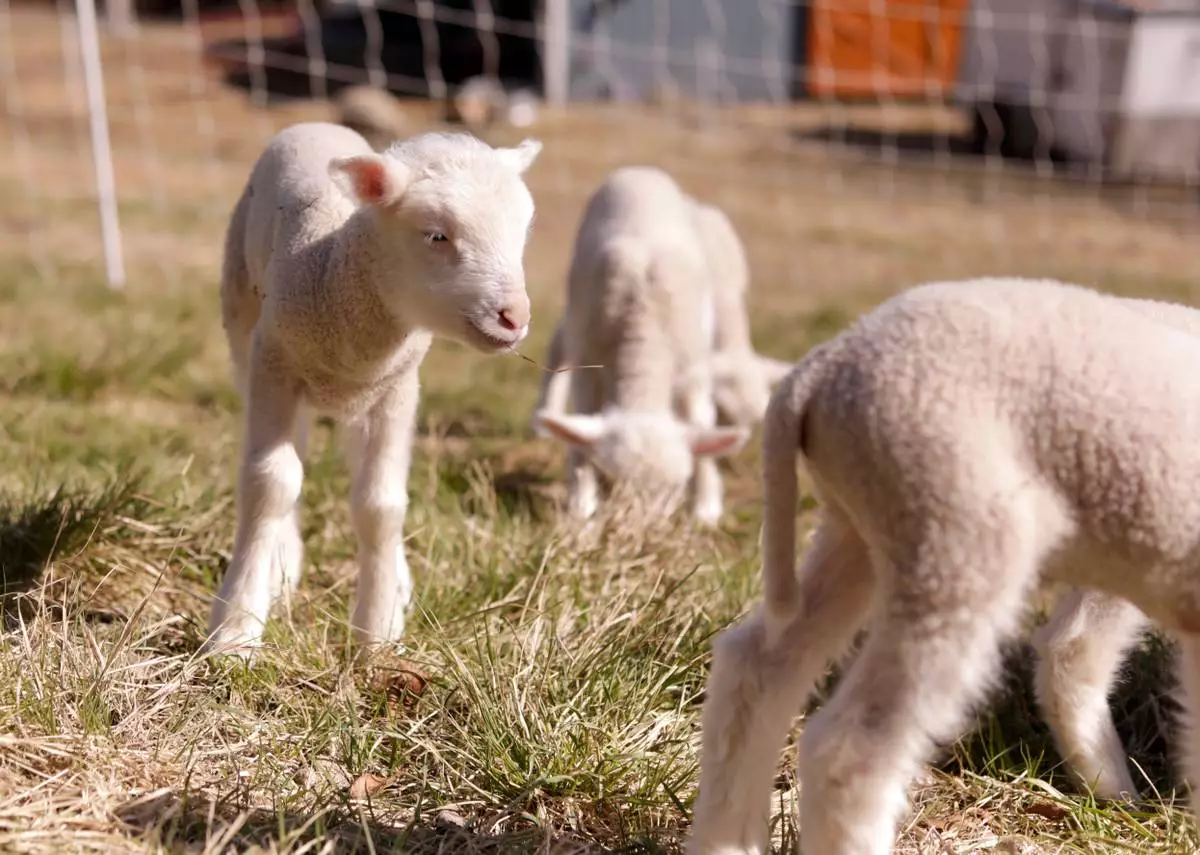
Lambs graze at Clover and Bee Farm, Thursday, April 23, 2026, in Underhill, Vt. (AP Photo/Amanda Swinhart)
Two years ago, Josephine Timperman arrived at college with a plan. She declared a major in business analytics, figuring she'd learn niche skills that would stand out on a resume and help land a good job after college.
But the rise of artificial intelligence has scrambled those calculations. The basic skills she was learning in things like statistical analysis and coding can now easily be automated. “Everyone has a fear that entry-level jobs will be taken by AI,” said the 20-year-old at Miami University in Ohio.
A few weeks ago, Timperman switched her major to marketing. Her new strategy is to use her undergraduate studies to build critical thinking and interpersonal skills — areas where humans still have an edge.
“You don’t just want to be able to code. You want to be able to have a conversation, form relationships and be able to think critically, because at the end of the day, that’s the thing that AI can’t replace,” said Timperman, who is keeping analytics as a minor and plans to dive deeper into the subject for a one-year master’s program.
Today’s college students say that picking a major that’s “AI-proof” feels like shooting at a moving target as they prepare for a job market that could be fundamentally different by the time they graduate.
As a result, many are reconsidering their career paths. About 70% of college students see AI as a threat to their job prospects, according to a 2025 poll by the Institute of Politics at the Harvard Kennedy School, while recent Gallup polling finds U.S. workers are increasingly concerned about being replaced by new technologies.
The uncertainty appears most concentrated among those pursuing degrees in technology and vocational areas of study, where students feel a need to develop expertise in AI but also fear being replaced by it. A recent Quinnipiac poll found the vast majority of Americans believe it’s “very” or “somewhat” important for college and university students to be taught how to use AI, as Gallup Workforce polling finds AI is getting adopted in technology-related fields at higher rates. Meanwhile, students studying healthcare and natural sciences may be less impacted by AI overhauls, Gallup found.
“We see students all the time change majors. That’s not new or different. But it’s usually for a ton of different reasons,” said Courtney Brown, a vice president at Lumina, an education nonprofit focused on increasing the number of students who seek education beyond high school. “The fact that so many students say it’s because of AI — that is startling.”
A recent Gallup poll of Generation Z youth and adults, between the ages of 14 and 29, found increasing skepticism and concerns about AI. Although half of Gen Z adults use AI at least “weekly,” and teenagers report higher use, many in this generation see drawbacks to the technology and worry about AI's impact on their cognitive abilities and job prospects. About half — 48% — of Gen Z workers say the risks of AI in the workforce outweigh the possible benefits.
Part of the challenge for college students is that the experts they would typically turn to for advice, like advisers, professors and parents, don’t have any answers. “Students are having to navigate this on their own, without a GPS,” says Brown.
That uncertainty was evident last month at Stanford University, where the leaders of several prominent universities gathered for a wide-ranging panel discussion on the future of higher education. Topics of concern included the AI revolution that is transforming how students learn and forcing educators to rethink pedagogy.
“We need to think really hard about what students need to learn to be successful in the job market in 10, 20, 30 years,” said Brown University President Christina Paxson.
“And none of us know. We don’t know the answer to that,” Paxson said. “I think it’s communication, it’s critical thought. The fundamentals of a liberal education are probably more important than learning how to code in Java right now.”
Computer science major Ben Aybar, 22, graduated last spring from the University of Chicago and applied for about 50 jobs, mostly in software engineering, without getting a single interview. He pivoted to a master’s degree in computer science and meanwhile has found part-time work doing AI consulting for companies.
“People who know how to use AI will be very valuable,” said Aybar, who sees new jobs emerging that require AI skills, particularly for people who can explain the complexities in layman's terms. “Being able to talk to people and interact with people in a very human way I think is more valuable than ever.”
At the University of Virginia, data science major Ava Lawless is wondering if her major is worthwhile but can’t get concrete answers. Some advisers feel that data scientists will be safe because they’re the ones building AI models, but she keeps seeing gloomy job reports that indicate the contrary.
“It makes me feel a bit hopeless for the future,” Lawless said. “What if by the time I graduate there’s not even a job market for this anymore?”
She is considering switching to studio art, which is her minor.
“I’m at a point where I’m thinking if I can’t get a job being a data scientist, I might as well pursue art,” she said. “Because if I’m going to be unemployed, I might as well do something I love.”
The Associated Press’ education coverage receives financial support from multiple private foundations. AP is solely responsible for all content. Find AP’s standards for working with philanthropies, a list of supporters and funded coverage areas at AP.org.
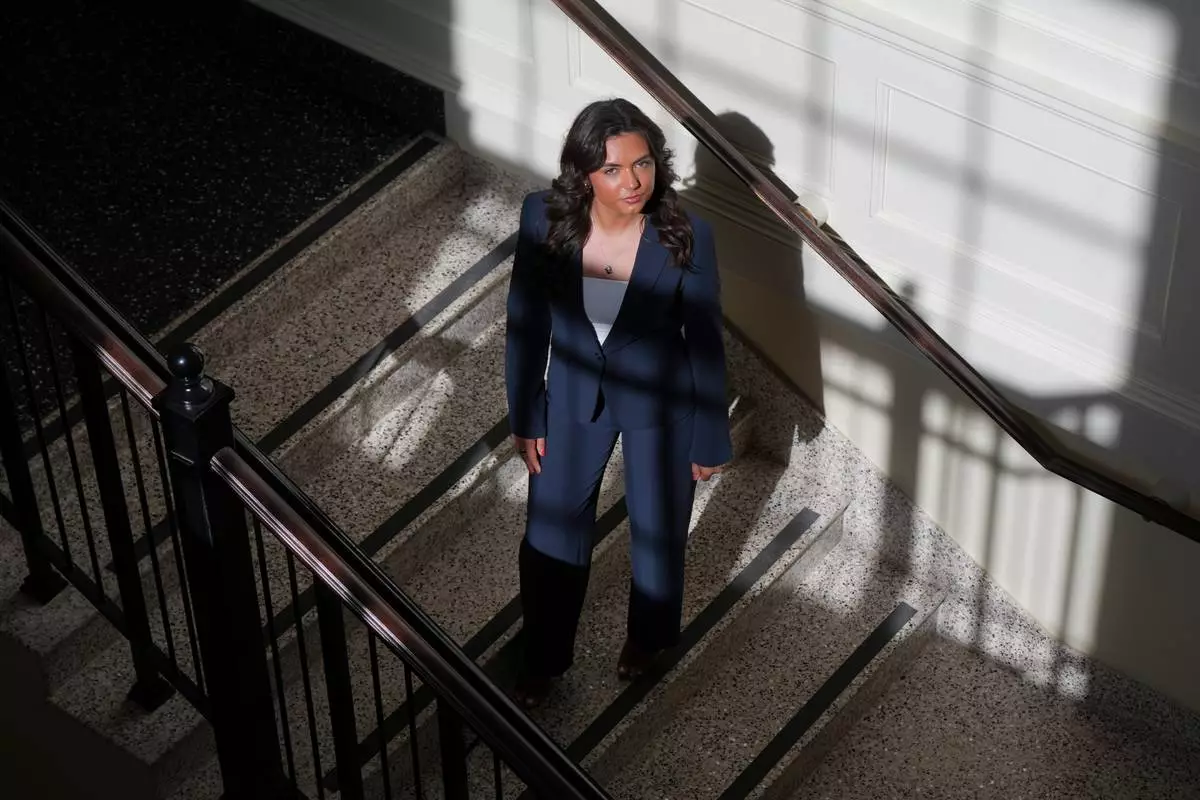
Josephine Timperman, a student at Miami University, poses for a portrait Friday, April 24, 2026, in Oxford, Ohio. (AP Photo/Jeff Dean)
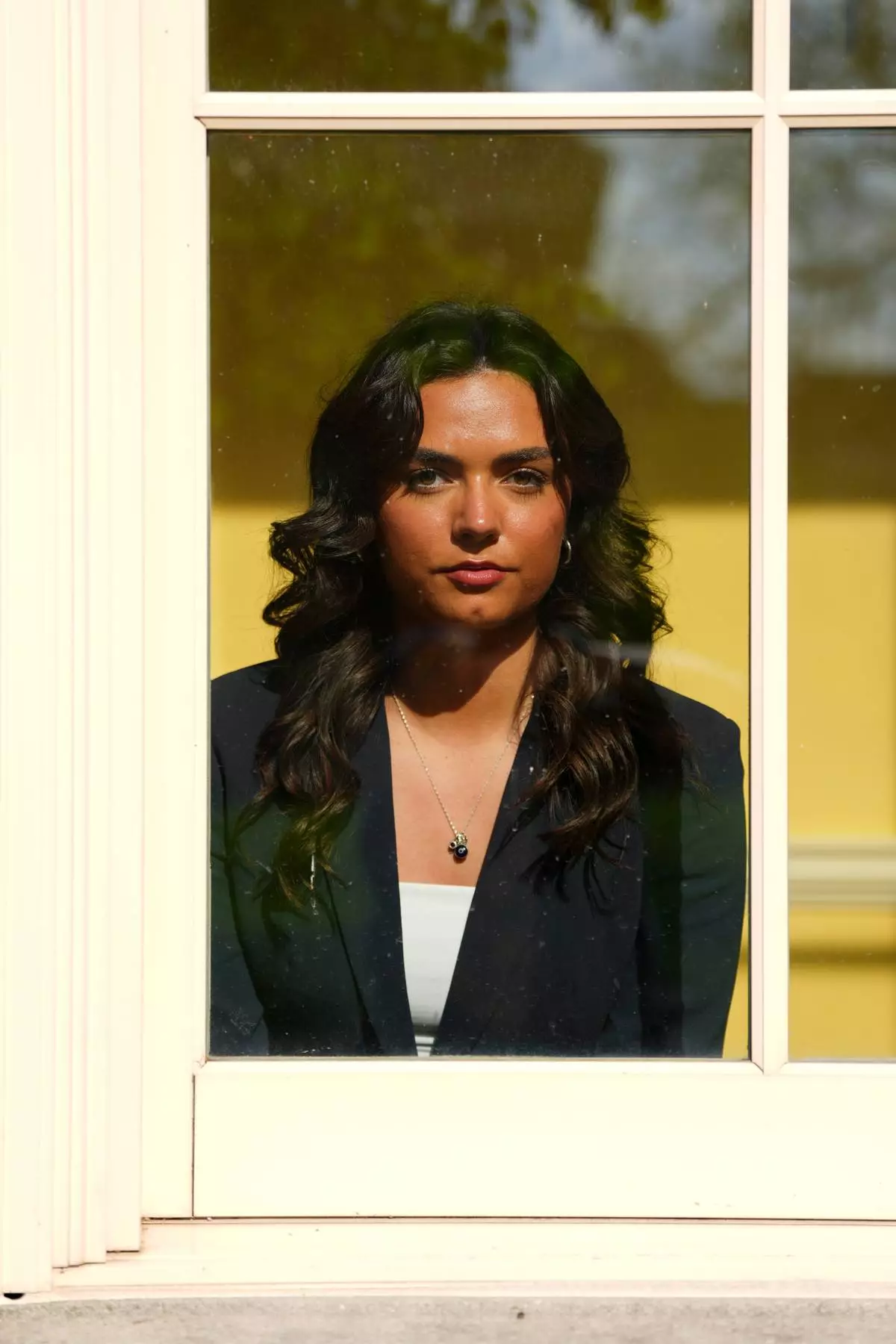
Josephine Timperman, a student at Miami University, poses for a portrait Friday, April 24, 2026, in Oxford, Ohio. (AP Photo/Jeff Dean)
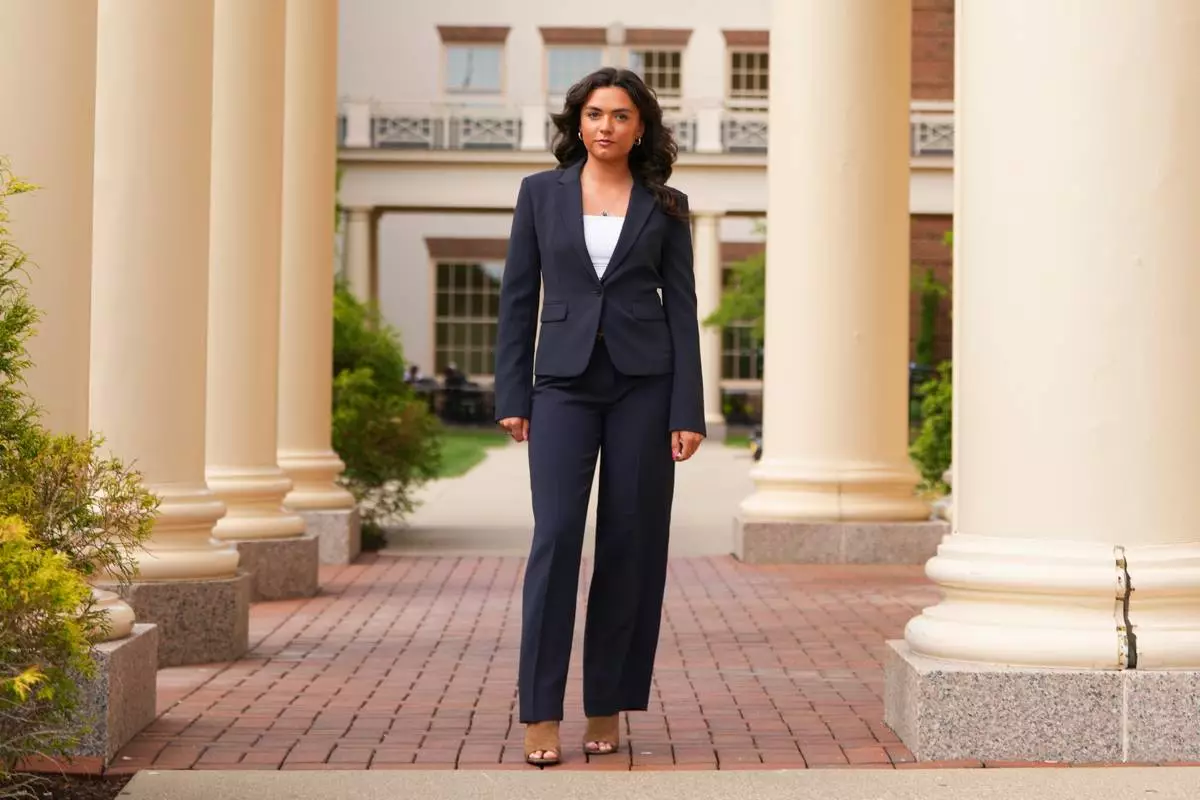
Josephine Timperman, a student at Miami University, poses for a portrait Friday, April 24, 2026, in Oxford, Ohio. (AP Photo/Jeff Dean)