Rhetoric dehumanizing immigrant and Latino communities may appear more open and in-your-face in the current political climate. But that has not been a barrier for Latinos seeking elective office or high-level roles in government.
Voters are choosing an increasing number of nonwhite Hispanic leaders to local elective office — and many of the leaders are the first Latinos to hold their seats. Some political science experts attribute the rise of Latino leadership to years of grassroots organizing, coupled with ongoing demonization of their communities by Trump administration officials and conservative activists.
Click to Gallery
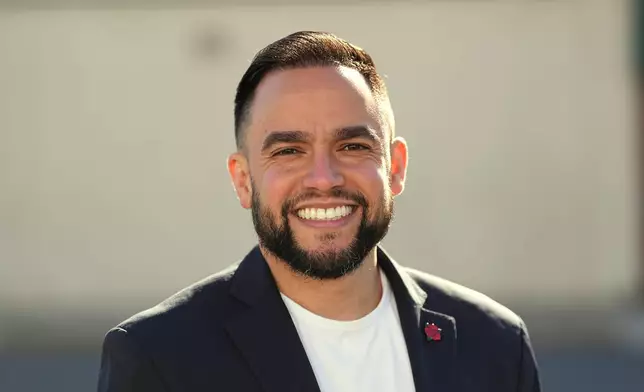
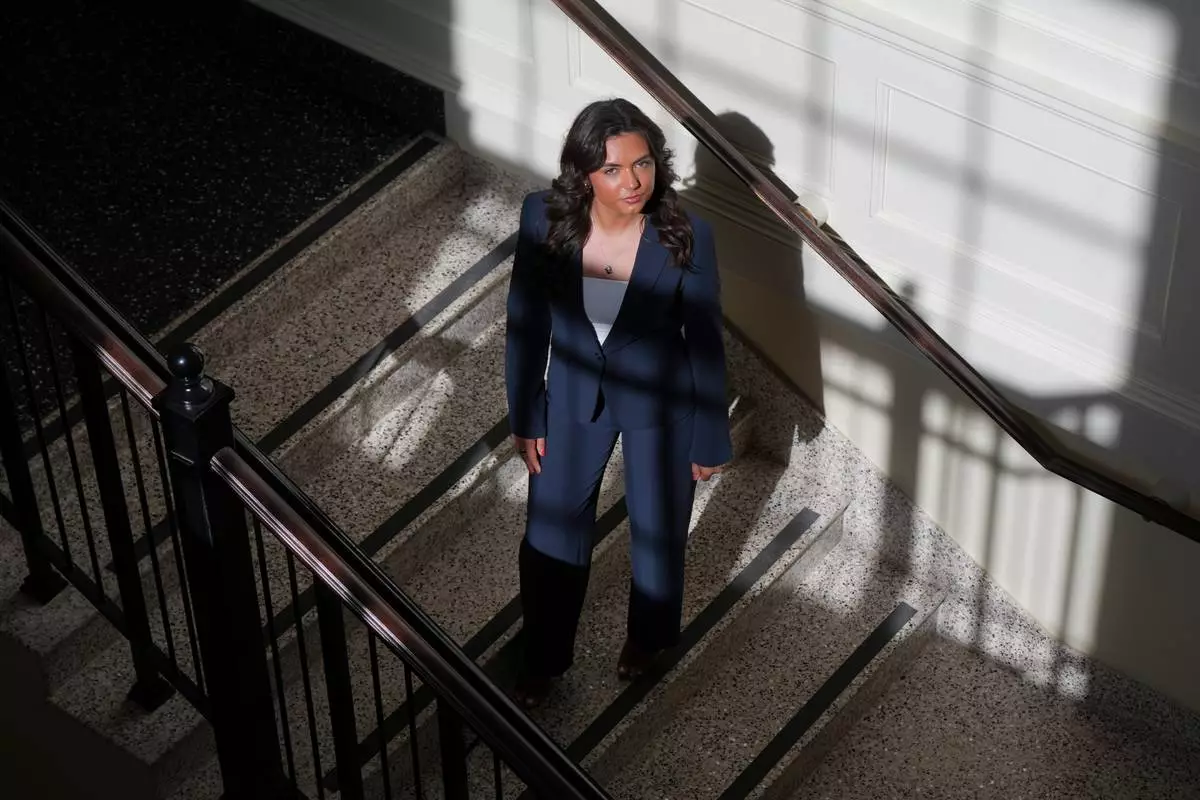
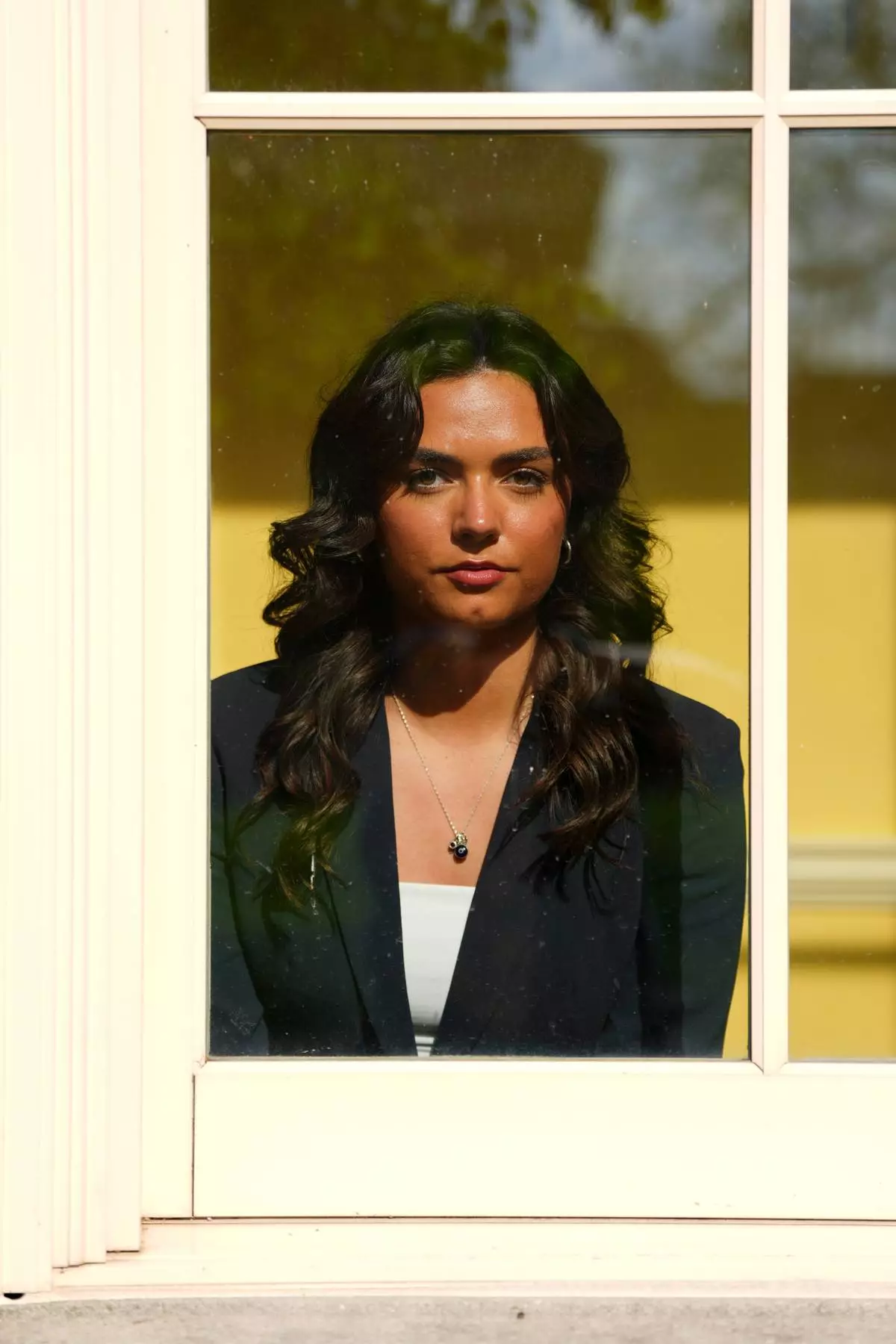
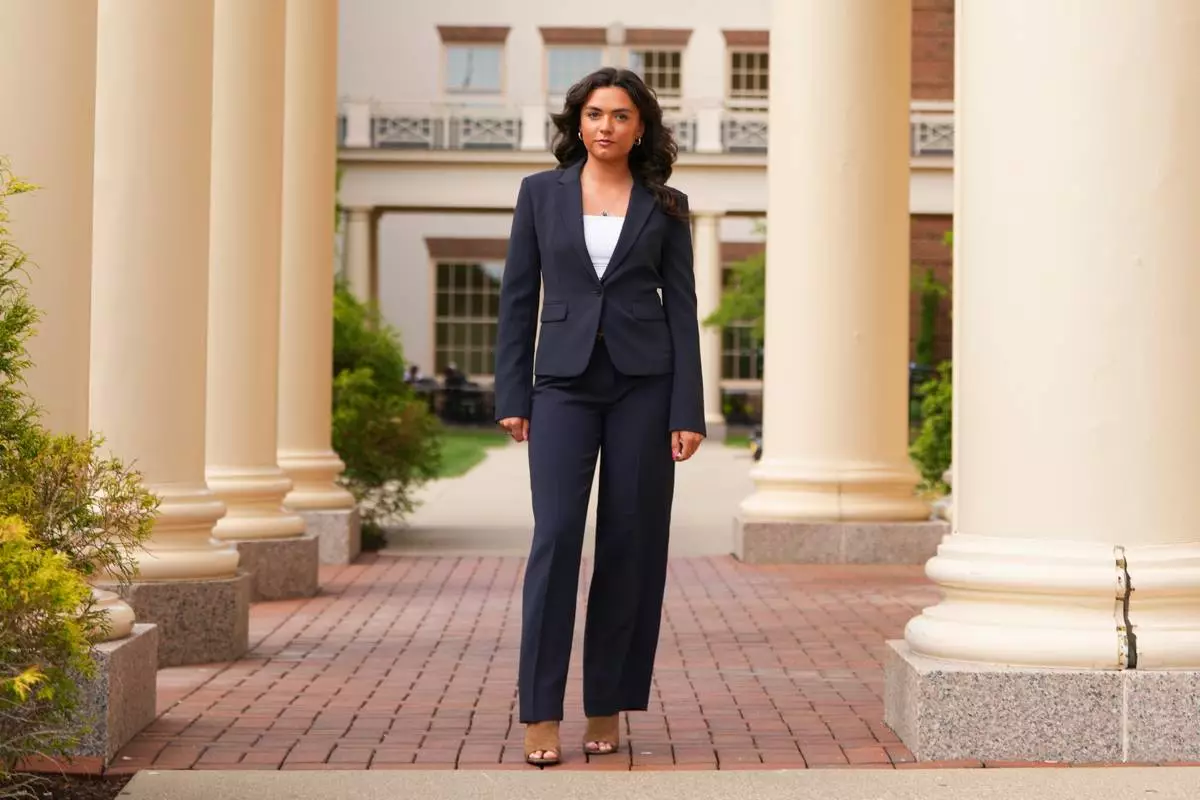
Lancaster Pa., Mayor Jaime Arroyo poses for a photograph in Reading, Pa., Wednesday, April 8, 2026. (AP Photo/Matt Rourke)
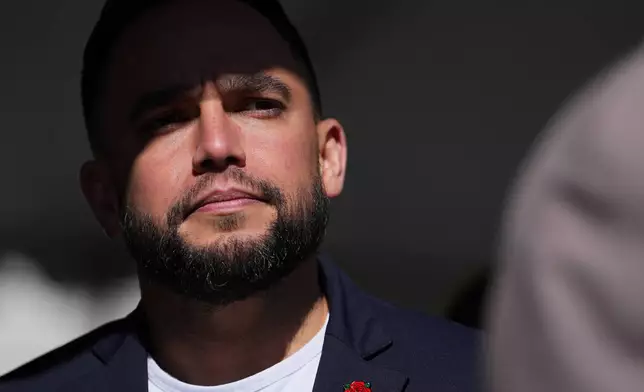
Lancaster Pa., Mayor Jaime Arroyo attends a ribbon cutting for a Finanta Credit Union in Reading, Pa., Wednesday, April 8, 2026. (AP Photo/Matt Rourke)
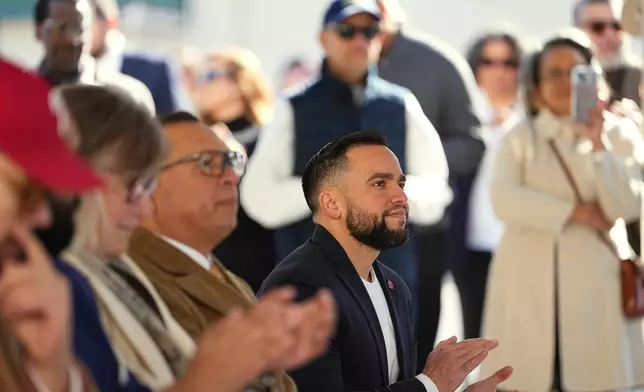
Lancaster Pa., Mayor Jaime Arroyo attends a ribbon cutting for a Finanta Credit Union in Reading, Pa., Wednesday, April 8, 2026. (AP Photo/Matt Rourke)
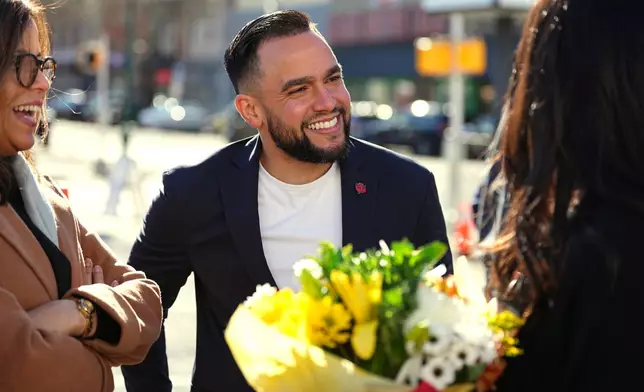
Lancaster Pa., Mayor Jaime Arroyo speaks with attendees at the ribbon cutting for a Finanta Credit Union in Reading, Pa., Wednesday, April 8, 2026. (AP Photo/Matt Rourke)
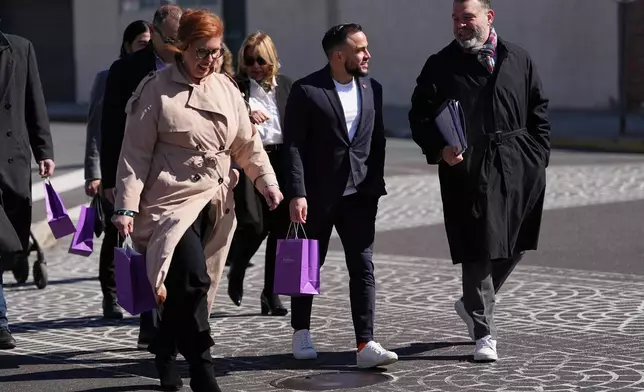
Lancaster Pa., Mayor Jaime Arroyo speaks with attendees at the ribbon cutting for a Finanta Credit Union in Reading, Pa., Wednesday, April 8, 2026. (AP Photo/Matt Rourke)
“That's the difference now, is that there's this extra incentive of an unrelenting attack on Latinos across the country,” said Anna Sampaio, an ethnic studies professor at Santa Clara University who specializes in race and gender politics.
There are currently an estimated 7,700 Latino elected officials nationwide, according to data from the National Association of Latino Elected and Appointed Officials. That's up from 6,883 officials in 2020.
Estimated to number as many as 55 million people — 16% of the U.S. population — Latinos are the largest ethnic minority in the country, with politics, interests and priorities as diverse as the national origins represented within their population. But Latinos also are underrepresented as a demographic across elective offices.
Since the beginning of President Donald Trump's second term, Latino communities have been a target of his hard-line immigration tactics. The feeling of attack doesn't stop there. From memes shared from the official White House page perpetuating Hispanic stereotypes, a federally led English-only initiative and an anti-diversity, equity and inclusion push have painted a target on Latinos across the country.
It's all led to more Latinos seeking office to defend their communities and give voice to those who may be afraid to speak out in the current political climate. As a result, legislators have proposed measures that include providing community members with protections against the U.S. Immigration and Customs Enforcement, halting the approval of ICE detention centers in their cities, and calling for a stop to ICE funding, among other actions.
Lancaster, Pennsylvania, with a roughly 40% Hispanic population, recently elected Jaime Arroyo their first Latino mayor. Arroyo took office in January, after being elected with 85% of the vote.
“I think being the first Latino to be in this role and the first person of color to be mayor of Lancaster City has been exciting,” Arroyo told The Associated Press, adding that he finds it “extremely exciting to lead and represent our community in this role.”
With rhetoric and national policies — such as heightened immigration enforcement — hurting the Latino communities, Arroyo said, diverse representation in government is more important than ever. He also believes that the rise of elected Latino officials over the last couple of years is the result of generations of Latinos being politically active fighting for civil rights.
“We're starting to see a lot of the fruits of that labor come to fruition,” Arroyo said. “There's never a perfect time to serve your community, there's the right time. And I think right now is the right time for a lot of Latinos to step up into these roles, especially with everything that is going on.”
Many more Latinos made history when they took office in earlier this year.
In Iowa, Rob Barron was sworn in Jan. 12 as the first Latino representative on the Des Moines City Council. Antonio Pacheco was sworn on Jan. 7 to be the first Latino member of the city council in Conyers, Georgia. In Ohio, Eileen Torres became the first Mexican American women to win a city council seat in Lorain. Sabrina Gonzalez also took office there as the first Puerto Rican women to serve.
And in Michigan, Clara Martinez and Deyanira Nevarez Martinez were sworn in Jan. 1 to the Lansing City Council, making the city the first in the U.S. to have a council with majority Latino representation.
Martinez said her election, and that of Nevarez Martinez, makes a bit statement about “what people are truly open to despite the national rhetoric.”
“I think because of the rhetoric that we are having to face and some of the backlash on the national stage, I think that’s just fueled the fire for so many people,” she said.
The Salt Lake City Council also has a Latino majority, with four of seven seats, after Erika Carlsen, the granddaughter of Mexican immigrants, was sworn in on Jan. 5. Carlsen said her success is possible because of current and previous generations that put in the work to create spaces where Latinas were encouraged to take leadership positions.
“I feel like I'm building on early generations of leadership,” Carlsen said. “That's both an honor and responsibility to improve Salt Lake City for the people who live here.”
Carlsen said even if representation at the federal level is not high or visible she said having representation at the local level can have a huge impact.
“I think that it's critically important that we continue to build on this momentum,” Carlsen said. “The majority of change that can happen starts locally, it doesn't start in Washington but in City Hall, school boards and neighborhoods conversations. That's the kind of momentum I'd love to see all across the United States.”
Carolina Welles, executive director of The First Ask, an organization that supports first-time female candidates at the state level, said the reason why Latino representation is more visible at the local level is because those leaders are able to built trust with their community much easier given their proximity.
“They actually know what people care about,” Welles said. “They have a stake because they are facing similar things.”
It's not just at the local level. Latinos are making inroads at the federal level too.
The 119th Congress has 56 Hispanic or Latino members. That shakes out to 10.35% of total membership, according to the Congressional Research Service.
For comparison, there were only 14 Hispanic or Latino members and all were male in the 99th Congress, 40 years ago.
At the start of 2025, there were seven Hispanic U.S. senators. That number decreased to six when then Sen. Marco Rubio resigned to become the Secretary of State, the first Latino to hold the position.
Last year also marked a record for Latinas at the state level. Latinas held 214, or 2.9%, of seats in state legislatures, according to the Center for American Women and Politics. That was up from 192 seats in 2024.
Currently, New Mexico Gov. Michelle Lujan Grisham is the only active Latina governor in the U.S. Only two Latinas have been elected governor in U.S. history, and both were in New Mexico.
In March, Gina Hinojosa won the Democratic nomination for governor, making her the second Latina to win a major party gubernatorial nomination in Texas.
Latinos saw the biggest rise in elected officials during the Trump administration in response to attacks on their fundamental rights, said Sampaio, the Santa Clara University professor. She said that trend is likely to continue as the administration continues its attacks on immigrant communities.
“We’re likely to see more Latinos run for office at the local level, at the state level and even at the national level in response to the attack on simply their existence,” Sampaio said. “It is unwittingly both terrorizing the Latino community as well as mobilizing communities.”
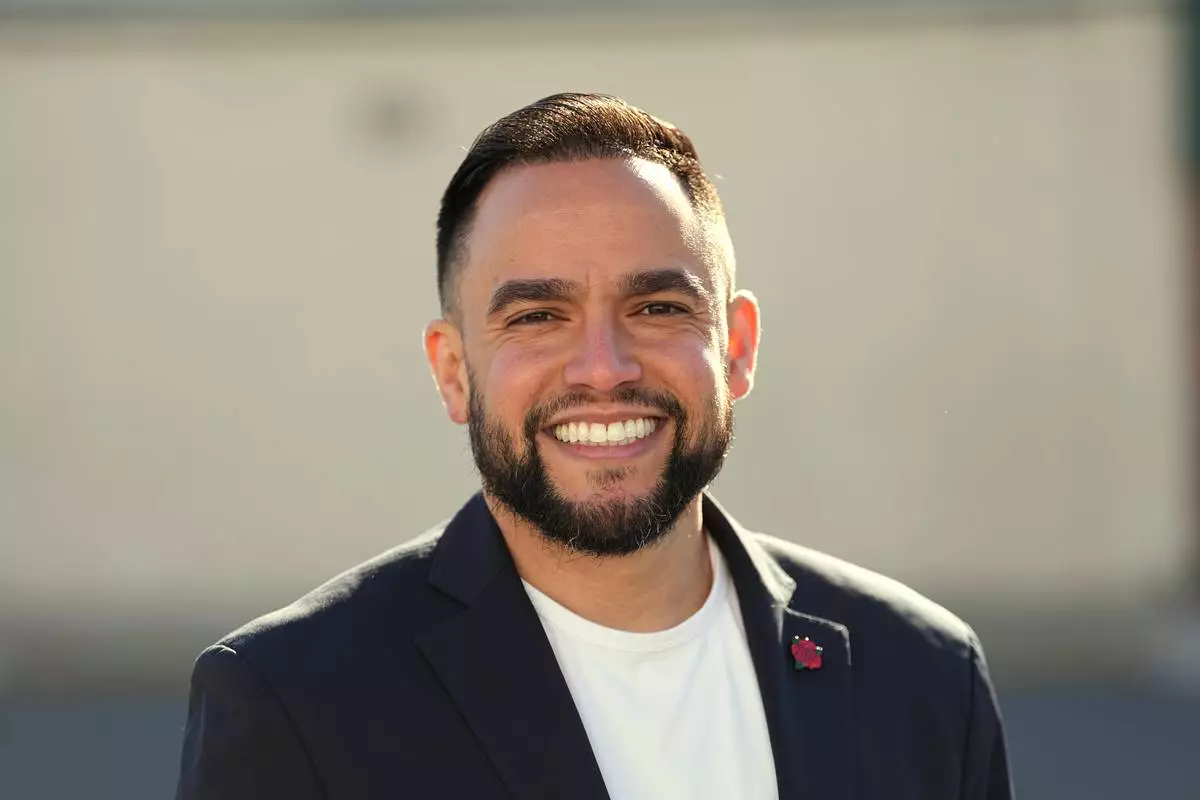
Lancaster Pa., Mayor Jaime Arroyo poses for a photograph in Reading, Pa., Wednesday, April 8, 2026. (AP Photo/Matt Rourke)
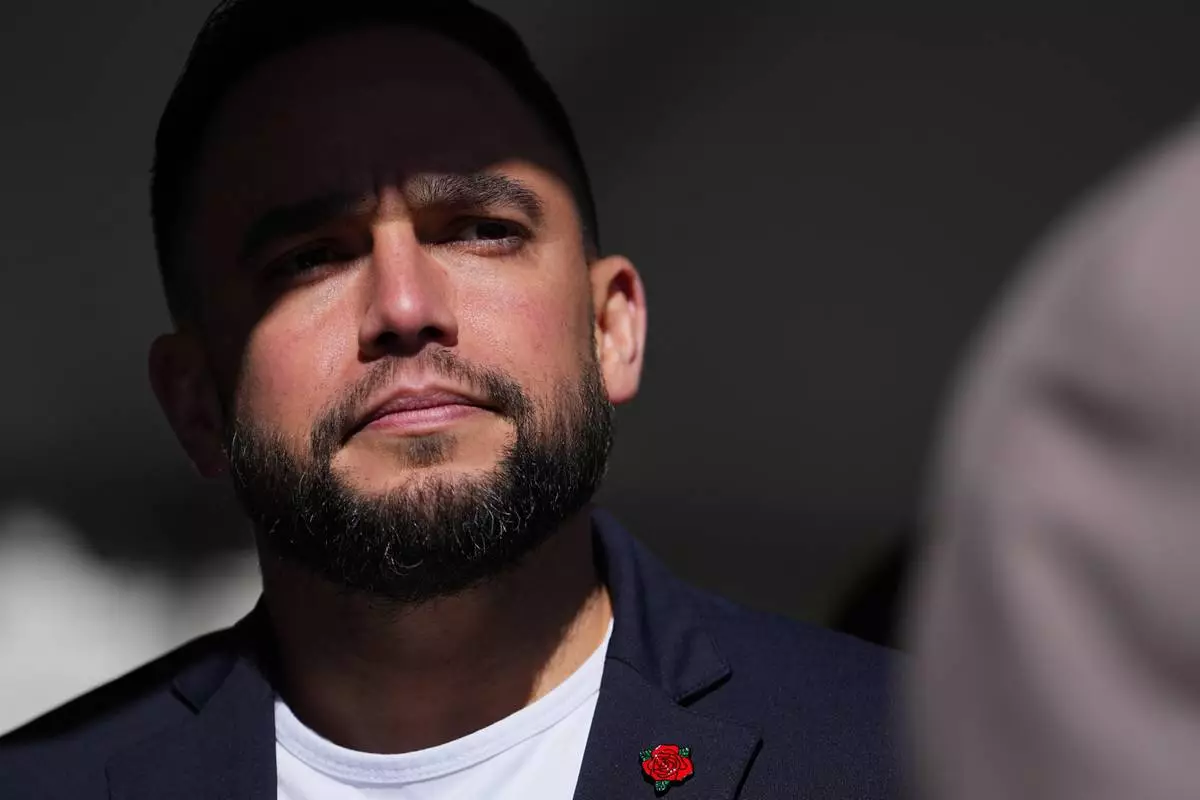
Lancaster Pa., Mayor Jaime Arroyo attends a ribbon cutting for a Finanta Credit Union in Reading, Pa., Wednesday, April 8, 2026. (AP Photo/Matt Rourke)
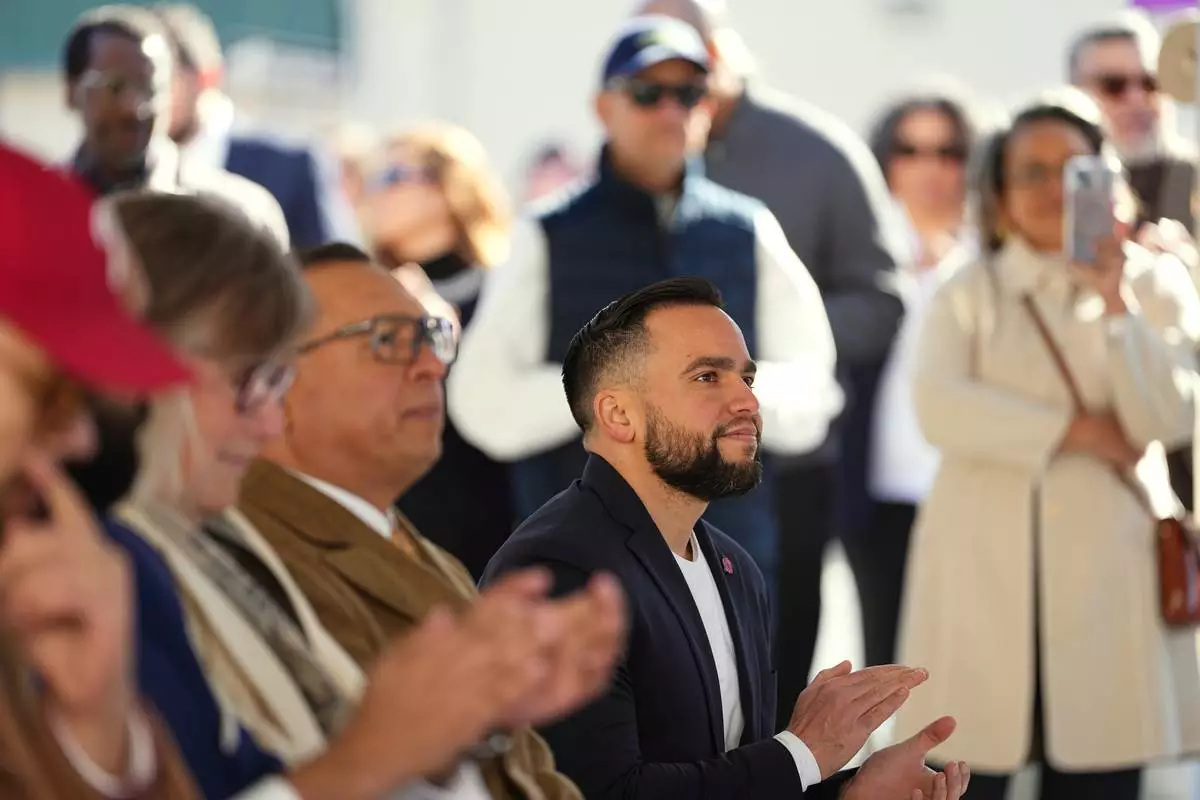
Lancaster Pa., Mayor Jaime Arroyo attends a ribbon cutting for a Finanta Credit Union in Reading, Pa., Wednesday, April 8, 2026. (AP Photo/Matt Rourke)
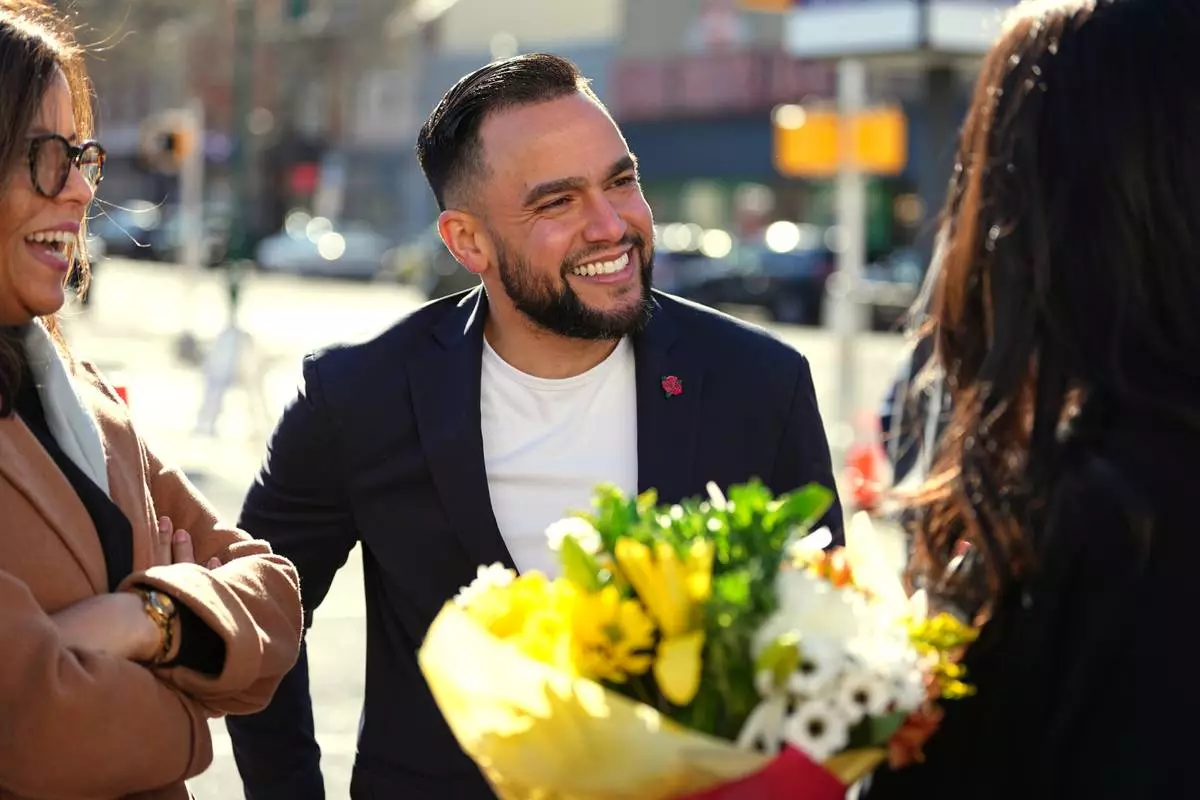
Lancaster Pa., Mayor Jaime Arroyo speaks with attendees at the ribbon cutting for a Finanta Credit Union in Reading, Pa., Wednesday, April 8, 2026. (AP Photo/Matt Rourke)
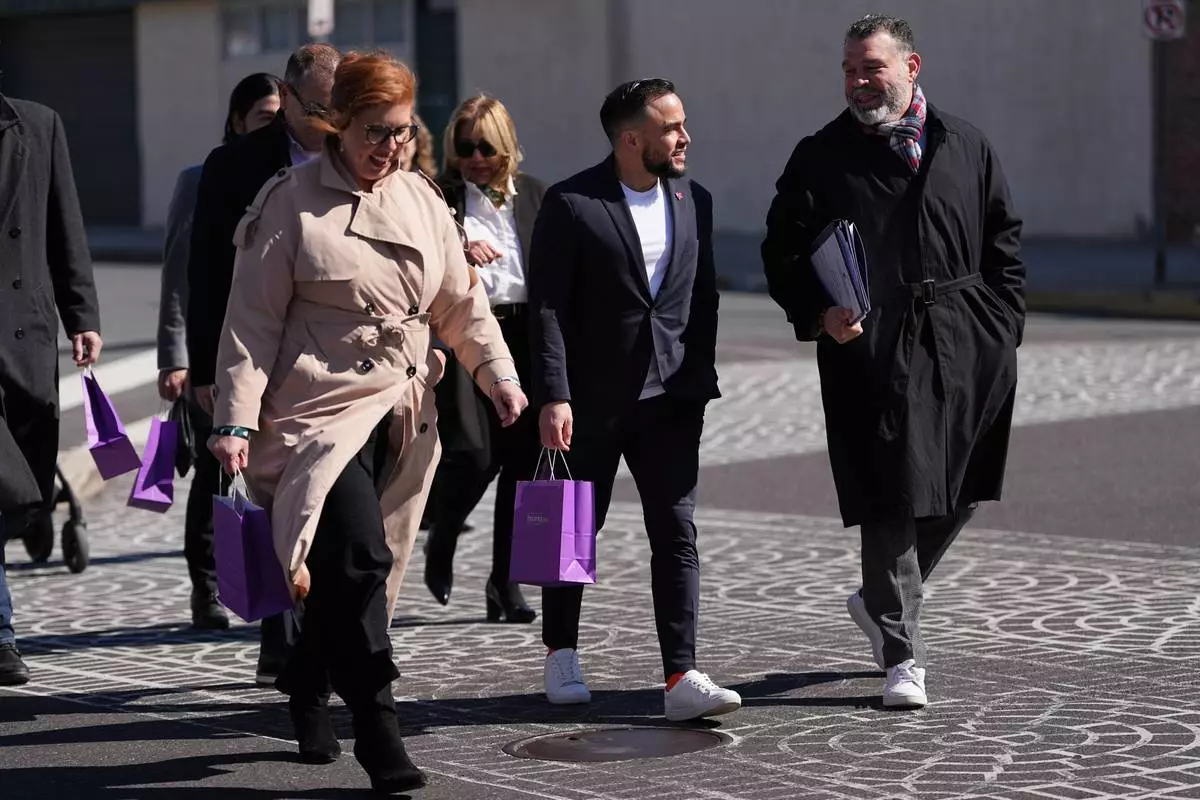
Lancaster Pa., Mayor Jaime Arroyo speaks with attendees at the ribbon cutting for a Finanta Credit Union in Reading, Pa., Wednesday, April 8, 2026. (AP Photo/Matt Rourke)