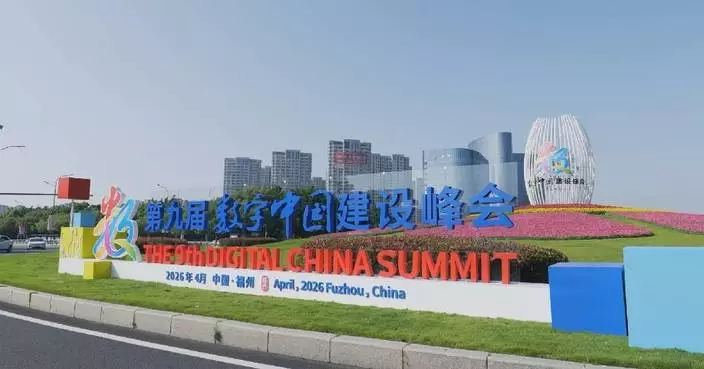
From traditional manufacturing to emerging industries, China's industrial sectors have seen upgrades and breakthroughs in the first quarter of this year, showing the collaborative capabilities of a complete industrial chain.
China's shipbuilding industry maintained its global leadership in the first three months of this year, with shipyards securing a global market share of up to 70 percent in new orders. The industry has also held the top global position in three key indicators for 16 consecutive years, with the proportion of orders for high-value-added green and smart vessels steadily increasing.
New energy vehicle exports are experiencing rapid growth in both volume and quality. In the first quarter, cumulative exports hit 954,000 units, up 120 percent year over year, and accounted for more than 43 percent of total vehicle exports. This trend reflects the steady expansion of China’s complete industrial chain overseas, covering complete vehicles, batteries, electric motors, and electronic control systems.
The output of industrial robots increased by 33.2 percent year on year in the first quarter. An increasing number of intelligent machines are being deployed in production facilities, signaling a faster integration of artificial intelligence (AI) and manufacturing.
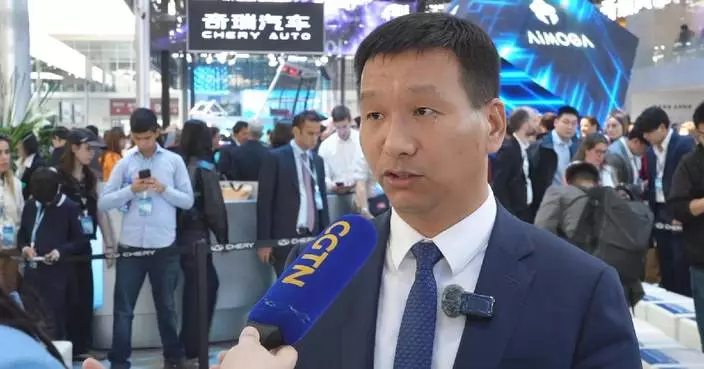
"Upgrades and breakthroughs across various industries in the first quarter largely reflect the full payoff of China's strength in a complete industrial chain. In the past, we tended to focus more on technological advances within specific sectors. Now, what matters most is the coordinated capability across the entire chain, from components and supporting parts to finished products and integrated systems. That is where China's core industrial competitiveness lies," said Yin Xunfei, director of the manufacturing research office of the industrial policy institute under the China Center for Information Industry Development (CCID). The 15th Five-Year Plan (2026-2030) clearly states the need to build a modern industrial system anchored in advanced manufacturing, enhance the resilience and security of industrial and supply chains, and accelerate industrial upgrading through intelligent, green, and integrated development, thus fostering the growth of new productive forces.
In line with this strategic plan, authorities at all levels have introduced a series of coordinated measures since the beginning of this year.
The Ministry of Industry and Information Technology has launched an initiative to strengthen industrial foundations and enhance the resilience of industrial chains, with a focus on key sectors to address technological bottlenecks and blockages. It has also issued a plan to deepen the integration of AI with manufacturing, specifying priority areas for support and implementation standards.
Multiple government departments including the National Development and Reform Commission and the Ministry of Finance have worked together to roll out targeted policies that direct national industrial funds toward sectors aligned with new-quality productive forces, aiming to provide comprehensive support for the upgrading of industrial chains.
The Chinese capital Beijing has provided policy support and research and development subsidies for major industrial chains in new-generation information technology, intelligent equipment, and commercial aerospace.
Shanghai has prioritized integrated circuits, biomedicine and AI, launching targeted plans to achieve breakthroughs across the entire value chain. The city has also offered up to 20 million yuan in support of the first batch of major technical equipment that meets the required standards.
Guangzhou city in south China's Guangdong Province has focused on strengthening and upgrading industrial chains in key areas such as industrial machine tools and advanced materials. In addition, the city has established 20 pilot models that integrate cross-border e-commerce with industrial clusters to expand international trade.
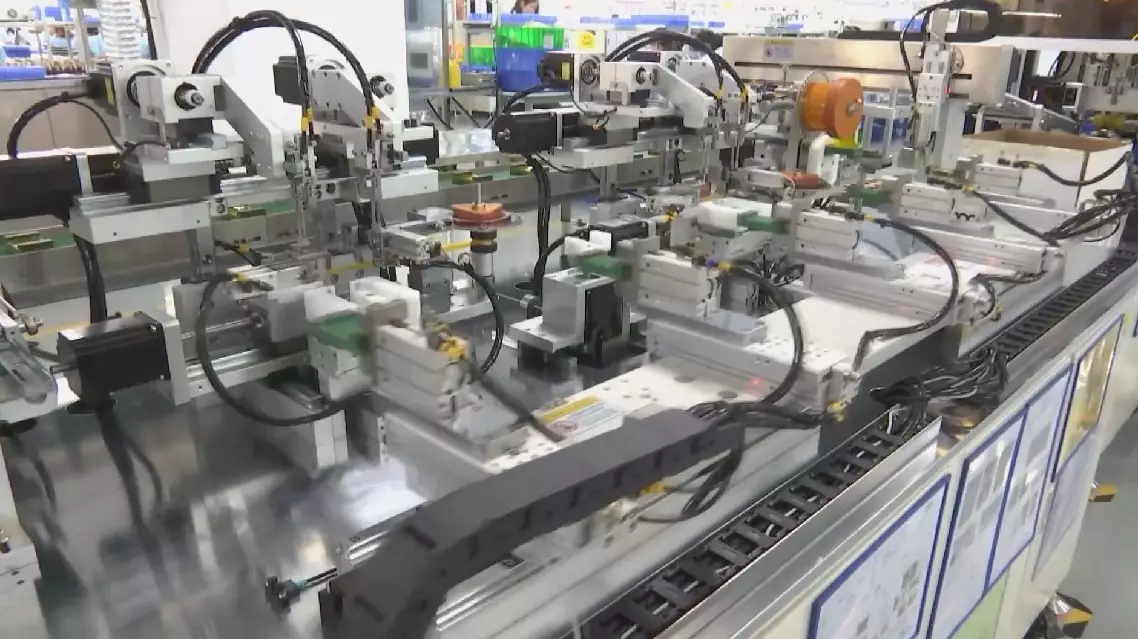
China's industrial sectors witness breakthroughs in Q1