LOS ANGELES (AP) — Druski will host the 2026 BET Awards, becoming the youngest emcee in the show’s history.
BET announced Thursday that the 31-year-old comedian and digital creator will lead the ceremony, which airs live June 28 from the Peacock Theater in Los Angeles.
Druski surpasses Kevin Hart, who previously held the distinction as the BET Award's youngest host when he emceed in 2011.
“I grew up watching the BET Awards,” Druski said in a statement. “To know the comedic legends that hosted before me set the bar so high, I’m just grateful to be a part of the history. But I’m still bringing my brand of comedy to the stage.”
Best known for his viral sketches and improvisational style, Druski has built a massive following across social media, translating that momentum into sold-out tours and high-profile collaborations with artists including Drake and Snoop Dogg, as well as appearances alongside figures like Tom Brady and Timothée Chalamet.
Druski has been named to Forbes’ Under 30 list and Rolling Stone’s Most Influential Creator list, and in 2025 became the first comedian to cover Billboard’s No. 1s issue.
Now in its 25th year, the BET Awards has long served as a major stage celebrating Black achievement across music, film, television and sports, and is known for its performances, tributes and culturally defining moments.
“As one of the most exciting comedic voices of his generation, Druski brings a unique ability to connect with audiences through humor that feels both fresh and deeply rooted in culture,” said Connie Orlando, BET’s executive vice president of specials, music programming and music strategy.
The show will be produced by Jesse Collins Entertainment, with Jesse Collins,Dionne Harmon and Jeannae Rouzan-Clay serving as executive producers.

FILE - Druski walks on stage at the ESPY Awards at the Dolby Theatre, in Los Angeles, Wednesday, July 16, 2025. (AP Photo/Mark J. Terrill, File)
NEW YORK (AP) — The National Urban League will open a museum this weekend in Harlem dedicated to the civil rights struggles in the North, the first of its kind in New York City.
Located in the Urban League’s Manhattan headquarters, the Urban Civil Rights Museum in Harlem explores the region's lesser-known histories of the Civil Rights Movement and the local changemakers and artists whose contributions helped shape politics and culture worldwide. With nearly 12,000 square feet (1,100 square meters) of permanent and rotating exhibits and galleries, organizers say they hope to remind visitors of their “collective power” in the present.
“We want people to know that they are key participants,” Jennifer Scott, the museum’s founding executive director and chief curator, told The Associated Press during an exclusive preview of the space.
“History is living, it’s unfinished, and we can impact it,” she said.
Scott is a national public history scholar with experience preserving Black history in museums and research centers across the country. She led the design of a permanent interactive installation and an inaugural set of rotating exhibitions.
Marc Morial, the Urban League’s president and CEO, underscored the importance of establishing the museum just blocks from such key historic and cultural landmarks as the Apollo Theater and The Schomburg Center for Research in Black Culture. He attributed the same intentionality to the naming of the museum, and its specific mention of “this iconic American place called Harlem.”
“Designating this the Urban Civil Rights Museum in Harlem anchors it to a place, and this place tells the story,” Morial told the AP before the museum’s opening. “From this place, we’re telling the story of this place.”
Dozens of museums devoted to civil rights are scattered across the U.S., most of them in Southern states. While others explore themes of arts and culture or review specific moments in African American history, the organizers contend that there has never been a premier civil rights museum located in the northern United States.
The museum’s multimedia installations cover centuries of social justice history and culture. The inaugural exhibits recount the trans-Atlantic Slave Trade, the first and second waves of the Great Migration of Black families from the Deep South, and the story of the Civil Rights Movement and its modern impacts.
In several exhibits, audio recordings relay speeches of civil rights leaders and oral histories of people interviewed about their experiences. Feedback walls invite guests to share if they’ve participated in a protest or read a banned book.
Throughout the museum’s curation process, Scott prioritized immersion not only through mediums but through the stories that the Urban League chose to represent. “We wanted people to see themselves,” she said. “It’s a very diasporic representation and storytelling approach.”
As a self-described proponent of intersectional solidarity, Morial echoed the importance of celebrating a diverse range of perspectives from people who rallied alongside African Americans in the northern fight for civil rights.
“We don’t want this great concept, equal opportunity and diversity, to be suppressed,” he said.
Some of the narratives displayed have been targeted in recent years as part of a push to sanitize the way American history is told. Last year, the Trump administration ordered a review of U.S. museums under federal guidance for narratives it deemed “divisive, race-centered ideology,” urging them to “instead focus on the greatness of the achievements and progress of the American people.”
Martha Biondi, a professor of history and Black studies at Northwestern University whose work has advanced the awareness of New York's civil rights struggles, underscored the importance of preserving that history today.
“If America’s going to become a true multiracial democracy, we have to stop sanitizing our past and we have to tell the true stories,” Biondi said.
The importance of preserving the urban Civil Rights Movement was compounded by the current political climate, said Morial, adding that the museum retells history “with all of its beauty, and with all of its warts.”
“This history is not going to be minimalized or suppressed in any way,” he said.
Morial and Scott lamented how the history of institutionalized racism in the North has often been overshadowed or even lost, while stories of the struggles in the Deep South are far more widely recognized.
For Scott, preserving forgotten accounts as part of the historical record is a personal passion and a priority. From reliving the prime of nightlife in the Harlem Renaissance, to reading through legacy ethnic media like the New York Amsterdam News alongside Jet and Essence magazines, she said, the museum is “just scratching the surface” in uncovering local stories.
“It’s important to me and to all of us here who work at the museum, because we don’t want those stories to be erased ever again,” Scott said. “It started long before us, and we want it to continue after, so people are always feeling empowered to create the change that they desire.”
The Urban Civil Rights Museum in Harlem will celebrate its grand opening with invited elected officials and other guests on Saturday. With plans to educate and involve the community in the museum’s programming, Morial was optimistic about both the future of the museum and of the movement it showcases.
“This museum is not static, and we’re going to continue to evolve the exhibitions,” he said. “We are just getting started.”
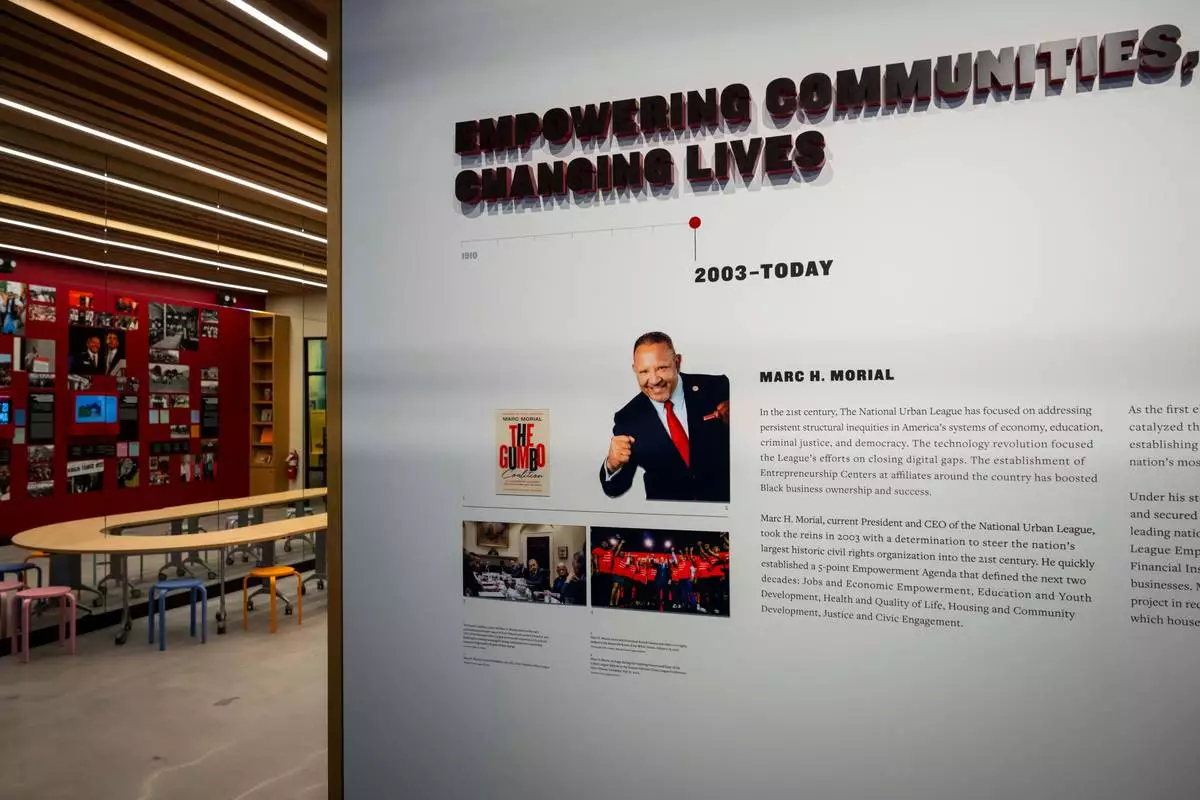
A photo of Marc H. Morial, president and CEO of the National Urban League, is on display at the Urban Civil Rights Museum, Friday, Nov. 6, 2026, in the Harlem neighborhood of New York. (AP Photo/Yuki Iwamura)
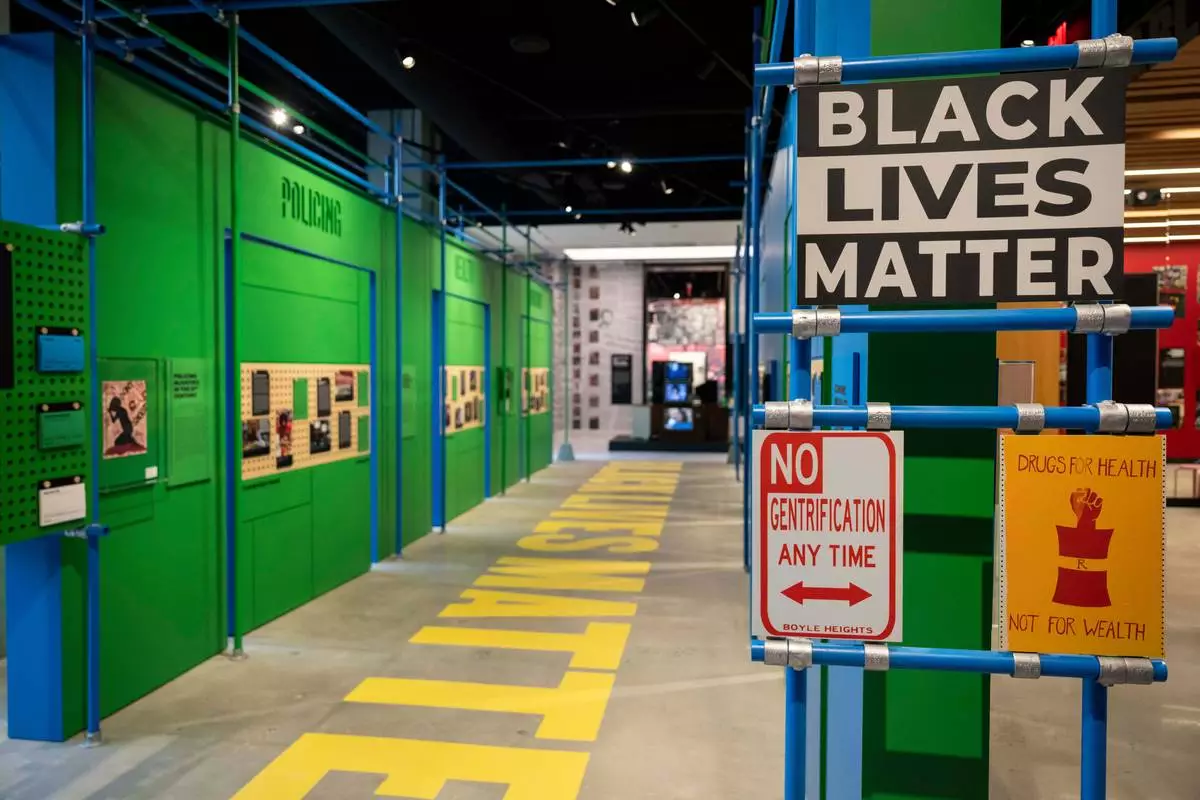
A Black Lives Matter sign is on display at the Urban Civil Rights Museum, Friday, Nov. 6, 2026, in the Harlem neighborhood of New York. (AP Photo/Yuki Iwamura)
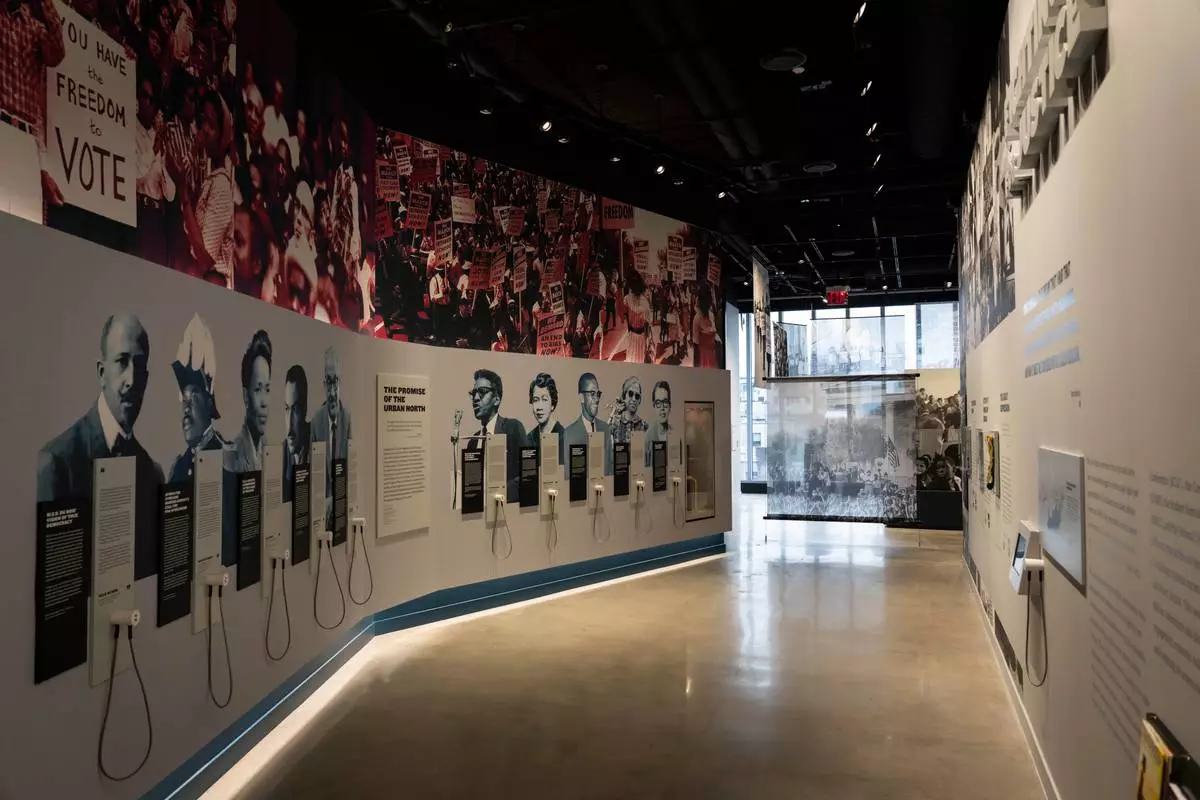
The Urban Civil Rights Museum is seen on Friday, Nov. 6, 2026, in the Harlem neighborhood of New York. (AP Photo/Yuki Iwamura)
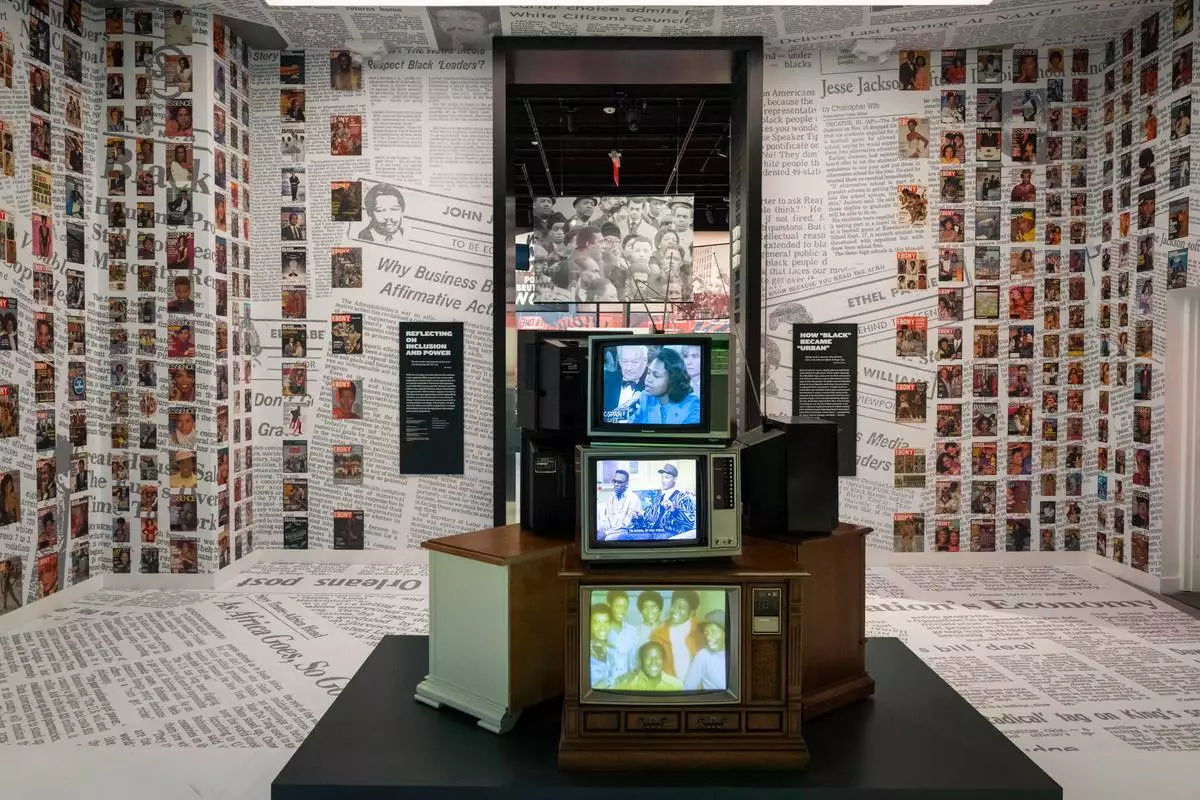
The Urban Civil Rights Museum is seen on Friday, Nov. 6, 2026, in the Harlem neighborhood of New York. (AP Photo/Yuki Iwamura)
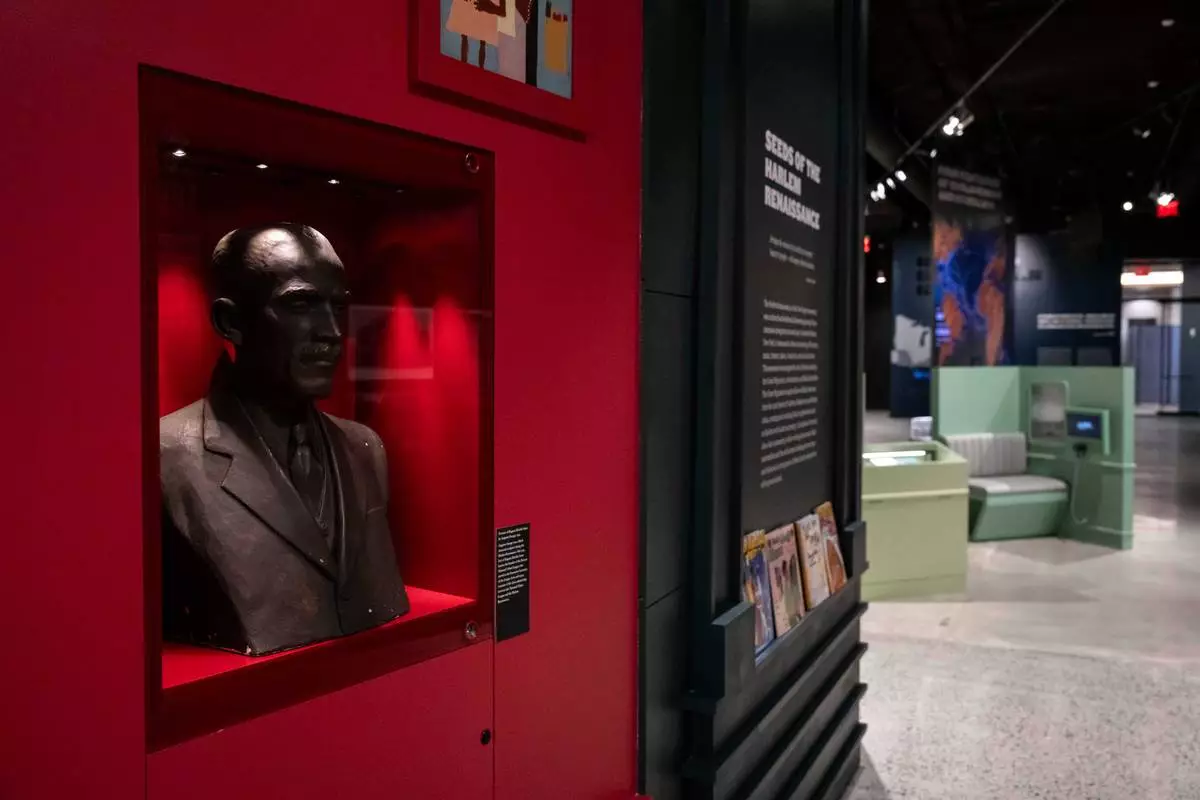
A bust of Eugene Kinckle Jones, a leader of the National Urban League, is seen at the Urban Civil Rights Museum, Friday, Nov. 6, 2026, in the Harlem neighborhood of New York. (AP Photo/Yuki Iwamura)
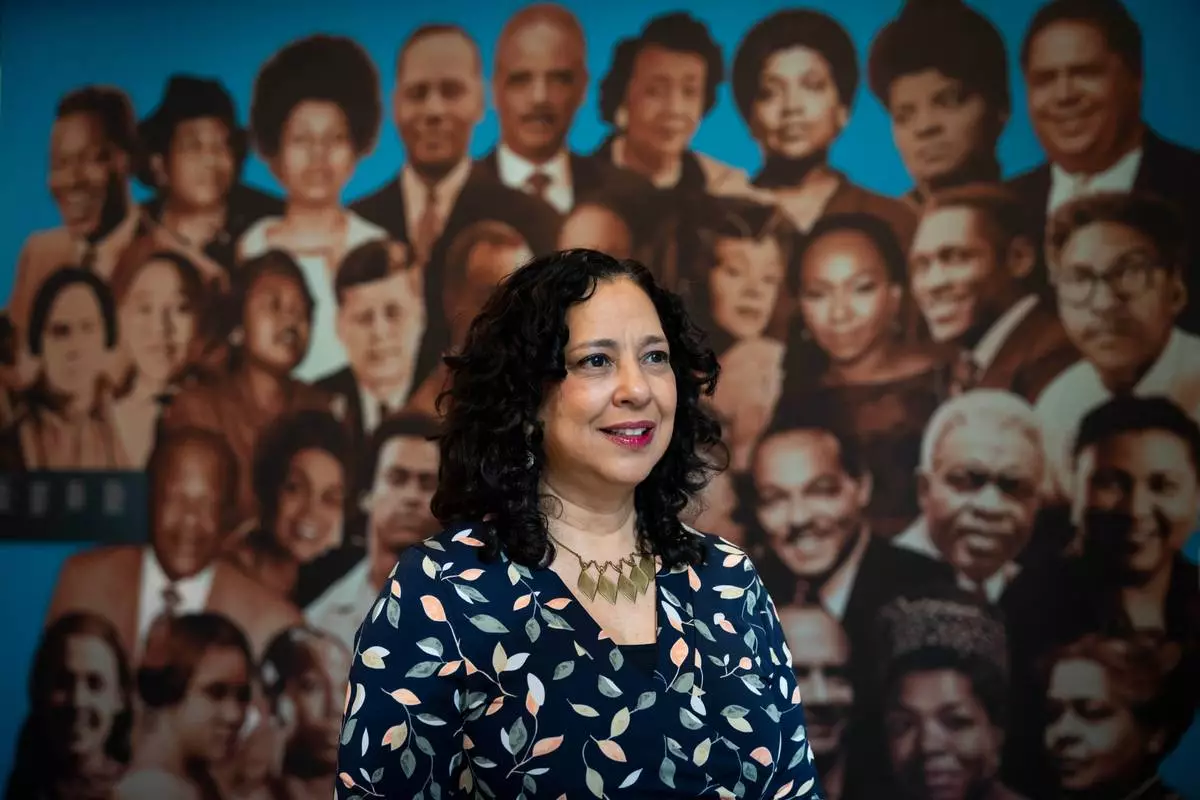
Jennifer Scott, executive director and chief curator of the Urban Civil Rights Museum, poses for a photo Friday, Nov. 6, 2026, in the Harlem neighborhood of New York. (AP Photo/Yuki Iwamura)
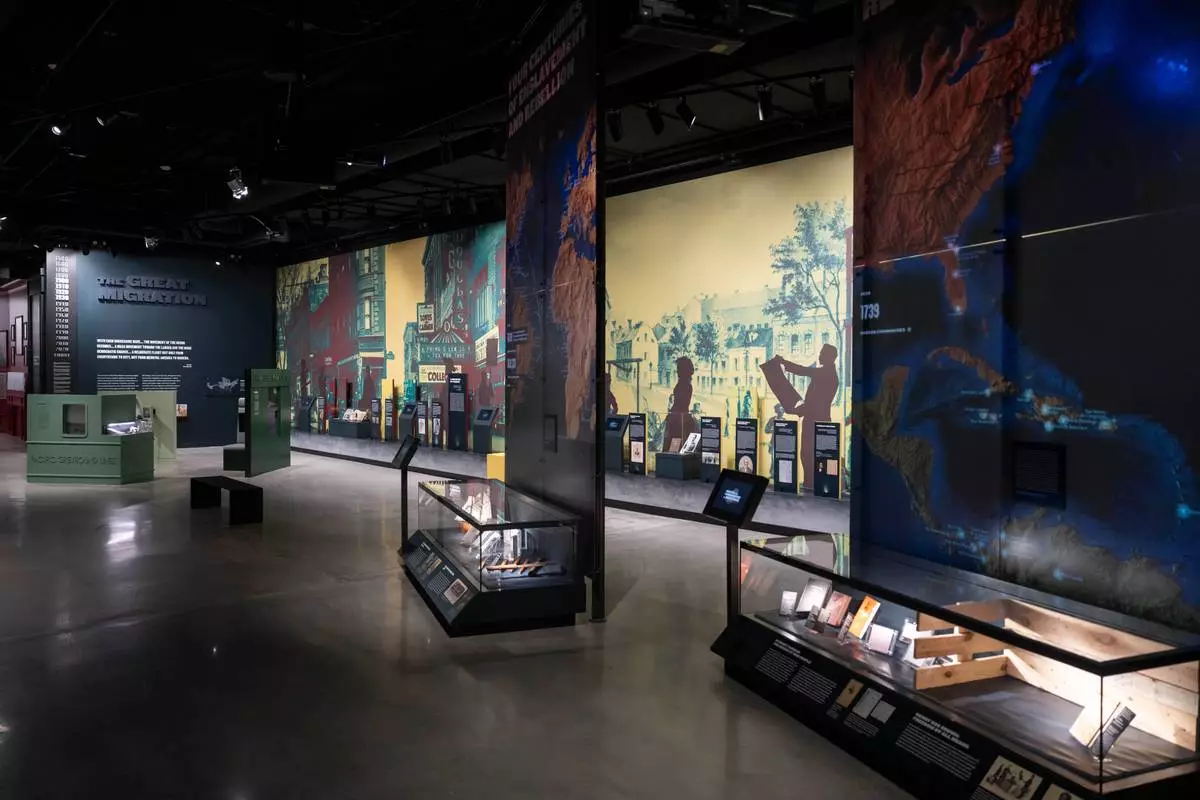
The Urban Civil Rights Museum is seen on Friday, Nov. 6, 2026, in the Harlem neighborhood of New York. (AP Photo/Yuki Iwamura)
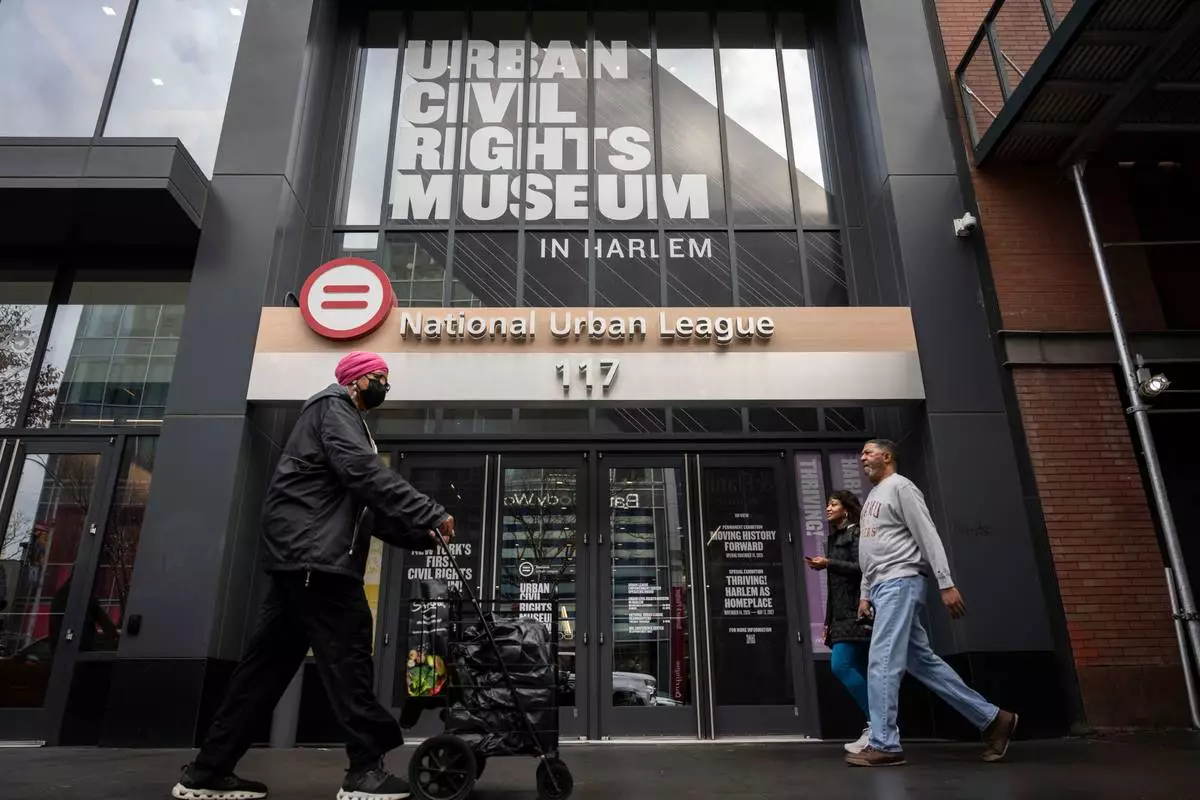
People walk past the Urban Civil Rights Museum on Friday, Nov. 6, 2026, in the Harlem neighborhood of New York. (AP Photo/Yuki Iwamura)