Skip to Content Facebook Feature Image

Chinese enterprises expect opportunities from zero tariffs for 53 African nations

China

China

China

Chinese enterprises expect opportunities from zero tariffs for 53 African nations

2026-05-01 17:26 Last Updated At:23:47

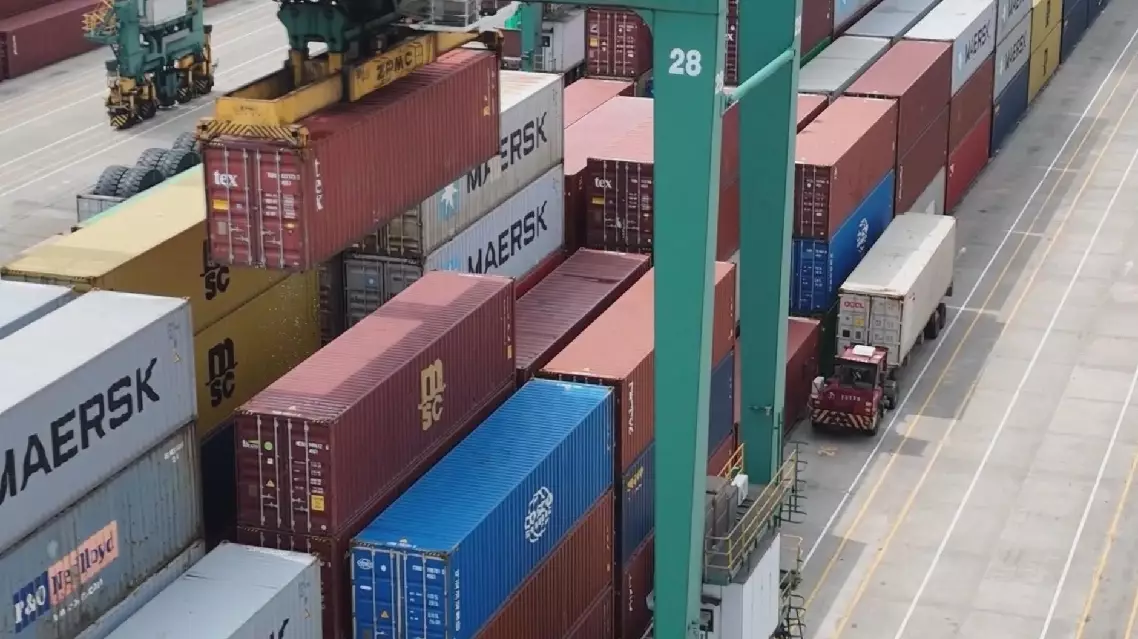
Chinese businesses are expecting to seize the opportunities from the country's expansion of its zero-tariff treatment to cover all 53 African countries with which it has diplomatic ties on Friday, which will lower their costs and make imports easier.

China has already scrapped tariffs on 100 percent of tariff lines for 33 least developed countries in Africa since Dec 1, 2024. The new zero-tariff policy will benefit the relatively better-off countries such as Kenya, Egypt and Nigeria.

China is Africa's largest trading partner. According to China's General Administration of Customs, China-Africa trade hit a record high of 348 billion U.S. dollars in 2025. Meanwhile, China's imports from Africa amounted to 123 billion dollars, up 5.4 percent year on year.

Changsha Customs in central China's Hunan Province has pioneered a system to pre-assess whether African food products exported to China can access the market. Officials said the approach has significantly improved the efficiency of assessment for African agricultural goods and food products.

In the first quarter of this year, Hunan's imports from Africa reached 7.04 billion yuan (about 1.03 billion U.S. dollars), up 21.9 percent.

"The Hunan-Guangdong-Africa rail-sea intermodal transport service in Hunan has established an efficient and convenient logistics channel for African specialty products to enter the province, reducing overall logistics costs by nearly 20 percent compared to traditional channels," said Lan Shengbin, deputy director of Changsha Customs.

A chemical company in Jiaxing City of east China's Zhejiang Province, which has long imported sodium dichromate from South Africa, is expected to see the tariff rate drop from 5.5 percent to zero now that the new policy has taken effect.

"We plan to import a batch of sodium dichromate soon, worth over 3 million yuan (about 440,000 U.S. dollars). With the certificates of origin issued by the South African government, this shipment can enjoy a tariff reduction of approximately 170,000 yuan (about 24,900 U.S. dollars)," said Zhong Li, director of the general manager's office of the company.

With government support, the policy is expected to help African products enter the Chinese market at lower prices and with faster delivery times, boosting two-way trade between Chinese and African enterprises.

"We conducted advanced analysis of trade with the 53 African countries with which we have diplomatic ties, put together a list of key commodities such as copper, and identified companies eligible for preferential treatment, to help those companies seize opportunities to expand imports from Africa," said Du Yinqiu, Deputy Director of the Customs Tariff Department of Hangzhou Customs in east China's Zhejiang Province.
Chinese enterprises expect opportunities from zero tariffs for 53 African nations

Chinese enterprises expect opportunities from zero tariffs for 53 African nations
China's zero-tariff policy is widely seen as a major opportunity for African countries, supporting their efforts to improve livelihoods, advance trade upgrading and promote regional stability, African officials and economic stakeholders said.

On Friday, China officially expanded its zero-tariff policy to cover all 53 African nations with which it maintains diplomatic relations. The move aims to create new pathways for African exports and industrialization at a time when global trade faces mounting pressures from protectionism.

The policy builds upon earlier measures: since Dec 1, 2024, China has already eliminated tariffs on 100 percent of tariff lines for 33 least developed countries in Africa. The latest expansion now includes economies that are relatively more developed, such as Kenya, Egypt and Nigeria, opening doors for a broader range of African products to enter the Chinese market duty-free.

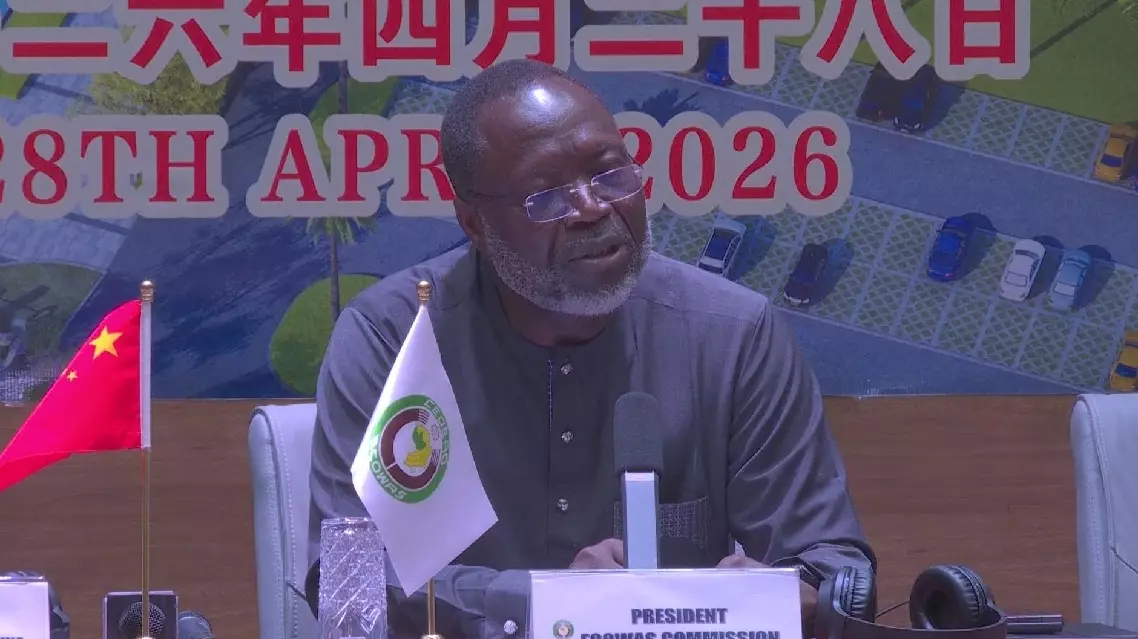
Omar Toure, president of the Economic Community of West African States (Ecowas) Commission, noted that economic growth and poverty reduction can contribute to greater stability and peace in the region.

"For us, this is a major opportunity for our countries because China is a massive market and having access to such a massive market for our produce and products is a major opportunity that we must all seize. It will have impact on overall development of our countries through enhanced productivity because as you know, poverty is a key driver of insecurity in our region. The zero tariff policy is likely to advance our development, to support our development, as well as help us entrench peace and security in our region and on the continent," he said.

Beyond expanding market access, the initiative is expected to strengthen Africa's industrialization and help upgrade regional industries, spurring ambitions to pursue global economic involvement.

"It will enhance trading relations between China and the rest of its partners. I think to a large extent, also within Africa itself, it's going to act as a great catalyst for improving trade, for enhancing the economic relations and also for industrialization," said Bianca Ojukwu, Minister of State for Foreign Affairs of Nigeria.

"China is a very big market, and if you supply to China, it means you will enhance the value of trade or the volume of your exports. And that in itself is monumental. In the sense that, apart from just the value of the export, you get more and more people getting higher incomes and also being able to upgrade their production facilities. So it's really going to benefit Africa in a way that Africa can also begin to participate in a global trade," said David Chewe, Fund Manager of Zambia Export Development Fund.

China‘s zero-tariff policy on Africa applauded as catalyst for boosting bilateral trade, peace

China‘s zero-tariff policy on Africa applauded as catalyst for boosting bilateral trade, peace

Recommended Articles