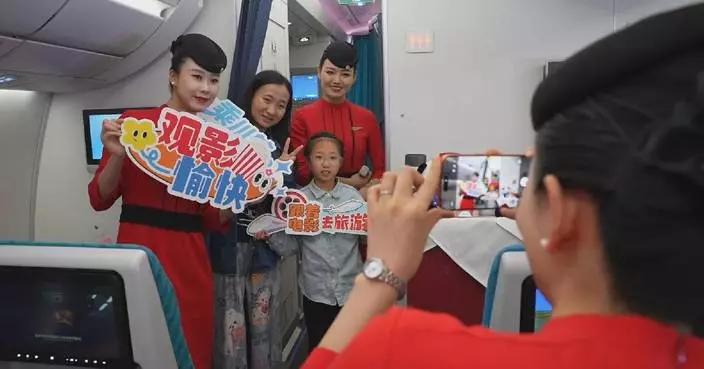
Tourists are flocking to Xinxing City in northwest China's Xinjiang Uygur Autonomous Region to enjoy vibrant peony displays and festive kite-flying events during the five-day May Day holiday starting from Friday. The whole city has been transformed into an immersive fairyland featuring kites and peony flowers. Tourists can also join activities such as Hanfu (traditional Chinese attire) experiences and challenging poetry games, to feel how Eastern aesthetics are reimagined in a modern way amid the flowers and poetry.
"We're here with the kid and have had a great time. We've also taken a lot of photos, with a strong cultural vibe," said Li Na, a tourist.
During the holiday, local authorities are also promoting tourist spending through activities including vehicle sales and launch of snack streets.
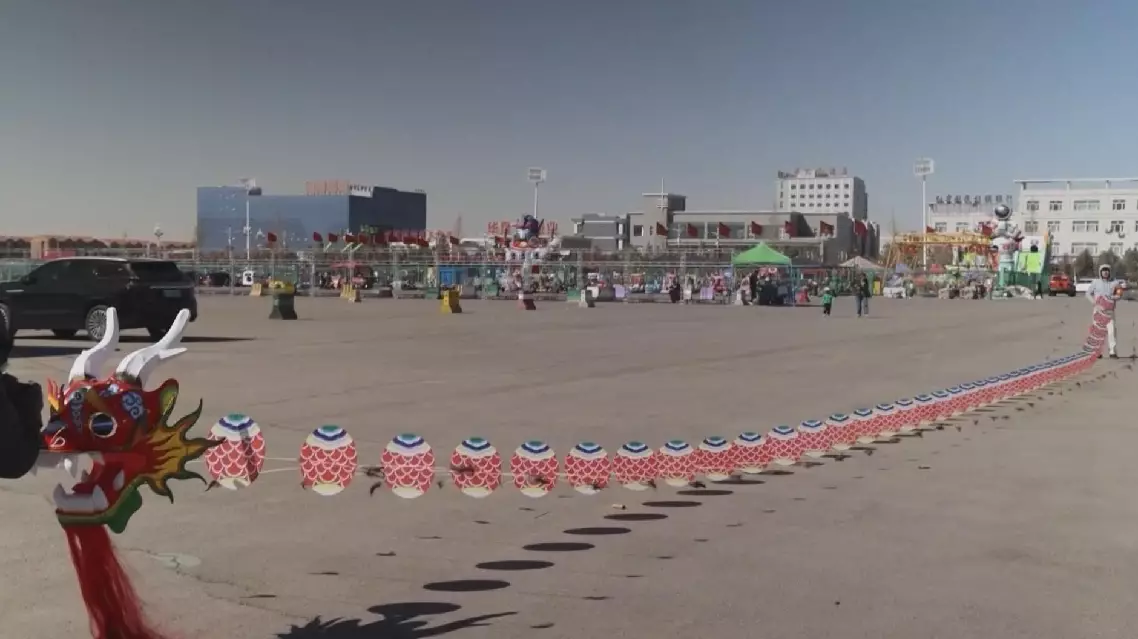
Blossoming peonies, kite festivals spark May Day travel boom in Xinjiang
Global media and research institutions are reflecting on the legacy of the Tokyo Trials, which convicted 25 Japanese Class-A war criminals, and warning against the resurgence of Japanese militarism, as Sunday marked the 80th anniversary of the trials' opening.
Russia's TASS news agency highlighted the Tokyo Trials' landmark significance, saying Japan's ongoing military expansion proves a persistent trend of militarism.
Russia's Rossiyaskaya Gazeta spotlighted Japan's biological warfare in northeast China's Harbin and the Nanjing Massacre.
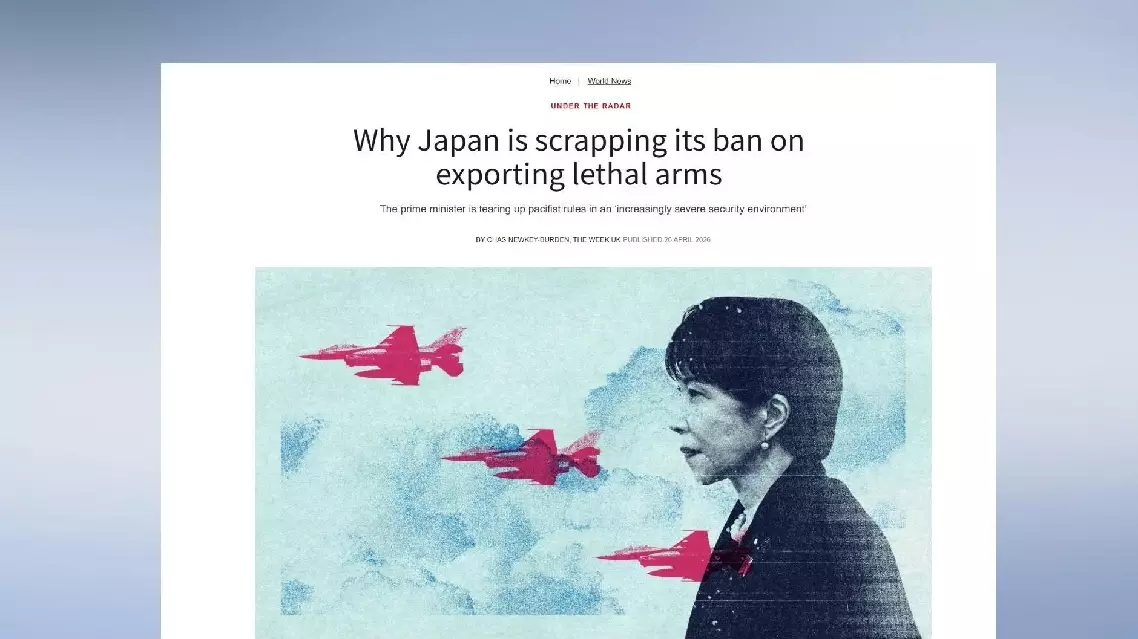
Britain's The Week reported that Japanese Prime Minister Sanae Takaichi is ending Japan's pacifist constitution by lifting lethal weapons exports bans.
The Philippines' Asian Century Journal cited global concerns over Japan's WWII atrocities and resurgent militarism.
The Republic of Korea (ROK) scholar Oh Seung-Hee has called for communication between the ROK, China, and Japan to ensure regional stability and peace.
Sunday marks the 80th anniversary of the opening of the International Military Tribunal for the Far East, or the Tokyo Trials.
From May 3, 1946, to Nov 12, 1948, the International Military Tribunal for the Far East was held in Tokyo by 11 countries, including the United States, China, the UK and the Soviet Union, to try Japan's Class-A war criminals after World War II.
Global media, research institutions reflect on Tokyo Trials' legacy, warn of Japan's rising militarism