MELBOURNE, Australia (AP) — The prime ministers of Japan and Australia agreed to deepen cooperation in a wide arrange of areas including energy security, defense and critical minerals as the Iran war threatens global supply chains.
Japanese Prime Minister Sanae Takaichi met her Australian counterpart Anthony Albanese at Australia’s Parliament House on Monday during Takaichi's first visit to the country as national leader.
Click to Gallery
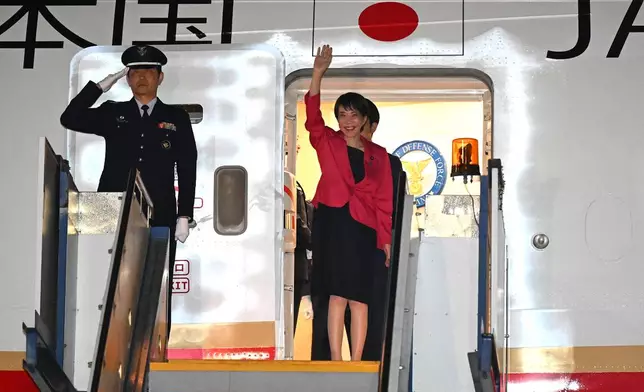
Prime Minister of Japan Sanae Takaichi, right, waves as she arrives in Canberra, Australia, Sunday, May 3, 2026. (Lukas Coch/AAP Image via AP)
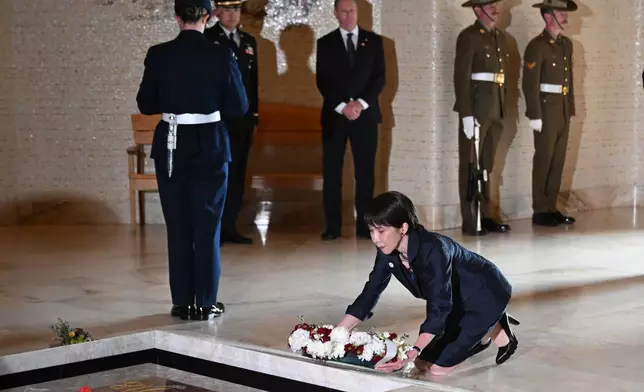
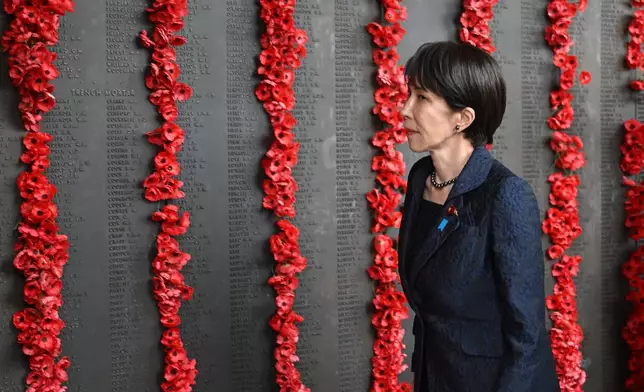
Japan's Prime Minister Sanae Takaichi lays a wreath at the Tomb of the Unknown Soldier during a visit to the Australian War Memorial in Canberra, Australia, Monday, May 4, 2026. (Lukas Coch/AAP Image via AP)
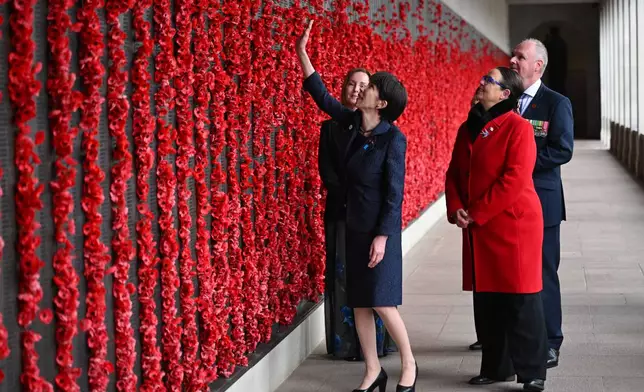
Japan's Prime Minister Sanae Takaichi, secind left, walks along the Roll of Honour during a visit to the Australian War Memorial in Canberra, Australia, Monday, May 4, 2026. (Lukas Coch/AAP Image via AP)
Japan's Prime Minister Sanae Takaichi walks along the Roll of Honour during a visit to the Australian War Memorial in Canberra, Australia, Monday, May 4, 2026. (Lukas Coch/AAP Image via AP)
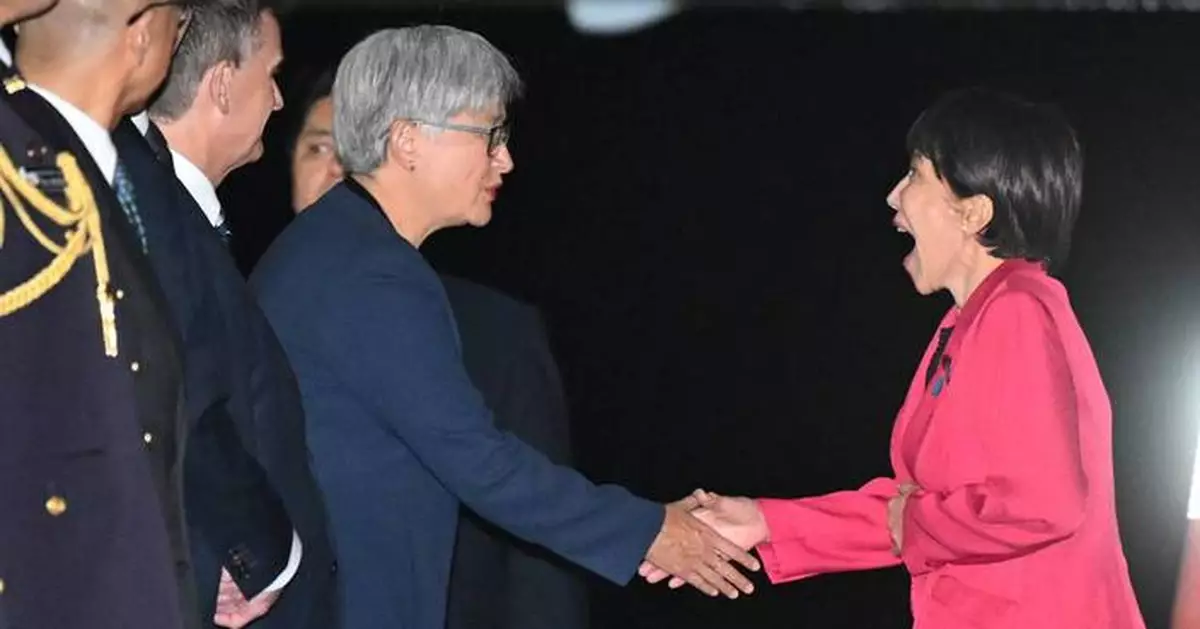
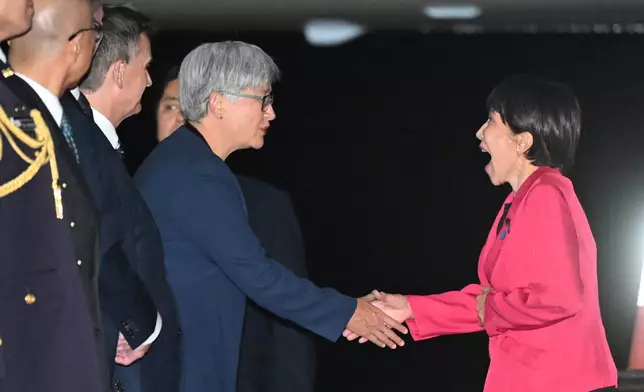
Prime Minister of Japan Sanae Takaichi, right, is greeted by Australian Foreign Minister Penny Wong in Canberra, Australia, Sunday, May 3, 2026. (Lukas Coch/AAP Image via AP)
Takaichi said they held strategic discussions on China, Southeast Asia, Pacific Island countries, nuclear issues and abductions by North Korea.
“The effective closure of the Strait of Hormuz had been inflicting enormous impact on the Indo-Pacific. We affirmed that Japan and Australian will closely communicate with each other in responding with a sense of urgency,” Takaichi told reporters through an interpreter.
Australia provides almost half of Japan’s liquefied natural gas. Japan is one of Australia’s top five suppliers of refined gasoline and diesel.
Albanese traveled to Singapore, Brunei and Malaysia in recent weeks to shore up supplies of gasoline and diesel following disruptions caused by attacks on Iran by the United States and Israel beginning in February.
The bilateral agreements reached Monday would benefit the populations of Japan and Australia, Albanese said.
“For Australians, it will mean we are less vulnerable to global shocks like we are seeing right now because of conflict in the Middle East,” Albanese said.
“Our joint statement on energy security reaffirms our commitment to navigate the current energy crisis together and maintain open trade flows of essential energy goods including liquid fuels and gas," he said.
The statement on economic security cooperation commits to consulting on contingencies “including those related to geopolitical tensions, economic coercion or other significant market interruptions.”
The agreements also take aim at China’s control and manipulation of the global production of heavy rare earths, which are used for making powerful, heat-resistant magnets in industries such as defense and electric vehicles.
“We express our strong concerns over all forms of economic coercion, and the use of non-market policies and practices that are leading to harmful overcapacity and market distortions, as well as export restrictions, particularly on critical minerals,” the joint statement by the two countries said.
The two prime ministers “announce the elevation of critical minerals as a core pillar of our economic security relationship,” the statement said.
Australia would provide up to 1.3 billion Australian dollars ($930 million) to support critical minerals projects involving Japan.
The prime ministers also announced new steps to enhance Japan-Australia defense and security cooperation.
Takaichi’s visit comes two weeks after the Japanese and Australian defense ministers signed contracts to deliver the first three of a AU$10 billion ($6.5 billion) fleet of Japanese-designed warships.
Mitsubishi Heavy Industries will build the first three Mogami-class frigates in Japan. Australia plans to build another eight in a shipyard in Western Australia state.
Albanese, a keen disc jockey who performs at charity events under the stage name DJ Albo, joked about Takaichi’s renowned interest in heavy metal music.
“Sanae and I will spend more time together later today and we will continue our discussions including on issues like heavy metal music and other important matters of state,” Albanese said.
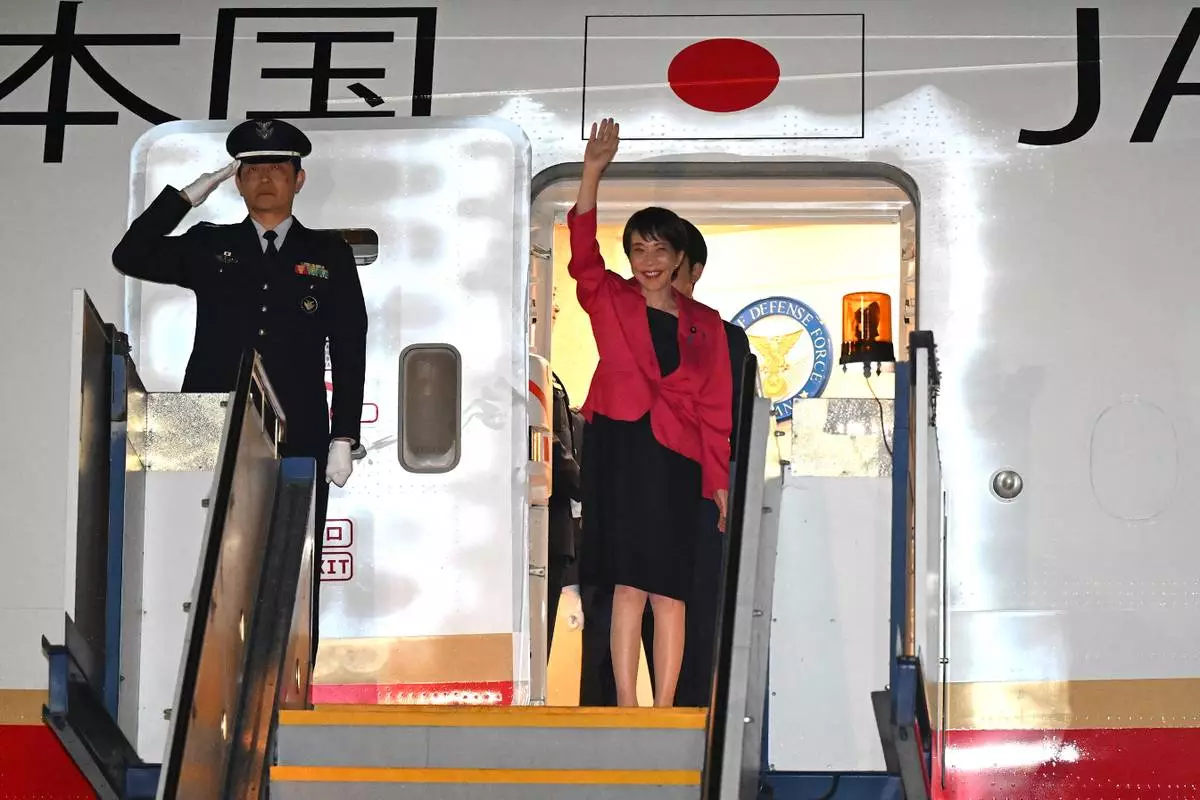
Prime Minister of Japan Sanae Takaichi, right, waves as she arrives in Canberra, Australia, Sunday, May 3, 2026. (Lukas Coch/AAP Image via AP)
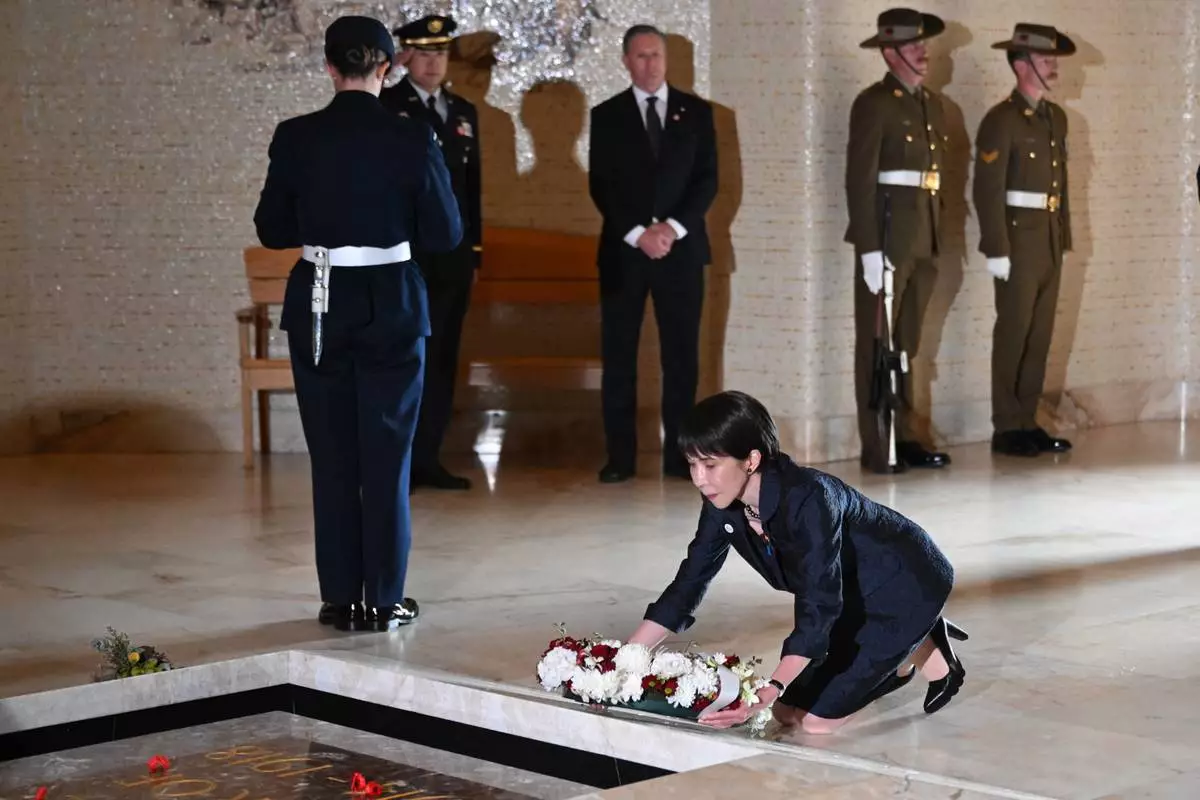
Japan's Prime Minister Sanae Takaichi lays a wreath at the Tomb of the Unknown Soldier during a visit to the Australian War Memorial in Canberra, Australia, Monday, May 4, 2026. (Lukas Coch/AAP Image via AP)
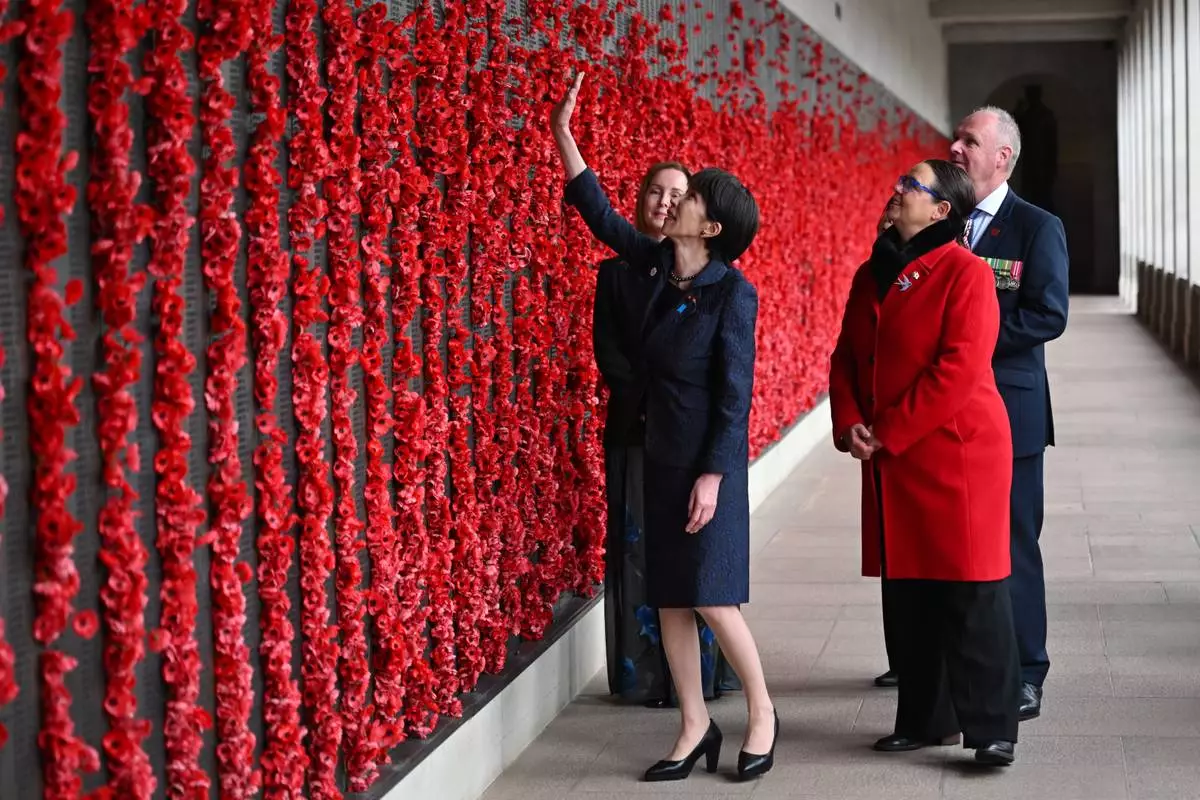
Japan's Prime Minister Sanae Takaichi, secind left, walks along the Roll of Honour during a visit to the Australian War Memorial in Canberra, Australia, Monday, May 4, 2026. (Lukas Coch/AAP Image via AP)
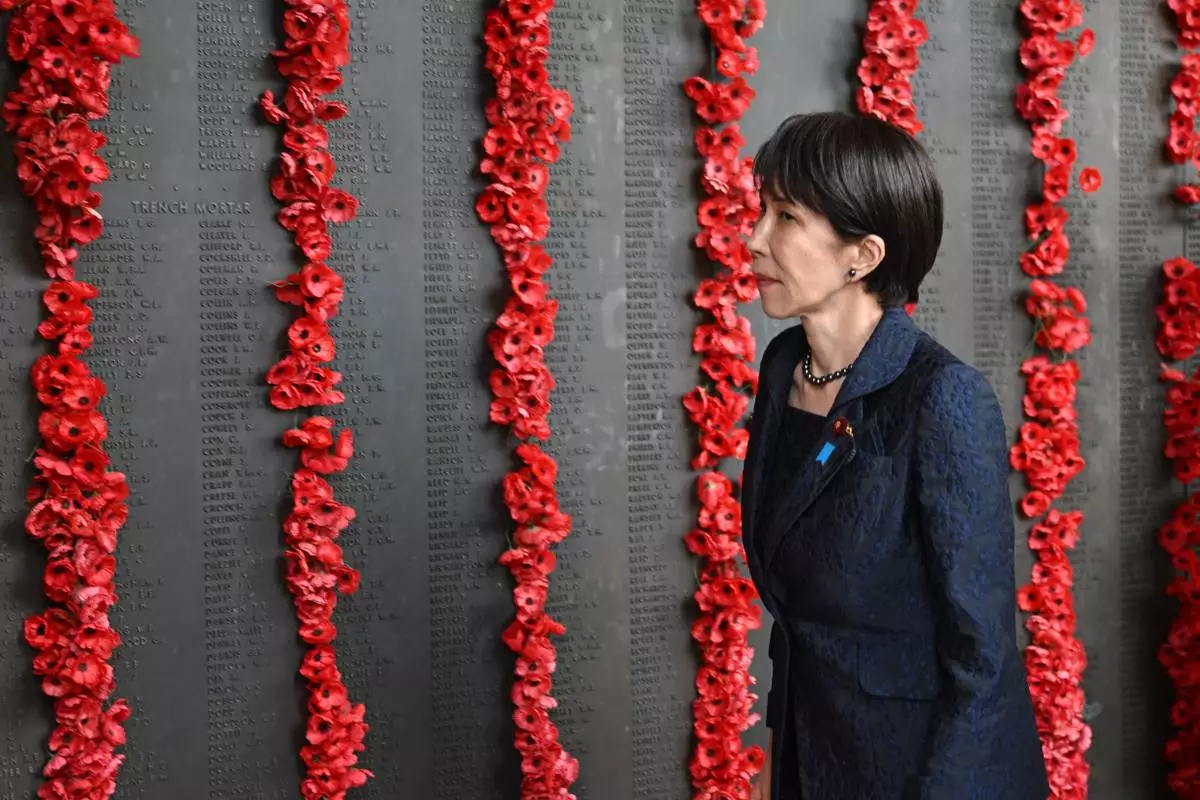
Japan's Prime Minister Sanae Takaichi walks along the Roll of Honour during a visit to the Australian War Memorial in Canberra, Australia, Monday, May 4, 2026. (Lukas Coch/AAP Image via AP)
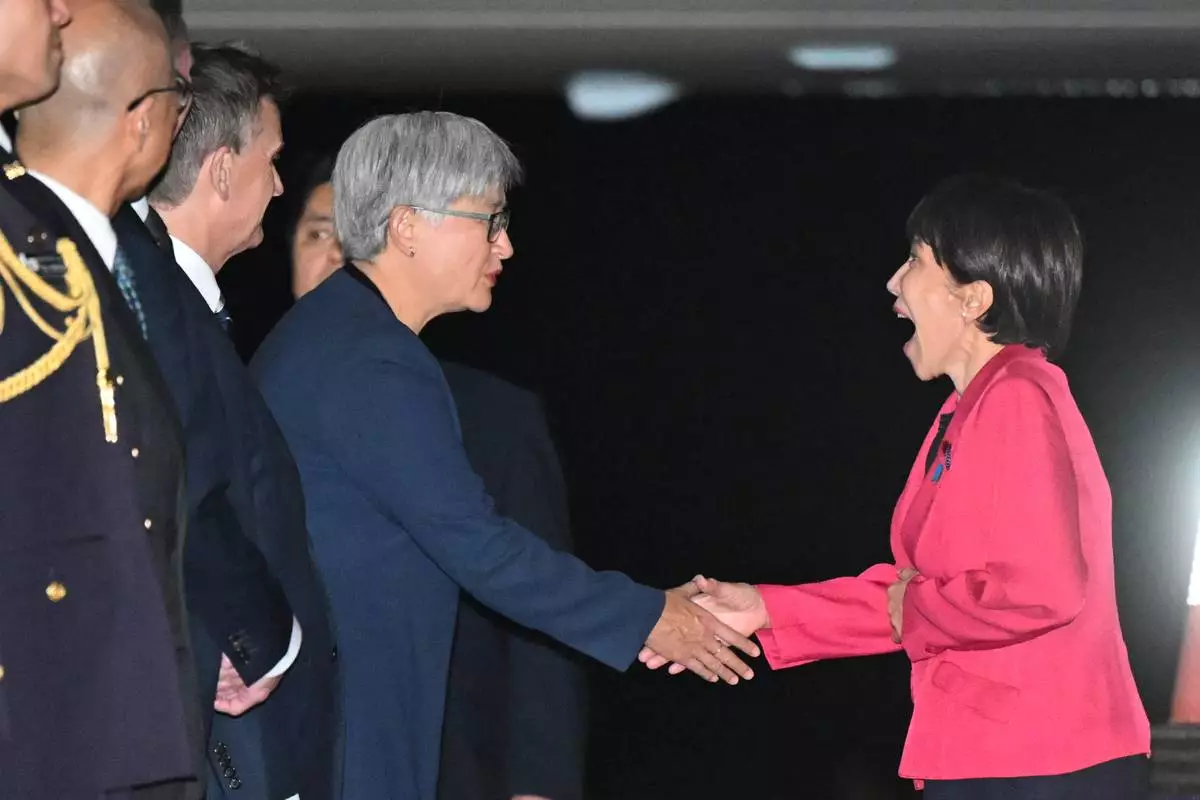
Prime Minister of Japan Sanae Takaichi, right, is greeted by Australian Foreign Minister Penny Wong in Canberra, Australia, Sunday, May 3, 2026. (Lukas Coch/AAP Image via AP)
YEREVAN, Armenia (AP) — European leaders on Monday said that U.S. President Donald Trump’s snap decision to pull thousands of U.S. troops out of Germany came as a surprise but is a fresh sign that Europe must take care of its own security.
The Pentagon announced last week that it would pull some 5,000 troops out of Germany, but Trump told reporters on Saturday that “we’re going to cut way down. And we’re cutting a lot further than 5,000.”
He offered no reason for the move, which blindsided NATO, but his decision came amid an escalating dispute with German Chancellor Friedrich Merz over the U.S-Israeli war on Iran, and Trump’s anger that European allies have been reluctant to get involved in the conflict in the Middle East.
Asked about the decision to pull out 5,000 troops from Germany, Norwegian Prime Minister Jonas Gahr Støre said: “I wouldn’t exaggerate that because I think we are expecting that Europe is taking more charge of its own security.
“I do not see those figures as dramatic, but I think they should be handled in a harmonious way inside the framework of NATO,” he told reporters in Yerevan, Armenia, where European leaders are holding a summit.
The European Union’s foreign policy chief, Kaja Kallas, said “there has been a talk about withdrawal of U.S. troops for a long time from Europe. But of course, the timing of this announcement comes as a surprise.”
“I think it shows that we have to really strengthen the European pillar in NATO,” she said.
Asked whether she believes that Trump is trying to punish Merz, who said that the U.S. has been humiliated by Iran in talks to end the war, Kallas said: “I don’t see into the head of President Trump, so he has to explain it himself.”
Over the weekend, NATO spokesperson Allison Hart said that officials at the 32-nation military alliance “are working with the U.S. to understand the details of their decision on force posture in Germany.”
European allies and Canada have known since just after he came to office again last year that Trump would pull troops out of Europe — indeed some left Romania in October — but U.S. officials had pledged to coordinate any moves with their NATO allies to avoid creating a security vacuum.
NATO Secretary-General Mark Rutte played down the move, saying that “there has been at this point disappointment on the U.S. side” about European support for the war on Iran.
Notably France, Spain and the U.K. have declined to give U.S. forces free rein to use bases on their territory to attack Iran. Spain has denied them the use of its airspace and bases there for the war.
But Rutte, who has championed Trump’s leadership at NATO despite the U.S. president's criticism of the majority of the allies, said: “I would say the Europeans have heard a message. They are now making sure that all the bilateral basing agreements are being implemented.”
Rutte added that European nations “have decided to pre-position assets, key assets, close to the theater for the next phase.”
He provided no details, but the Europeans have insisted they would not help police the Strait of Hormuz, a key energy trade route, until the war is over.
French President Emmanuel Macron said “if the United States is ready to reopen Hormuz, that’s great. That’s what we’ve been asking for since the beginning.” But he underlined that the Europeans are not ready to get involved in any operation “that does not seem clear to us.”
In another sign of friction with Merz, Trump has accused the EU of not complying with its U.S. trade deal and announced plans to increase tariffs next week on cars and trucks produced in the bloc to 25%, a move that would be particularly damaging to Germany, a major automobile manufacturer.
Without mentioning Trump or the United States, European Commission President Ursula von der Leyen listed recent trade deals that the bloc has sealed with Australia and India, and is now working on with Mexico.
“With like-minded friends, you have stable, reliable supply chains and Europe has the biggest network of free trade agreements,” von der Leyen, who is from Germany, told reporters.
Cook reported from Brussels.
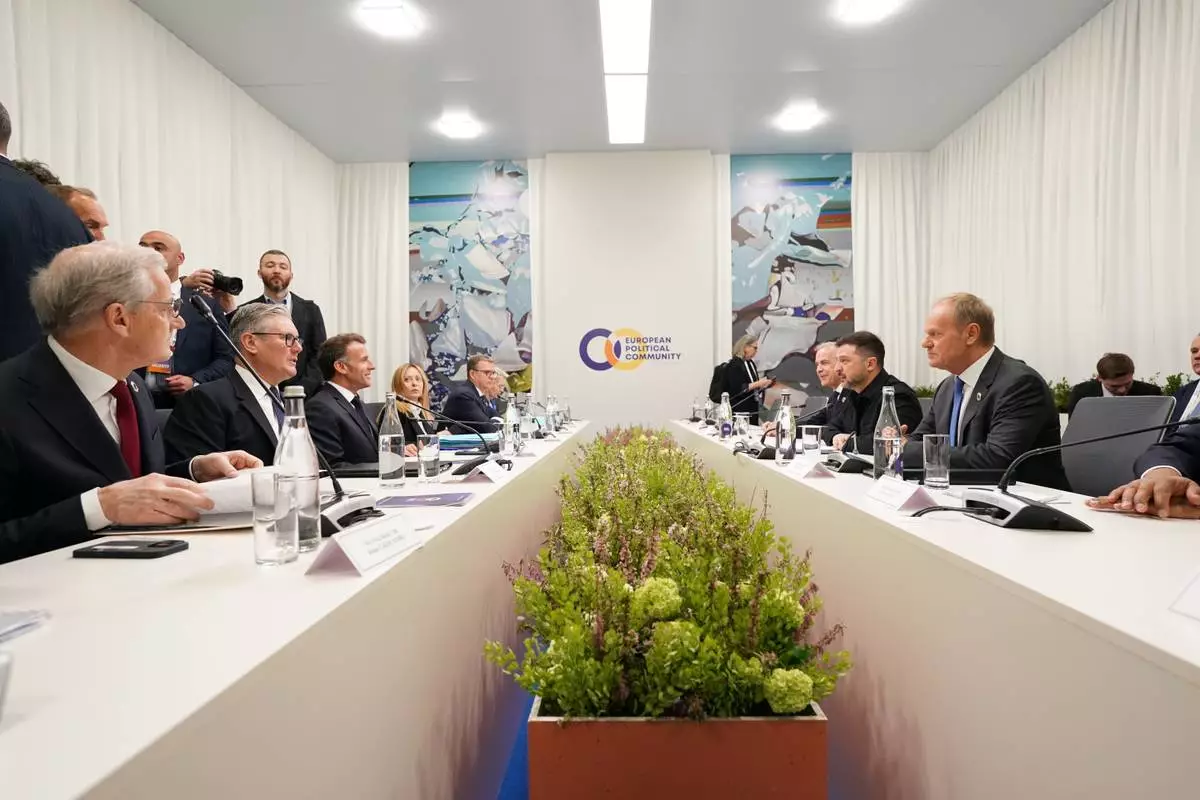
Ukraine's President Volodymyr Zelenskyy, second right, sits opposite Britain's Prime Minister Keir Starmer, second left, and France's President Emmanuel Macron, third left, during the Ukraine multi-lateral meeting, co-chaired by UK and France at the European Political Community summit in Yerevan, Armenia, Monday May 4, 2026. (Stefan Rousseau/Pool Photo via AP)
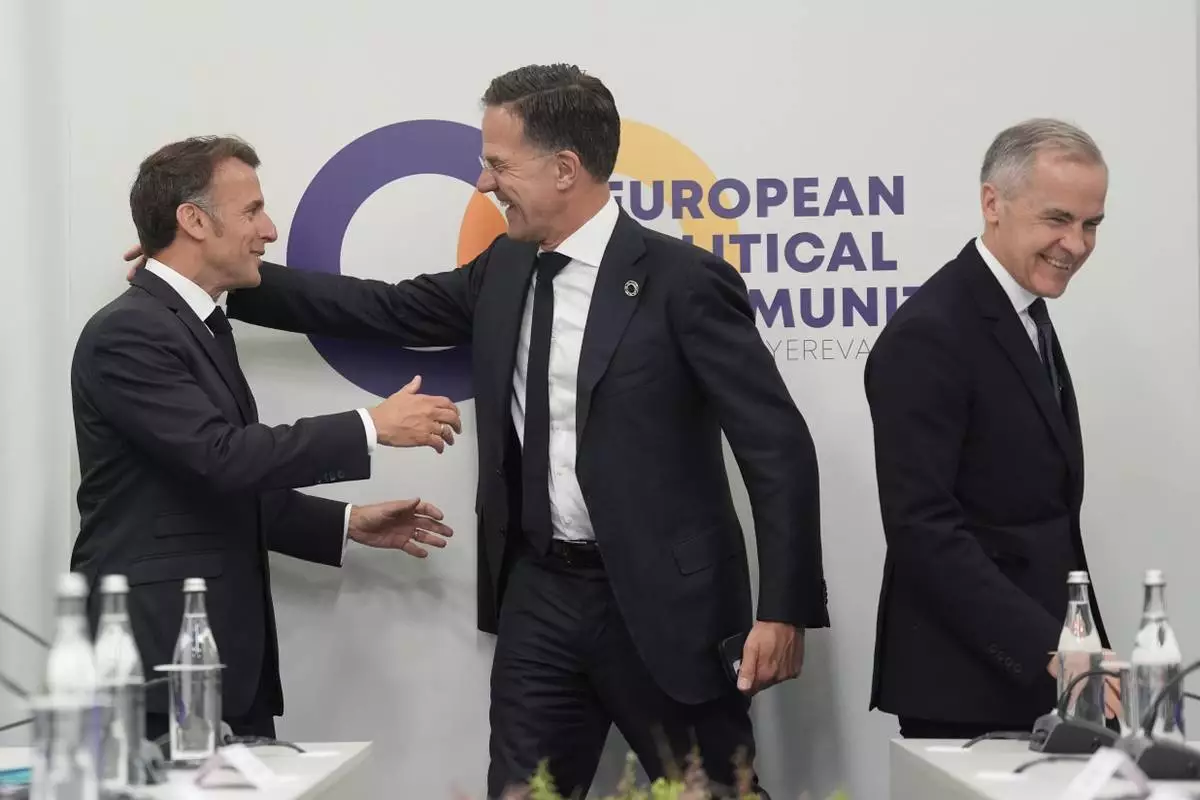
France's President Emmanuel Macron, from left, NATO Secretary General Mark Rutte and Canada's Prime Minister Mark Carney attend the European Political Community summit in Yerevan, Armenia, Monday May 4, 2026. (Stefan Rousseau/Pool Photo via AP)
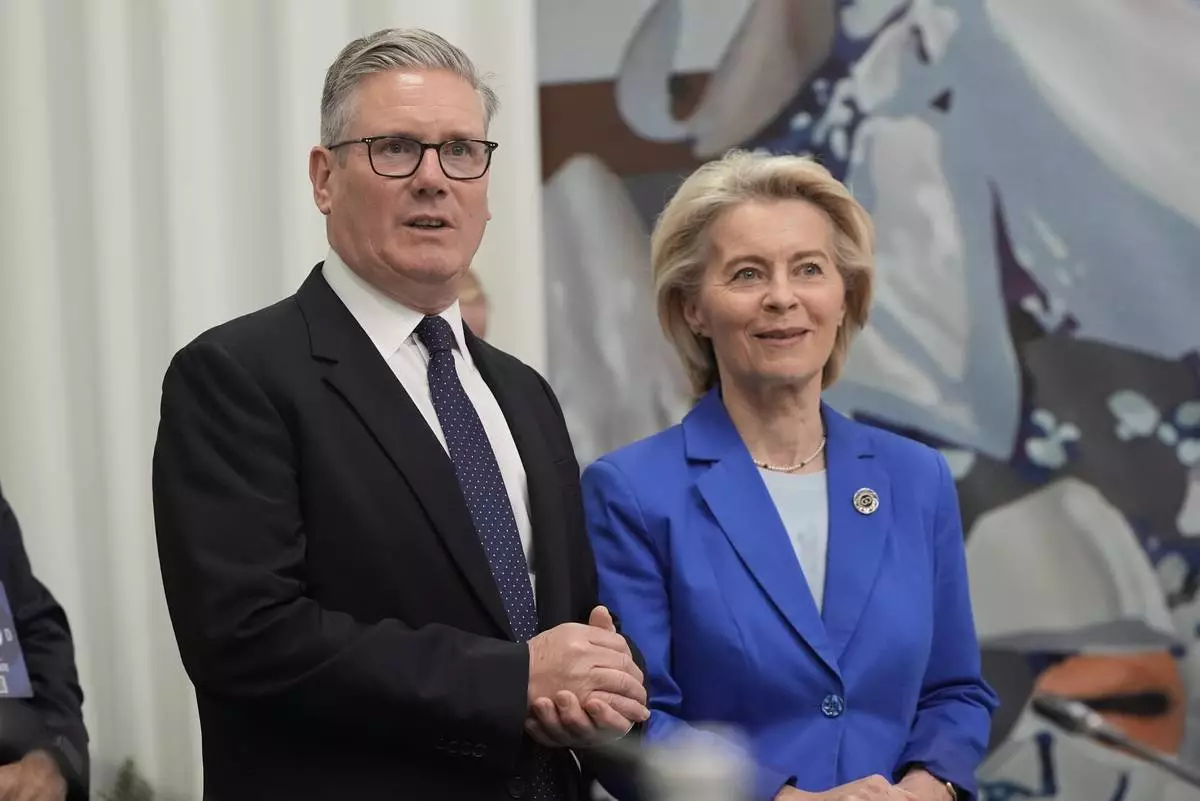
Britain's Prime Minister Keir Starmer, left, and President of the European Commission Ursula von der Leyen attend the European Political Community summit in Yerevan, Armenia, Monday May 4, 2026. (Stefan Rousseau/Pool Photo via AP)
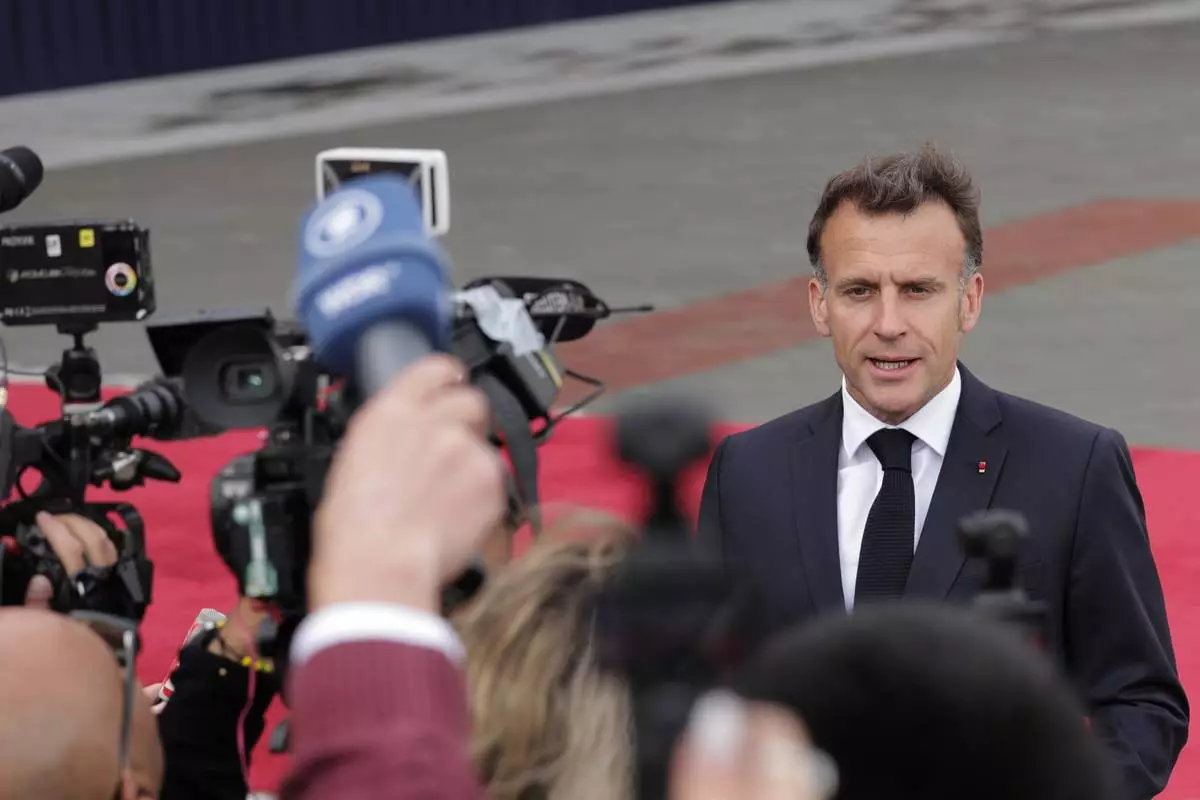
French President Emmanuel Macron speaks with the media as he arrives for a meeting of the European Political Community in Yerevan, Armenia, Monday, May 4, 2026. (AP Photo/Anthony Pizzoferrato)
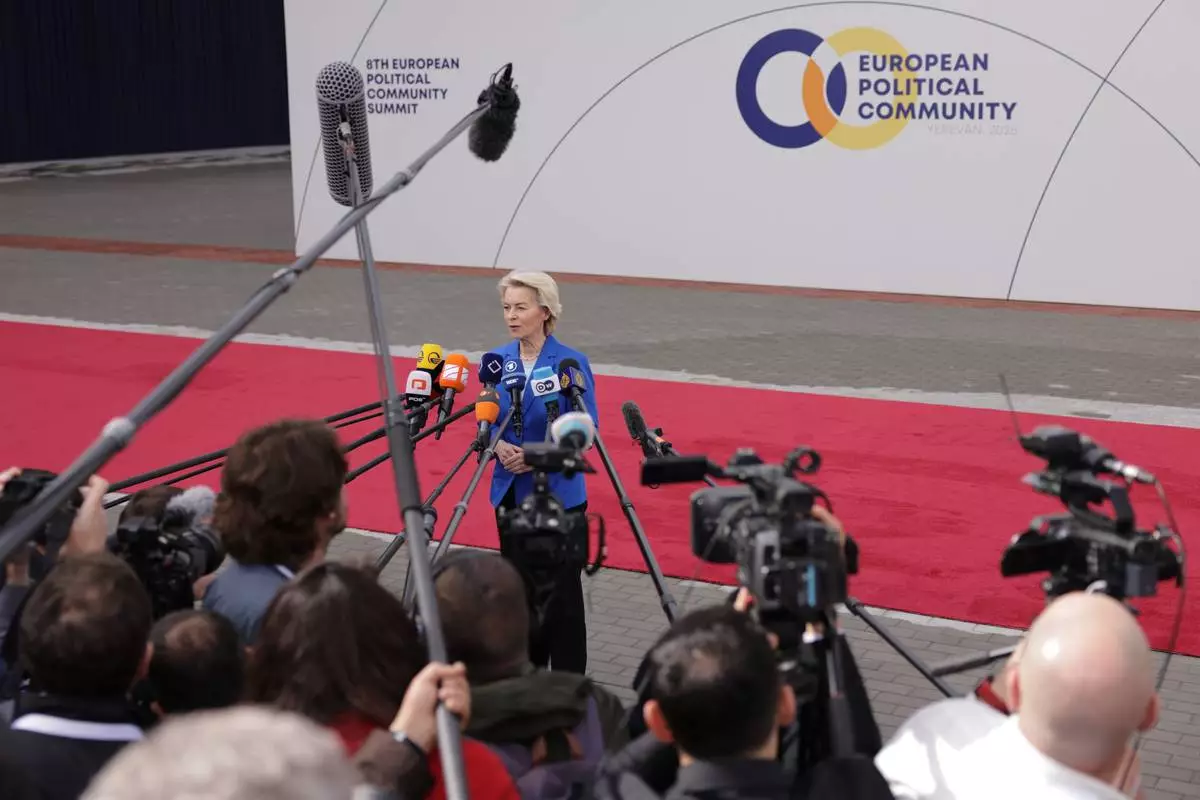
European Commission President Ursula von der Leyen speaks with the media as she arrives for a meeting of the European Political Community in Yerevan, Armenia, Monday, May 4, 2026. (AP Photo/Anthony Pizzoferrato)
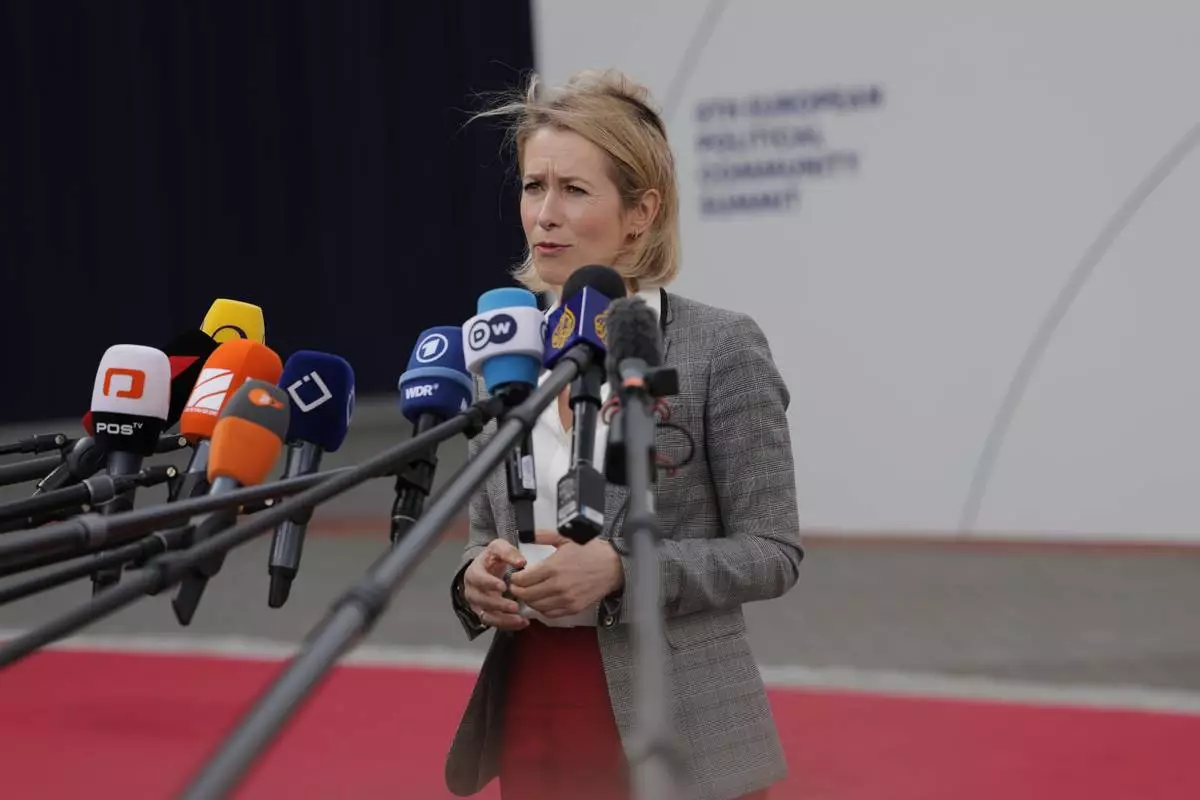
European Union foreign policy chief Kaja Kallas speaks with the media as she arrives for a meeting of the European Political Community in Yerevan, Armenia, Monday, May 4, 2026. (AP Photo/Anthony Pizzoferrato)
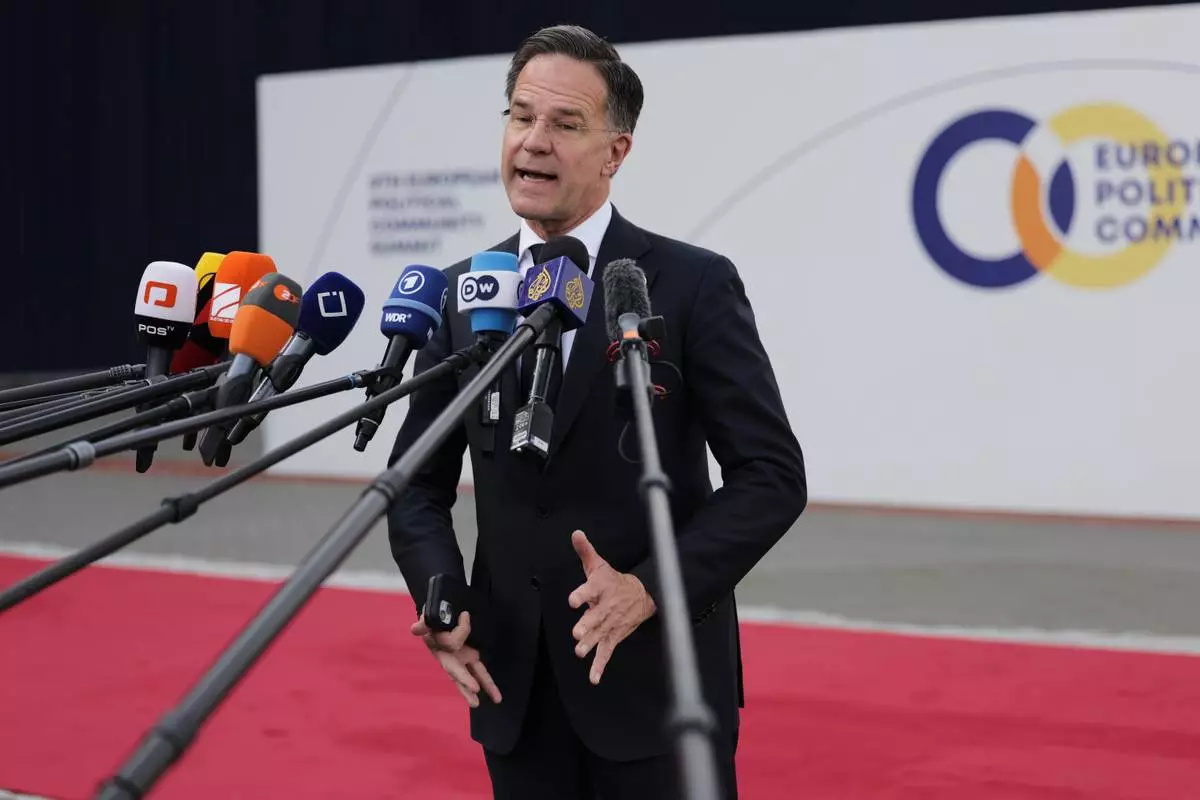
NATO Secretary General Mark Rutte speaks with the media as he arrives for a meeting of the European Political Community in Yerevan, Armenia, Monday, May 4, 2026. (AP Photo/Anthony Pizzoferrato)
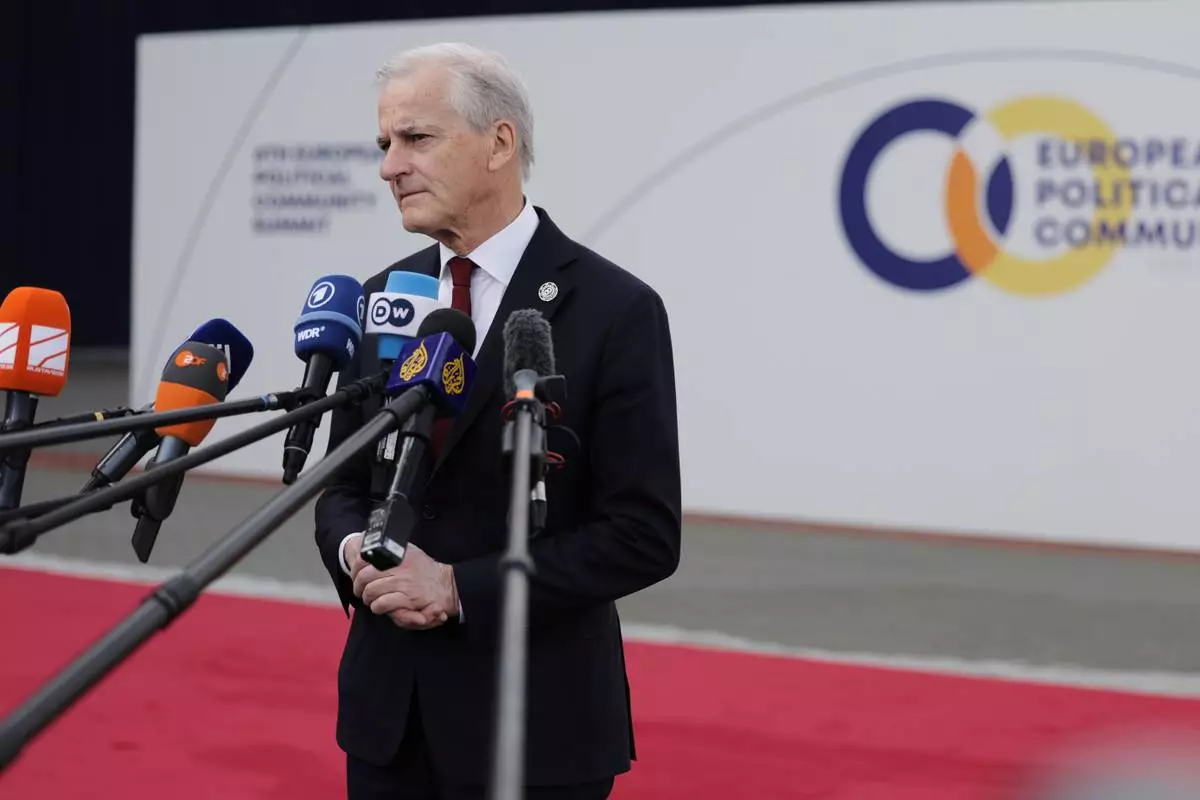
Norway's Prime Minister Jonas Gahr Store speaks with the media as he arrives for a meeting of the European Political Community in Yerevan, Armenia, Monday, May 4, 2026. (AP Photo/Anthony Pizzoferrato)
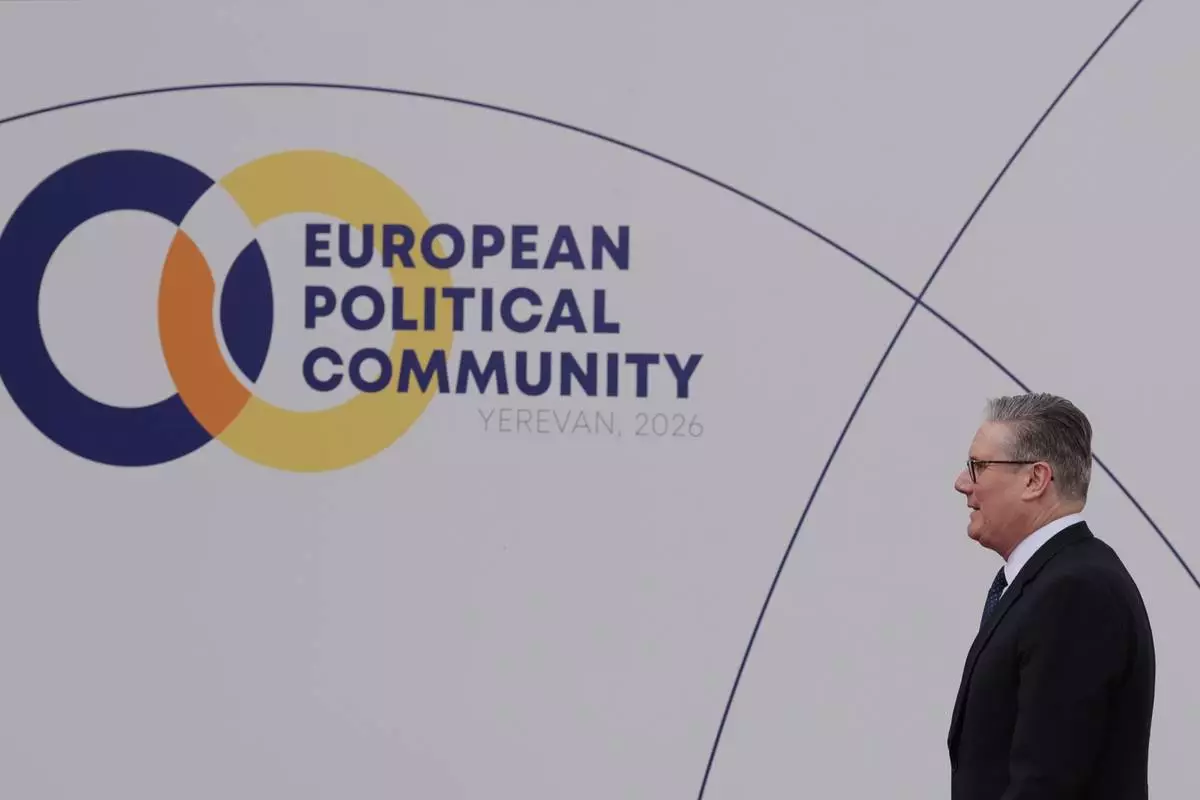
Britain's Prime Minister Keir Starmer arrives for a meeting of the European Political Community in Yerevan, Armenia, Monday, May 4, 2026. (AP Photo/Anthony Pizzoferrato)