BIRMINGHAM, England (AP) — Morgan Gibbs-White is in “pain” because of a facial injury and might have to wear a mask to play against Aston Villa in the second leg of the Europa League semifinals, Nottingham Forest manager Vitor Pereira said Wednesday.
Gibbs-White, who is vying to make England’s squad for the World Cup, sustained a deep cut on his forehead after colliding with Chelsea goalkeeper Robert Sanchez in Forest’s 3-1 win at Stamford Bridge in the Premier League on Monday.
The attacking midfielder was forced off the field, just 20 minutes after coming on as a halftime substitute. He is now a doubt for Forest’s return match at Villa in the Europa League on Thursday. Forest leads 1-0 after last week’s first leg thanks to Chris Wood’s second-half penalty.
“(He is) with pain, for sure,” Pereira said, “but we will see tomorrow if he is able (to play) or not. Big question.
“It’s a decision between the player, the medical department and myself, but we didn’t have the meeting to decide.”
Asked if Gibbs-White could play in a specially fitted face mask, Pereira said: “I think yesterday he went to have a mask made.”
The availability of Gibbs-White, one of the form players in English soccer, could be key to Forest’s chances of reaching the final in Istanbul. The winner of the Europa League secures direct qualification to the Champions League.
It would be Forest’s first European trophy since winning the European Cup — the precursor to the Champions League — in 1979 and 1980 under the great Brian Clough.
Villa won the European Cup in 1982 so the two teams from central England have pedigree, if not for a generation.
Braga leads Freiburg 2-1 after the first leg of the other semifinal. Freiburg hosts the return match.
AP soccer: https://apnews.com/hub/soccer

Nottingham Forest's Morgan Gibbs-White receives treatment for a head injury during the English Premier League soccer match between Chelsea and Nottingham Forest in London, Monday, May 4, 2026. (John Walton/PA via AP)
PRAIA, Cape Verde (AP) — Three patients with suspected hantavirus infections were being evacuated from a cruise ship to the Netherlands on Wednesday, the U.N. health agency said, as the vessel at the center of a deadly outbreak remained off Cape Verde with nearly 150 people on board waiting to head to Spain’s Canary Islands.
Associated Press footage showed health workers in protective gear heading to the ship for the evacuation that included the ship's doctor, who Spain's health ministry said had been in “serious condition” but has improved. An air ambulance later departed.
Three people have died, and one body remained on the ship, the World Health Organization said. Eight cases have been recorded in all, three of them confirmed by laboratory testing.
Contact tracing had begun on two continents, Europe and Africa, in search of infections around people who earlier left the ship, which departed over a month ago from South America for stops in Antarctica and several remote Atlantic islands. Hantavirus usually spreads by inhaling contaminated rodent droppings and can spread person-to-person, though the WHO calls that rare.
Two Argentine officials investigating the origins of the outbreak said the government’s leading hypothesis is that a Dutch couple contracted the virus during a bird-watching outing in the city of Ushuaia before boarding.
They said the couple visited a landfill during the tour and may have been exposed to rodents. The officials spoke on condition of anonymity because they were not authorized to brief the media, with the investigation ongoing. Authorities previously said Ushuaia and surrounding Tierra del Fuego province had never recorded a hantavirus case.
The Dutch foreign ministry said the three people evacuated were a 41-year-old Dutch national, a 56-year-old British national and a 65-year-old German national who would be "immediately transferred to specialized hospitals in Europe.” A Dutch hospital confirmed it would take one, and German authorities said they were preparing for a second.
Two “remain in a serious condition," Dutch ship operator Oceanwide Expeditions said, and the third had no symptoms but was “closely associated” with a German passenger who died on the MV Hondius ship on May 2.
Health officials said passengers and crew members still on the ship are without symptoms. Their journey to the Canary Islands will take three or four days, Spain’s health ministry said, adding that the arrival “won´t represent any risk for the public."
Meanwhile, authorities in Switzerland and South Africa said three people had tested positive for the Andes strain of the virus. The WHO says the species of hantavirus is found in South America, primarily in Argentina and Chile, and can spread between people, though that’s rare and only through close contact.
The World Health Organization’s top epidemic expert told The Associated Press the risk to the public is low, and the Andes variant is known even if WHO has never seen a hantavirus outbreak on a ship.
“This is not the next Covid, but it is a serious infectious disease,” Maria Van Kerkhove said. “Most people will never be exposed to this.”
For those on the ship, access to clinical care is important, she said, because infected people can develop severe acute respiratory distress and need oxygen or mechanical ventilation. The hantavirus incubation period can be one to six weeks, or more, she added.
The ship left Argentina on April 1. The WHO has said the itinerary included stops across the South Atlantic, including mainland Antarctica and the remote islands of South Georgia, Nightingale Island, Tristan da Cunha, St. Helena and Ascension.
The ship is now in the Atlantic off West Africa's island nation of Cape Verde. The WHO said passengers were isolating in their cabins.
“At this stage, the overall public health risk remains low,” WHO chief Tedros Adhanom Ghebreyesus said.
Two Dutch infectious diseases experts were joining the ship, Van Kerkhove said.
Spain’s health ministry said it would receive the ship in the Canary Islands after a request from the WHO and the European Center for Disease Prevention and Control. The Canary Islands regional president , Fernando Clavijo, said he worried about the risk to the population and demanded a meeting with Prime Minister Pedro Sánchez.
Authorities in Switzerland said a former passenger was being treated at a Zurich hospital after testing positive for the Andes strain. South African authorities earlier said two passengers who were transferred there tested positive for the strain. One, a British man, was in intensive care and the other collapsed and died in South Africa.
Swiss health office spokesperson Simon Ming in an email said the patient there had left the ship during its St. Helena stop. It was not immediately clear when or how he traveled to Switzerland.
The patient’s wife hasn’t shown symptoms but is self-isolating as a precaution, a statement by the office said.
“There is currently no risk to the Swiss public," the office said, while looking into whether the patient had come into contact with others.
At St. Helena, the body of the Dutch man suspected to be the first hantavirus case on board was taken off the ship. His wife flew to South Africa, where she collapsed at the Johannesburg airport and died.
Later, a British man was evacuated at Ascension Island and taken to South Africa.
The ship's operator has not said if other people left at those or other locations.
The South African health ministry says officials have traced 42 out of 62 people, including health workers, they believe had contact with the two infected passengers who traveled there. The 42 tested negative for hantavirus.
But 20 people still need to be traced, including five people who may have been on flights to South Africa with some of the passengers as well as flight crew members.
Some may have now traveled overseas, the ministry said.
Asadu from Abuja, Nigeria. Gerald Imray in Cape Town, South Africa; Renata Brito and Joseph Wilson in Barcelona; Geir Moulson in Berlin; Mike Corder in The Hague, Netherlands and Michelle Gumede and Mogomotsi Magome in Johannesburg contributed to this report.
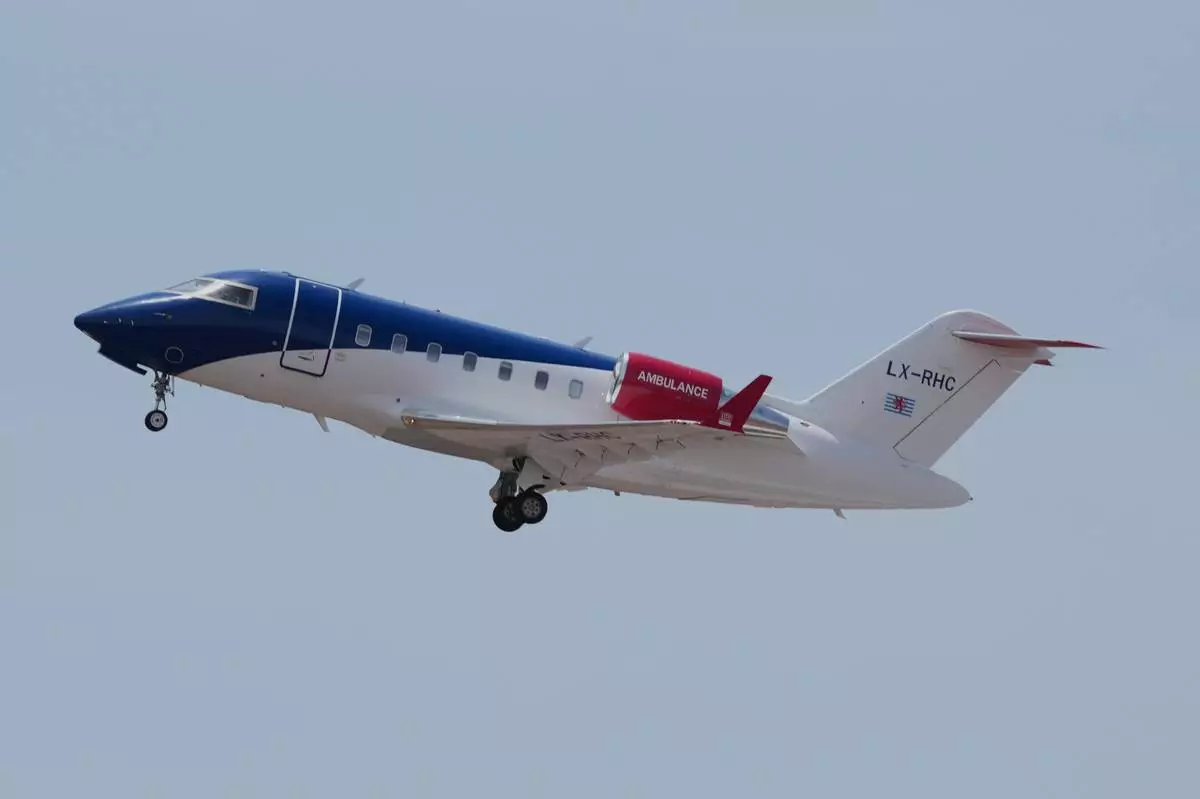
An air ambulance takes off with evacuated patients from the MV Hondius cruise ship from the airport in Praia, Cape Verde, Wednesday, May 6, 2026. (AP Photo/Misper Apawu)
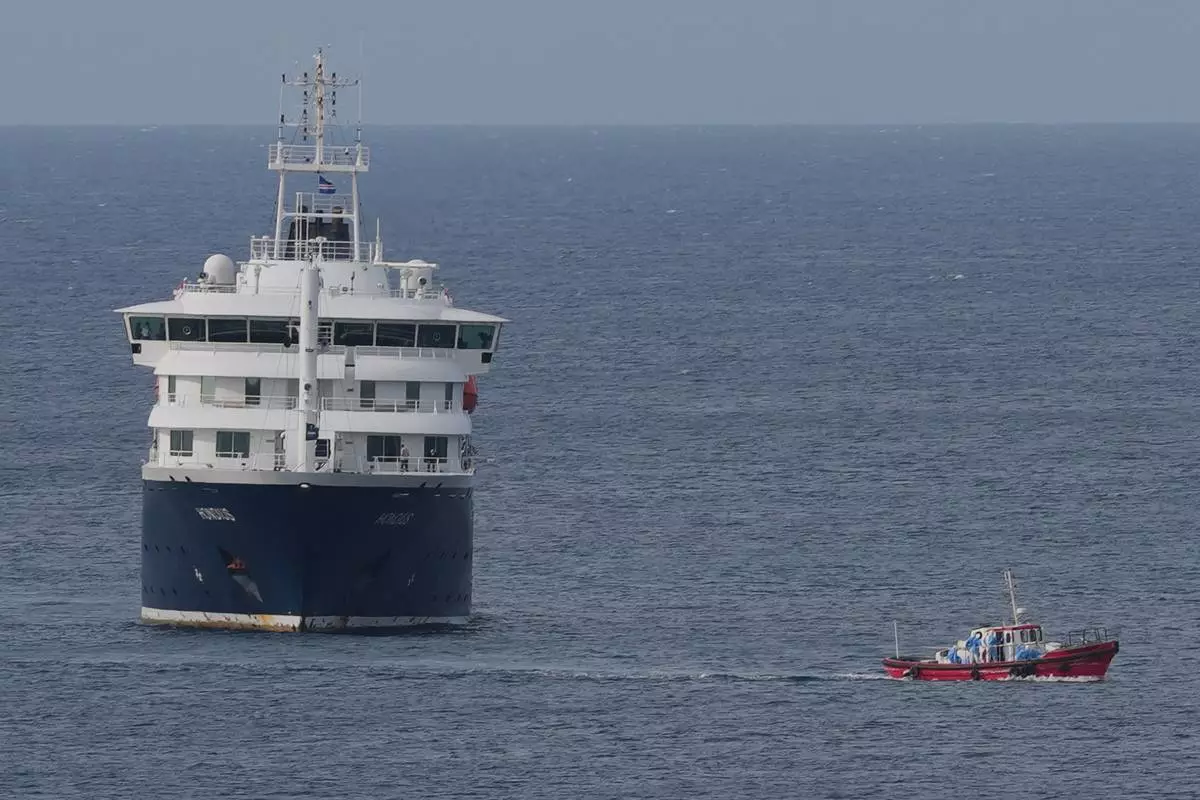
The MV Hondius cruise ship is anchored at a port in Praia, Cape Verde, Wednesday, May 6, 2026. (AP Photo/Misper Apawu)
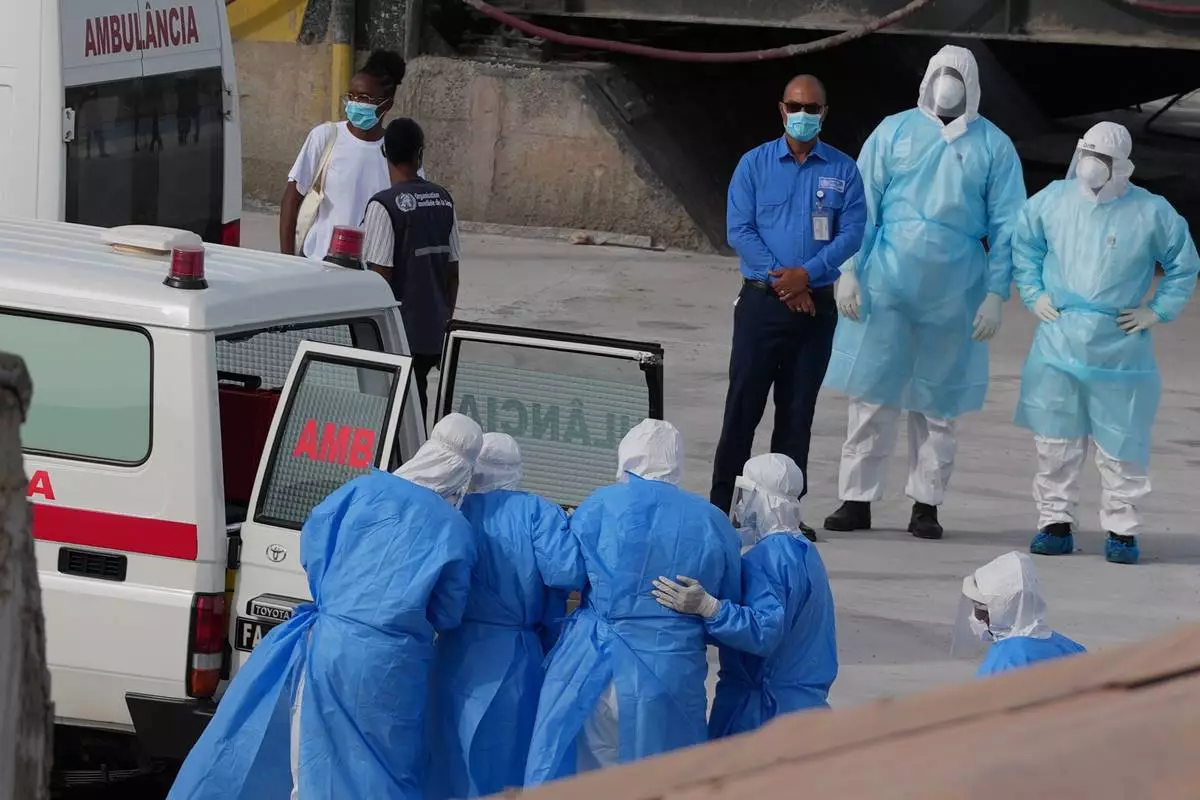
Health workers in protective gear evacuate patients from the MV Hondius cruise ship into an ambulance at a port in Praia, Cape Verde, Wednesday, May 6, 2026. (AP Photo/Misper Apawu)
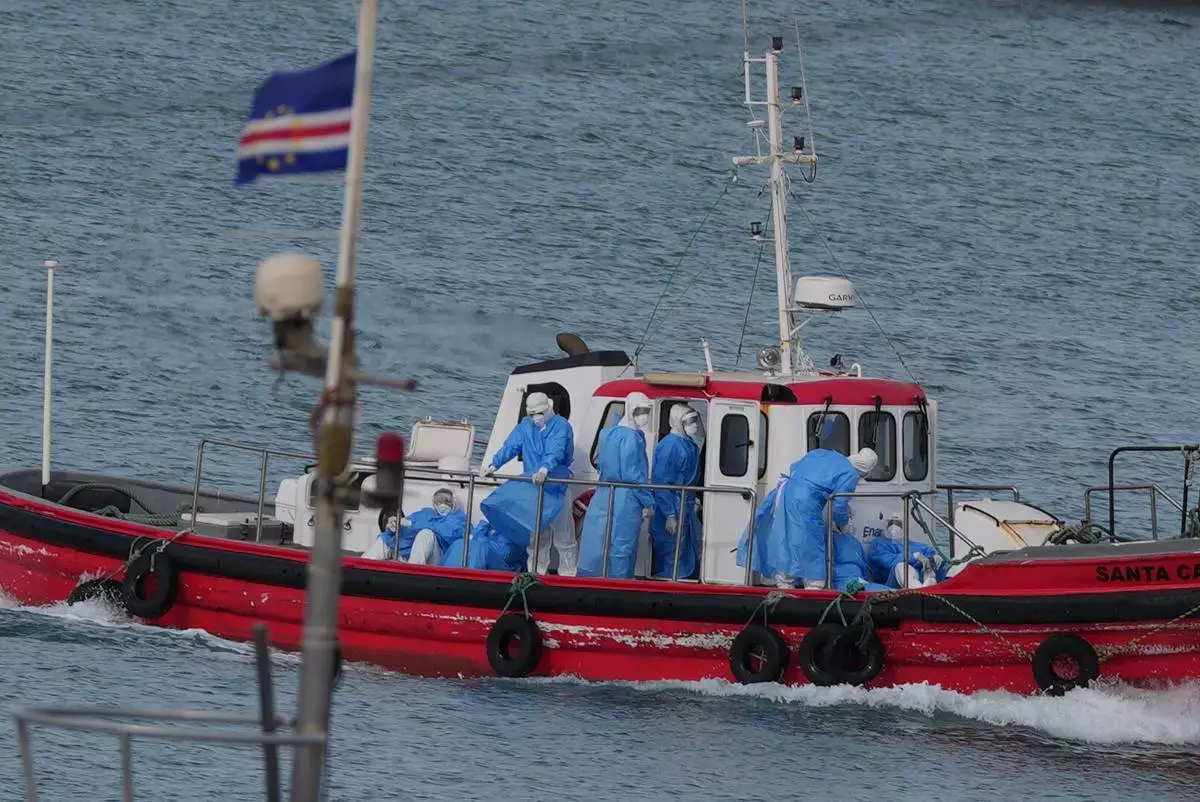
Health workers in protective gear arrive to evacuate patients from the MV Hondius cruise ship at a port in Praia, Cape Verde, Wednesday, May 6, 2026. (AP Photo/Misper Apawu)
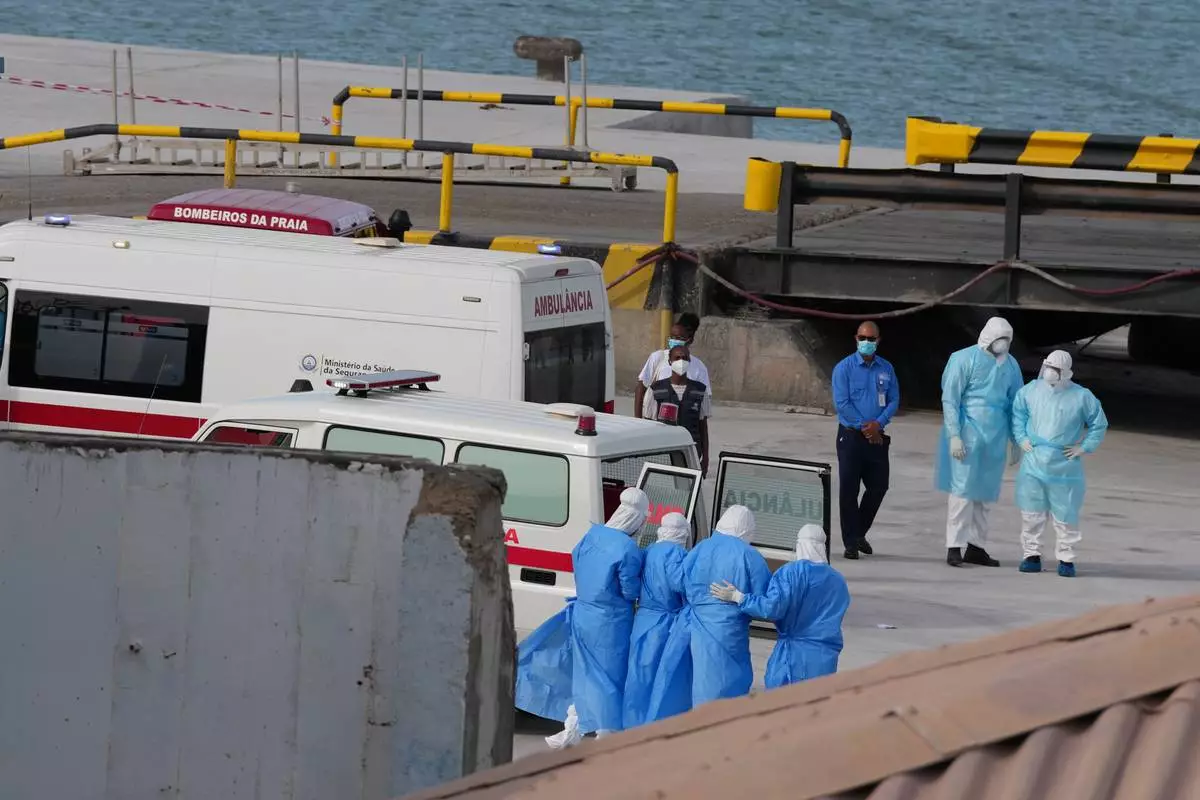
Health workers in protective gear evacuate patients from the MV Hondius cruise ship at a port in Praia, Cape Verde, Wednesday, May 6, 2026. (AP Photo/Misper Apawu)
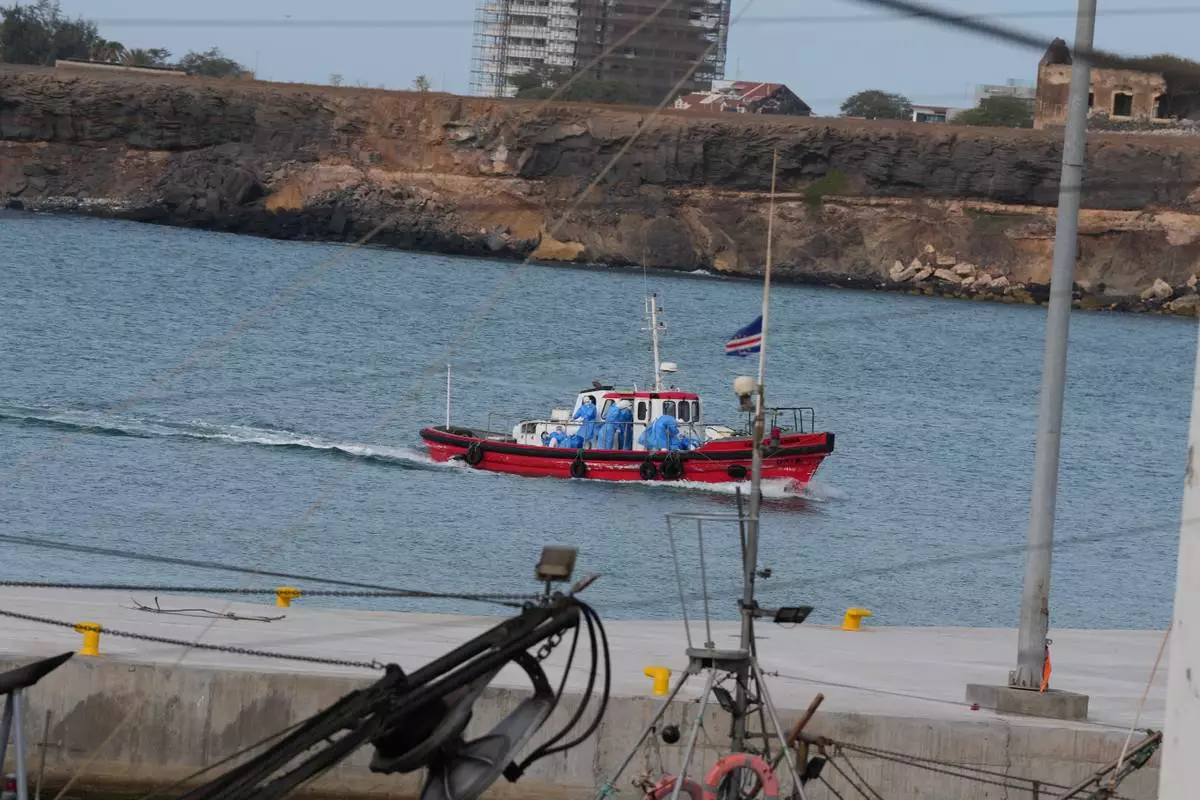
Health workers in protective gear evacuate patients from the MV Hondius cruise ship at a port in Praia, Cape Verde, Wednesday, May 6, 2026. (AP Photo/Misper Apawu)
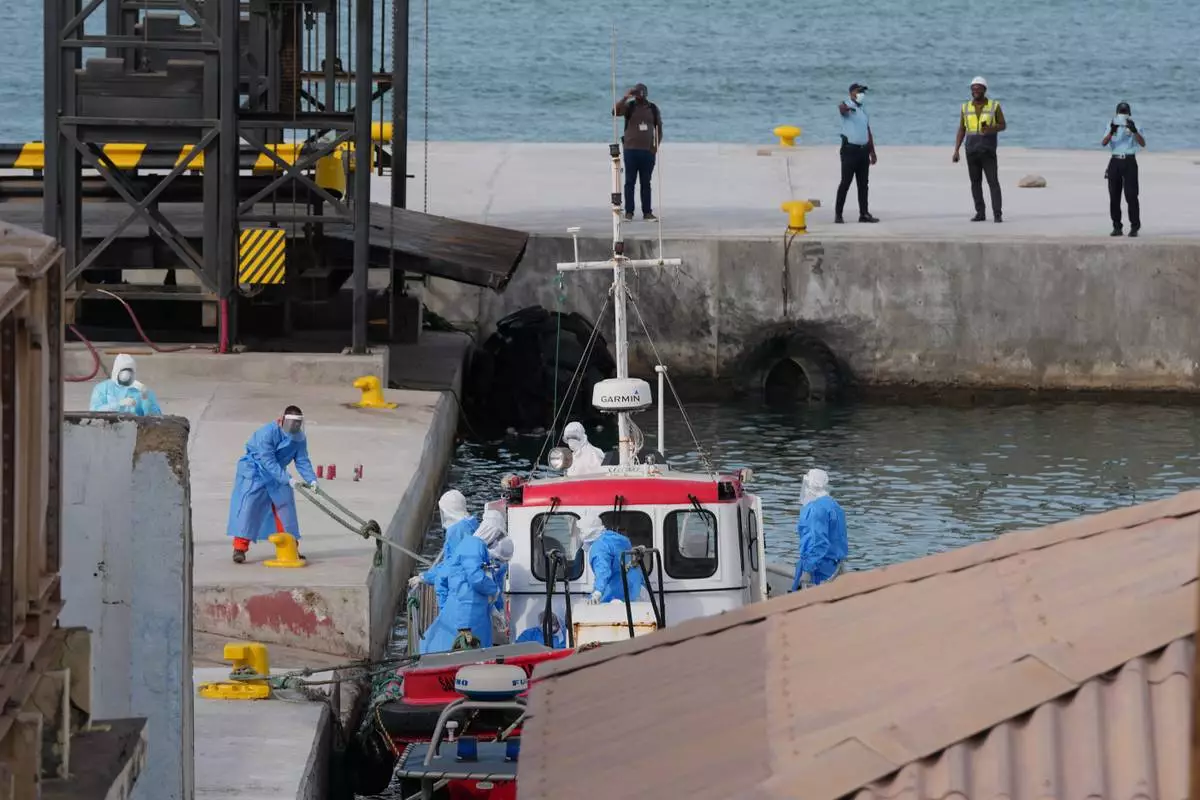
Health workers in protective gear evacuate patients from the MV Hondius cruise ship at a port in Praia, Cape Verde, Wednesday, May 6, 2026. (AP Photo/Misper Apawu)
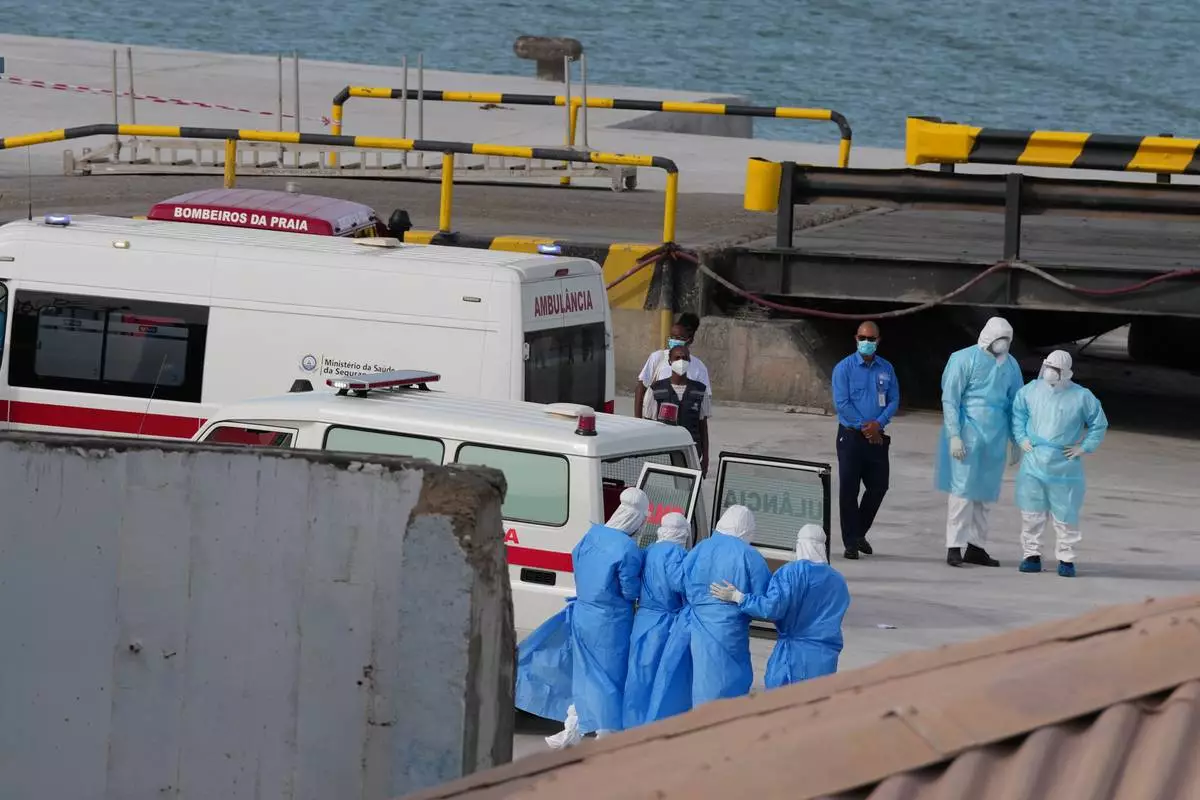
Health workers in protective gear evacuate patients from the MV Hondius cruise ship at a port in Praia, Cape Verde, Wednesday, May 6, 2026. (AP Photo/Misper Apawu)
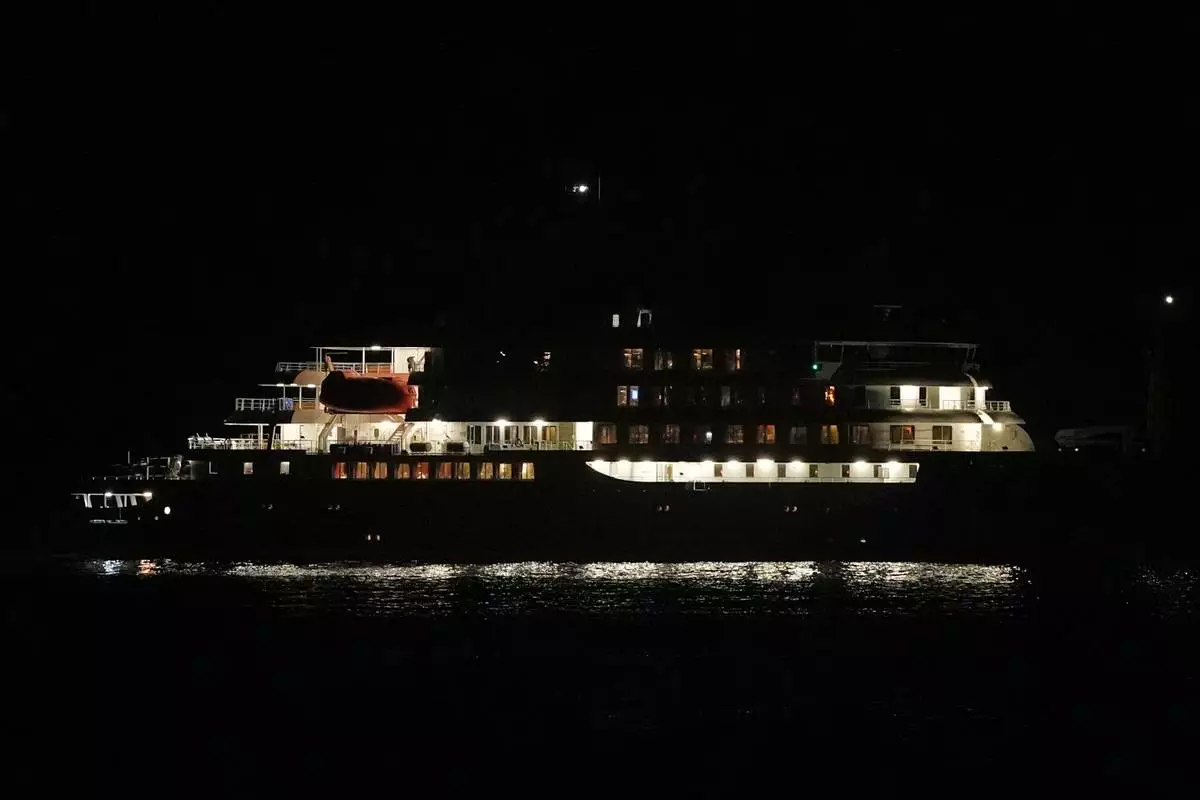
A night view of the MV Hondius cruise ship anchored at a port in Praia, Cape Verde, Tuesday, May 5, 2026. (AP Photo/Misper Apawu)
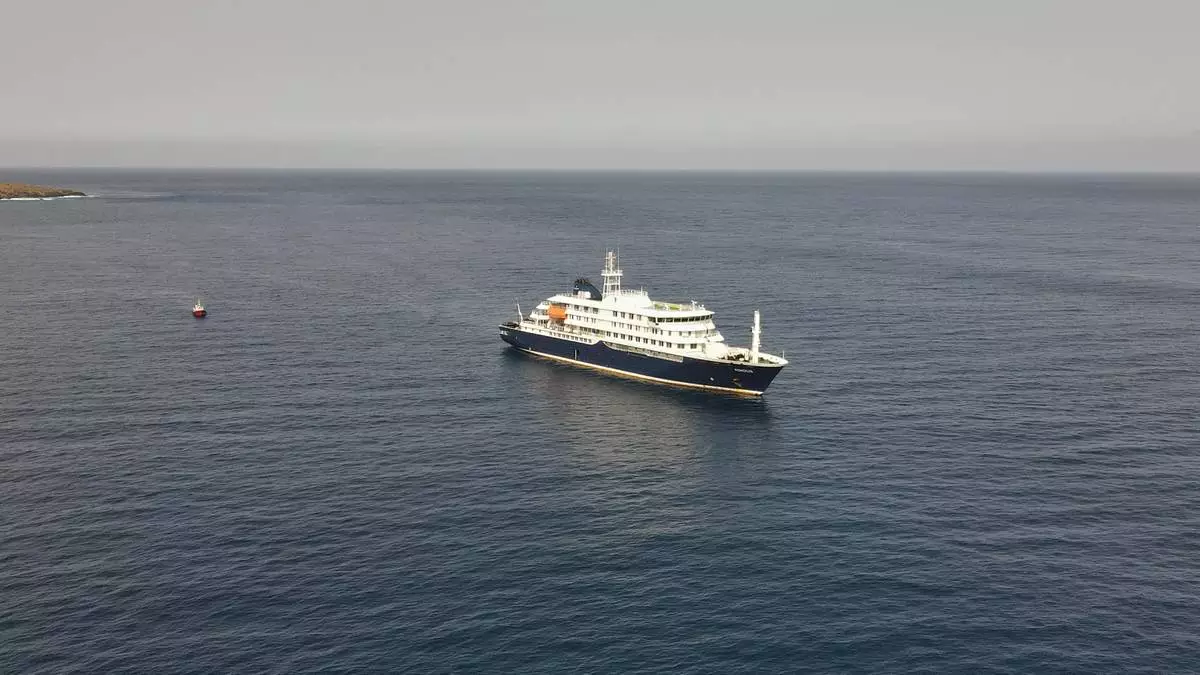
An aerial view of the MV Hondius Dutch cruise ship anchored in the Atlantic off Cape Verde, Tuesday, May 5, 2026. (AP Photo/Arilson Almeida)
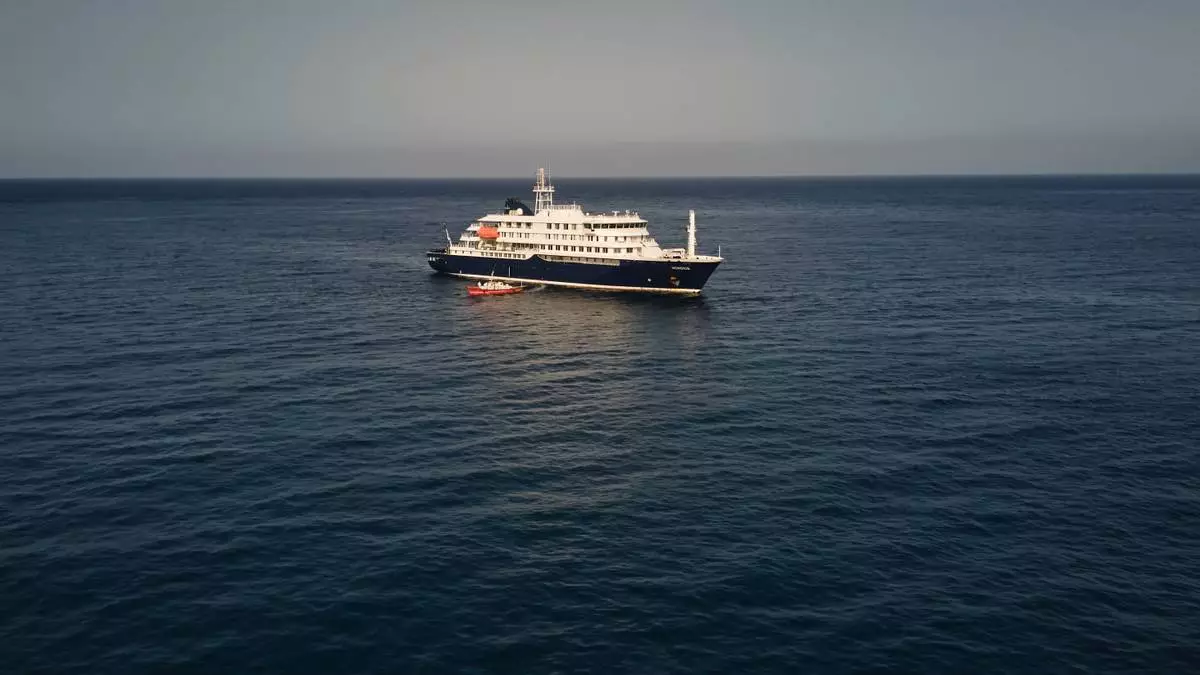
An aerial view of the MV Hondius Dutch cruise ship anchored in the Atlantic off Cape Verde, Tuesday, May 5, 2026. (AP Photo/Arilson Almeida)