EDGEWOOD, N.M. (AP) — The only person ever charged in the unsolved 2021 disappearance of Navajo elder Ella Mae Begay, whose case became a symbol of the nationwide crisis of violence against Native Americans, is scheduled to be sentenced Friday in federal court.
Under the conditions of a plea agreement, Preston Henry Tolth, 26, faces a maximum of five years in federal prison with credit for three years of time served. He pleaded guilty to robbing Begay and driving off in her pickup truck.
If U.S. District Judge Douglas Rayes in Phoenix approves the agreement, that will effectively close the government’s yearslong case against Tolth, which has been troubled by a lack of physical evidence and the suppression of a confession from Tolth.
Family members said they’ll urge Rayes to reject the agreement during Friday’s hearing and reiterate they don’t want Tolth released without him leading investigators to Begay.
A beloved grandmother and talented weaver of Navajo-style pictorial rugs, Begay was 62 when she vanished from her home in Sweetwater, Arizona, on the Navajo Nation in June 2021. Tolth’s sentencing comes amid a week of awareness for the Missing and Murdered Indigenous Peoples movement, which highlights the disproportionate number of Native Americans who are missing or have been killed.
In the years since Begay went missing, her family members have organized searches, pushed law enforcement for answers and even walked across the country to keep a public spotlight on her case. Advocates have compared Begay’s case to that of Gabby Petito, a young white woman whose disappearance the same summer drew a frenzy of news coverage, social media attention and law enforcement action that ultimately led to the discovery of her remains in Wyoming.
Navajo Nation police and FBI agents identified Tolth as a suspect within days of her disappearance. Tolth, whose father was dating Begay’s sister, initially denied any involvement. In a later interrogation, an FBI agent lied to Tolth, telling him police found Begay’s truck and were processing evidence that would implicate him. In response, Tolth waived his right to remain silent and confessed to stealing Begay’s pickup truck, beating her and leaving her for dead on the side of the road.
It is typically legal for U.S. law enforcement to fabricate evidence during interrogations. But Rayes ruled that in this instance, the FBI agent failed to “scrupulously honor” Tolth’s initial refusal to speak and threw the confession out. A panel of appellate court judges agreed.
In court documents, federal prosecutors acknowledged that this weakened their case against Tolth significantly, prompting them to negotiate a plea agreement rather than take the case to trial.
In an unusual move, Rayes rejected a previous plea agreement that called for Tolth to serve three years of time served, saying it was overly lenient. Begay's family members had presented anguished testimony and said they would prefer to the case went to trial.
“Accountability is not time served,” Begay's niece Seraphine Warren told Rayes tearfully during an April hearing. “It’s about truth, and we still don’t have the truth."
Navajo Nation public safety director Michael Henderson said finding Begay is still a priority for tribal law enforcement.
“One of the hindrances is that the federal investigation is still pending,” Henderson said.
Once it wraps, Henderson said Navajo Nation police may gain access to information that will aid their search.
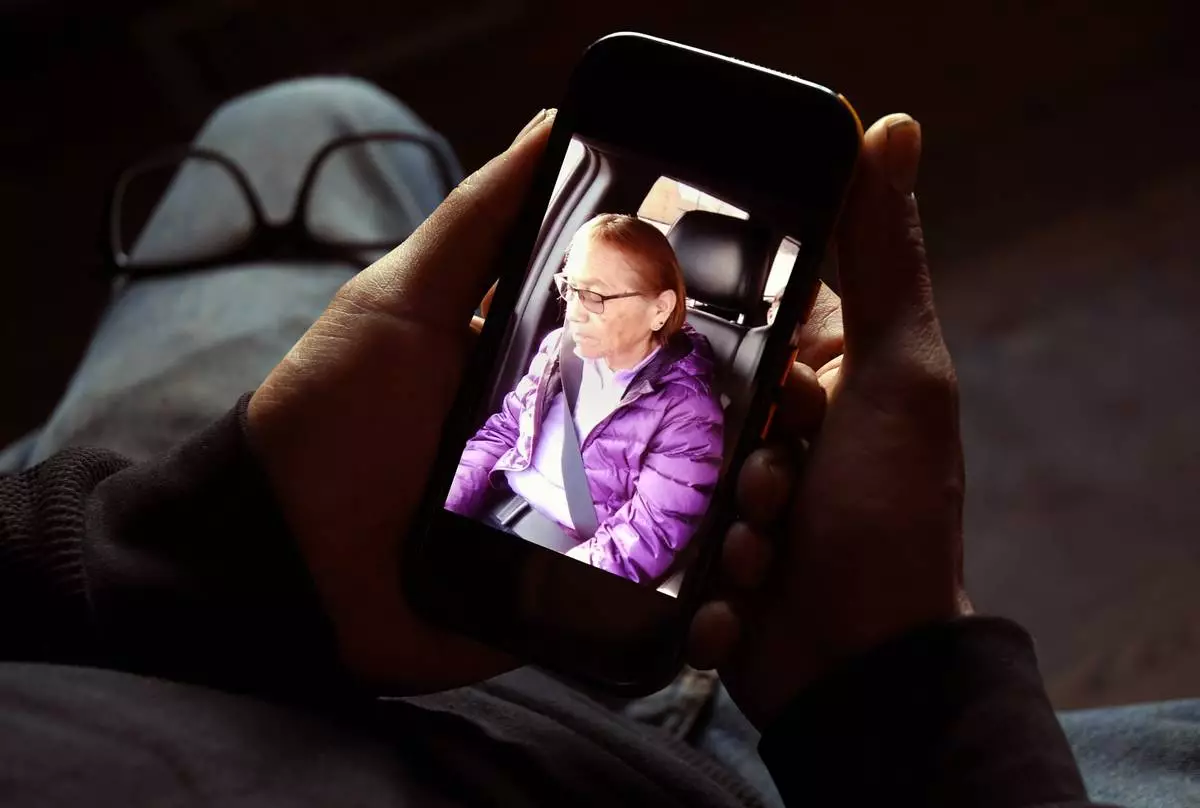
FILE - Gerald Begay, whose mother Ella Mae Begay went missing from her home, shows a photo of her on his phone in Denver, Thursday, April 2, 2026. (AP Photo/Thomas Peipert,File)
The way Alan Huss looks at NCAA Tournament expansion, the more the merrier.
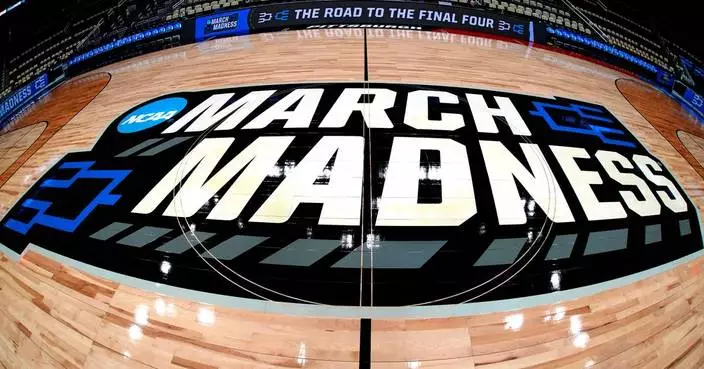
The new Creighton coach said Thursday he thinks the move from 68 to 76 teams will have minimal impact on the sport overall and give more teams a chance to experience March Madness, so it's a good thing.
But some of the biggest voices in the game, including UConn women's coach Geno Auriemma, say increasing the number of teams attempts to fix something that wasn't broken and that there are bigger issues, namely transfer rules, that should be addressed.
“To me, this is strictly a money grab for the Power Four conferences to get teams that finished 6-10 in their conference to get into the tournament,” Auriemma said.
There is no consensus among coaches on the topic of expansion. The National Association of Basketball Coaches, in fact, said it would not take a formal position on growing to 76 teams “in the absence of unanimous sentiment among the coaching community.”
The NCAA touted the greater access to the tournament for all teams. Some 21% of Division I men’s and women’s teams will participate. That’s up from 18%, which was the lowest rate among major team sports, according to the NCAA.
With the new 24-team opening round, which replaces the eight-team First Four, six conference automatic qualifiers — most likely mid-majors — will play at least two games in the tournament. Previously, only two AQs had a chance to play twice.
While mid-majors that advance will bring in more money for their conferences from the NCAA's performance fund, and there might be a few more at-large spots available for what typically are one-bid leagues, access for programs outside the Power Four won't improve much.
Huss speaks from experience. As High Point's coach, his team won the 2024 Big South regular-season title but lost in the conference tournament and was relegated to the College Basketball Invitational. His team swept the regular-season and conference tournament titles the next year and got the Big South's auto bid.
“It stinks that it's difficult for mid-majors to get at-large bids now,” Huss said. “I don’t know if it’s going to change substantially by adding additional spots. It’s great for everyone to have the opportunity.”
The question, Huss said, is whether more than a few mid-majors have the financial wherewithal to compete for those spots. Players are free to move to a new school every year and are motivated to do so because of the paydays available at bigger schools.
Big Sky Conference commissioner Tom Wistrcill is optimistic expansion will serve his one-bid conference well.
“As we continue to grow our basketball profile, additional at-large spots position us for the scenario in which a dominant team during the Big Sky regular season that doesn’t win (the conference tournament) is more likely to find a pathway into March Madness,” he said.
Auriemma said expansion would be appropriate if every mid-major that wins its conference regular-season title got an automatic bid. His case in point was Miami (Ohio), which went unbeaten in the regular season and won the Mid-American Conference but had to sweat out Selection Sunday because it lost in the first round of the conference tournament.
“It’s a rigged system and it is a system that is intended for going forward to benefit those schools that supposedly play in leagues that are so difficult that if you have a below .500 record, you should get in,” he said.
Men's coaches Mark Few of Gonzaga, Dan Hurley of UConn and John Calipari of Arkansas told CBS Sports before expansion was finalized that it was unnecessary.
“It’s the dumbing down of the regular season, which is sad,” Few said. “We’re out here trying to generate more interest in the regular season and expansion doesn’t help. That’s where we’ve been struggling. ... The tournament is great as is.”
Hurley added, "It should be a privilege to play in the tournament, not a right, and obviously if it expands too much and you don’t have to have a real good season to make it, that would take away from the tournament. Does it get too big?”
Murray State women's coach Rechelle Turner told The Paducah Sun she wasn’t sure how it will go.
“I think it is yet to be determined, whether they throw more 15-15 Power Four teams in it or if they do give the mid major more bids because I think there are a ton of mid major that deserve to be in the tournament that get overlooked at times," she told the newspaper. "So I think how that benefits us is something we’re going to have to wait and see.”
Calipari is holding out hope that expansion helps the competitive mid-majors and doesn't reward average Power Four teams.
“As someone who has been both David, and won some, and Goliath, and lost some, that’s what makes this tournament special,” he told CBS Sports. "We can’t afford to lose that special piece of our sport.”
AP freelance writer Jim Fuller in Storrs, Connecticut, contributed to this report.
AP March Madness: https://apnews.com/hub/march-madness
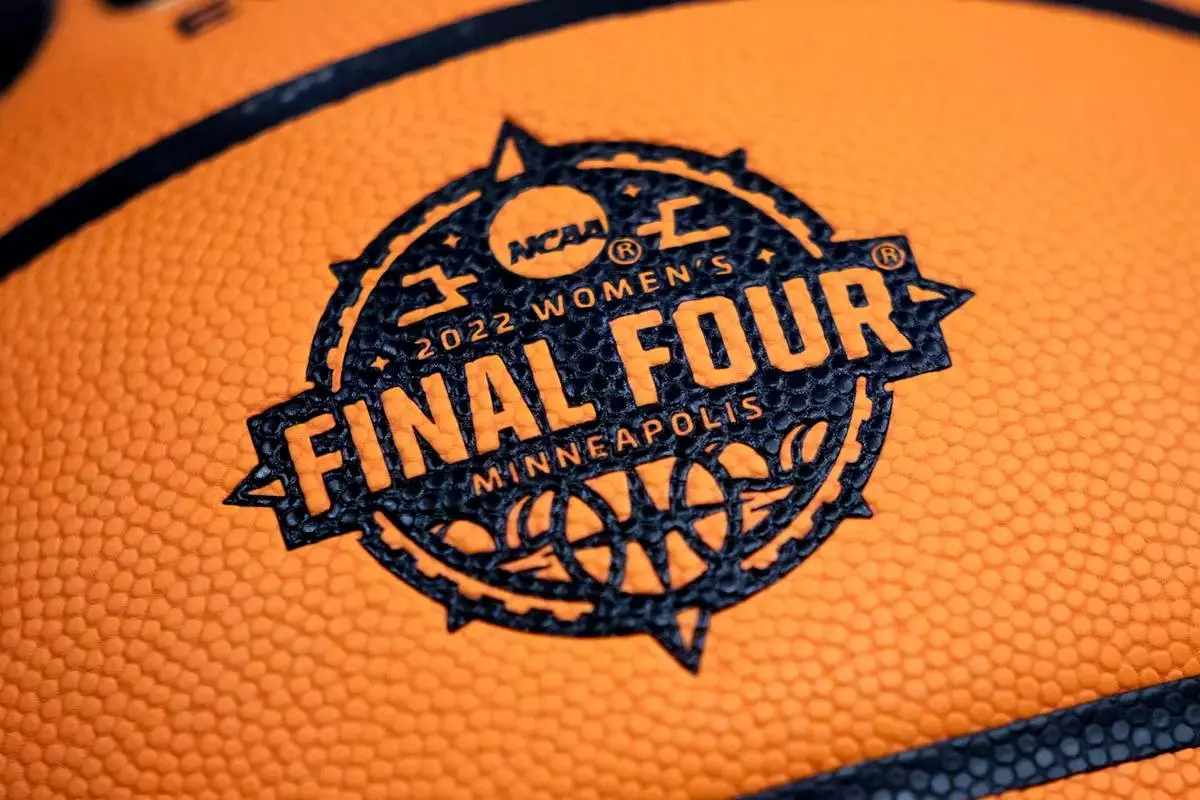
FILE - A logo is seen on a basketball during a practice session for a college basketball game in the final round of the Women's Final Four NCAA tournament April 2, 2022, in Minneapolis. (AP Photo/Charlie Neibergall, File)
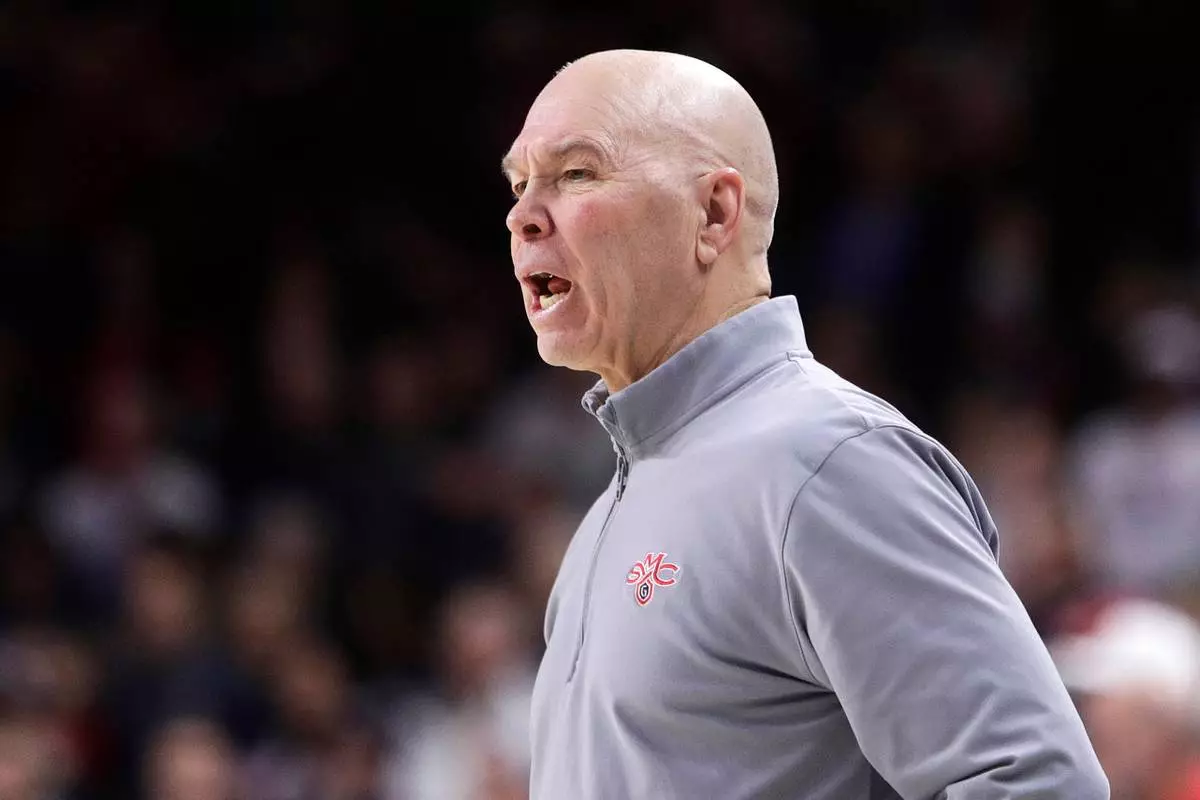
FILE - Saint Mary's head coach Randy Bennett directs his team during the second half of an NCAA college basketball game against Gonzaga, Saturday, Jan. 31, 2026, in Spokane, Wash. (AP Photo/Young Kwak,File)
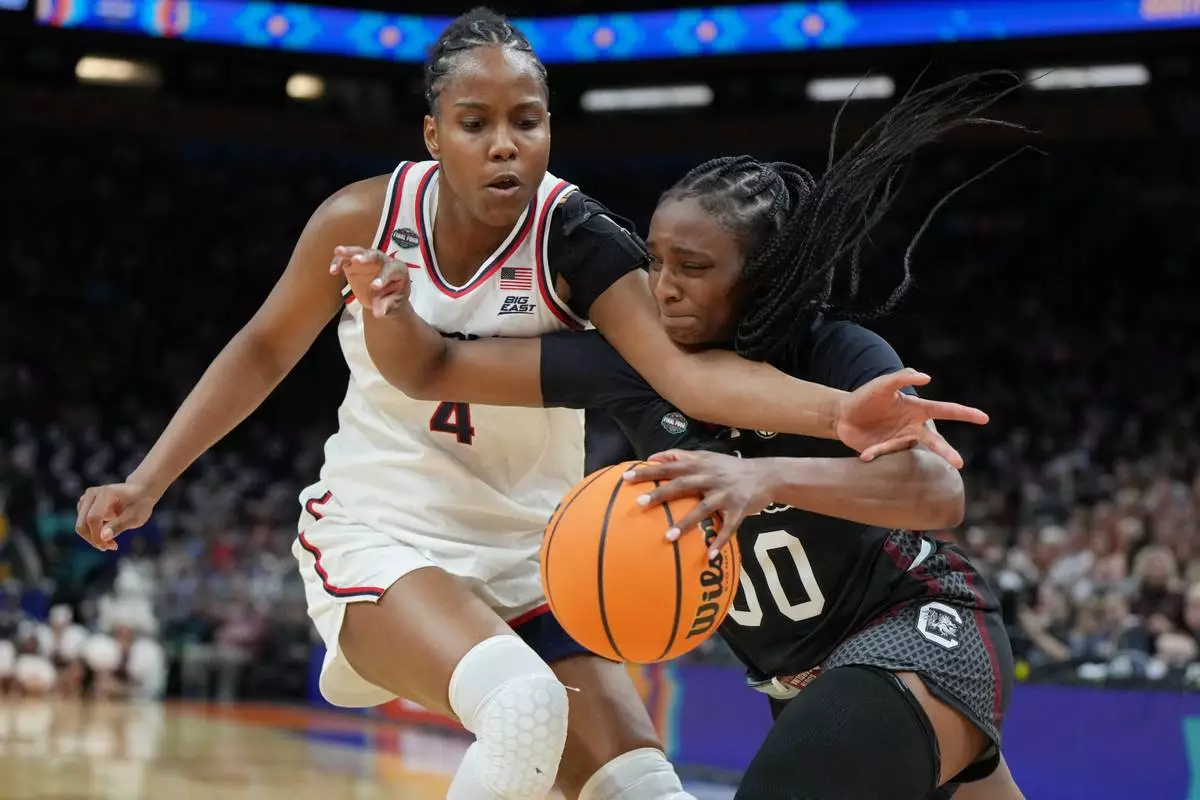
FILE - South Carolina guard Ta'niya Latson (00) drives toward the basket during the first half of a woman's NCAA college basketball tournament semifinal game against UConn at the Final Four, April 3, 2026, in Phoenix. (AP Photo/Rick Scuteri, File)
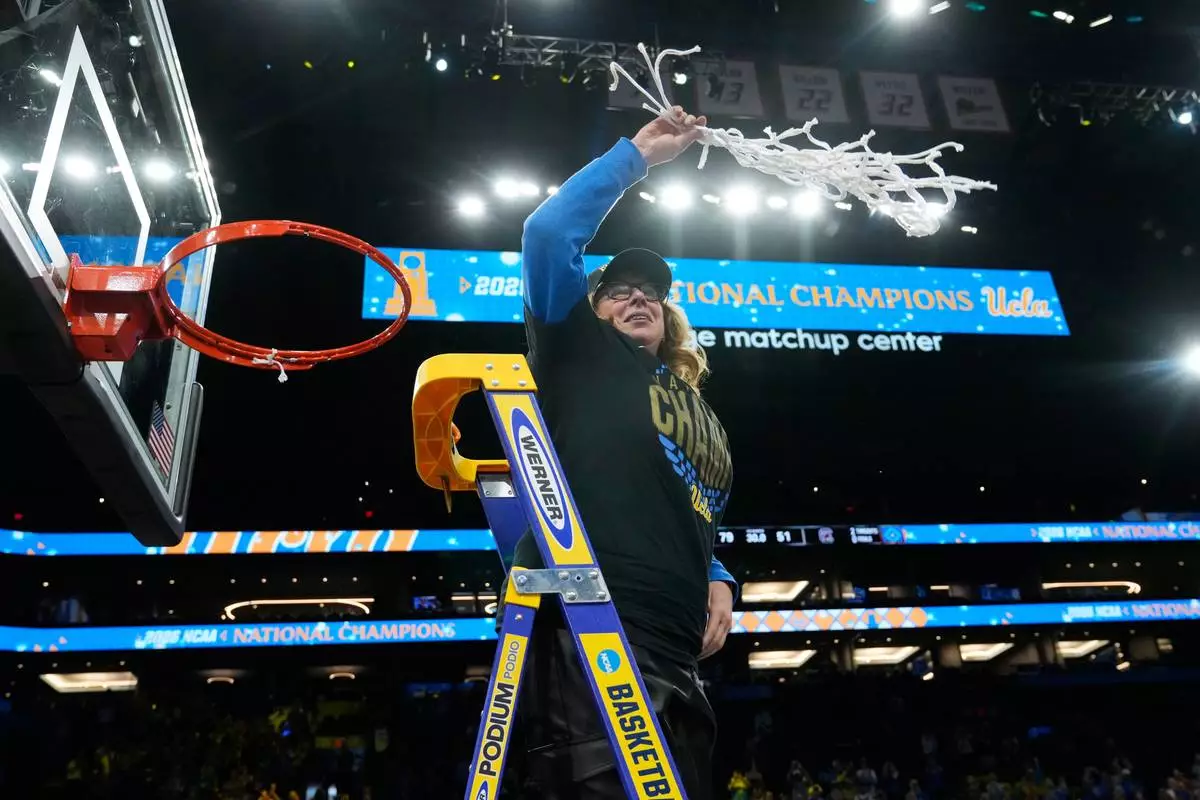
FILE - UCLA head coach Cori Close celebrates after cutting down the net after UCLA defeated South Carolina in the women's National Championship Final Four NCAA college basketball tournament game, April 5, 2026, in Phoenix. (AP Photo/Ross D. Franklin, File)
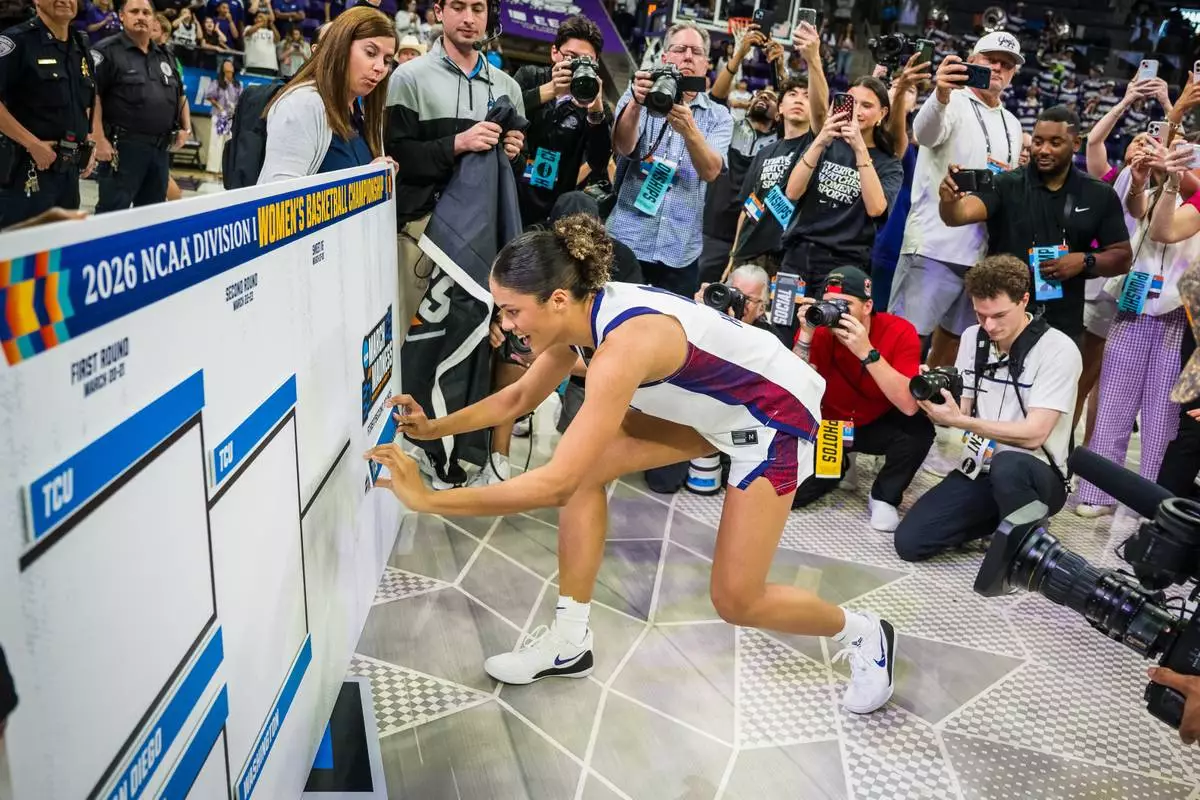
FILE - TCU guard Donovyn Hunter (4) places the team placard on the bracket board after the second round of the NCAA college basketball tournament March 22, 2026, Fort Worth, Texas. (AP Photo/Jessica Tobias, File)