Skip to Content Facebook Feature Image

Incessant regional conflict, collapsing currency deepen food crisis in Lebanon

HotTV

HotTV

HotTV

Incessant regional conflict, collapsing currency deepen food crisis in Lebanon

2026-05-09 15:57 Last Updated At:05-11 14:39

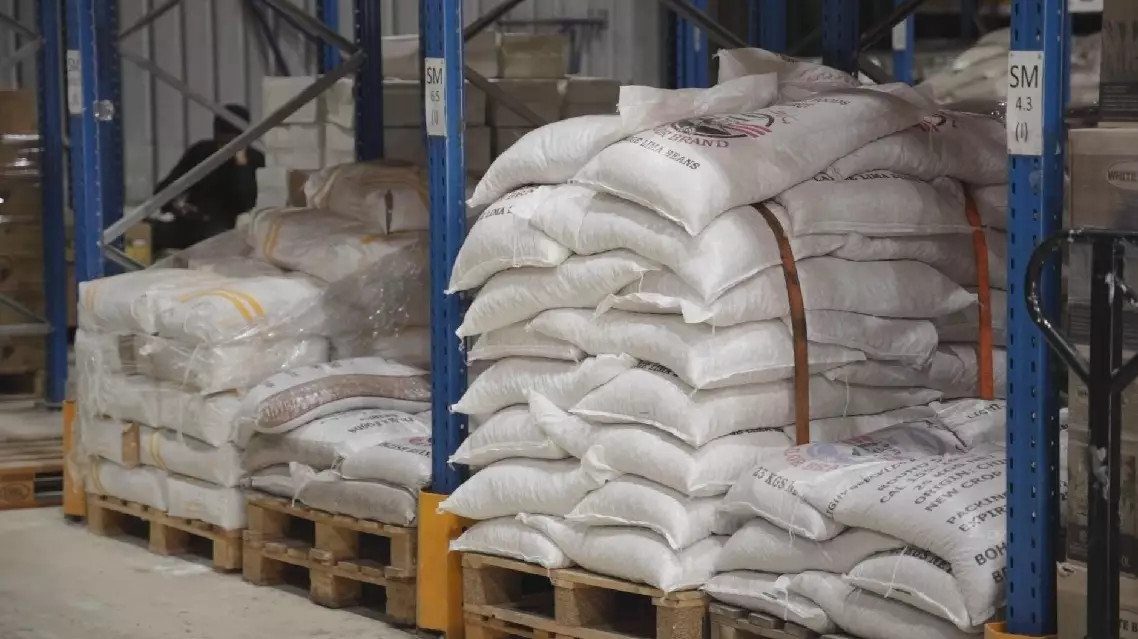
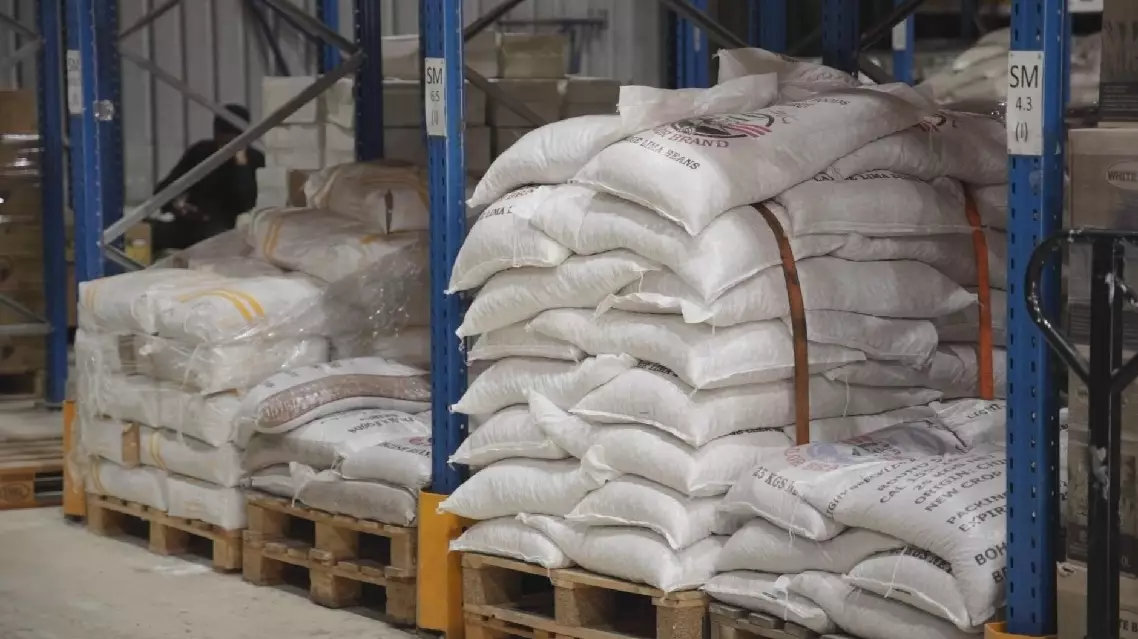
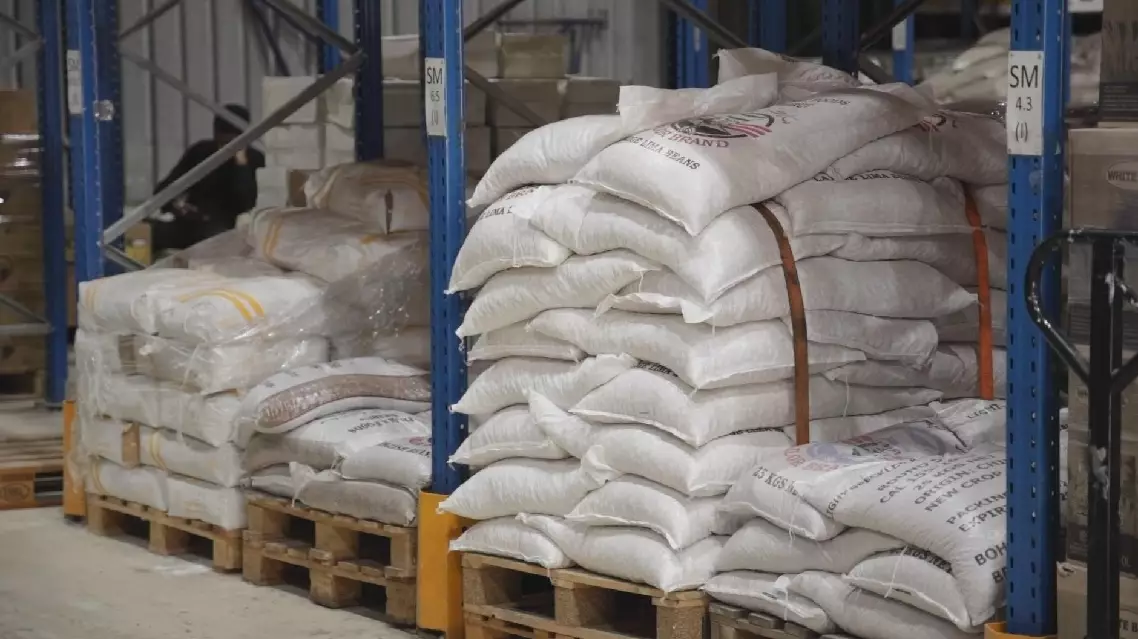
The incessant regional conflict and a collapsing local currency have severely aggravated a food crisis in Lebanon as the country relies almost entirely on imports for basic staples.

Global oil price volatility is taking a big toll on Lebanese food importers. With a weakened Lebanese pound eroding purchasing power, the already fragile supply chains are under increasing strain.

An UN-backed report released last month showed that an estimated 1.24 million people in Lebanon, roughly one quarter of the country's population, are expected to face food insecurity levels of crisis or worse from April to August 2026. This marks a sharp deterioration from the previous survey period of November 2025 to March 2026, when an estimated 874,000 people experienced acute food insecurity.

"Our operating costs have risen by about five to seven percent [due to rising oil prices.] Exporters around the world are seeing similar increases. Taken together, the net increase in import costs reaches 10 to 15 percent," said Hani Bohsali, president of the Syndicate of Food Importers in Lebanon.

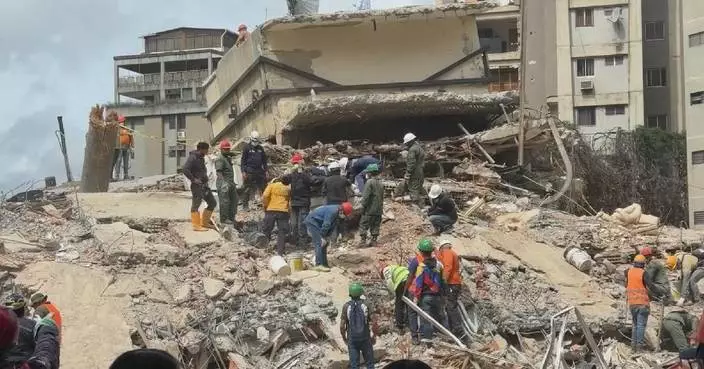
Local agricultural production has also suffered a massive blow. Since 2023, relentless warfare in southern Lebanon has destroyed an estimated 52,000 hectares of farmland, accounting for about 22 percent of the country's total arable land. Furthermore, 77 percent of farmers in the region have been displaced, and nearly 80 percent have ceased production, deepening the food crisis.

The UN Food and Agriculture Organization (FAO) says it is providing seeds and fertilizer to farmers in areas not yet affected by the fighting by helping them boost production, reduce costs, and stabilize food supplies.

"Speed matters. It's important for the farmers not to miss agricultural season, and also to be able to produce, because if they don't, the impact will a long-term impact," said Nora Ourabah Haddad, FAO representative in Lebanon.

In a country so heavily dependent on external food supplies, any vision of food security remains vulnerable to the flames of war. An immediate and sustained ceasefire is what Lebanon urgently requires to ensure that its population is fed.
Incessant regional conflict, collapsing currency deepen food crisis in Lebanon
Incessant regional conflict, collapsing currency deepen food crisis in Lebanon
Incessant regional conflict, collapsing currency deepen food crisis in Lebanon


Incessant regional conflict, collapsing currency deepen food crisis in Lebanon
Incessant regional conflict, collapsing currency deepen food crisis in Lebanon
Incessant regional conflict, collapsing currency deepen food crisis in Lebanon

As anticipation builds for the upcoming meeting between Chinese President Xi Jinping and U.S. President Donald Trump, international figures worldwide have expressed hope that the exchange will chart a course for stable China-U.S. relations and deliver positive ripple effects for global peace and prosperity.

At the invitation of Xi, Trump will pay a state visit to China from Wednesday to Friday.

The trip marks the first visit to China by a U.S. president in nine years, since Trump visited during his first term in office back in 2017.

In an interview with China Media Group, Eugene Seroka, executive director of the Port of Los Angeles, emphasized the vast cooperation opportunities between the United States and China, as well as the critical importance of sustained dialogue.

"The two largest economies in the world have much trade, cultural exchange and education opportunities. We, at the Port of Los Angeles, we'd like to see that continue to grow to new heights. At the Port of Los Angeles, 40 percent of our business portfolio is trade with China, so very important. When those policies were loosened and both sides started talking more, we saw cargo volume pick up again, so important to the American consumers, to American jobs and to bolster Sino-U.S. relations," said Seroka.

The sentiment is echoed far beyond American shores. Fernando Huanacuni, former foreign minister of Bolivia, described the upcoming leaders' meeting as "an important milestone" and "a watershed moment".

"The upcoming meeting between Chinese and U.S. presidents is an important milestone and a watershed moment. The agenda of this summit will focus not only on bilateral issues of mutual concern, but also on major international topics. As the world seeks balance across the global economy, technology, trade, and geopolitics, China is undoubtedly playing a crucial role. For this reason, the meeting has aroused widespread anticipation," said Huanacuni.

In Europe, Janusz Piechocinski, former deputy prime minister of Poland, underscored the necessity and significance of the presidential engagement, pointing to the tangible impact of last October's summit between the two leaders in Busan of the Republic of Korea.

"The U.S. president's visit to China and his upcoming meeting with President Xi Jinping are both highly significant and greatly necessary. Last year's summit between the two leaders effectively eased trade frictions, injected greater confidence into the world, and helped stabilize bilateral relations. We look forward to this meeting yielding positive outcomes and bringing greater stability and certainty to the world," said Piechocinski.

Int'l figures anticipate Xi-Trump meeting to be catalyst for stable relations, global prosperity

Int'l figures anticipate Xi-Trump meeting to be catalyst for stable relations, global prosperity

Recommended Articles