Global oil supply has decreased by about 1 billion barrels over the past two months as the Strait of Hormuz has been blocked amid the war in Iran, and the global energy market will take some time to stabilize even if energy flows return to normal, Aramco President and CEO Amin H. Nasser said on Sunday. Saudi Aramco announced on Sunday that its adjusted net income rose to 33.6 billion U.S. dollars in the first quarter of 2026, compared with 26.6 billion dollars in the same period last year.
In a press release, the company said it recorded capital expenditures of 12.1 billion dollars in the first quarter in support of its growth objectives.
After the war in Iran broke out in late February this year, the Strait of Hormuz, which handles one-fifth of the world's oil transportation, became "blocked," leading to surging oil prices.
In early February this year, the price of crude oil was about 60 U.S. dollars per barrel, and it rose to more than 100 U.S. dollars per barrel in March.
Aramco also noted that the East-West Pipeline in Saudi Arabia was ramped up to operate at a maximum capacity of 7 million barrels per day in the first quarter, supporting exports via the country's west coast.
Commenting on the results, Nasser said the performance reflected the company's strong resilience and operational flexibility in a complex geopolitical environment.
Recent events have demonstrated the vital contribution of oil and gas to energy security and the global economy, underscoring the importance of a reliable energy supply, Nasser added.
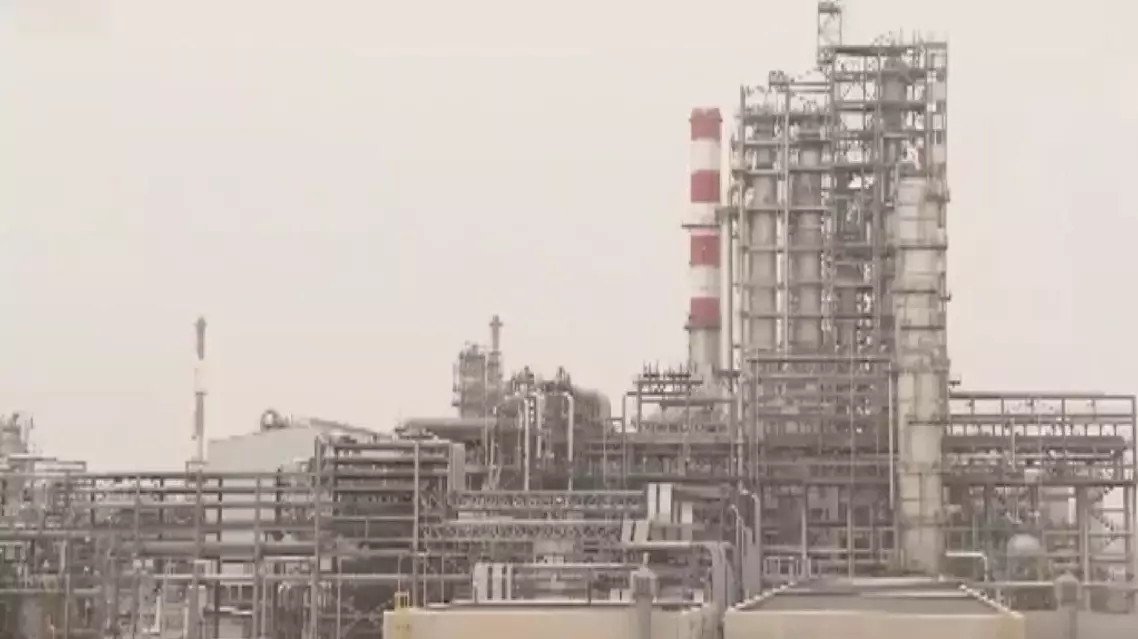
Global oil supply reduces by about 1 billion barrels in past two months: Aramco CEO
A gold buying craze is sweeping China, with consumers piling into the precious metal to preserve and grow value as prices hover at record highs.
According to data from the China Gold Association, the country's gold consumption exceeded 303 tonnes in the first quarter of this year, up 4.41 percent year on year.
Behind this slight overall increase lies a significant divergence in the structure of gold consumption: While gold jewelry sales continued to face pressure, consumption of investment-grade gold products such as gold bars and coins surged by 46.4 percent year on year.
At the Shuibei market, a gold jewelry manufacturing and trading hub in the southern metropolis of Shenzhen, investment-grade gold products and gold recycling services are showing clear signs of growth.
"Investment gold has risen quite a bit recently. Buying some might help preserve value. Plus, seeing that the central bank is also buying gold now, I figured setting up a regular investment plan probably won't go wrong,'' said a buyer.
In addition to the popularity of investment-grade gold products, gold recycling volumes have remained at high levels since the start of the year.
Merchants at the Shuibei market said that gold recycling volumes have been climbing steadily, with monthly volumes reaching over 500 grams.
In Beijing, sales of gold bars through banks have also surged sharply this year, while subscriptions for gold-related wealth management products and funds have notably increased.
This year, the number of gold investment clients and the scale of transactions have grown markedly at many bank branches in Beijing.
"(Regarding household asset allocation) 30 percent should be invested in gold. I believe gold offers better risk resistance and is more stable," said an investor.
Driven by falling interest rates, some investors have also shifted their funds toward purchasing gold or gold-related investments.
"Subscriptions for wealth management products and funds linked to gold are seven times higher than the same period last year, and the number of clients is nearly four times higher. Conservative investors prefer 'fixed income plus' structured wealth management products, while experienced investors favor products such as gold ETF (exchange traded fund) or FOF (fund of funds)," said Yu Wei, deputy general manager of the Operations Department at China Everbright Bank's Beijing Branch.
This year, gold prices have fluctuated sharply, with spot gold price once peaking at nearly 5,600 U.S. dollars per ounce and bottoming out at about 4,098 U.S. dollars per ounce.
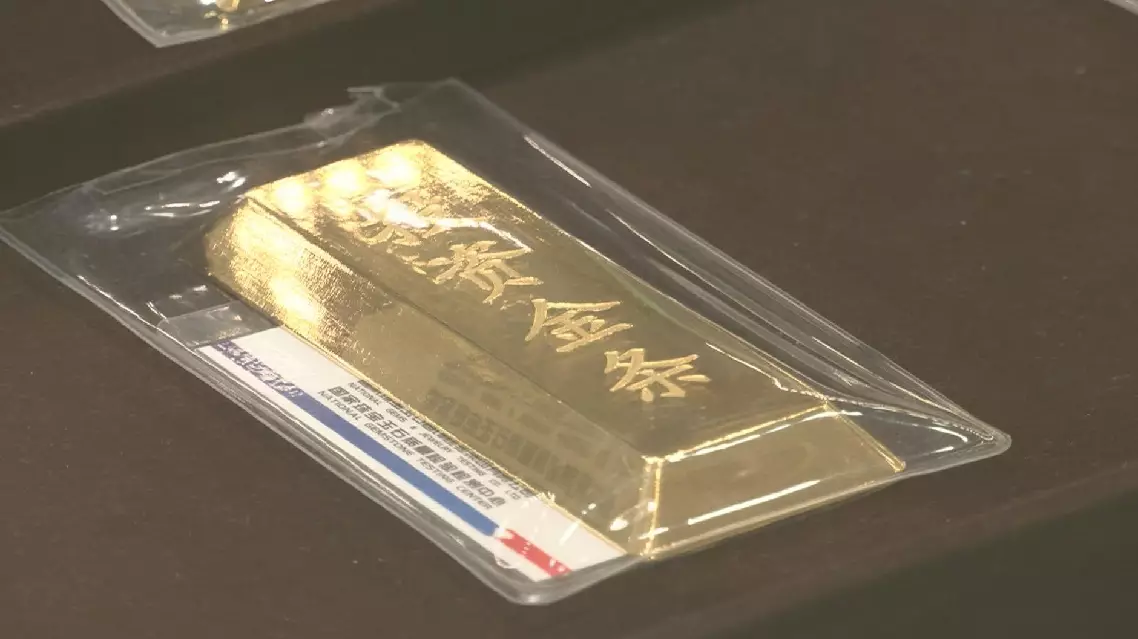
High prices drive up demand for gold purchases in China