Europe's three energy majors -- Royal Dutch Shell, British Petroleum (BP), and French TotalEnergies -- have posted sharp increase in first-quarter profits, driven largely by surging oil prices amid ongoing conflict in the Middle East, while their U.S. rivals ExxonMobile and Chevron saw significant profit declines during the same period.
According to recently released first-quarter financial statements, Shell reported adjusted net earnings of 6.9 billion U.S. dollars, representing a year-on-year increase of approximately 24 percent. BP reported underlying replacement cost profit of about 3.2 billion U.S. dollars, up roughly 132 percent year on year. TotalEnergies posted net profit of 5.8 billion U.S. dollars, growing by 51 percent compared with the same period of 2025.
In contrast, U.S. energy majors ExxonMobile and Chevron struggled in the first quarter, seeing material declines in profitability. ExxonMobile reported net profit of 4.2 billion U.S. dollars, down 45.8 percent year on year, while Chevron's first-quarter net profit fell to 2.2 billion U.S. dollars, representing a 36.9 percent decrease year on year.
Industry analysts attribute the stark performance gap to fundamental differences in business models. Europe's three energy giants have built formidable trading operations, allowing them to profit not only from rising oil prices but also from market volatility itself. Their U.S. rivals, by contrast, remain more heavily reliant on traditional crude extraction and have been hampered by timing legs between derivative market sales and physical deliveries.
Industry insiders said that European majors are no longer traditional oil companies in the classic sense, as they have evolved into global energy traders skilled at arbitraging market fluctuations.

Oil price surge fuels booming profits for Europe's top three energy giants
A gold buying craze is sweeping China, with consumers piling into the precious metal to preserve and grow value as prices hover at record highs.
According to data from the China Gold Association, the country's gold consumption exceeded 303 tonnes in the first quarter of this year, up 4.41 percent year on year.
Behind this slight overall increase lies a significant divergence in the structure of gold consumption: While gold jewelry sales continued to face pressure, consumption of investment-grade gold products such as gold bars and coins surged by 46.4 percent year on year.
At the Shuibei market, a gold jewelry manufacturing and trading hub in the southern metropolis of Shenzhen, investment-grade gold products and gold recycling services are showing clear signs of growth.
"Investment gold has risen quite a bit recently. Buying some might help preserve value. Plus, seeing that the central bank is also buying gold now, I figured setting up a regular investment plan probably won't go wrong,'' said a buyer.
In addition to the popularity of investment-grade gold products, gold recycling volumes have remained at high levels since the start of the year.
Merchants at the Shuibei market said that gold recycling volumes have been climbing steadily, with monthly volumes reaching over 500 grams.
In Beijing, sales of gold bars through banks have also surged sharply this year, while subscriptions for gold-related wealth management products and funds have notably increased.
This year, the number of gold investment clients and the scale of transactions have grown markedly at many bank branches in Beijing.
"(Regarding household asset allocation) 30 percent should be invested in gold. I believe gold offers better risk resistance and is more stable," said an investor.
Driven by falling interest rates, some investors have also shifted their funds toward purchasing gold or gold-related investments.
"Subscriptions for wealth management products and funds linked to gold are seven times higher than the same period last year, and the number of clients is nearly four times higher. Conservative investors prefer 'fixed income plus' structured wealth management products, while experienced investors favor products such as gold ETF (exchange traded fund) or FOF (fund of funds)," said Yu Wei, deputy general manager of the Operations Department at China Everbright Bank's Beijing Branch.
This year, gold prices have fluctuated sharply, with spot gold price once peaking at nearly 5,600 U.S. dollars per ounce and bottoming out at about 4,098 U.S. dollars per ounce.
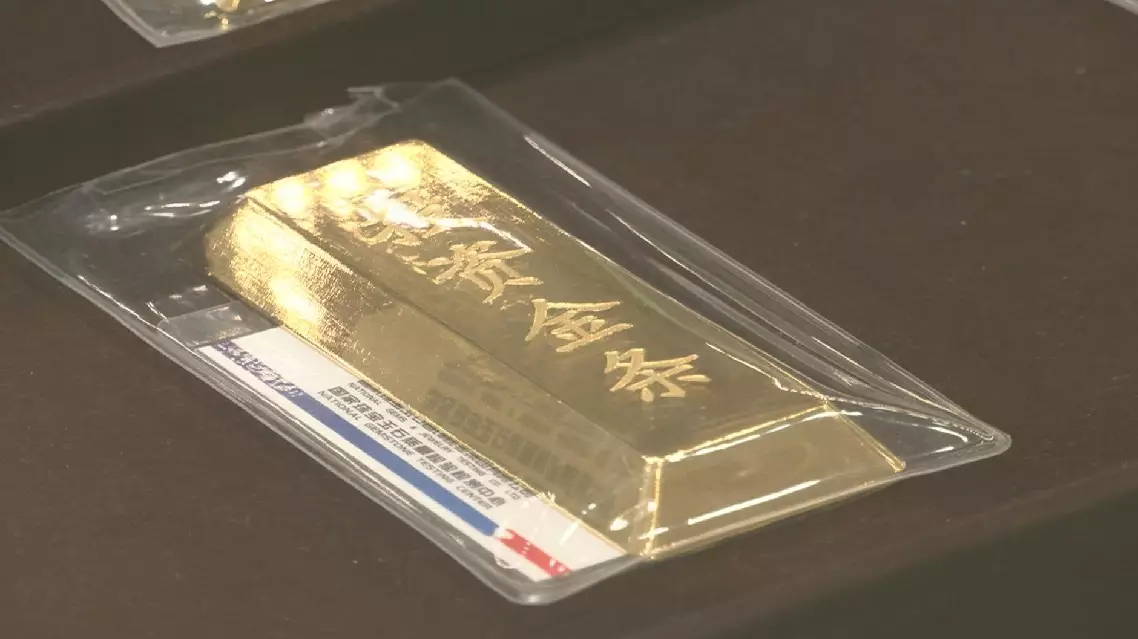
High prices drive up demand for gold purchases in China
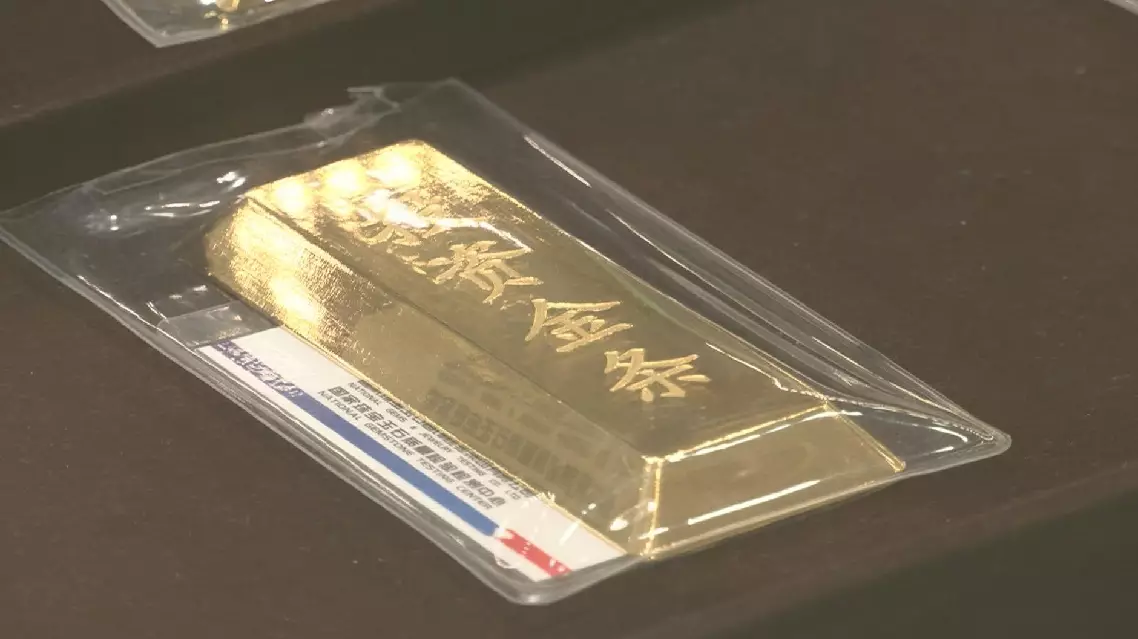
High prices drive up demand for gold purchases in China