The CCTV Video News Agency (CCTV+) held an online workshop on Monday to guide media colleagues from several African media outlets through the company's self-developed 'MediaMix' intelligent media service platform.
Representatives from the Gambian Ministry of Information, Media and Broadcasting Services and five African media organizations, including Gambia Radio and Television Services (GRTS), the Rwanda Broadcasting Agency(RBA) and Namibia Daily News attended the online meeting, where they learned about the key features of the platform and were given a demonstration of its suite of tools.
MediaMix is an AI-powered platform designed to enhance news production efficiency, content personalization, and cross-platform distribution, and aims to address some of the key digital and economic challenges facing media outlets across the Global South.
The online workshop on Monday focused on introducing the platform's core functions, operational procedures, and application scenarios, and provided live technical demonstrations.
Attendees spoke highly of the MediaMix platform's capabilities, practical value, and future application prospects. They agreed to strengthen regular communication and collaboration with CCTV+, share practical experiences, and build greater consensus on cooperation.
The online workshop marked the first training session CCTV+ has held under the recently inaugurated Global South Media Partners Mechanism.
Initiated by the China Media Group (CMG) in November, the Global South Media Partners Mechanism aims to deepen collaboration among media organizations from Global South countries, enhance the international discourse power and narrative capacity of the Global South and promote a more inclusive and balanced global communication landscape.
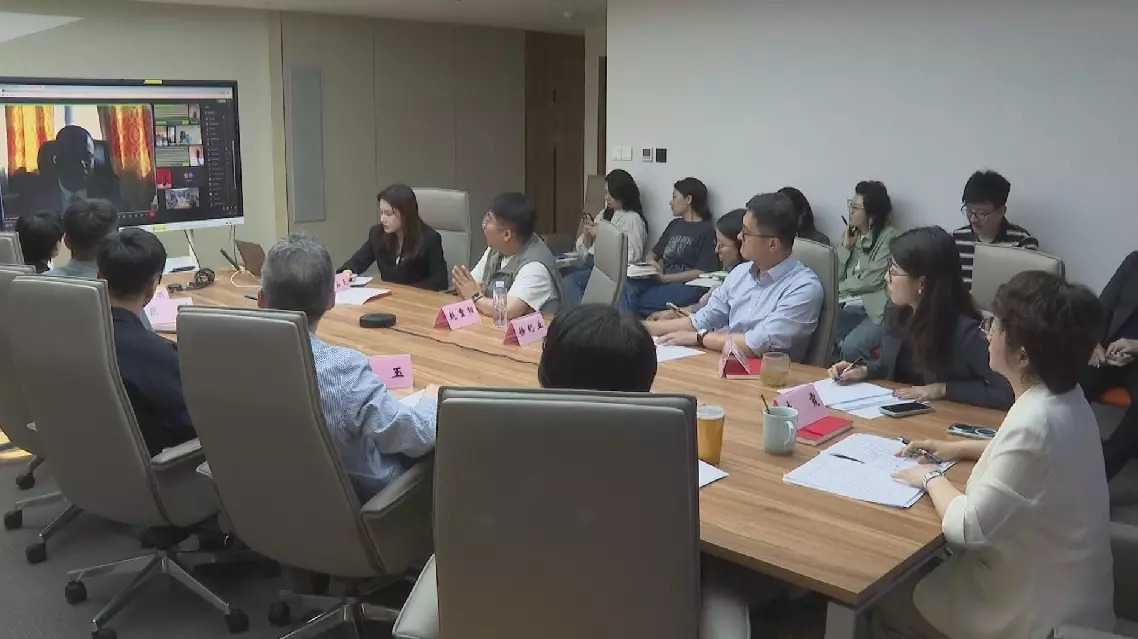
CCTV Video News Agency hosts AI media service platform workshop for African partners
China has made full preparations for the upcoming autumn grain procurement as the summer procurement approaches its end, according to the National Food and Strategic Reserves Administration.
For now, the country's total amount of wheat procurement has exceeded 100 million tons.
To protect grain farmers' interests, the government has promptly activated the minimum purchase price program for wheat. Sinograin has opened 164 purchasing sites across two major producing provinces of Henan and Anhui, offering to buy wheat at prices supported by the policy without any volume cap.
"The payment for my grain came through quickly today, and I feel much more at ease now that the minimum purchase price policy has been put into effect," said Hou Erwei, a local farmer.
As the autumn grain crop gradually ripens across the coutry, the autumn grain purchasing season is about to begin, expected to run from late September through the end of April next year.
The Autumn season accounts for approximately three-quarters of the country’s total annual grain purchases, making it the most significant grain procurement and storage period of the year.
This year, grain dryers and smart grain-handling equipment have been included into subsidy, helping ensure that the autumn harvest can be purchased, stored, and transported smoothly.
"At present, grain storage capacity, purchasing funds, personnel, equipment, and other resources are all in place. It is expected that grain purchases during this year's peak autumn harvest season will reach approximately 350 million tons. We will strengthen market monitoring and information dissemination, as well as make effective use of the drying and other services provided by post-harvest grain service centers to help farmers reduce losses and increase their incomes," said Luo Shouquan, director of Grain Reserves Department, National Food and Strategic Reserves Administration.

China ready for autumn grain procurement as summer purchase draws to close