SAN RAMON, Calif.--(BUSINESS WIRE)--May 13, 2026--
This press release features multimedia. View the full release here: https://www.businesswire.com/news/home/20260513086921/en/
The Pinnacle Awards honor organizations and technologies shaping the future of the automotive and transportation industries through innovation, operational excellence, and transformative impact. AiDEN Auto was recognized for pioneering a privacy-first approach to connected vehicle services that enables automakers to deliver scalable, real-time in-vehicle experiences while giving drivers transparency and control over how their data is shared and used. Through its no-code application framework, AiDEN serves as the vehicle enablement layer helping OEMs deliver intelligent services as part of the connected vehicle experience. This is transformative and finally allows the industry to unlock the capability of delivering personalized mobility experiences at scale.
“We are honored to receive the 2026 Pinnacle Award for Connected and Autonomous Mobility,” said Niclas Gyllenram, CEO and Co-Founder of AiDEN Auto. “The automotive industry is entering a new era where connected vehicles must deliver meaningful, proactive services while also respecting consumer privacy and choice. At AiDEN, we are building the infrastructure that enables OEMs to scale in-vehicle services in a way that is transparent, consent-driven, and centered on creating real value for drivers. This recognition validates our vision for a more intelligent and trusted connected vehicle ecosystem.”
Built by former Volvo connected services engineers, AiDEN Auto’s platform enables automakers and service providers to rapidly deploy connected vehicle applications and contextual mobility services without the complexity of traditional development models. The company’s consent-first architecture supports dynamic, application-level data sharing preferences, helping OEMs build stronger consumer trust while unlocking new opportunities for personalized, value-added in-vehicle services. Strategic collaborations with companies including Volvo Trucks CampX, HERE Technologies, IF Insurance, MAVI, Treads, HAAS and many more partners further reinforce AiDEN’s role in shaping the future of connected mobility.
The award reflects the automotive industry’s accelerating shift toward Software Defined Vehicles (SDV), AI-powered connected services, and mobility ecosystems where personalization, transparency, and consumer trust are becoming foundational to the next generation of transportation experiences.
About AiDEN Auto
AiDEN Auto is a connected vehicle software company delivering essential mobility services — including tolling, parking, fueling, compliance and fleet applications — directly to vehicle infotainment screens. Built for Android Automotive OS, AiDEN helps OEMs, fleets and service providers activate in-vehicle services through a software-only, OEM-branded and consent-based platform. AiDEN enables automakers and fleets to connect drivers with the services they need while keeping vehicle owners in control of their data. Learn more at www.aidenauto.com.

AiDEN Auto, a privacy-first connected vehicle software company, today announced that it has been named a recipient of the 2026 Pinnacle Automotive & Transportation Award Diamond level in the category of Connected and Autonomous Mobility, recognizing the company’s innovation and leadership in advancing intelligent mobility technologies.
SOUTHPORT, England (AP) — The British Open came to life Friday when Lucas Herbert and Sam Burns took their place in history by tying the major championship record with 62s, and Bryson DeChambeau was penalized two shots after his round for inadvertently improving the path of his swing.
In the midst of all the late drama was Jon Rahm getting an official conduct warning for throwing his club after a bad tee shot.
The real emotion came in the twilight hours with no spectators around — DeChambeau standing in high grass on the fifth hole with two rules officials, pleading his case and ultimately losing the argument. His 4-under 66 became a 68, and he went from one shot behind Herbert to three behind. And then he went to the range until the only light came from the video boards.
DeChambeau has turned down media at the majors dating to his missed cut at the Masters in April.
Herbert, who was at 8-under 132, was slightly disappointed with his record-tying round because he missed a 5-foot par putt that would have given him a 61.
“Very, very proud to put my name on that list of guys that have shot 62 in a major championship. So it’s kind of holding two emotions there at the same time,” Herbert said. “It’s a pretty good problem to have, too, to be disappointed you shot 62.”
Burns didn't even know he tied a record when he holed a bunker shot on the 18th for his third straight birdie, just 22 minutes after Herbert shot his 62.
But there was no mistaking the frustration of DeChambeau, who tends to draw attention no matter what he does. He has been more visible on his successful YouTube channel than in the majors, particularly having missed the cut in all three of them until this week.
Six-time major champion Nick Faldo criticized him for having no strategy for links golf, and DeChambeau responded by working his way into contention with plenty of power.
DeChambeau was hand-slapping with the gallery after he made a 12-foot birdie putt on the 18th to get within one shot of Herbert going into the weekend. That changed when officials asked him to review his shot from the fifth hole.
DeChambeau asked to be taken to the scene of the infraction, in thick, high grass to the right of the 321-yard hole, and television cameras picked him up arguing with Grant Moir, the R&A executive director of governance, and Mark Luiten, a chief referee from the European tour.
He drove well to the right and was stomping around as he tried to figure out how to navigate a shot 72 yards from the hole. At issue was whether he violated Rule 8 that governs the intended swing.
Officials eventually deemed a section of grass behind the ball was tamped down by his movement, which might have affected his backswing on the shot.
“A player is allowed to fairly take their stance by taking reasonable actions to get to the ball and take a stance, if in some situations that improves the condition affecting the stroke,” Moir said. “But when doing so, the player must take the least intrusive course of action to deal with the particular situation and is not entitled to a normal stance or swing.”
He said the rule applies even when there is no intention to improve the area.
Even more drama followed when DeChambeau stormed off to the range. His agent, Brett Falkoff, was asked if the two-time U.S. Open champion would play on Saturday and replied, “We'll see.”
“Your guess is as good as mine,” the agent said.
Herbert was long gone when all this was taking place, with mixed emotions about a short miss on the final hole but proud to become the sixth person to shoot 62 in a major. And then Burns made it seven with his astonishing finish — a 40-foot birdie putt from off the green at the 16th, a 20-foot birdie on the 17th and the first birdie of the day on the 18th with his bunker shot.
Burns wasn’t even supposed to be at The Open. His wife was due with their second child this week, but when she had a daughter earlier than expected — July 3 — Burns decided last Friday to cross the Atlantic for another shot at a major. He was runner-up by one shot in the U.S. Open.
When the dust finally settled on the brown-baked links of Royal Birkdale, the only clarity was Herbert having his first 36-hole lead in a major. And golf's oldest championship, which rarely lacks for drama, had almost more than it could handle.
Defending champion Scottie Scheffler couldn't buy a putt until a 12-footer for par on the final hole gave him a 68 and left him only four shots behind.
“All you can do is continue to give myself opportunities,” Scheffler said. “I was hitting some good putts as well, the balls just weren’t dropping. ... If I continue to strike it like I did today and yesterday over the next couple days, I’ll be in a good spot.”
Jackson Suber (69) and Ryan Gerard (67), a pair of newcomers to links golf, were tied for second with Cameron Young, who has powerfully put together a pair of 67s as he looks more like the player who dominated the spring.
Rahm, who missed a 4-foot birdie putt on the final hole and shot 67, was very much in the mix just four shots behind and not about to change his intensity, even though another conduct violation would be a two-shot penalty.
“It’s not like I’m going to ... if I try to alter who I am too much, it might cost me a little bit on the course,” Rahm said. “But certainly shouldn’t have moments like the one on 15. I get it.”
Sixteen players were separated by four shots going into the weekend, which includes hometown star Tommy Fleetwood, who had three birdies over the last five holes for a 67.
The cut was at 1-over 141 and a few of England's best hopes won't be around — Matt Fitzpatrick, the No. 3 player in the world, and Justin Rose at No. 10.
Herbert, who has won on five tours around the world and most recently on LIV Golf, made the cut for only the 10th time in 18 majors. He made it look easy until the final hole, and now his thoughts shift from having his name in the record book to his name on the claret jug.
AP golf: https://apnews.com/hub/golf
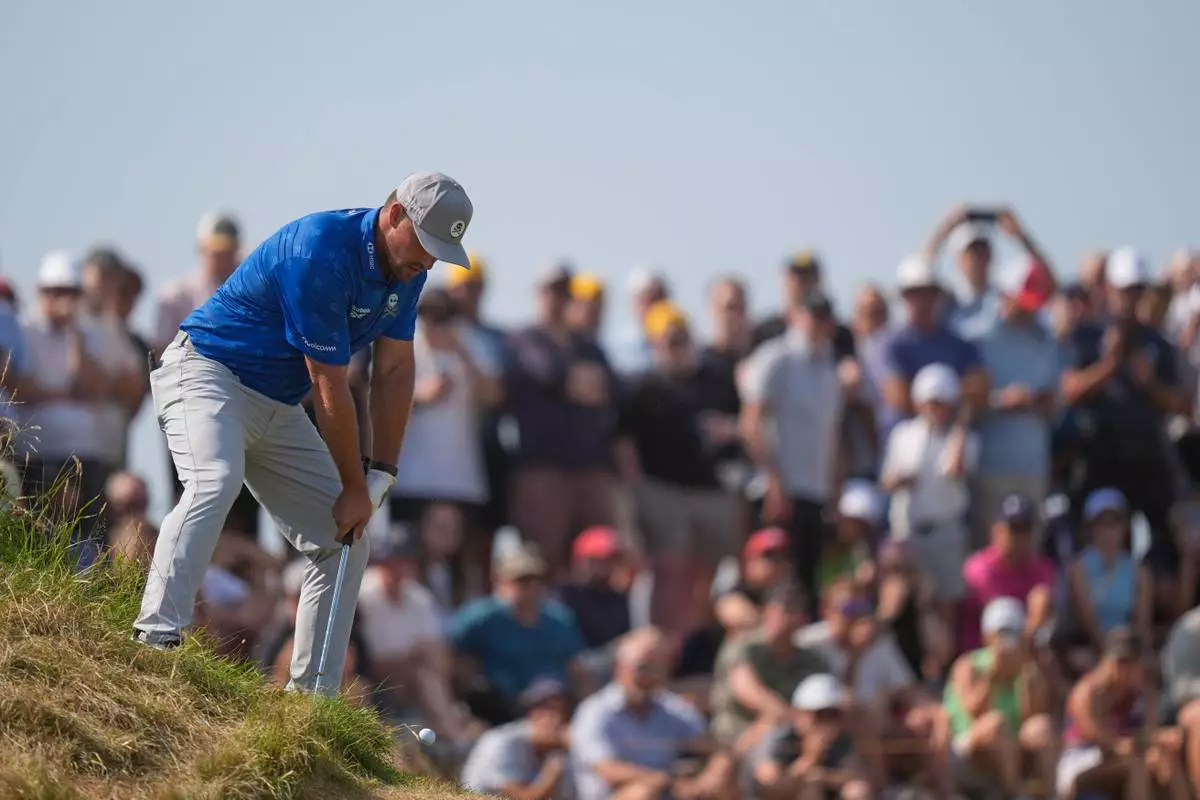
Bryson DeChambeau of the United States plays from an awkward lie to the 5th green during the second day of the British Open Golf championships at Royal Birkdale golf club, in Southport, England, Friday, July 17, 2026. (AP Photo/David Goldman)
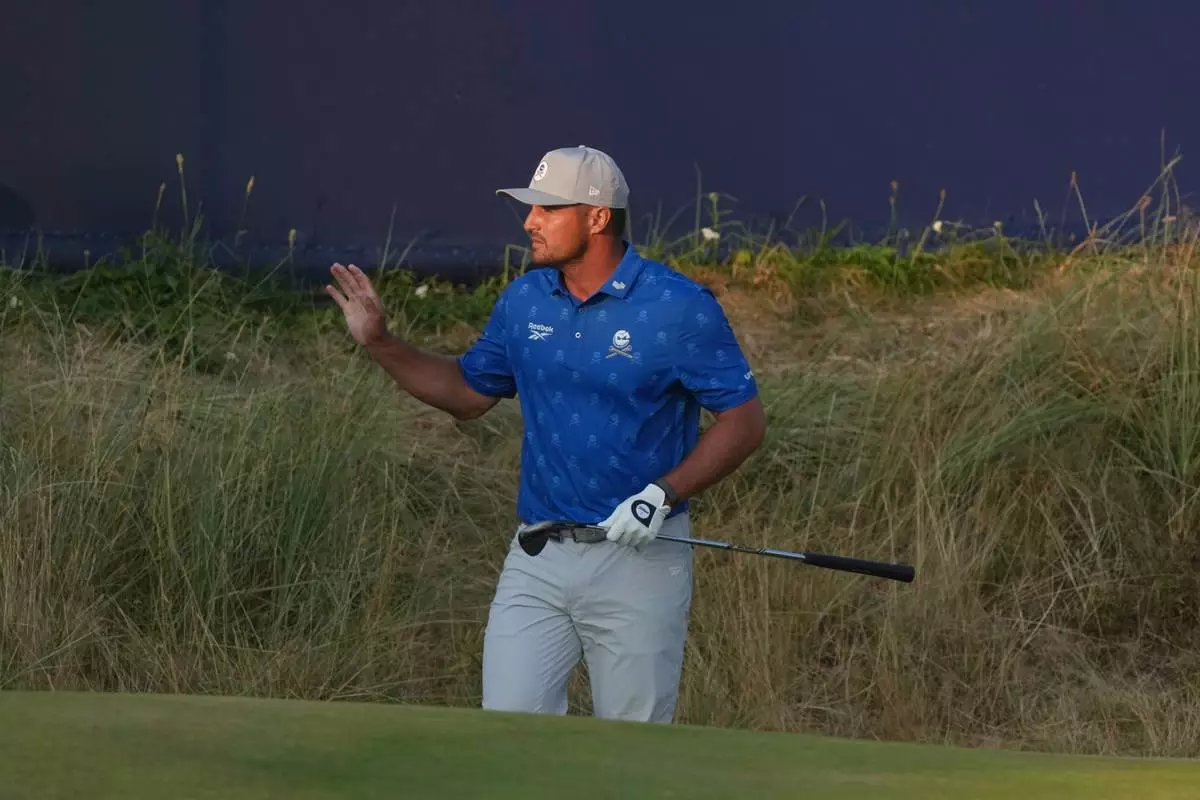
Bryson DeChambeau of the United States reacts after playing a shot on the 17th green during the second day of the British Open Golf championships at Royal Birkdale golf club, in Southport, England, Friday, July 17, 2026. (AP Photo/Jon Super)
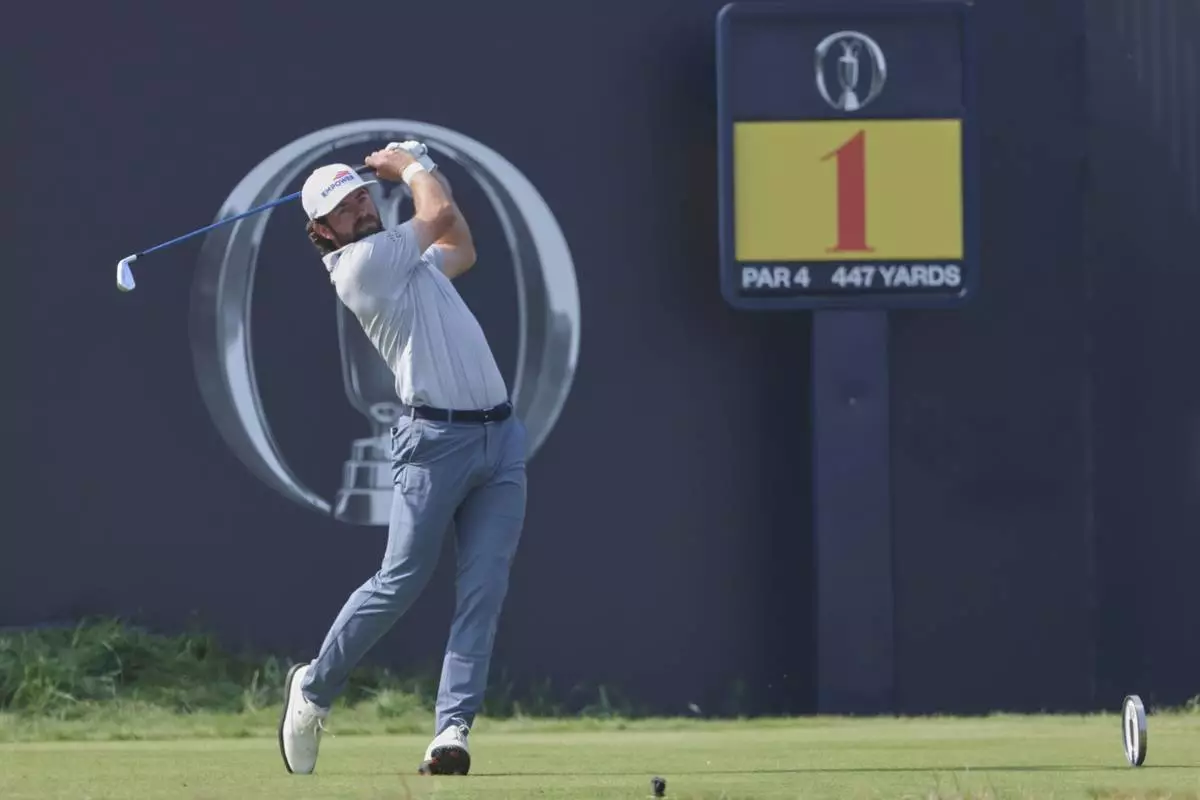
Cameron Young of the United States plays off the 1st tee during the second day of the British Open Golf championships at Royal Birkdale golf club, in Southport, England, Friday, July 17, 2026. (AP Photo/Peter Morrison)
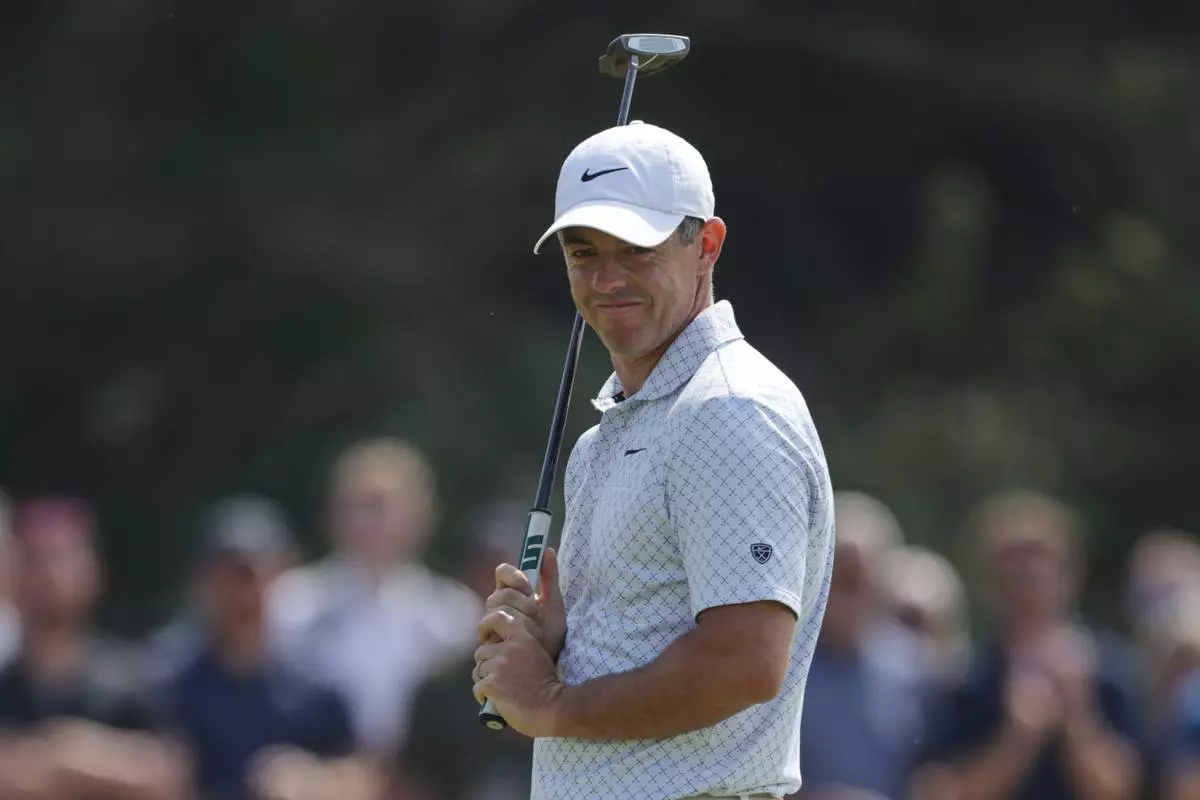
Rory McIlroy of Northern Ireland reacts on the 4th green after putting during the second day of the British Open Golf championships at Royal Birkdale golf club, in Southport, England, Friday, July 17, 2026. (AP Photo/Peter Morrison)
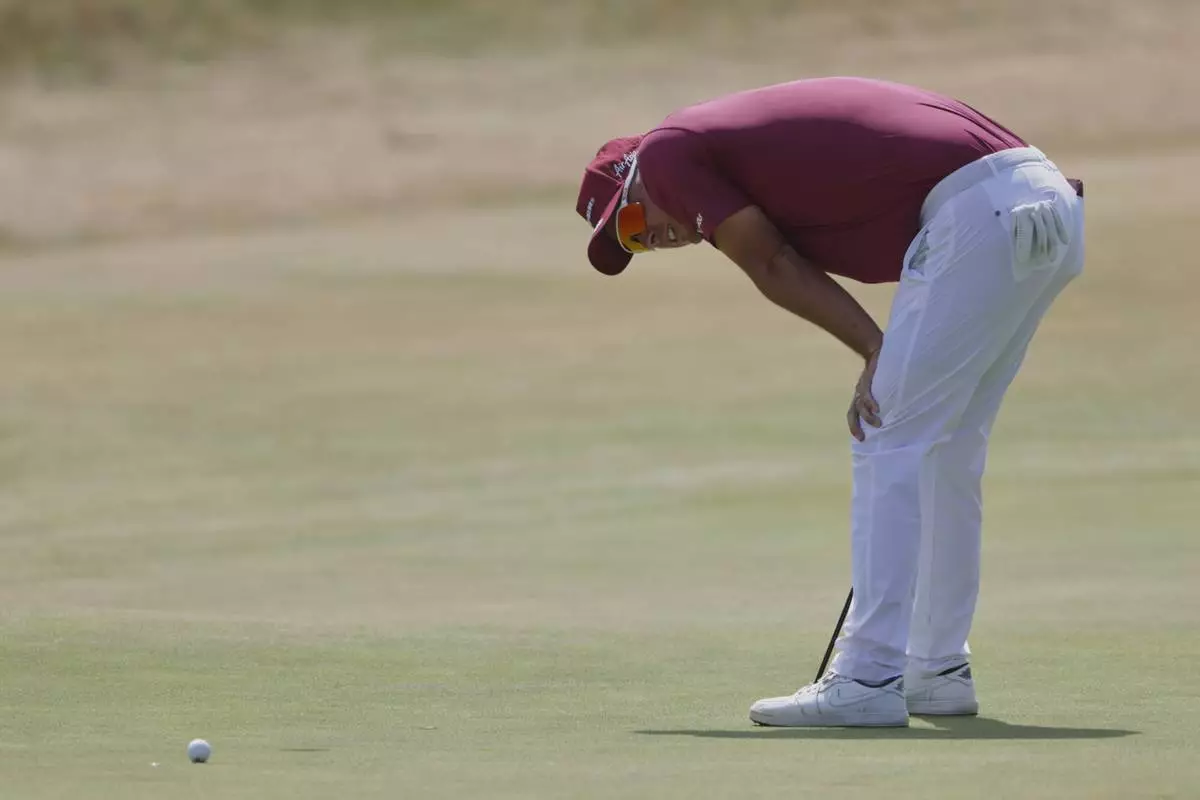
Lucas Herbert of Australia reacts after missing a par putt on the 18th green during the second day of the British Open Golf championships at Royal Birkdale golf club, in Southport, England, Friday, July 17, 2026. (AP Photo/Peter Morrison)
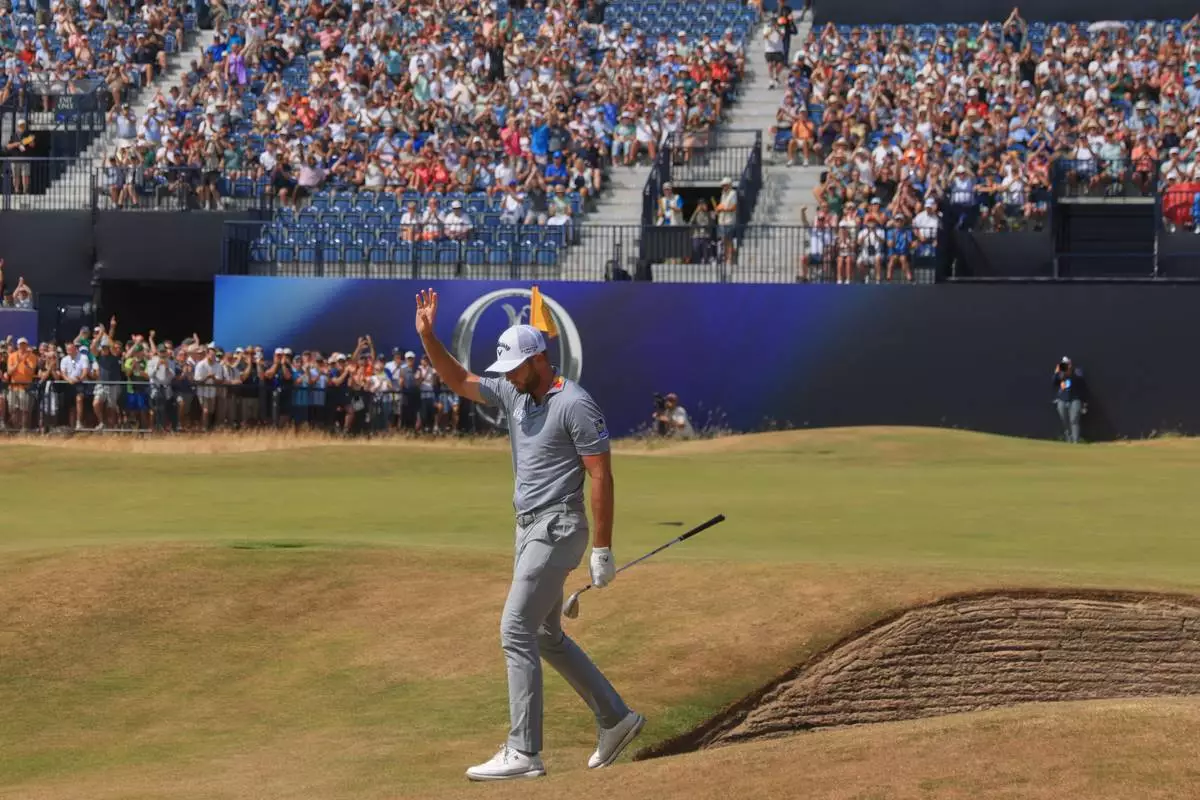
Sam Burns of the United States acknowledges the crowd after holding out from a bunker on the 18th green during the second day of the British Open Golf championships at Royal Birkdale golf club, in Southport, England, Friday, July 17, 2026. (AP Photo/Peter Morrison)
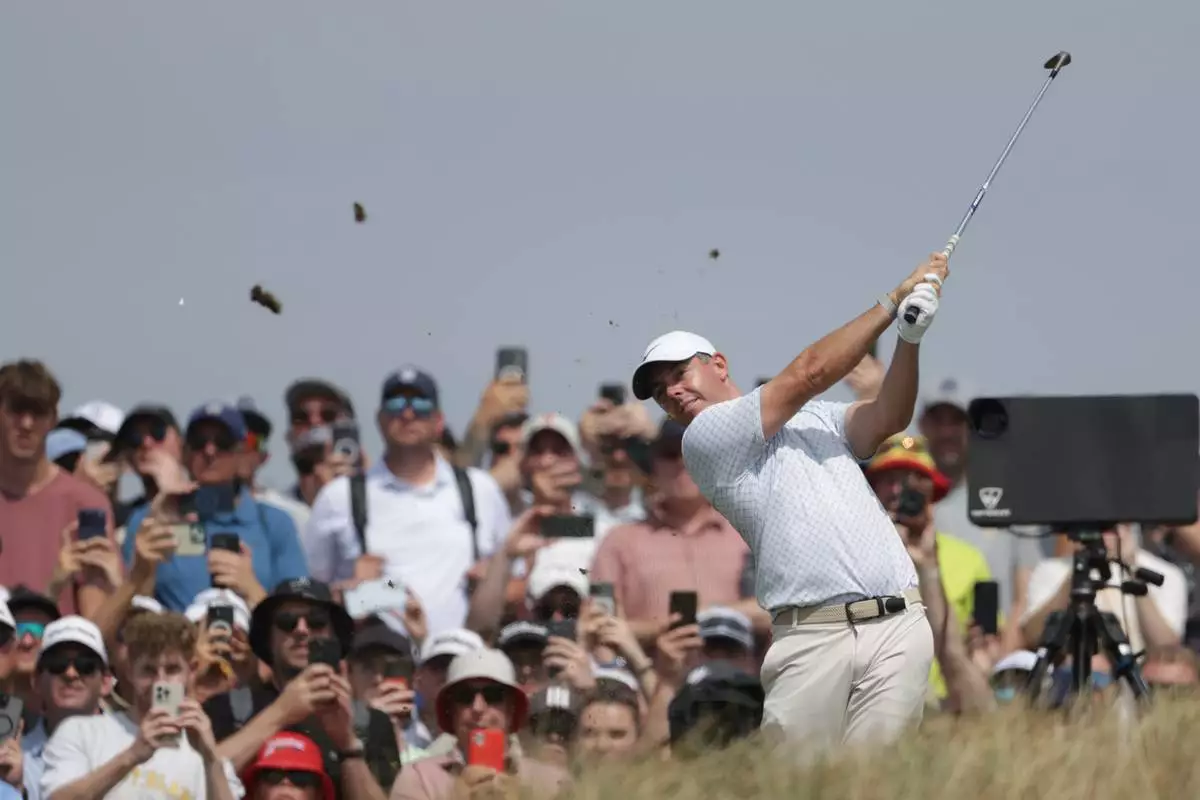
Rory McIlroy of Northern Ireland tees off the 7th hole during the second day of the British Open Golf championships at Royal Birkdale golf club, in Southport, England, Friday, July 17, 2026. (AP Photo/Peter Morrison)
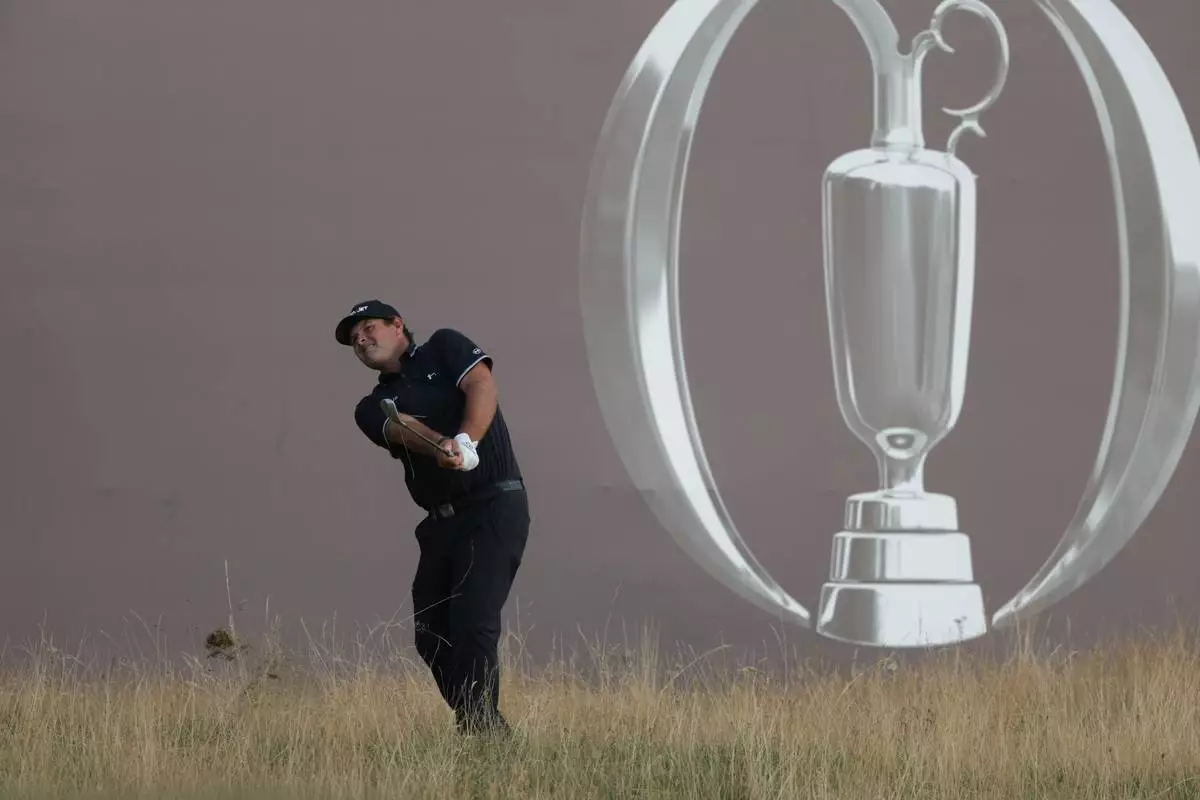
Patrick Reed of the United States chips onto the 18th green during the first day of the British Open Golf championships at Royal Birkdale golf club, in Southport, England, Thursday, July 16, 2026. (AP Photo/Peter Morrison)
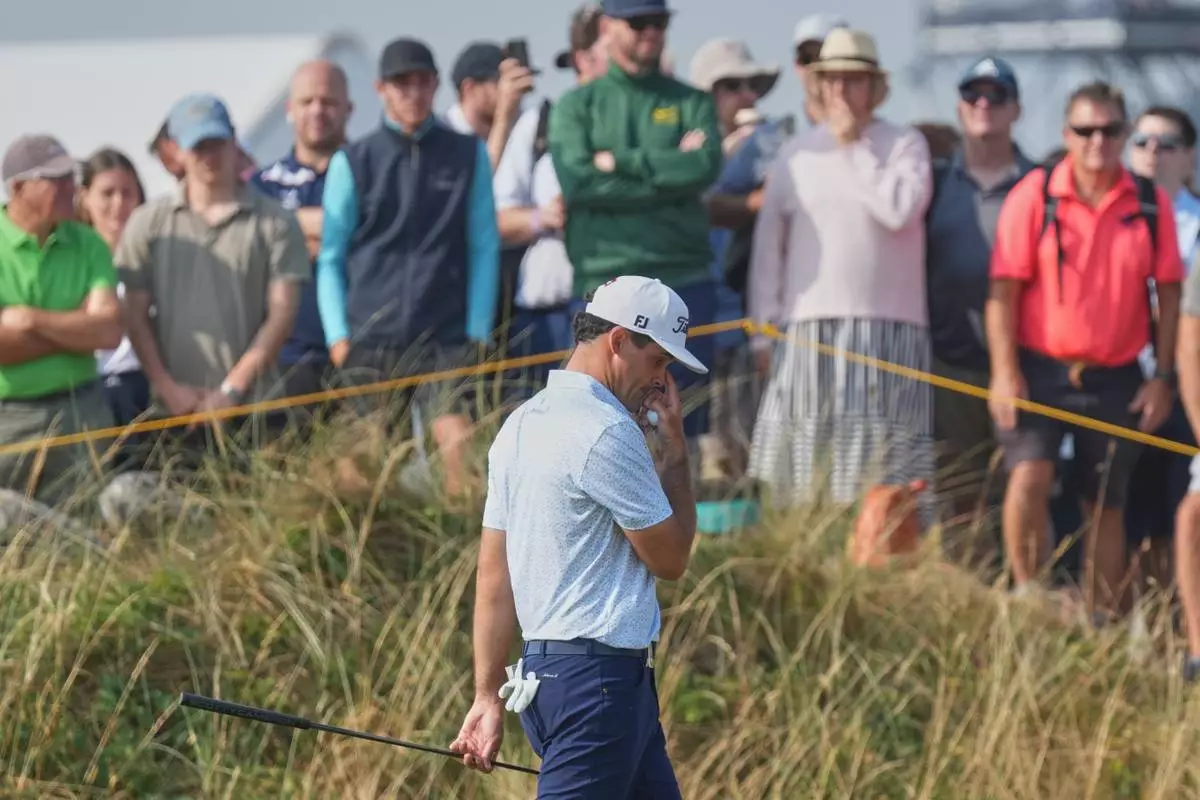
Jackson Suber of the United States looks down as he walks off the 7th green during the second day of the British Open Golf championships at Royal Birkdale golf club, in Southport, England, Friday, July 17, 2026. (AP Photo/Jon Super)
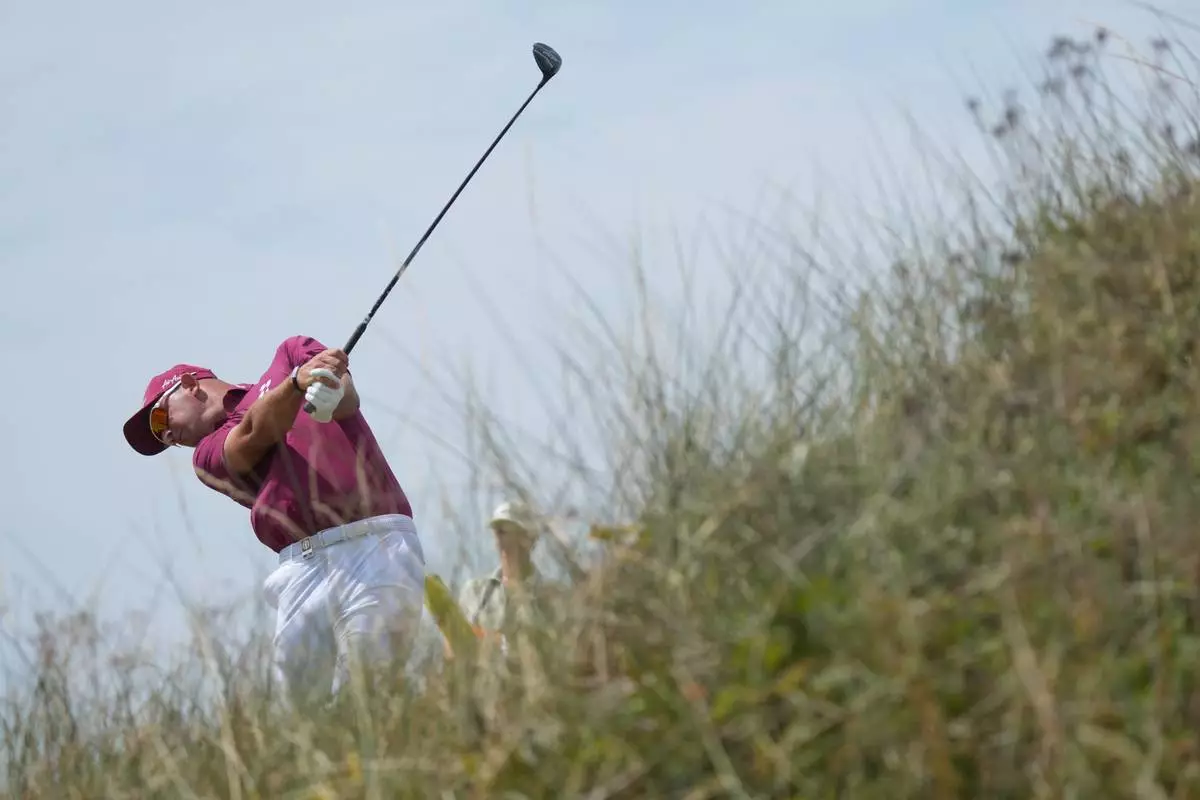
Lucas Herbert of Australiaplays off the 13th tee during the second day of the British Open Golf championships at Royal Birkdale golf club, in Southport, England, Friday, July 17, 2026. (AP Photo/Jon Super)
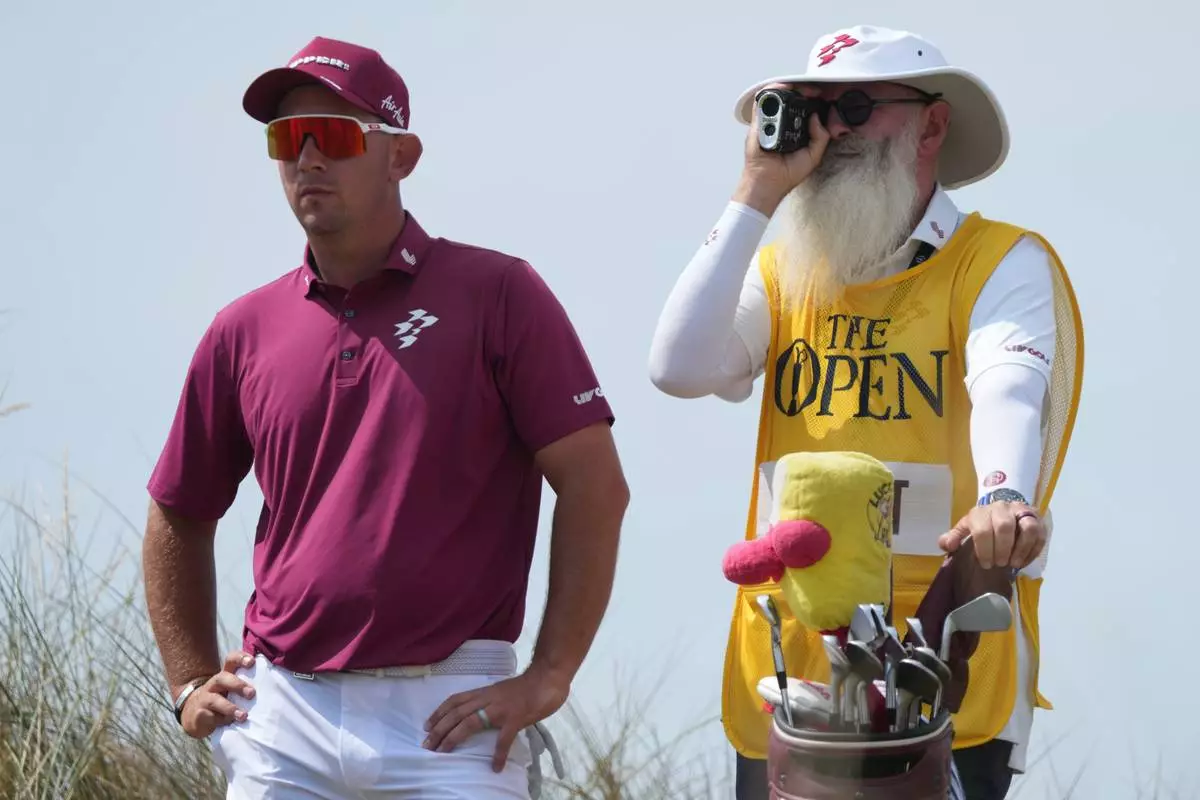
Lucas Herbert of Australia with his caddie Nick Pugh, look at the 13th hole from the tee during the second day of the British Open Golf championships at Royal Birkdale golf club, in Southport, England, Friday, July 17, 2026. (AP Photo/Jon Super)
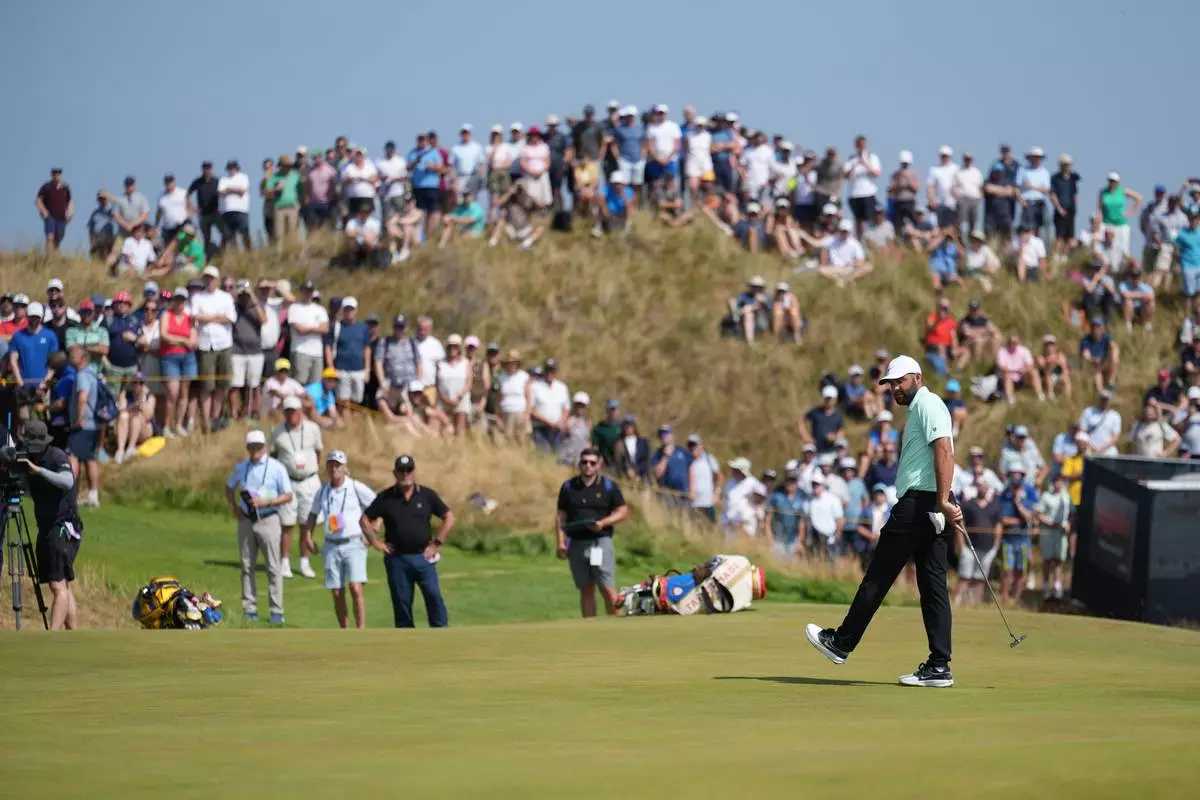
Scottie Scheffler of the United States reacts after putting on the 6th green during the first day of the British Open Golf championships at Royal Birkdale golf club, in Southport, England, Thursday, July 16, 2026. (AP Photo/Jon Super)
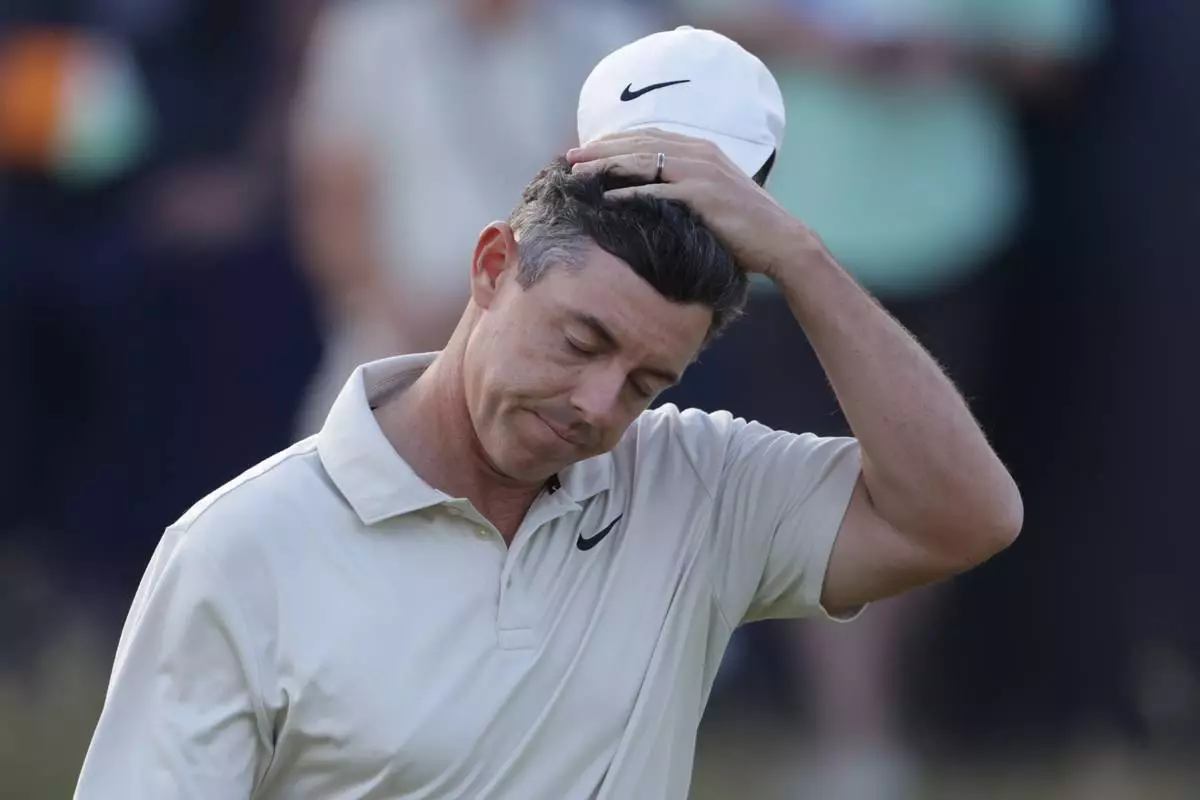
Rory McIlroy of Northern Ireland reacts after putting on the 18th green to complete his first round during the first day of the British Open Golf championships at Royal Birkdale golf club, in Southport, England, Thursday, July 16, 2026. (AP Photo/Peter Morrison)
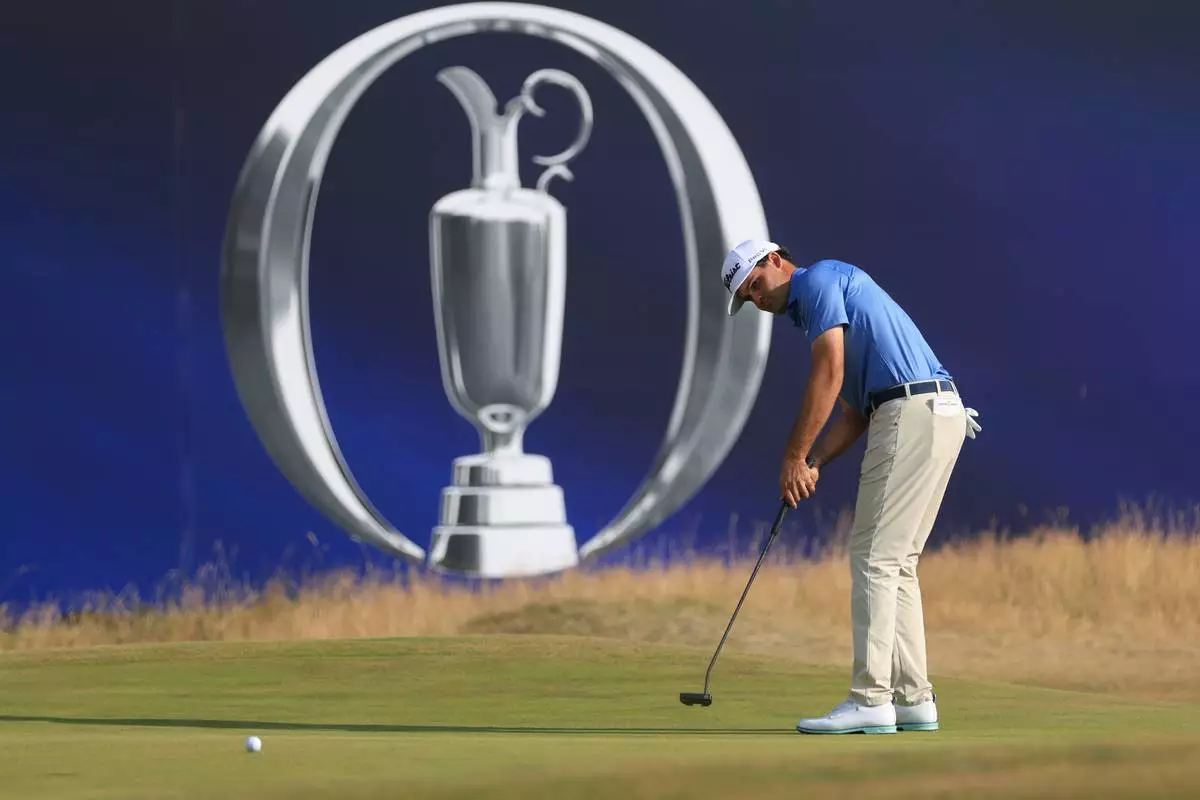
Jackson Suber of the United States putts win the 18th green during the first day of the British Open Golf championships at Royal Birkdale golf club, in Southport, England, Thursday, July 16, 2026. (AP Photo/Peter Morrison)
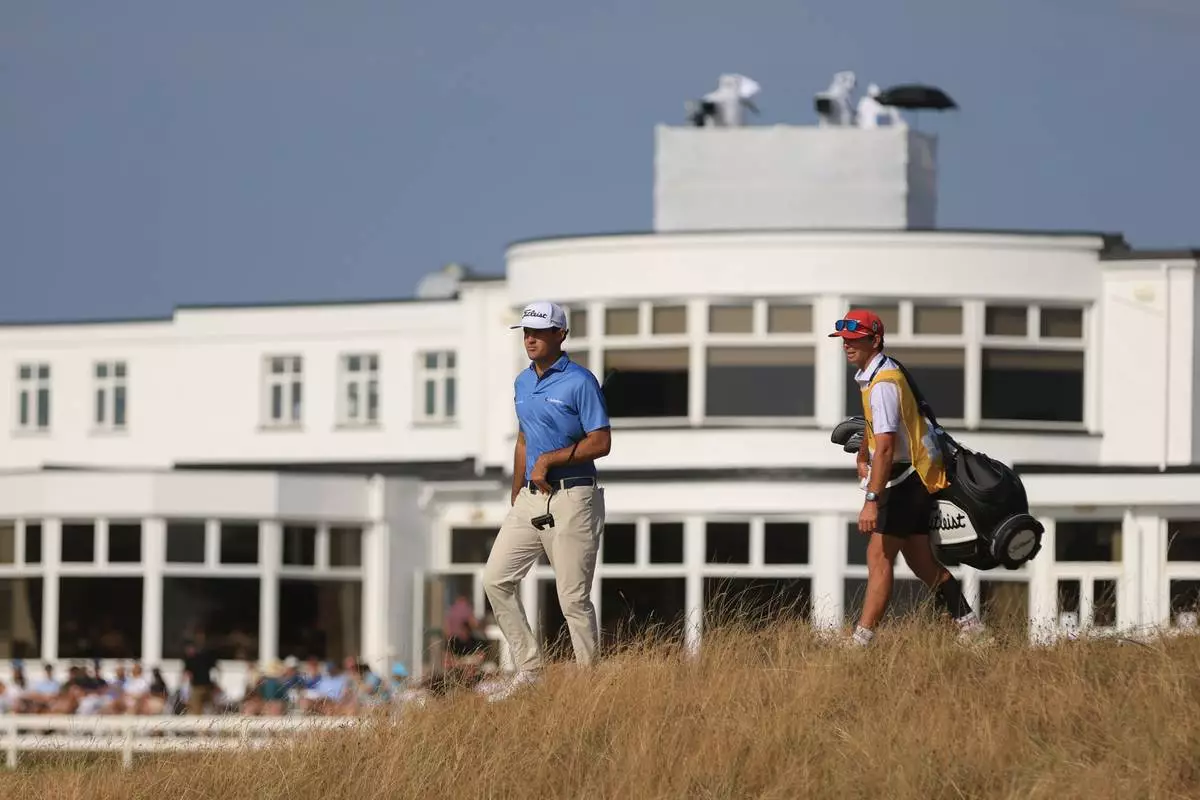
Jackson Suber of the United States, and his caddie Greyson Porter walks towards the 18th green during the first day of the British Open Golf championships at Royal Birkdale golf club, in Southport, England, Thursday, July 16, 2026. (AP Photo/Peter Morrison)