Social media CEOs once again are being called to testify before the Senate in light of mounting legal and public pressure to protect young users on their platforms.
The leaders of Meta, Alphabet, TikTok and Snap were invited to testify next month before the Senate Judiciary Committee, a committee spokesperson confirmed Friday.
The hearing comes at an inflection point for social media as court cases, proposed legislation and increased advocacy place mounting pressure on the tech companies behind these platforms to protect children and teens who use them by making material changes to how they operate.
“Americans are realizing more and more every day that they cannot trust the CEOs at the helms of these companies because they do not put our safety first,” said Sacha Haworth, executive director of watchdog group The Tech Oversight Project. “If it feels like the pace is accelerating, it’s because it is.”
The CEOs of Meta, TikTok, X and other social media companies were last called to testify before the same committee in January 2024, when lawmakers grilled them on questions about the exploitation of children on their platforms and social media's effects on young people’s lives.
The June 23 hearing is titled “Examining Tech Industry Practices and the Implications for Users and Families: Is This Social Media’s Big Tobacco Moment?” The executives were invited by Iowa Sen. Chuck Grassley, a Republican and the chairman of the Senate Judiciary Committee.
Mark Zuckerberg of Meta, Sundar Pichai of Alphabet and Google, which owns YouTube, Shou Zi Chew of TikTok and Evan Spiegel of Snap received the invitations for the upcoming hearing. Meta declined to comment. Representatives from the other companies did not immediately respond to requests for comment.
In a hearing on Wednesday held by the Subcommittee on Privacy, Technology, and the Law, senators heard from advocates and experts on children’s social media use, including parents who have lost their children to social media-related harms.
Sen. Dick Durbin, D-Ill. said at the hearing, “I think it’s time for us, on a bipartisan basis, to call these CEOs back and to ask them what’s happened in two years, to talk to them about the losses that have occurred and ask them what they’re doing.”
Social media companies have disputed allegations that they harm children’s mental health through deliberate design choices that addict kids to their platforms and fail to protect them from sexual predators and dangerous content. This year, several state and federal court cases are heading to trial, and while the details of each case vary, they are seeking to hold companies responsible for what happens on their platforms.
Two court case verdicts that came days apart in March held social media companies, and Meta in particular, accountable for harm to children using its services. A California jury determined that both Meta and YouTube designed their platforms to hook young users without concern for their well-being. TikTok and Snap were also named defendants in that case, but they settled before the trial began.
The day before the California verdict was reached, a New Mexico jury determined that Meta knowingly harmed children’s mental health and concealed what it knew about child sexual exploitation on its platforms.
The date of the hearing has significance for advocates. In 2024, Senators Amy Klobuchar, D-Minn., and Marsha Blackburn, R-Tenn., introduced a resolution to designate June 23 as Social Media Harms Victim Remembrance Day. The resolution encouraged the “government, industry and community stakeholders to take action to prevent social media-related harm.”
The remembrance day was put forward by families who trace the death of their children to social media harms. The mothers of Carson Bride and Alexander Neville, who both died on June 23, lead the initiative. Carson died by suicide at age 16 after severe cyberbullying and Alex was 14 when a drug dealer connected with him on Snapchat and sold him the pill that killed him.
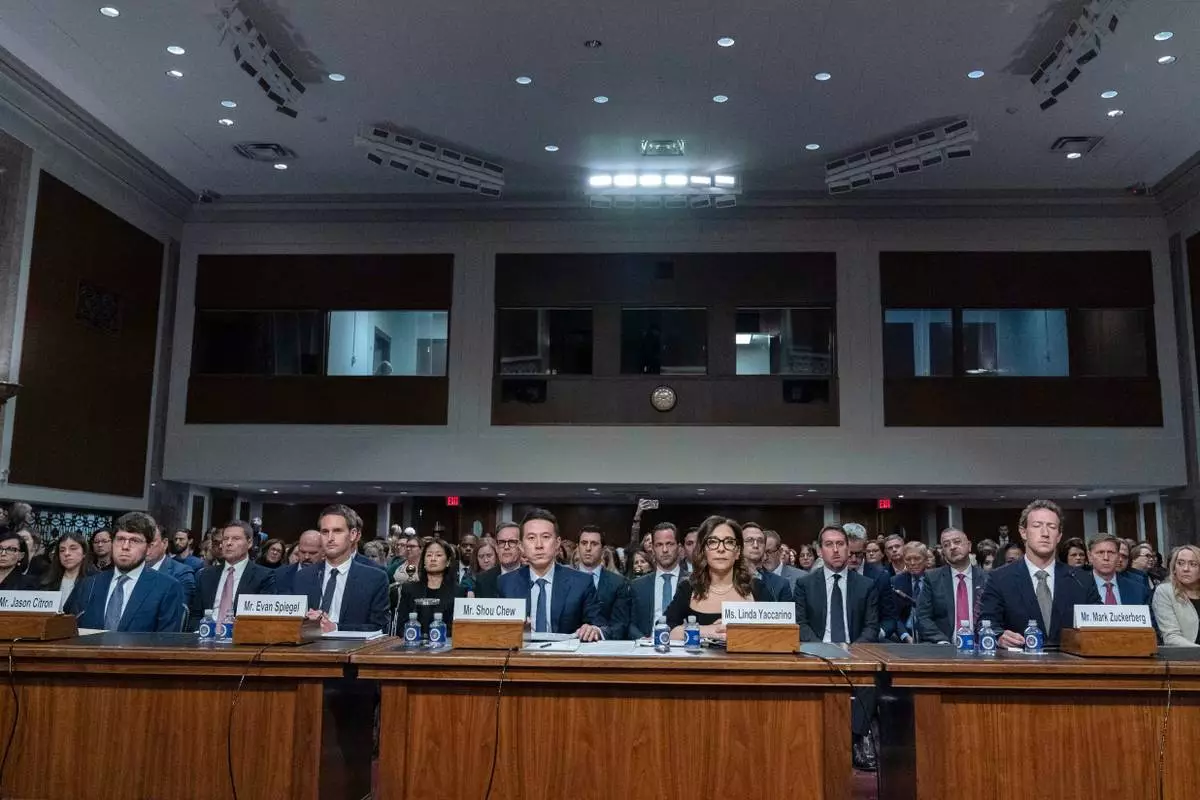
FILE - From left; Discord CEO Jason Citron, Snap CEO Evan Spiegel, TikTok CEO Shou Zi Chew, X CEO Linda Yaccarino and Meta CEO Mark Zuckerberg, testify before a Senate Judiciary Committee hearing on Capitol Hill in Washington, Jan. 31, 2024, to discuss child safety online. (AP Photo/Jose Luis Magana, File)
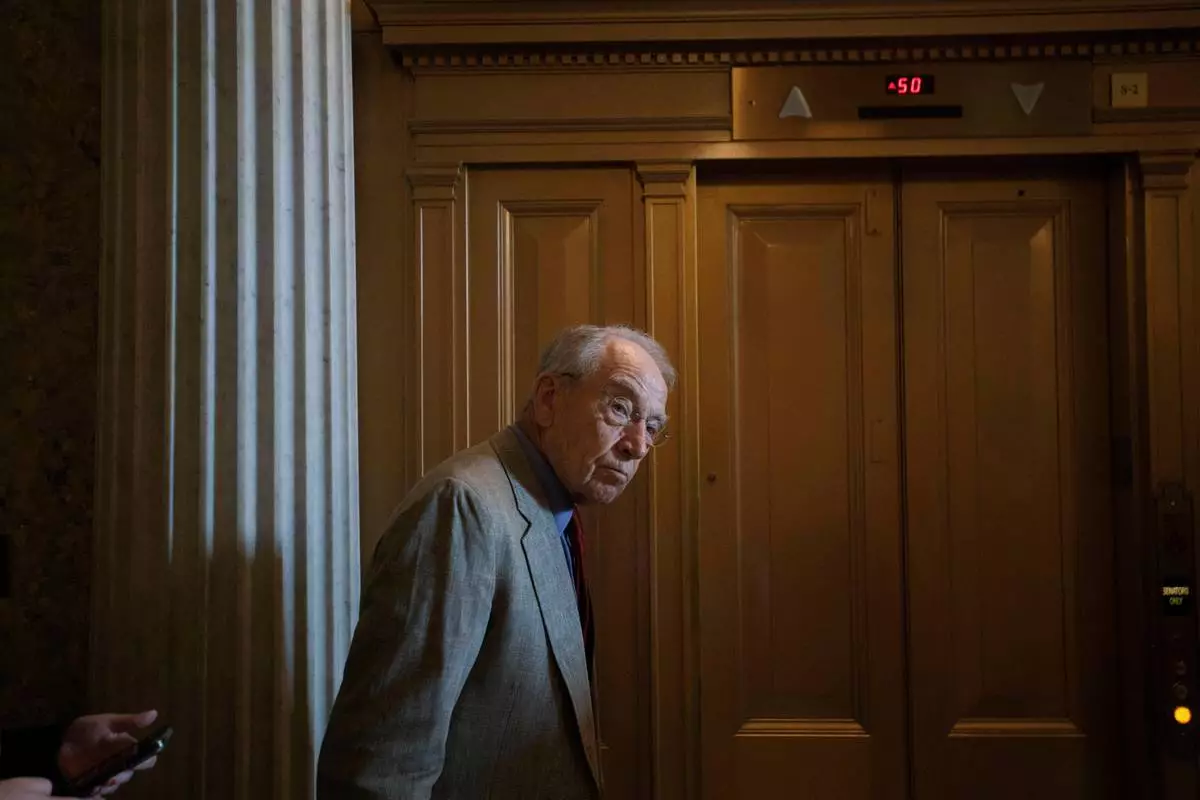
FILE - Sen. Chuck Grassley, R-Iowa, walks from the Senate chamber at the Capitol in Washington, July 16, 2025. (AP Photo/Rod Lamkey, Jr., File)
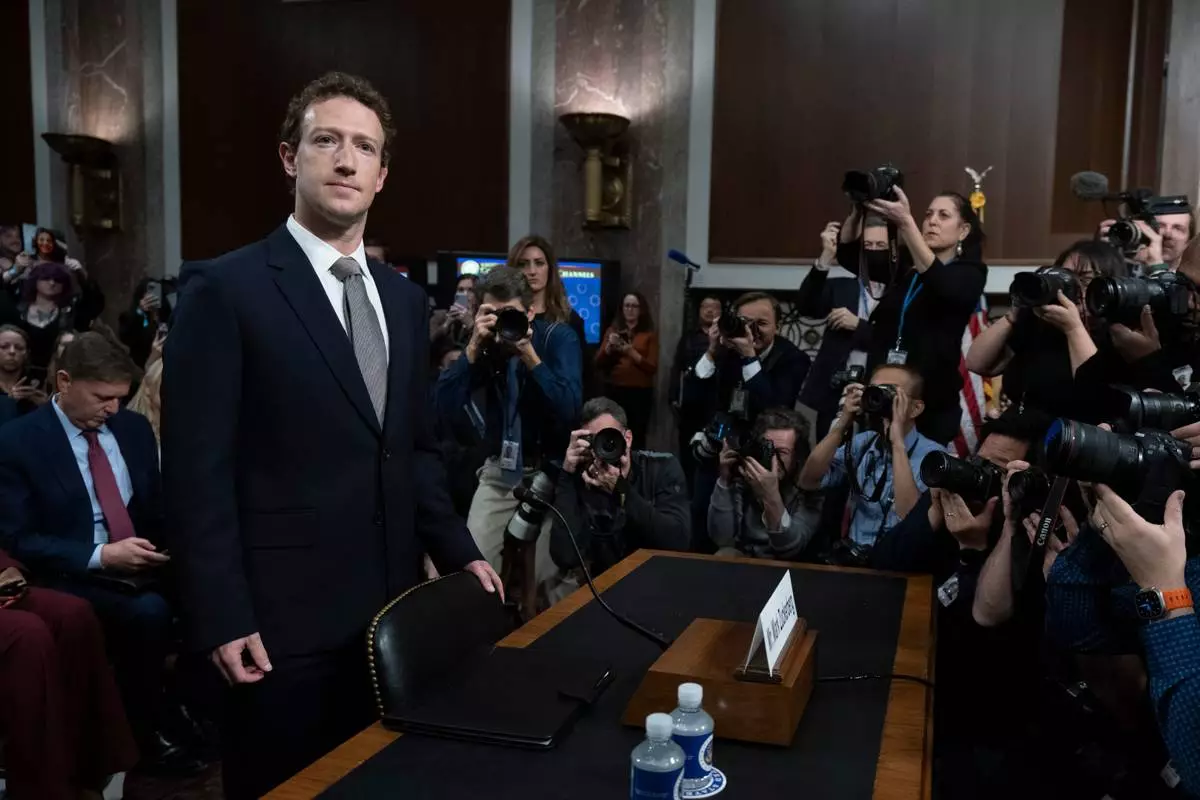
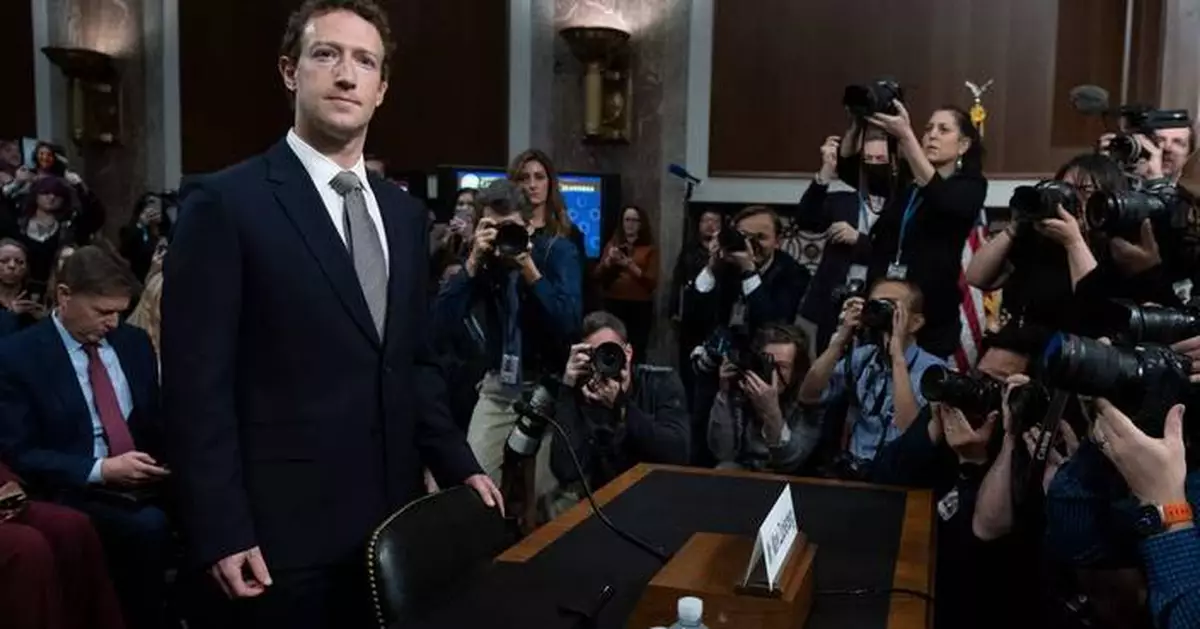
FILE - Meta CEO Mark Zuckerberg, arrives to testify before a Senate Judiciary Committee hearing on Capitol Hill in Washington, Jan. 31, 2024, to discuss child safety. (AP Photo/Manuel Balce Ceneta, File)
WASHINGTON (AP) — Democratic Rep. Steve Cohen of Tennessee on Friday announced that he is ending his bid for reelection, his career upended by the redistricting battles that are sweeping the country after last month's Supreme Court decision.
Republicans in Tennessee this month enacted a new U.S. House map that carves up a Cohen's majority-Black district, reshaping it to the GOP’s advantage as part of President Donald Trump’s strategy to hold on to a slim majority in the November midterm elections.
“I don’t want to quit. I’m not a quitter. But these districts were drawn to beat me,” Cohen told reporters in his Washington, D.C. office.
Cohen is challenging the state’s redistricting effort in court and said that he would reenter the race if that lawsuit succeeded in restoring his old congressional district.
He lamented that Tennessee would likely shift to an entirely Republican congressional delegation after the next election, warning that it could also leave the state out of the loop once Democrats are able to regain the White House.
Tennessee was the first state to pass new congressional districts after a U.S. Supreme Court ruling that significantly weakened federal Voting Rights Act protections for minorities. But more Southern states could follow. Republicans in Louisiana, Alabama and South Carolina also have taken steps toward redistricting.
Cohen has represented his Memphis-based district for about two decades, among the last of the white Democrats representing the South. He has been a longtime member of the House Judiciary Committee and has focused on strengthening voting access and civil rights.
“It’s unique in America that an African-American majority district has elected a white guy, and that we’ve got a great relationship, great amount of support,” said Cohen, who is also the first Jewish person to represent Tennessee in Congress.
He was facing a primary challenge from state lawmaker Justin Pearson, a Black Democrat who represents Memphis in the state's General Assembly. Pearson has said he will continue his campaign in the state's newly redrawn 9th Congressional District.
But Cohen predicted that it would be nearly impossible for Tennessee Democrats to win a seat in Congress with the new districts. He added there was a chance the redistricting effort could “backfire on the Republicans” but that would require an “unbelievable registration effort among Democrats” and a massive vote turnout effort.
Sitting in his congressional office with staff looking on, Cohen pointed to photos of Memphis and local projects that he had championed during his career and expressed worry that Memphis voters would no longer have a voice in Washington. He also recounted how he had worked with the state's Republican leaders to win funding during the Biden administration for a larger bridge to cross the Mississippi River into Memphis.
House Democratic leader Hakeem Jeffries said in a statement that Cohen was “a powerful champion for civil rights” and that “the City of Memphis, the Congress and the nation are better because of Steve’s commitment to making a difference.”
Cohen said that the Republican's redistricting effort was being done “for Donald Trump to get one more vote, he thinks, to stop them from being impeached.”
Still, he vowed to use his remaining time in Congress to try to mount opposition to Trump, calling the president “the greatest threat to democracy and to decorum and grace that we’ve ever seen.”
Like many lawmakers, Cohen has often attracted attention with colorful outbursts during congressional debates and hearings. During Trump’s first term, in 2019, Cohen brought a bucket of fried chicken to a House Judiciary Committee hearing at which then-Attorney General William P. Barr was a no-show.
“The message is Attorney General Bill Barr is not brave enough to answer questions from a staff attorney and members of the Judiciary Committee,” he said in a statement at the time.
While Trump's supporters stormed the Capitol on Jan. 6, 2021 as Congress tried to certify the results of the presidential election, Cohen screamed angrily at his Republican colleagues to “Call Trump. Call your friend. Tell him to do something.”
Cohen was among the first Democrats to join impeachment efforts for Trump in his first term, and he has signed on to articles of impeachment against Trump this year as well.
Meanwhile, Memphis activists grappled with the new political realities after the Republican-led legislature’s decision to divide the city’s longtime congressional district into three neighboring districts.
Advocates said they believed they could work with — and pressure — any lawmaker who will represent the city.
“Things are going to change. We’re aware of that,” said Tierney Macon, an activist with The Equity Alliance, a local civil rights group.
Macon, who protested at the Tennessee statehouse for days following the unveiling of the redrawn maps, said that activists aimed to hold the city’s new representatives in Congress accountable no matter their party.
“We just have to be engaged,” Macon said.
Demonstrations in the statehouse included chants accusing lawmakers of resurrecting Jim Crow, a system of state and local laws that for decades enforced racial segregation and disenfranchisement across the South.
Associated Press writers Kevin Freking, Lisa Mascaro and Matt Brown in Washington contributed to this report.
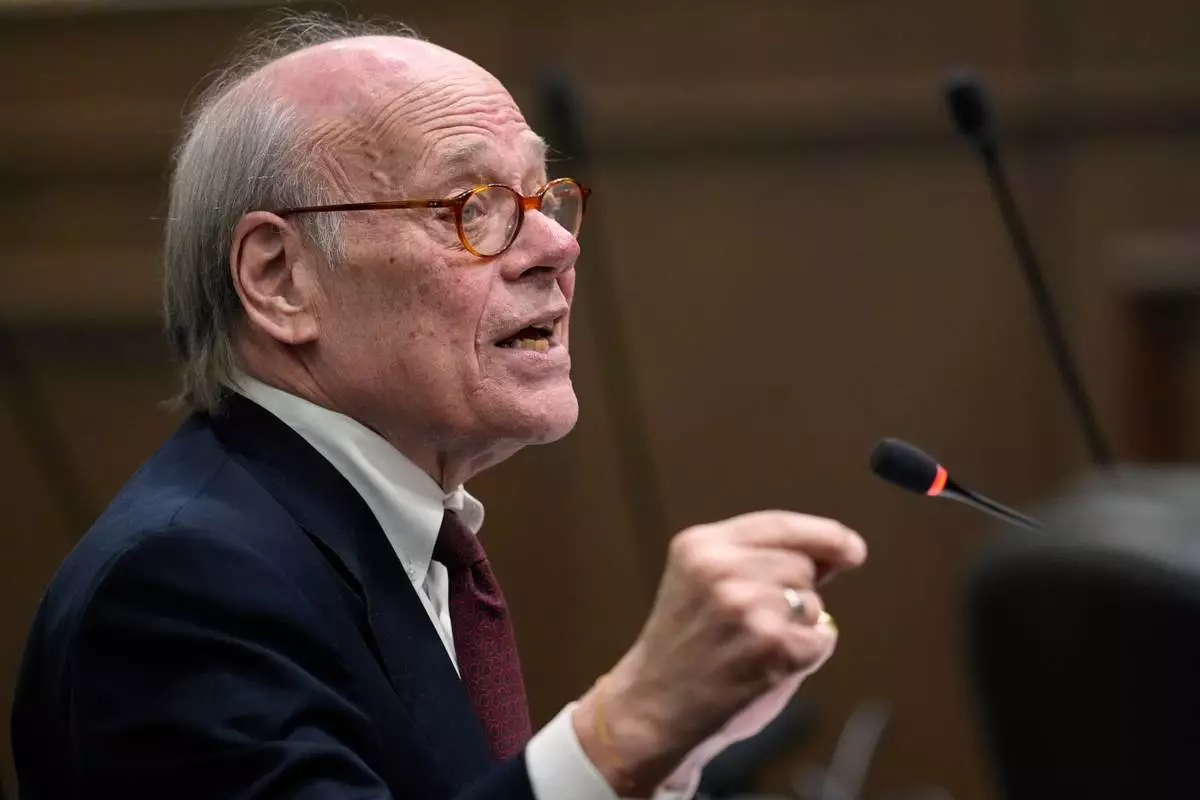
Rep. Steve Cohen, D-Tenn., of Memphis, testifies before a Senate Judiciary committee during a special session of the state legislature to redraw U.S. Congressional voting maps Wednesday, May 6, 2026, in Nashville, Tenn. (AP Photo/George Walker IV)