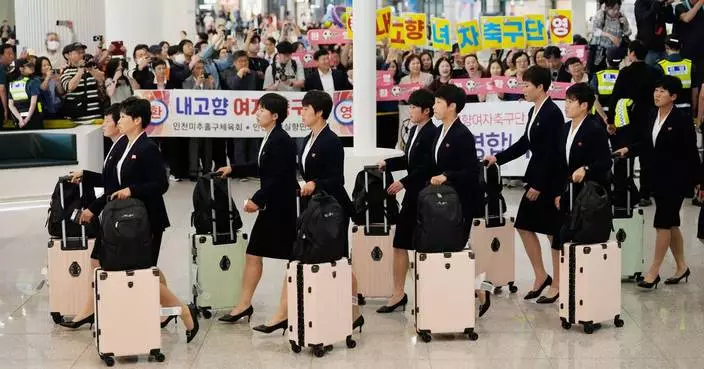
TORONTO (AP) — Toronto, one of the most culturally diverse cities in the world, will host six World Cup games, including the first-ever such match in Canada on June 12.
The host country will face Bosnia and Herzegovina in that opening match. Ghana plays Panama on June 17, Germany plays Côte d’Ivoire on June 20, Croatia faces Panama on June 23 and Senegal plays Iraq on June 26. Toronto also hosts a round of 32 match on July 2.
Canada’s largest city is welcoming the world and emphasizing its diversity, a contrast to the U.S., where fears about border control could keep international fans away. Toronto touts itself as the “world in a city.”
“More than half our residents were born outside Canada,” Toronto Mayor Olivia Chow said. “Over 200 languages are spoken across our neighborhoods — and yes, this summer, the world will come to Toronto. But for us, the world has always been here.”
Toronto is a place with distinct cultural neighborhoods. The most popular tourist attractions include the CN Tower, the revitalized Harbourfront and the Hockey Hall of Fame.
Toronto has it all. Sports bars like Real Sports with its 39-foot HD big screen will be packed. And it won’t be hard to find food from most of the countries in the 48-team tournament. Michelin-recognized restaurants like Alo, Toronto institutions like Sotto Sotto, and St. Lawrence Market, ranked as one of the world’s best food markets, are just a few highlights.
Toronto cancelled a plan to charge general admission to its FIFA Fan Festival after a backlash. The games will be broadcast on screens, and there will be live music and more than 30 food vendors serving flavors from around the world. The zone is located on the grounds of the Fort York National Historic Site and underneath Toronto’s Gardiner Expressway, just a mile away from Toronto Stadium.
Toronto is encouraging public transit, with the Toronto Transit Commission providing expanded service with trains, buses and streetcars and the reginal GO Transit service offering more trains. The city is heavily restricting traffic around the downtown core where the stadium is. There will be no public parking at Toronto Stadium or in nearby residential areas like Liberty Village.
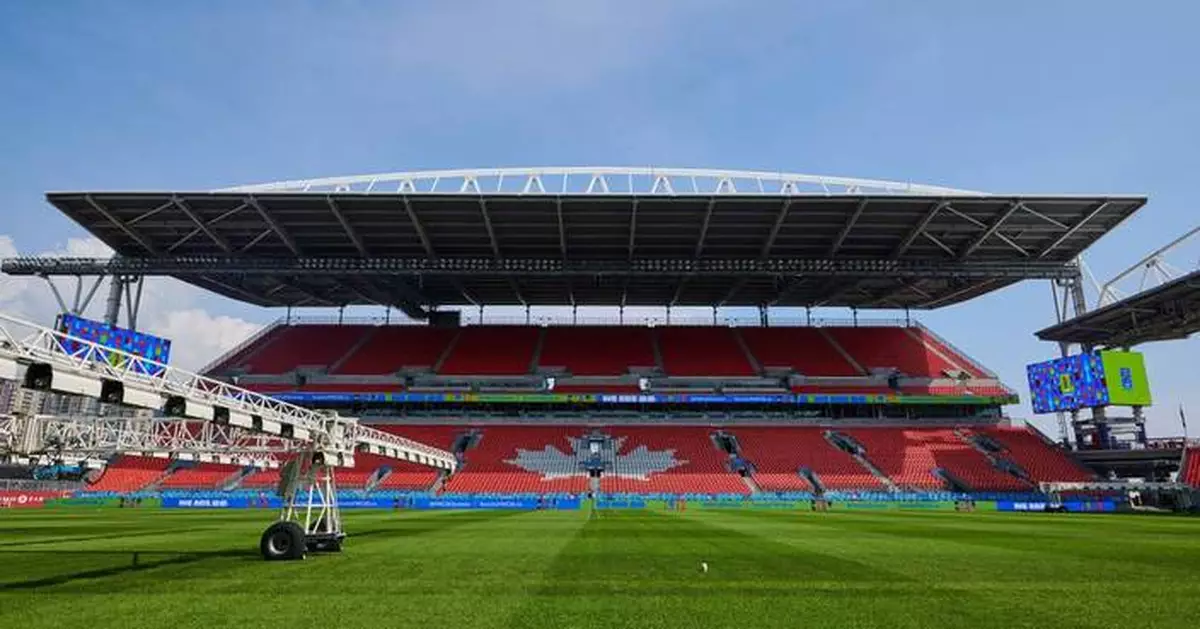
Toronto Stadium is the smallest venue for the 2026 FIFA World Cup. The stadium is where Major League Soccer's Toronto FC and the Canadian Football League's Toronto Argonauts play. The facility underwent a $100 million-plus renovation that added about 17,000 temporary seats. That will bring the capacity to the FIFA minimum of 45,000.
AP World Cup: https://apnews.com/hub/fifa-world-cup
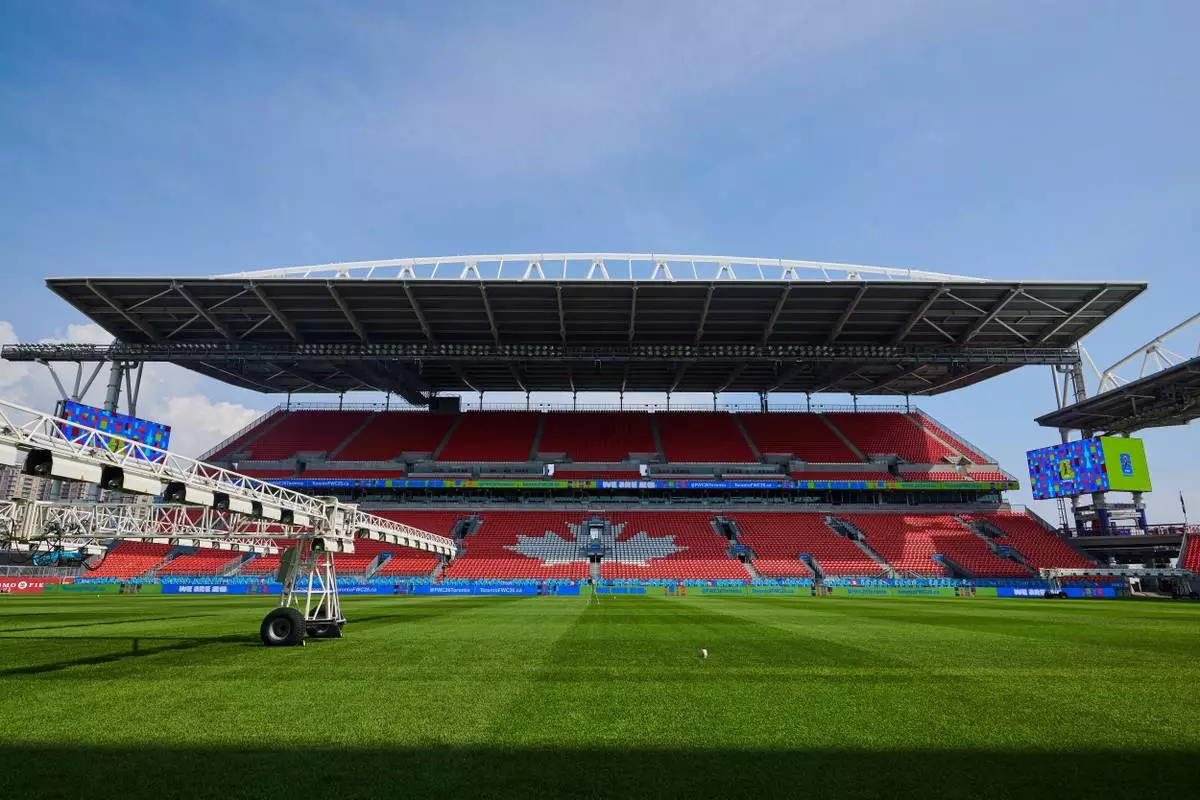
FILE - BMO Field is pictured as the City of Toronto and MLSE complete the first phase of upgrades in transforming the space into the 2026 World Cup ready Toronto Stadium in Toronto, on Tuesday, Sept. 23, 2025. (Sammy Kogan/The Canadian Press via AP, File)
ABUJA, Nigeria (AP) — The World Health Organization declared the Ebola disease outbreak caused by a rare virus in Congo and neighboring Uganda a public health emergency of international concern on Sunday, after more than 300 suspected cases and 88 deaths.
The WHO said the outbreak does not meet the criteria of a pandemic emergency like COVID-19, and advised against the closure of international borders.
The WHO said on X that a laboratory-confirmed case has also been reported in Congo’s capital, Kinshasa, which is about 1,000 kilometers (620 miles) from the outbreak's epicenter in the eastern province of Ituri, suggesting a possible wider spread. It said the patient had visited Ituri and that other suspected cases have also been reported in North Kivu province, which is one of Congo’s most populous and borders Ituri.
Ebola is highly contagious and can be contracted via bodily fluids such as vomit, blood or semen. The disease it causes is rare, but severe and often fatal.
The WHO’s emergency declaration is meant to spur donor agencies and countries into action. By the WHO’s standards, it shows the event is serious, there is a risk of international spread and it requires a coordinated international response.
The global response to previous declarations has been mixed. In 2024, when the WHO declared mpox outbreaks in Congo and elsewhere in Africa a global emergency, experts at the time said it did little to get supplies like diagnostic tests, medicines and vaccines to affected countries quickly.
Health authorities say the current outbreak, first confirmed on Friday, is caused by the Bundibugyo virus, a rare variant of the Ebola disease that has no approved therapeutics or vaccines. Although more than 20 Ebola outbreaks have taken place in Congo and Uganda, this is only the third time the Bundibugyo virus has been detected.
Congo accounts for all except two of the cases, both of which were reported in Uganda, the WHO said.
The Bundibugyo virus was first detected in Uganda’s Bundibugyo district during a 2007-2008 outbreak that infected 149 people and killed 37. The second time was in 2012, in an outbreak in Isiro, Congo, where 57 cases and 29 deaths were reported.
Africa Centres for Disease Control and Prevention Director-General Dr. Jean Kaseya said Saturday that a high number of active cases remain in the community, particularly in Mongwalu, where the first cases were reported, “significantly complicating containment and contact tracing efforts.”
Violent conflict with militants, some backed by the Islamic State group, as well as constant population movement due to mining, both within Congo and across the border in Uganda, have also posed a major challenge to response efforts.
Officials first reported the spread of the disease in Ituri province, close to Uganda and South Sudan, on Friday. On Saturday, the Africa CDC reported 336 suspected cases and 87 deaths in Congo.
“There are significant uncertainties to the true number of infected persons and geographic spread associated with this event at the present time. In addition, there is limited understanding of the epidemiological links with known or suspected cases,” WHO Director-General Tedros Adhanom Ghebreyesus said.
The two cases in Uganda include one person whom officials said had traveled from Congo and died at a hospital in Uganda’s capital, Kampala, and another the WHO said had also traveled from Congo.
The WHO said the high percentage of positive cases among samples tested, the spread to Kampala and Uganda and the clusters of deaths across Ituri “all point toward a potentially much larger outbreak than what is currently being detected and reported, with significant local and regional risk of spread.”
Kaseya said slow detection delayed the response and gave the virus time to spread.
“This outbreak started in April. So far, we don’t know the index case. It means we don’t know how far is the magnitude of this outbreak,” Kaseya said, using a term for the first detectable case of an epidemic.
The earliest known suspected case, a 59-year-old man, developed symptoms on April 24 and died at a hospital in Ituri on April 27.
By the time health authorities were first alerted to the outbreak via social media on May 5, 50 deaths had already been recorded, the Africa CDC said.
The WHO said at least four deaths have been reported among healthcare workers who showed Ebola symptoms.
Shanelle Hall, principal adviser to the head of Africa CDC, told reporters Saturday that there were four therapeutics under consideration for the Bundibugyo virus, but no vaccine was being actively considered.
A bigger issue is that even existing vaccines and therapeutics for other Ebola viruses are not manufactured in Africa. Africa’s struggle to get vaccines from richer countries during the COVID-19 pandemic spurred different efforts to accelerate its capacity to manufacture shots, but resources remain scarce.
Kaseya said the demand for a vaccine for a rare virus like Bundibugyo, which is not as deadly as the Ebola Zaire prominent in Congo’s past outbreaks, has been the recurring issue in discussions with pharmaceutical companies over vaccine manufacturing,
“If we are serious in this continent, we need to manufacture what we need," he said. "We cannot every single day look for others to come to tell us what they are doing.”
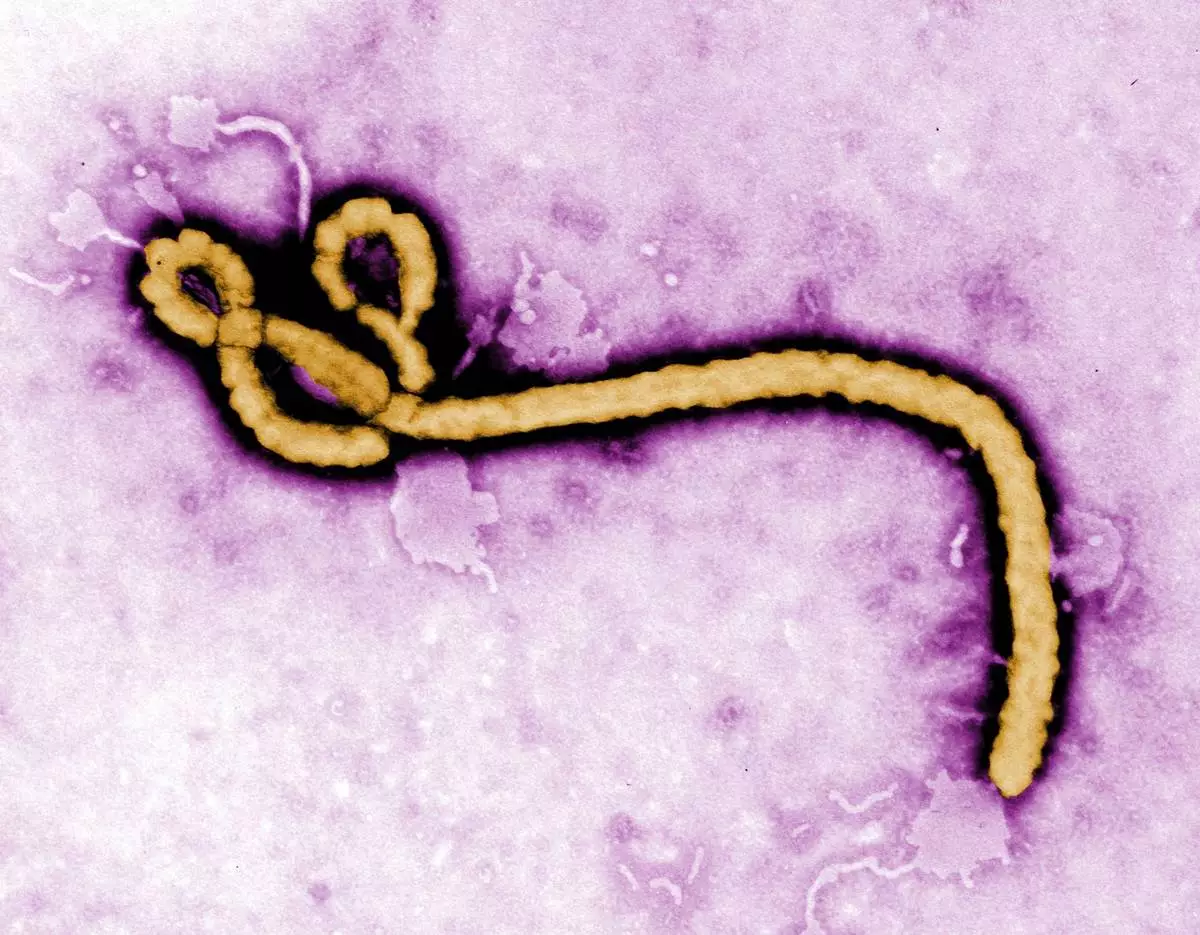
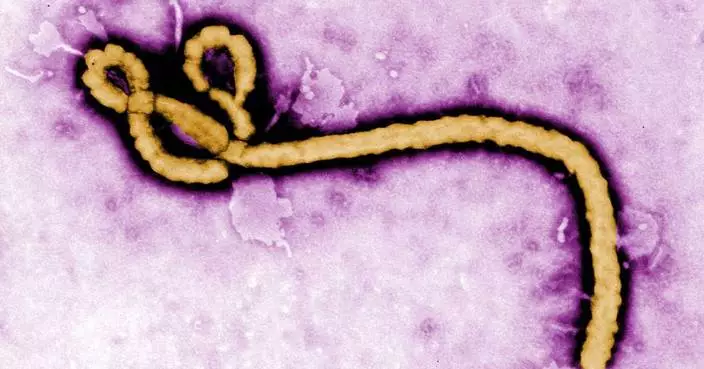
FILE - This undated colorized transmission electron micrograph file image made available by the Centers for Disease Control and Prevention (CDC) shows an Ebola virus virion. (Frederick Murphy/CDC via AP, File)
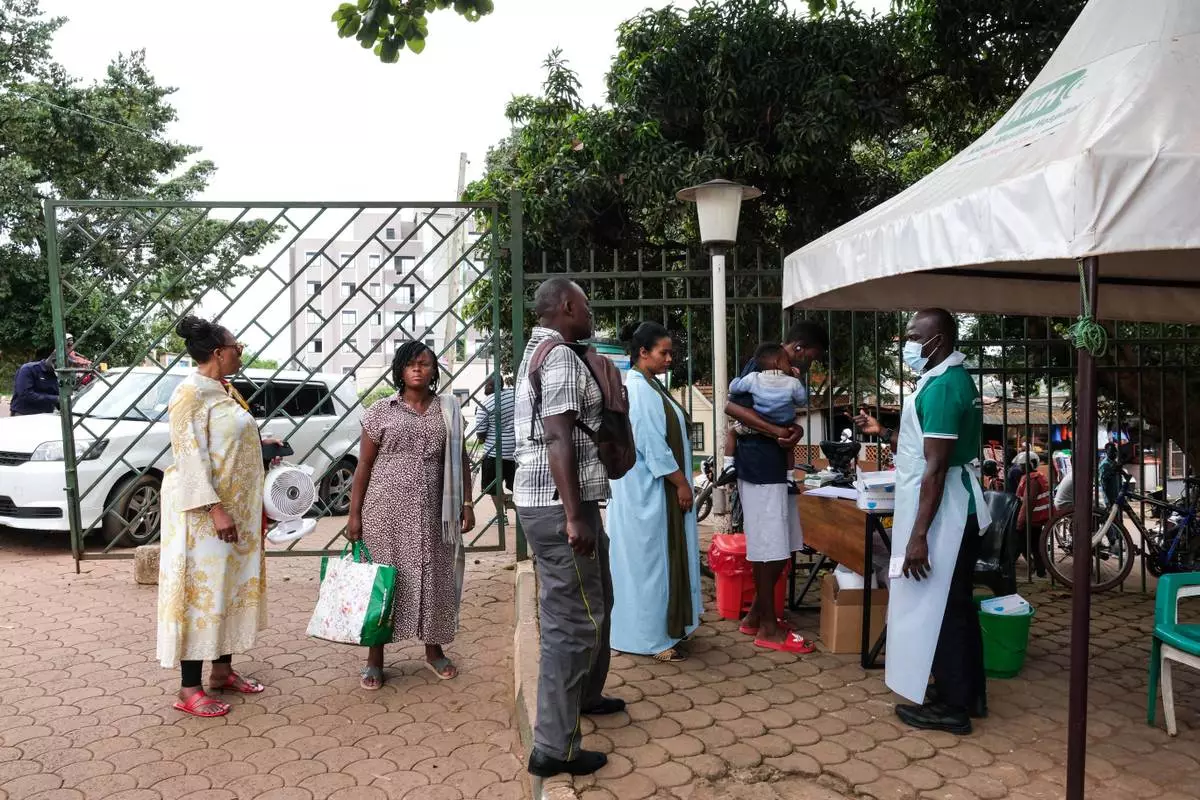
People wait to have their temperature taken in front of Kibuli Muslim Hospital in Kampala, Uganda, Saturday, May 16, 2026. (AP Photo/ Hajarah Nalwadda)
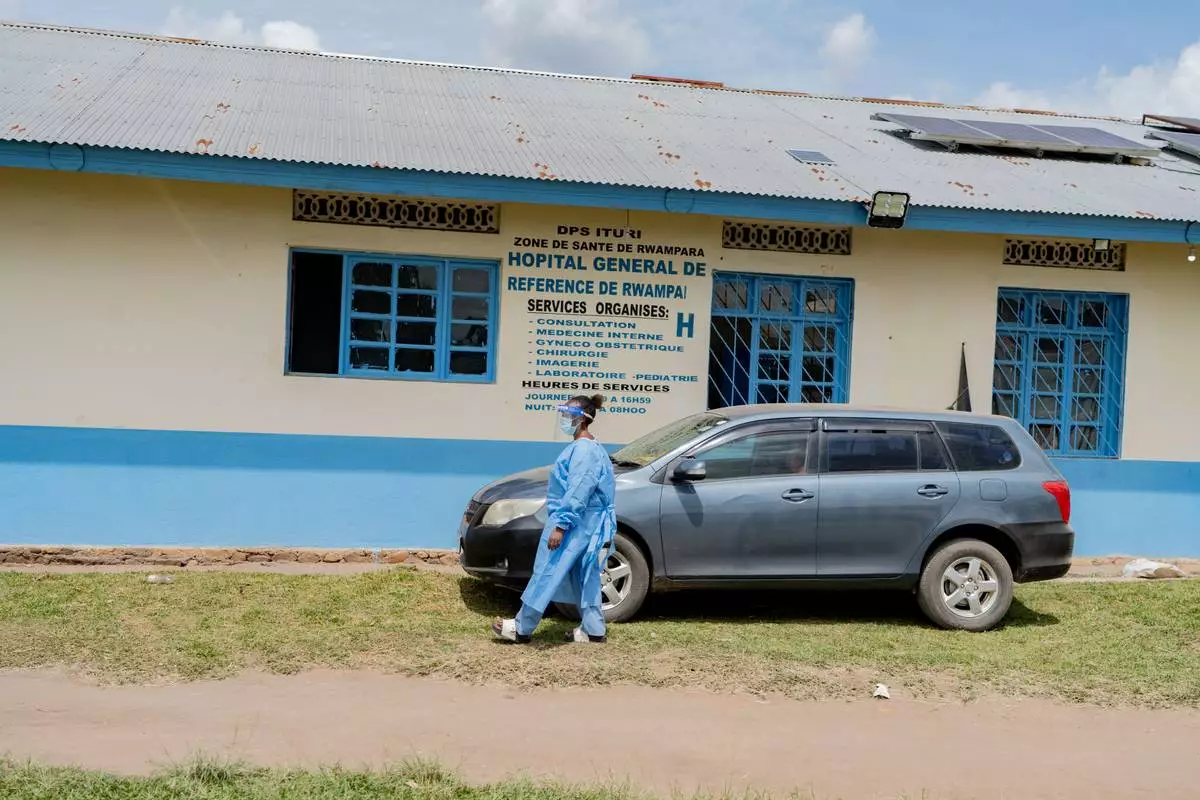
A health worker wearing protective gear walks outside the a hospital in Bunia, Congo, Saturday, May 16, 2026. (AP Photo/Jorkim Jotham Pituwa)
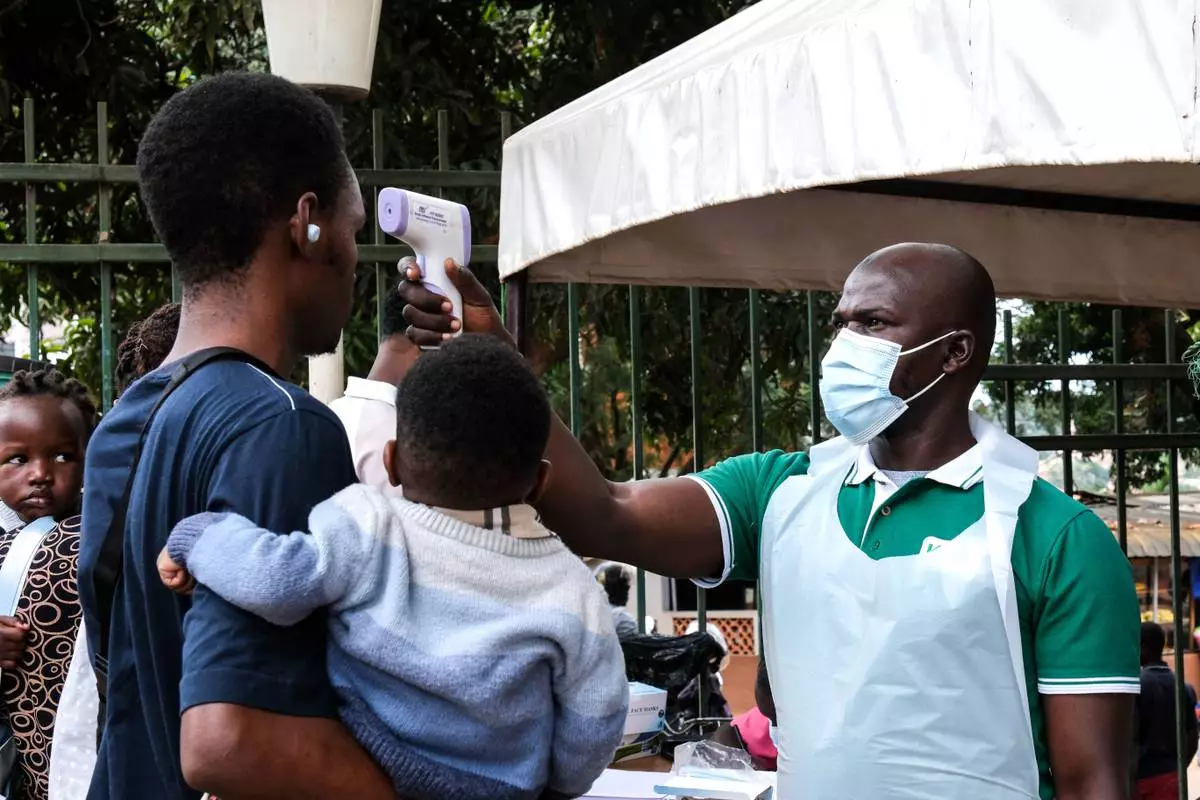
A health official uses a thermometer to screen people in front of Kibuli Muslim Hospital in Kampala, Uganda, Saturday, May 16, 2026. (AP Photo/ Hajarah Nalwadda)