NEW YORK (AP) — Trains are set to resume rolling on the Long Island Rail Road on Tuesday after a deal was reached to end a strike that had shut down the busiest commuter rail system in the country.
Commuters in the New York City suburbs will still have to muddle through another tough morning rush hour, as trains won’t be running in time for the commute into work, railroad officials said after the deal was announced late Monday.
Click to Gallery
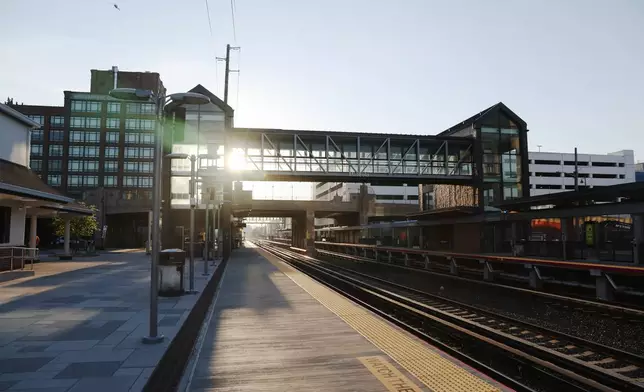
Tracks are empty at Mineola train station as Long Island Rail Road workers enter the third day of their strike, Monday, May 18, 2026, in Mineola, N.Y. (AP Photo/Heather Khalifa)
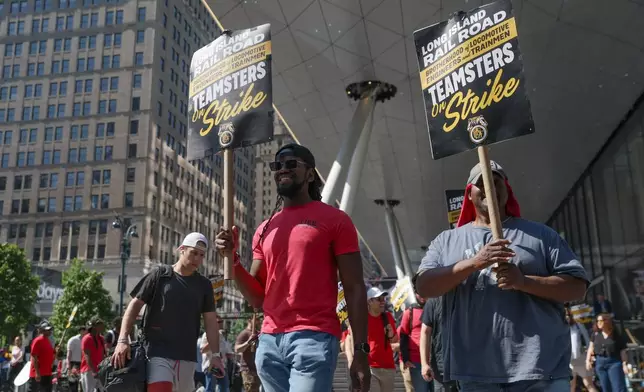
Long Island Rail Road workers walk on the picket line outside of Penn Station on the third day of their strike, Monday, May 18, 2026, in New York. (AP Photo/Heather Khalifa)
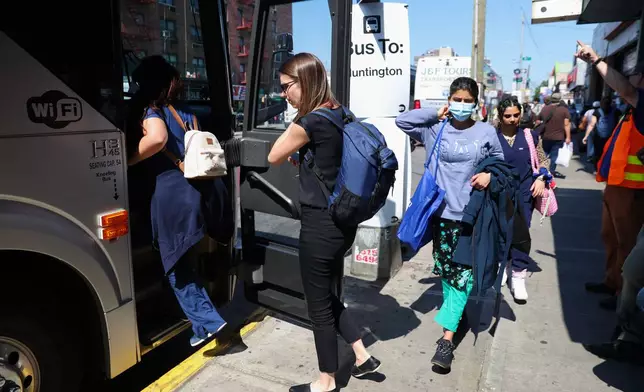
Commuters board buses to Long Island outside of the Jamaica–179th Street station as Long Island Rail Road workers enter the third day of their strike, Monday, May 18, 2026, in New York. (AP Photo/Heather Khalifa)
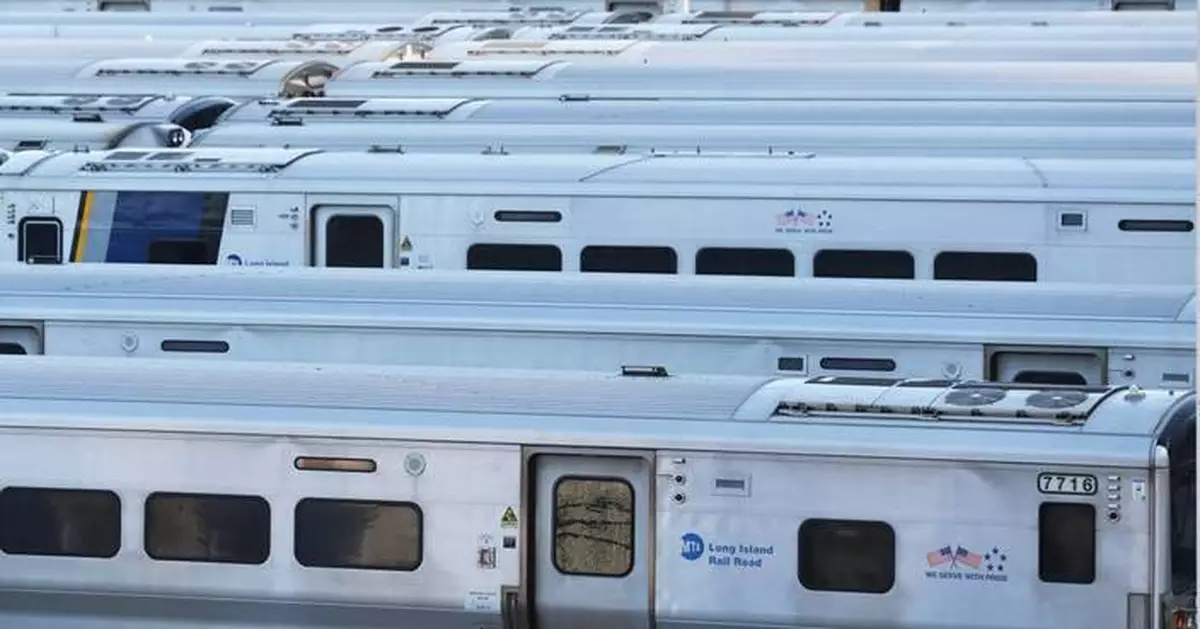
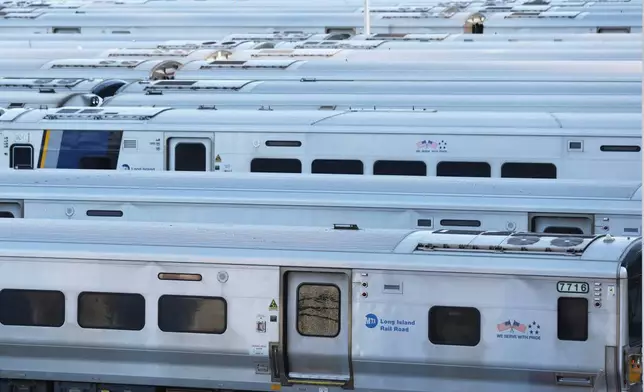
Long Island Rail Road trains sit in the West Side Yard on the first day of a strike, Saturday, May 16, 2026, in New York. (AP Photo/Heather Khalifa)
The LIRR urged riders to work from home again Tuesday if possible. Free but limited shuttle buses will still be offered from a handful of locations on Long Island to subway stations in New York City.
Five labor unions representing about half the train system’s workforce went on strike at 12:01 a.m. Saturday, halting service for roughly 250,000 commuters who use the rail system that connects New York City to its eastern suburbs every weekday.
Hallie Kessler was among the weary Long Island commuters who welcomed the strike's end. With the trains out of service, the 24-year old speech therapist commuted three hours home from her job at a public school in the New York City borough of Queens on Monday.
“Obviously I wish trains would be running when peak hours start so I could avoid the long morning commute, but happy to not deal with it in the afternoon when I’m leaving work,” Kessler said. “Curious what the deal says about future fares, which has been a big concern, but we’ll see.”
New York Gov. Kathy Hochul and railroad officials have said they're not at liberty to disclose details of the new contract terms until they're voted on and approved by union members. But the Democrat, who is up for reelection, stressed the deal won’t increase fares or taxes and will give unionized workers the fair wages they deserve.
The first impacts of the walkout were felt over the weekend, as baseball fans had to find other ways to get to Citi Field in Queens to see the New York Mets take on their crosstown rivals the New York Yankees.
Hochul said the deal ensures basketball fans won't meet the same fate as they travel to watch the New York Knicks continue their playoff run on Tuesday at Madison Square Garden, which is located directly above the LIRR's Penn Station hub in Manhattan.
The unions — which represent locomotive engineers, machinists, signalmen and others — and the Metropolitan Transportation Authority had been negotiating a new contract since 2023, but talks had stalled over salaries and healthcare.
The unions have said raises were needed to help workers keep up with inflation and the rising cost of living in the New York City area. The MTA had said the union’s initial demands would lead to fare increases and set a difficult precedent for negotiations with other transit unions.
The strike was the first walkout for the LIRR since a two-day strike in 1994.
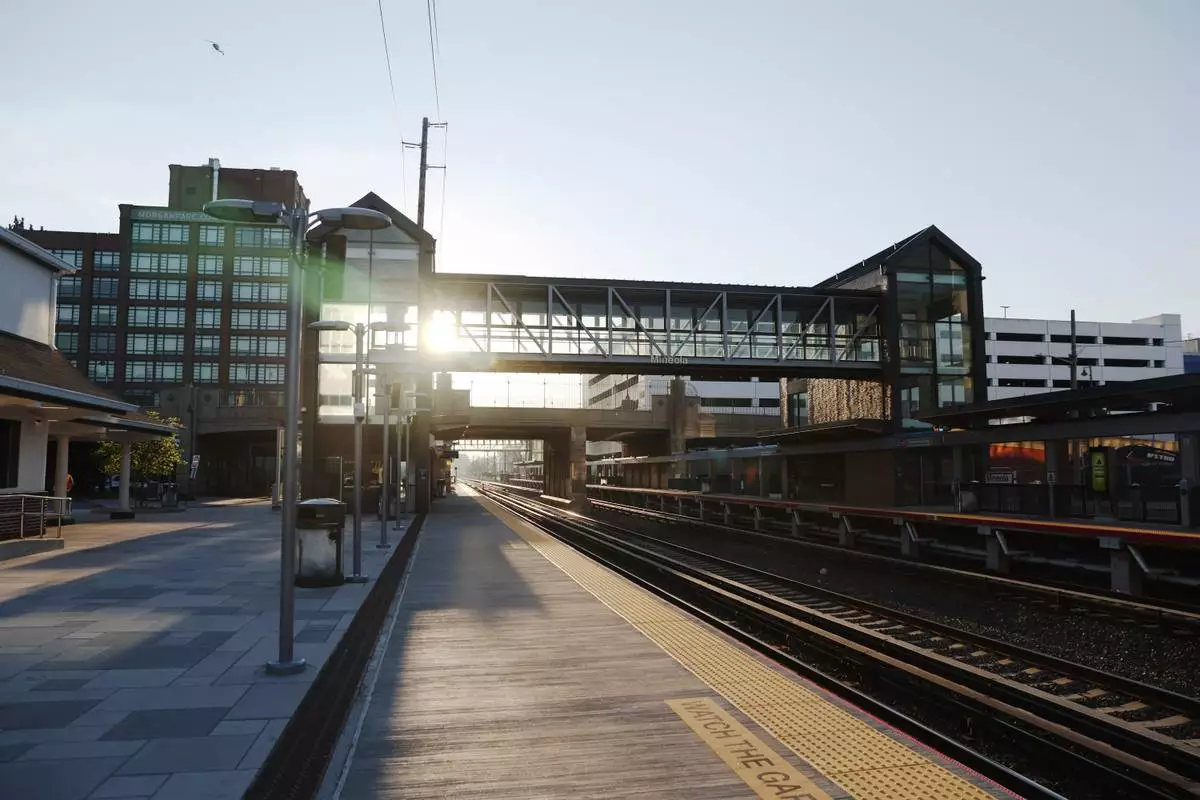
Tracks are empty at Mineola train station as Long Island Rail Road workers enter the third day of their strike, Monday, May 18, 2026, in Mineola, N.Y. (AP Photo/Heather Khalifa)
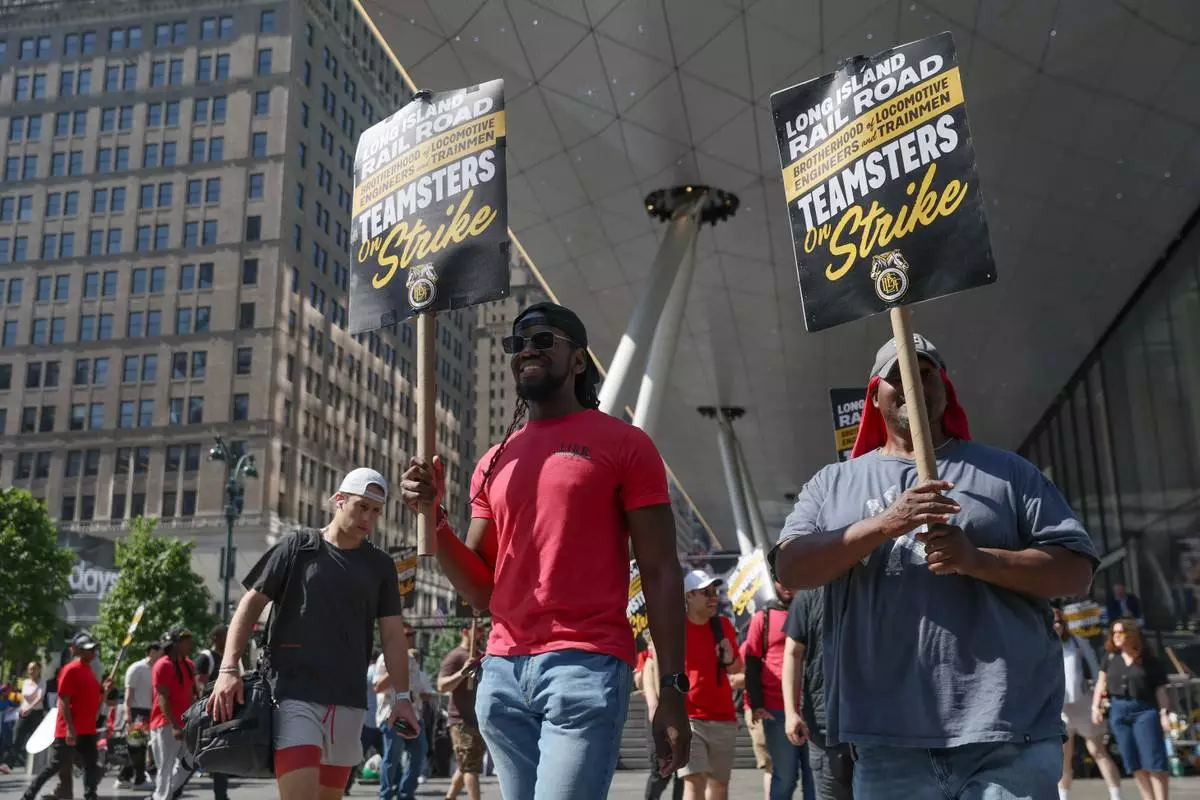
Long Island Rail Road workers walk on the picket line outside of Penn Station on the third day of their strike, Monday, May 18, 2026, in New York. (AP Photo/Heather Khalifa)
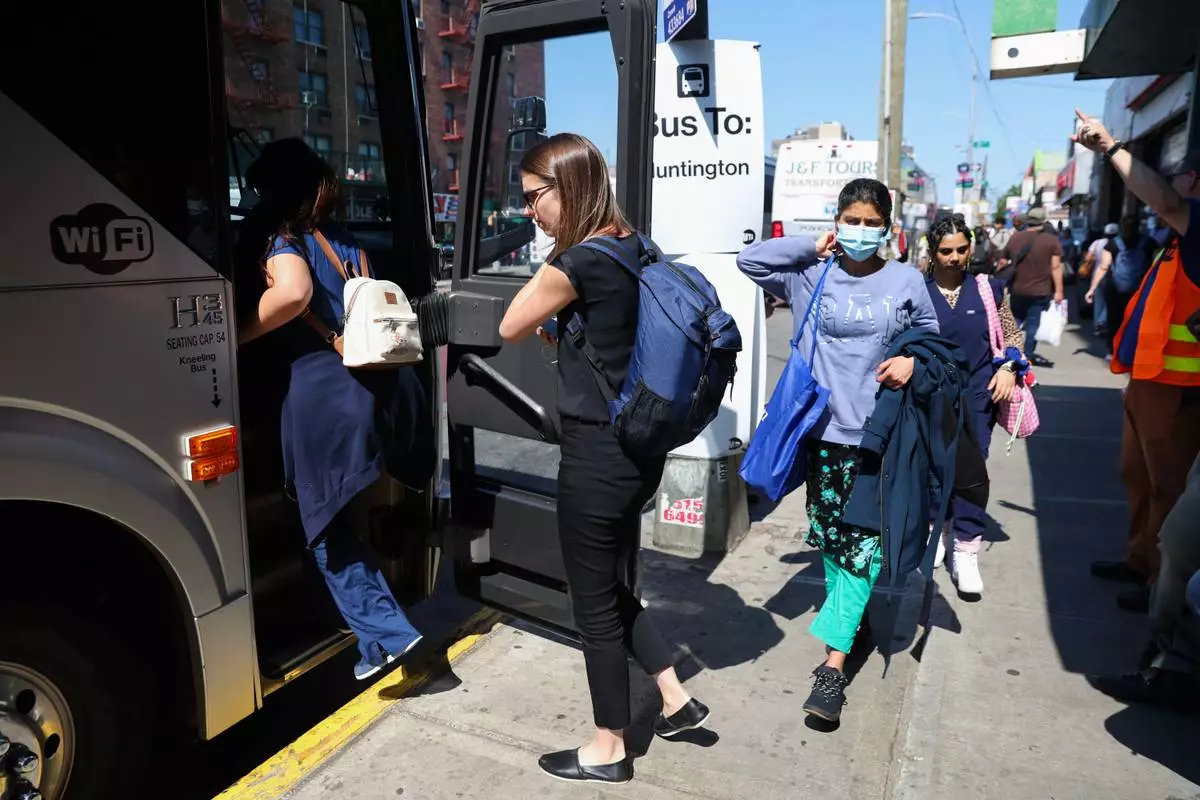
Commuters board buses to Long Island outside of the Jamaica–179th Street station as Long Island Rail Road workers enter the third day of their strike, Monday, May 18, 2026, in New York. (AP Photo/Heather Khalifa)
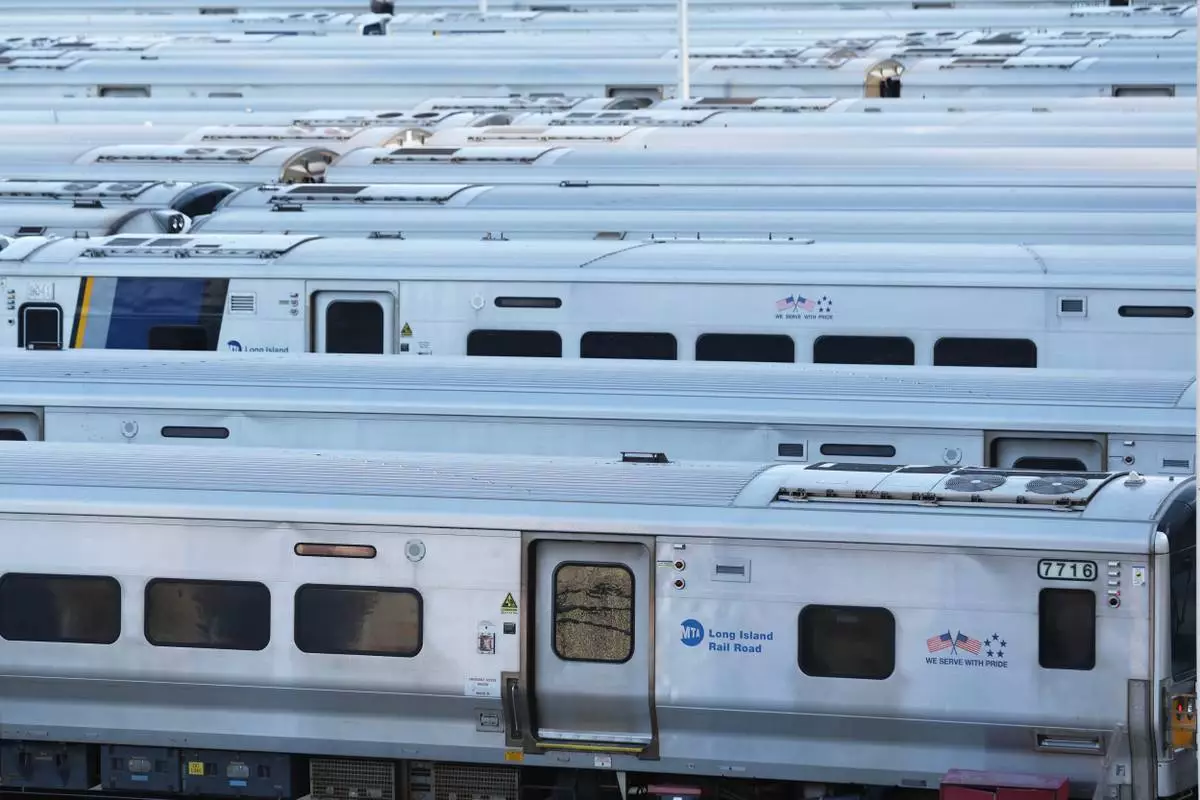
Long Island Rail Road trains sit in the West Side Yard on the first day of a strike, Saturday, May 16, 2026, in New York. (AP Photo/Heather Khalifa)
KINSHASA, Congo (AP) — At least 131 deaths and over 500 suspected cases have been reported in the latest Ebola outbreak in eastern Congo, the Congolese health ministry said Tuesday as the World Health Organization's head expressed concern over the “scale and speed of the epidemic.”
The virus spread undetected for at least a few weeks since the first person died of the virus, health experts and aid workers said, and the delayed response is now complicating efforts to curb the outbreak.
Congo’s health minister, Samuel Roger Kamba, said 513 suspected cases and 131 deaths have been recorded, though he added “these are suspected deaths, and investigations are underway to determine which ones are actually linked to the disease.” The numbers mark a sharp increase from Monday, when officials said there were 300 suspected cases, and highlight the largely unknown scale of the outbreak.
The World Health Organization’s director-general, Tedros Adhanom Ghebreyesus, said he is “deeply concerned about the scale and speed of the epidemic” and the U.N. health agency will convene its emergency committee later Tuesday.
He said the emergence of cases in urban areas, the deaths of healthcare workers, significant population movement in the area and a lack of vaccines and therapeutics are the main reasons for concern “for further spread and further deaths.”
Health authorities say the outbreak, first confirmed Friday, is caused by the Bundibugyo virus, a rare variant of the Ebola disease that has no approved therapeutics or vaccines. The WHO declared the Ebola outbreak a public health emergency of international concern on Sunday.
Cases have been confirmed in Bunia, North Kivu’s rebel-held capital of Goma, Mongbwalu, Butembo, and Nyakunde. There has also been one case and one death reported in Uganda in people who traveled from Congo.
An American doctor is among the cases in Bunia, the capital of Ituri province, said Dr. Jean-Jacques Muyembe, medical director of the country’s National Institute of Bio-Medical Research. Dr. Peter Stafford had been treating patients at a hospital there when he developed symptoms, Serge, the organization he works for, said in a statement.
Three others employees of Serge were working at the same hospital — including Stafford’s wife — but are not showing symptoms.
Congo has said the first person died from the virus on April 24 in Bunia, and the body was repatriated to the Mongbwalu health zone, a mining area with a large population.
“That caused the Ebola outbreak to escalate,” said Kamba, the health minister.
When another person fell ill on April 26, samples were sent to Kinshasa for testing, according to the Africa Centers for Disease Control.
Samples from Bunia were initially tested for the more common type of Ebola, Zaire, Congolese officials said. They came back negative, said Dr. Richard Kitenge, the Health Ministry Incident Manager for Ebola, and local authorities assumed it was not Ebola.
On May 5, the WHO was alerted of about 50 deaths in Mongbwalu, including four health workers, which prompted further tests. The first confirmation of Ebola came on May 14.
Matthew M. Kavanagh, director of the Georgetown University Center for Global Health Policy and Politics said that because of the false negative tests, “we are playing catch-up against a very dangerous pathogen.”
He criticized the Trump administration’s earlier decision to withdraw from the WHO and make deep cuts in foreign aid — “the exact surveillance system meant to catch these viruses early,” he said.
The U.S. State Department pushed aside criticism on Monday, saying that it sprang into action immediately and has already provided $13 million in assistance for the response.
Esther Sterk with the Medecins Sans Frontieres aid group told the AP: “The situation is quite worrying and is evolving pretty quickly. It was detected quite late.” But she said that was often the case with outbreaks of Ebola, which has similar symptoms to other tropical diseases.
Ebola is highly contagious and can be contracted via bodily fluids such as vomit, blood or semen. The disease it causes is rare but severe and often fatal.
During a big Ebola outbreak over a decade ago, which killed over 11,000, many got infected while washing bodies during community funerals.
“Ebola is very much a disease of compassion in that it impacts the people who are more likely to be taking care of sick folks,” said Dr. Craig Spencer, an associate professor at the Brown University School of Public Health who survived Ebola more than a decade ago after contracting the disease in Guinea.
The U.S. CDC says it causes fever, headache, muscle pain, weakness, diarrhea, vomiting, stomach pain and unexplained bleeding or bruising.
The severity of the symptoms and the rising caseload are fueling a growing sense of panic in the neighborhoods of Bunia.
“I know the consequences of Ebola, I know what it’s like,” said Noëla Lumo, a resident of Bunia. She previously lived in Beni, a region hit by former outbreaks. When she heard about the latest outbreak, Lumo began making protective masks by hand.
Ituri’s Mongbwalu is in remote eastern Congo with poor road networks more than 1,000 kilometers (620 miles) from the capital, Kinshasa.
Eastern Congo long has grappled with a humanitarian crisis and the threat of armed groups that have killed dozens and displaced thousands in Ituri in the past year.
U.N. staff have been asked to work from home and avoid physical contact and crowded areas, said a Bunia-based U.N. official, who spoke on condition of anonymity because they were not authorized to speak publicly on the subject.
Ituri has over 273,000 displaced people out of a population of 1.9 million, according to the U.N.
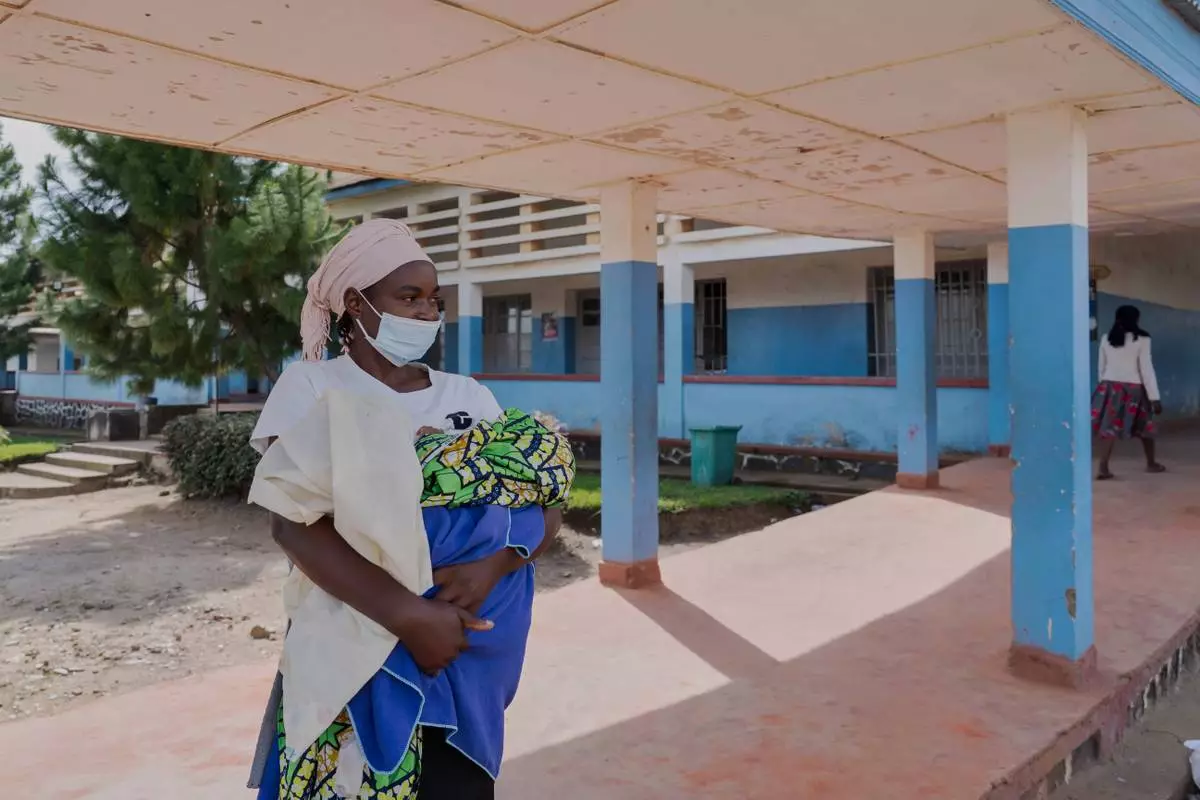
A woman wearing a protective mask stands in the corridor of a hospital in Bunia, Congo, Sunday, May 17, 2026. (AP Photo/ Dirole Lotsima Dieudonne)