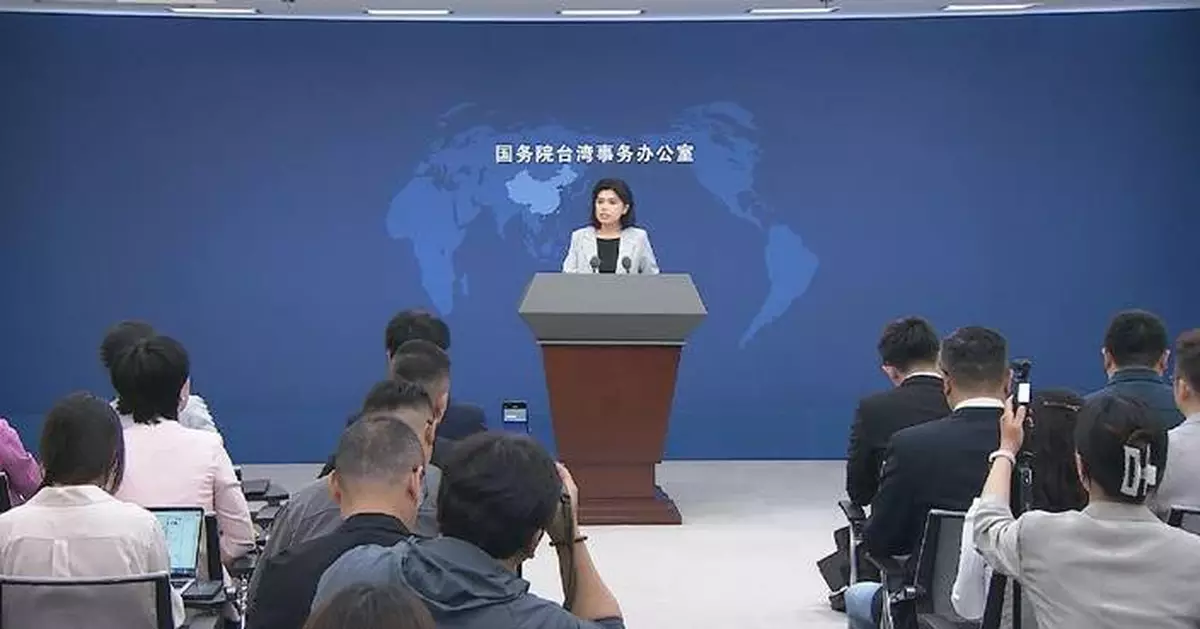
Safeguarding peace and stability across the Taiwan Strait is the biggest common denominator between China and the United States, a Chinese mainland spokeswoman said Wednesday, citing President Xi Jinping's remarks when holding talks with U.S. President Donald Trump in Beijing a week ago.
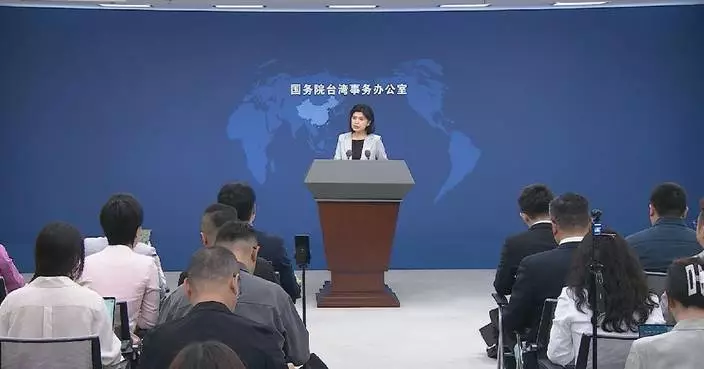
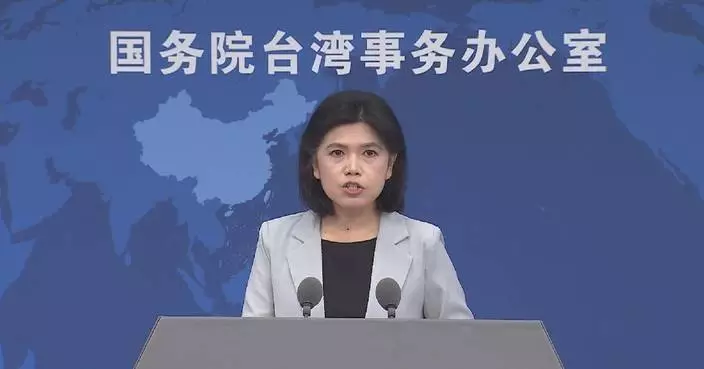
Zhu Fenglian, spokeswoman for the State Council Taiwan Affairs Office, made the statement at a regular news briefing in response to a media query.
"The Taiwan question is one of the key topics of the meeting between the Chinese and U.S. leaders. President Xi Jinping emphasized that the Taiwan question is the most important issue between China and the U.S.. If it is handled properly, the overall relationship will be stable; otherwise, the two countries will face clashes and even conflicts, and the entire relationship will be in great jeopardy. The U.S. must handle the Taiwan question with utmost caution. Xi's remarks provide fundamental guidance for our work on Taiwan," said Zhu.
"The Democratic Progressive Party (DPP) authorities stubbornly adhere to their separatist stance and constantly collude with external forces in provocative actions designed to divide the country, making them the primary source of instability across the Taiwan Strait. Safeguarding peace and stability across the Taiwan Strait is the biggest common denominator between China and the U.S., and the prerequisite for achieving this is that Taiwan separatist forces must never be allowed or tolerated. We hope the U.S. side will adhere to the one-China principle and the three China-U.S. joint communiques, handle the Taiwan question with utmost caution, refrain from sending wrong signals to Taiwan separatist forces, and safeguard the steady development of China-U.S. relations and peace and stability across the Taiwan Strait with concrete actions," she said.
After concluding his state visit to China from May 13 to 15, Trump said in an interview that the United States is not looking to have someone say "let's go independent because the United States is backing us."
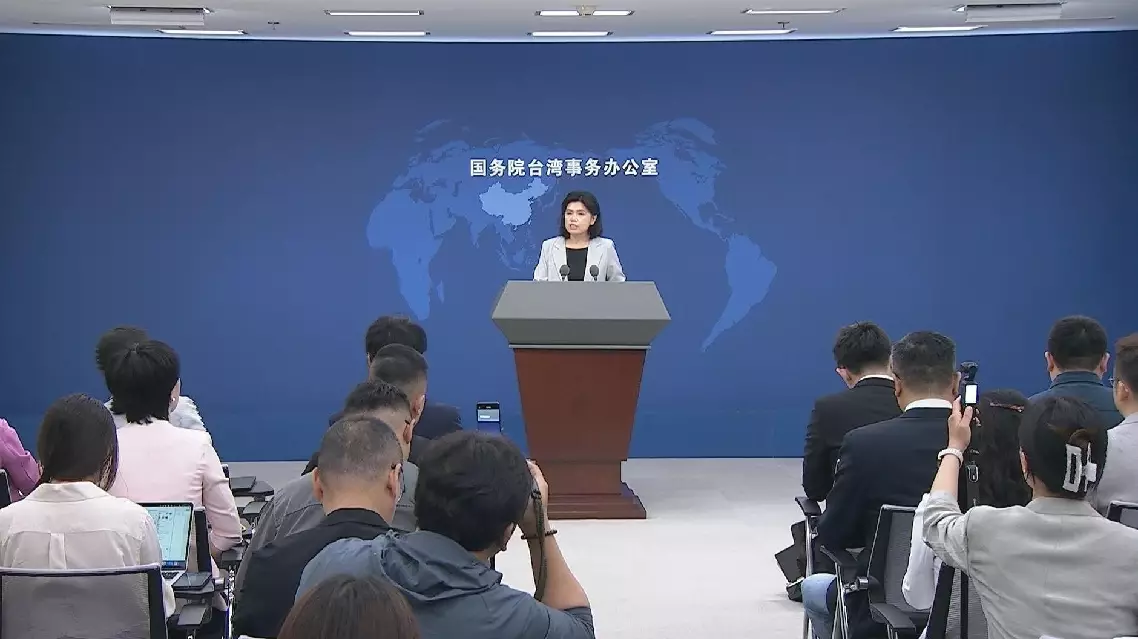
Safeguarding peace, stability across Taiwan Strait is biggest common denominator between China, US: spokeswoman