Concerns over the spread of malaria during the rainy season are mounting in Yemen, where the healthcare system is already struggling after years of conflict, leaving millions of people facing growing difficulties accessing medical care and basic medicine.
As the rainy season arrives, mosquitoes that transmit the disease move more quickly, forcing doctors to race against time to provide care in an overwhelmed healthcare system.
"I was brought from a distant area to the hospital, where the doctors provided me with the necessary care, and thank God, my condition has improved. Some medicines are available at the hospital, but others are not, so we have to buy them from outside pharmacies. The prices of these medicines are high for us, and we cannot afford them easily because of the difficult living conditions," said Ahmed Al-Haddad, a malaria patient.
Yemen is witnessing an alarming rise in malaria cases. According to the World Health Organization, about 24 million Yemenis -- nearly 64 percent of the population -- live in areas at high risk of malaria transmission.
"At Al-Jomhouri Hospital's emergency department, we receive many fever cases every day. Since the beginning of this year, we have been receiving many malaria cases. Malaria is transmitted through mosquitoes, which carry the disease from an infected person to a healthy person. Therefore, prevention depends on avoiding mosquito bites. The danger of malaria is that it can lead to several serious complications, including cerebral malaria. It can also cause an enlarged spleen and several other problems in the body," said Osama Al-Manbari, a doctor at the emergency department of Al-Jomhouri Hospital.

Malaria outbreak worsens in Yemen as rainy season arrives

Malaria outbreak worsens in Yemen as rainy season arrives

Malaria outbreak worsens in Yemen as rainy season arrives
Yemen's Houthi group said Sunday it had carried out four missile and drone operations against airports and energy facilities across Saudi Arabia over the past 24 hours, as cross-border hostilities continued to intensify.
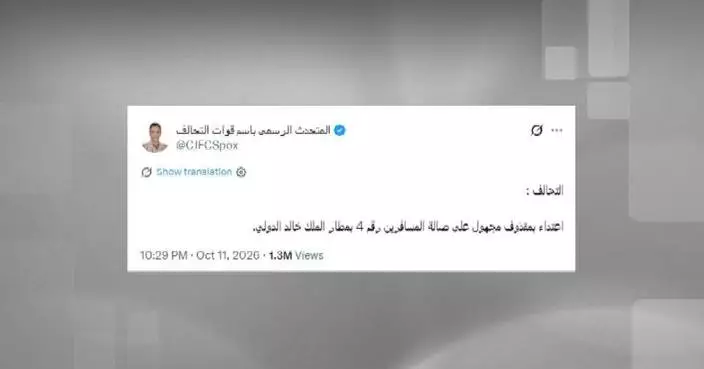
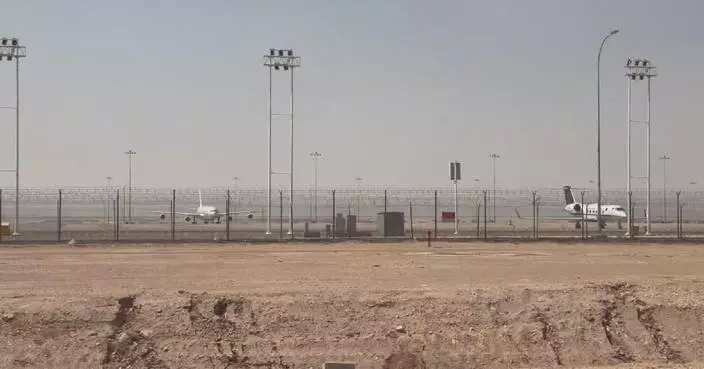
The operations targeted King Khalid International Airport in the Saudi capital Riyadh, King Fahd International Airport near Dammam in the Eastern Province, and two facilities operated by Saudi energy giant Aramco, Houthi military spokesperson Yahya Sarea said in a televised statement broadcast by the Houthi-run al-Masirah TV.
Sarea said the first operation targeted King Khalid International Airport in three waves beginning Saturday evening, claiming the strikes disrupted air traffic and forced the airport to close.
The second targeted Aramco's Shedgum gas facility in the Eastern Province, he said, claiming a "direct hit," which caused a large fire. He added that the third operation targeted Aramco's Tanajib facility in the Eastern Province, while the fourth targeted King Fahd International Airport near Dammam.
Separately, Sarea said Houthi forces launched six ballistic missiles and two drones at what he described as Saudi military gatherings in areas of the southern Yemeni province of Lahj, claiming the strikes caused dozens of casualties. He also said Houthi forces fired locally manufactured surface-to-air missiles at Saudi warplanes, forcing them to retreat.
Sarea said the operations came in response to intensified Saudi airstrikes across Yemen. He claimed Saudi warplanes had carried out 124 strikes over the previous 24 hours targeting the capital Sanaa and the provinces of Taiz, Marib, Al-Jawf, Hajjah, Hodeidah and Saada.
The latest claims come amid a sharp escalation in the Yemen conflict, with intensified Saudi air operations against Houthi-held areas accompanying repeated Houthi missile and drone attacks on targets inside Saudi Arabia, including airports and energy facilities.
Yemen has been mired in conflict since late 2014, when the Houthis seized Sanaa and much of the country's north. A Saudi-led coalition intervened in 2015 in support of the internationally recognized government, now based in Aden.
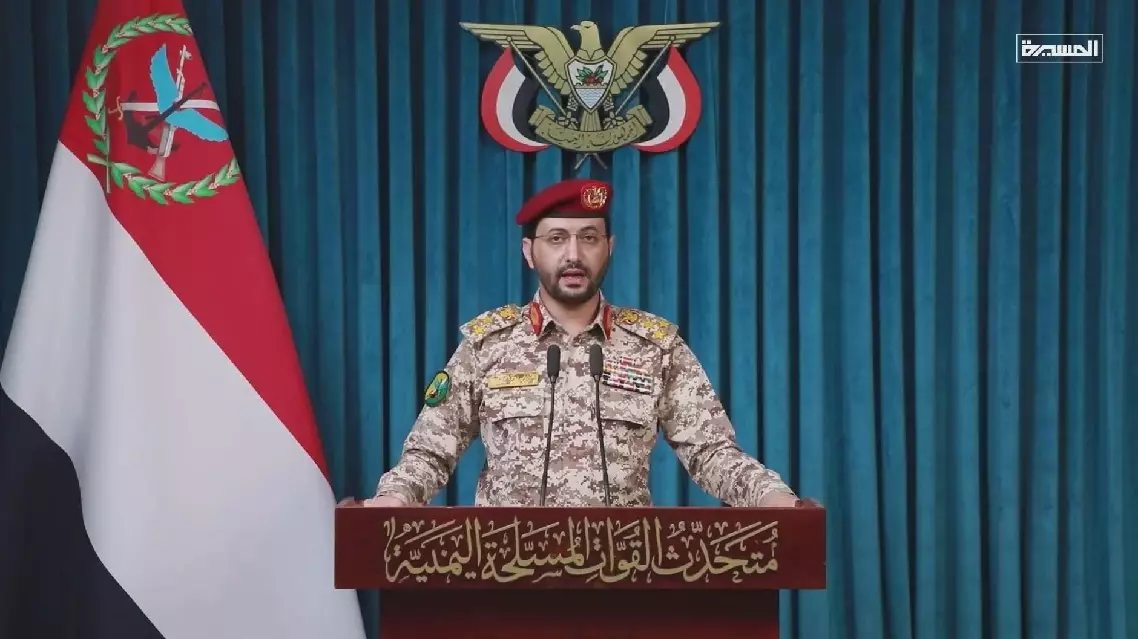
Yemen's Houthis claim missile, drone attacks on Saudi airports, energy facilities