
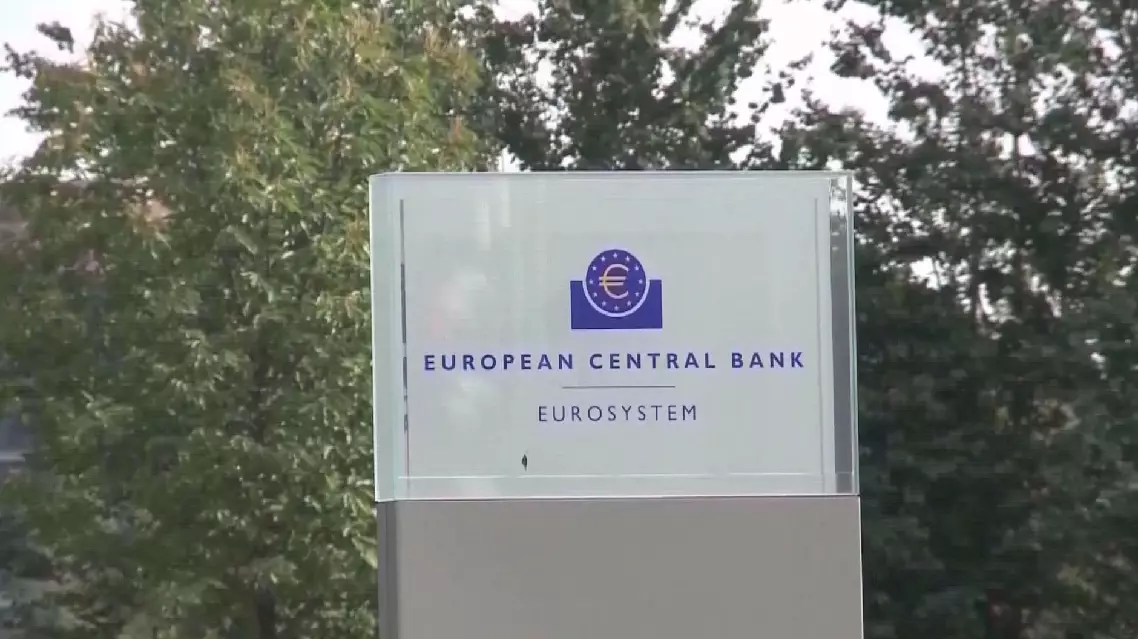
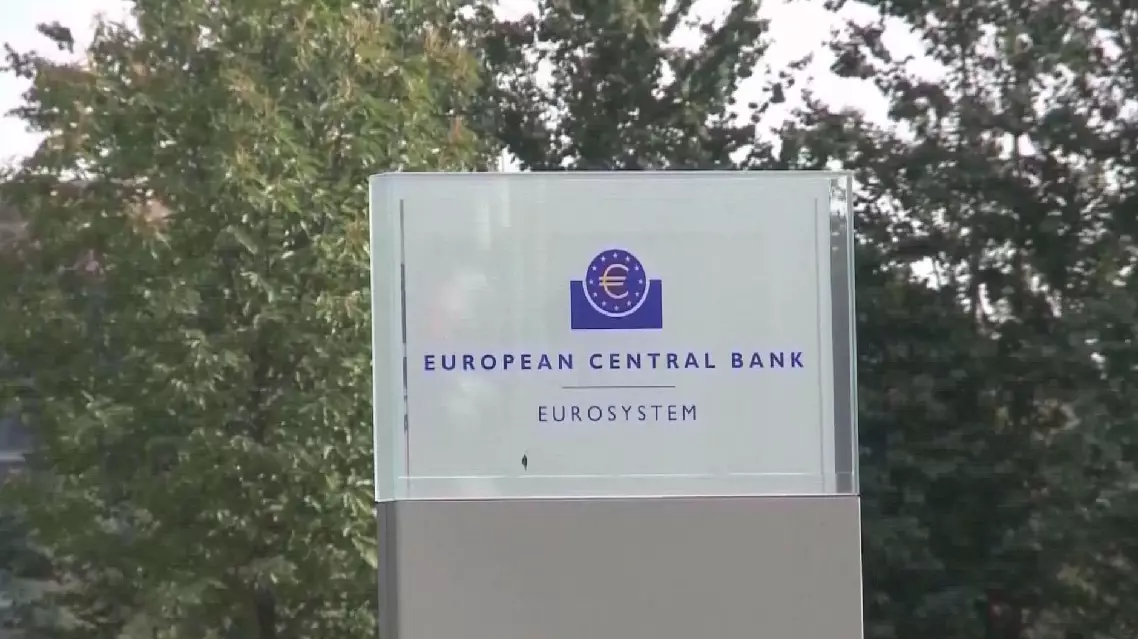
The Iran war has triggered a major geoeconomic shock, which will shape the outlook of the euro area financial stability, the European Central Bank said on Wednesday.
"While the full impact of the war is unclear at this stage, the repercussions for the global economy and financial stability are becoming graver the longer it lasts," said ECB Vice President Luis de Guindos in the Financial Stability Review published on Wednesday.
"Prolonged geopolitical tensions and lingering fiscal challenges could test financial market sentiment and expose sovereign vulnerabilities," said the review.
The war is putting the resilience of the economic growth, which "surprised on the upside" at the turn of the year 2025-2026, to the test, de Guindos said.
The Iran war has brought a noticeable impact on the economy as global supply of energy and other commodities has been disrupted, growth prospects dented and energy prices elevated.
ECB chief Christine Lagarde noted at a press conference last month that the central bank will keep a close eye on incoming information to better assess the severity and duration of the fallout of the war.
De Guindos repeated that the energy supply shock poses upside risks to inflation and downside risks to economic growth.
"It could also increase market volatility and challenge debt servicing capacities as financing costs rise in an environment of weaker economic growth," said the ECB official.
At a time of heightened geoeconomic stress and uncertainty, de Guindos warned that financial asset prices, which "look stretched", leave markets vulnerable to sharp repricing.
In its staff macroeconomic projections published in March, the ECB revised the short-term growth outlook down. An ECB survey showed that consumers in the euro area in March were expecting markedly higher inflation after the breakout of the Iran war.
Euro area financial stability overshadowed by Iran war: ECB
Euro area financial stability overshadowed by Iran war: ECB
Euro area financial stability overshadowed by Iran war: ECB