Skip to Content Facebook Feature Image

Travel with Bastille | Qinghai-Tibet Plateau Wildlife Park: See how Snow Leopards Start Their New Lives

China

China

China

Travel with Bastille | Qinghai-Tibet Plateau Wildlife Park: See how Snow Leopards Start Their New Lives

2026-06-04 09:00

For those hoping to catch a glimpse of rare high-altitude wildlife, the Qinghai-Tibet Plateau Wildlife Park, also known as the Qinghai Wildlife Rescue and Breeding Center in Xining, Qinghai, is an ideal destination. Its star residents include snow leopards, Pallas's cats, and Tibetan foxes. Though it bears the name of a zoo, the park functions more as a rescue center. Every animal here has a reason for staying, and behind each lies a story tinged with both joy and tears.

Qinghai-Tibet Plateau Wildlife Park, Photo by Bastille Post
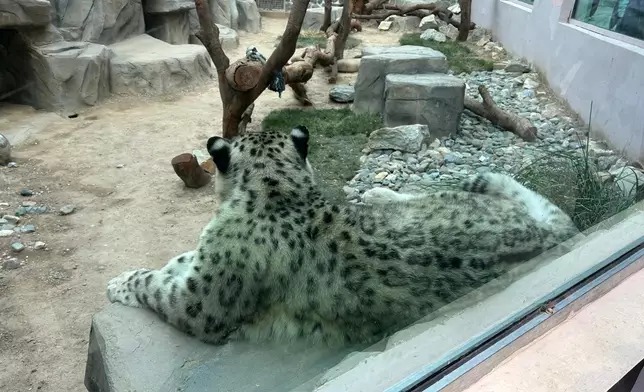
Qinghai-Tibet Plateau Wildlife Park, Photo by Bastille Post

When it comes to the most iconic species of the Qinghai-Tibet Plateau, the snow leopard would likely be the first that comes to mind. Known as the "King of the Snow Mountains," it inhabits snow-covered terrain at elevations of 3,000 to 5,000 meters and can endure temperatures as low as -40°C. The global snow leopard population is estimated at just 4,000 to 6,500 individuals, of which around 1,200 live in Qinghai Province.

More Images
Qinghai-Tibet Plateau Wildlife Park, Photo by Bastille Post

Qinghai-Tibet Plateau Wildlife Park, Photo by Bastille Post

The snow leopard rescued by the park, Photo by Bastille Post
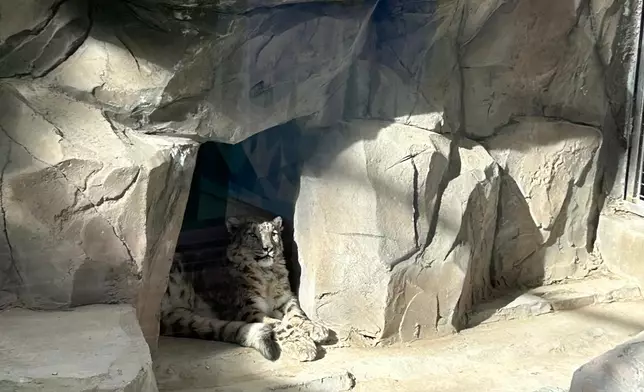
The snow leopard rescued by the park, Photo by Bastille Post

The snow leopard rescued by the park, Photo by Bastille Post

The snow leopard rescued by the park, Photo by Bastille Post

Qi Xinzhang, head of the Department of Science Popularization and International Exchange of the park (the man in black in front of the board), Photo by Bastille Post
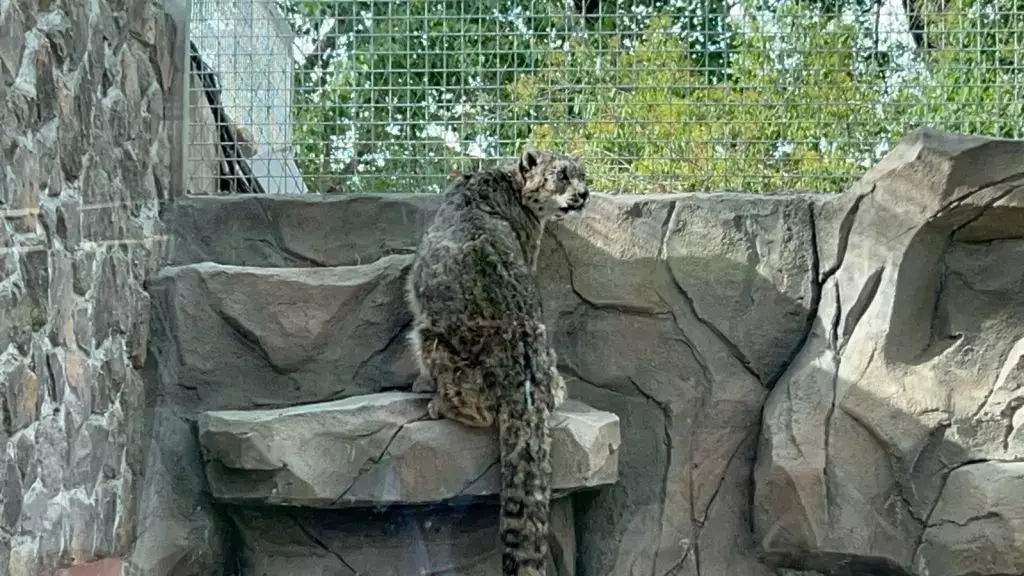
Qi Xinzhang, head of the Department of Science Popularization and International Exchange of the park (the man in black in front of the board), Photo by Bastille Post

The snow leopard rescued by the park, Photo by Bastille Post
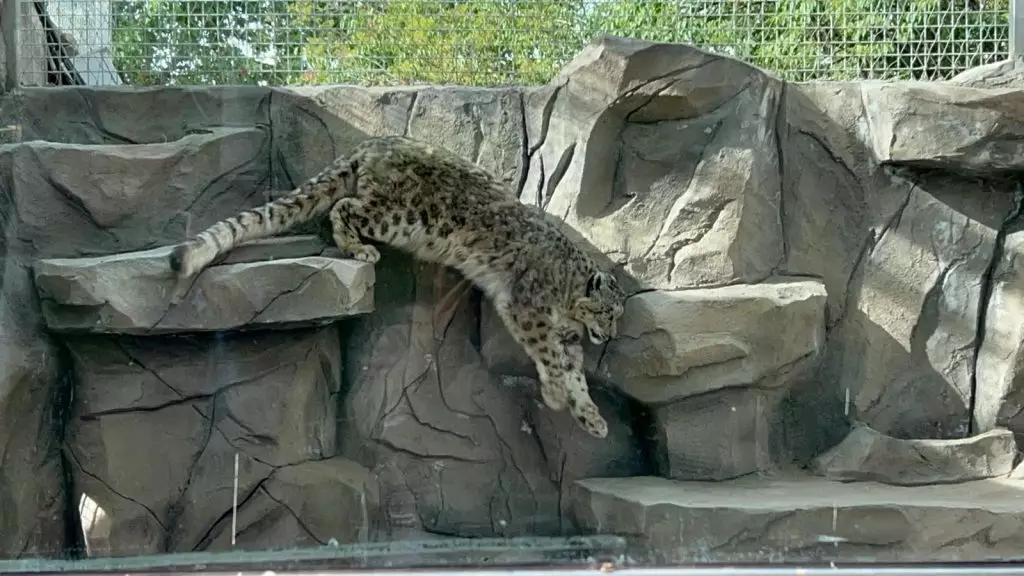
The snow leopard rescued by the park, Photo by Bastille Post
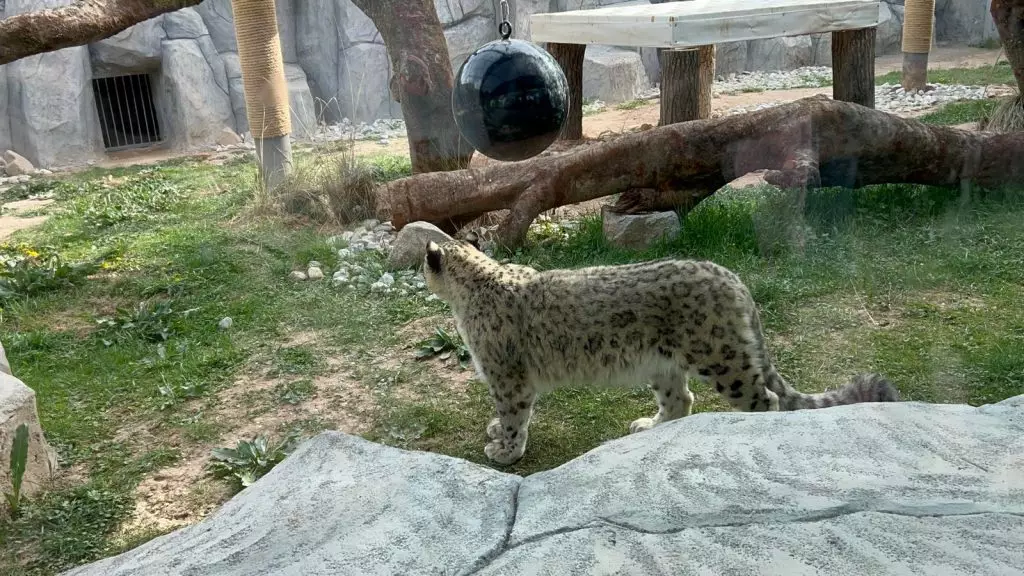
The snow leopard rescued by the park, Photo by Bastille Post
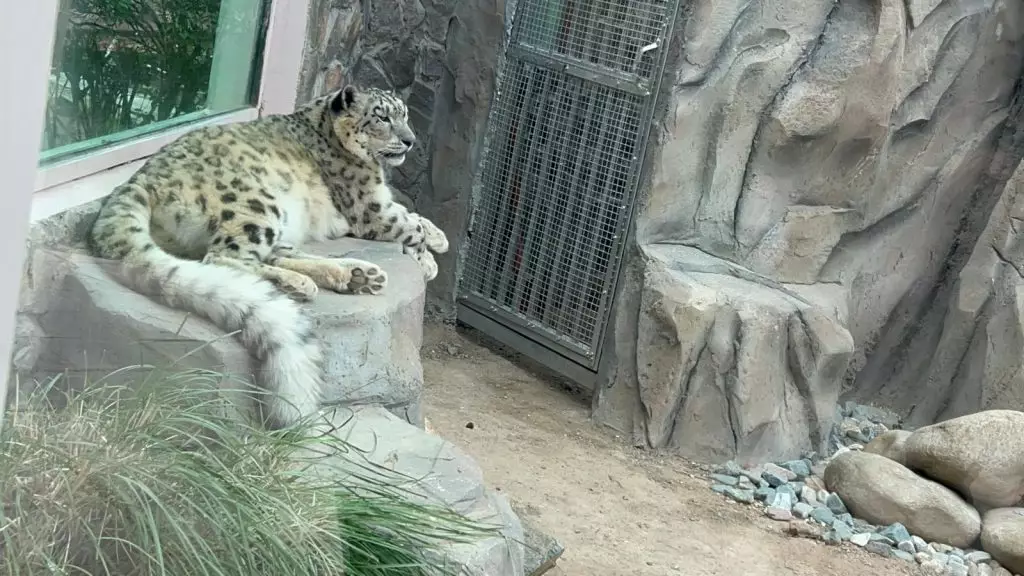
The snow leopard rescued by the park, Photo by Bastille Post
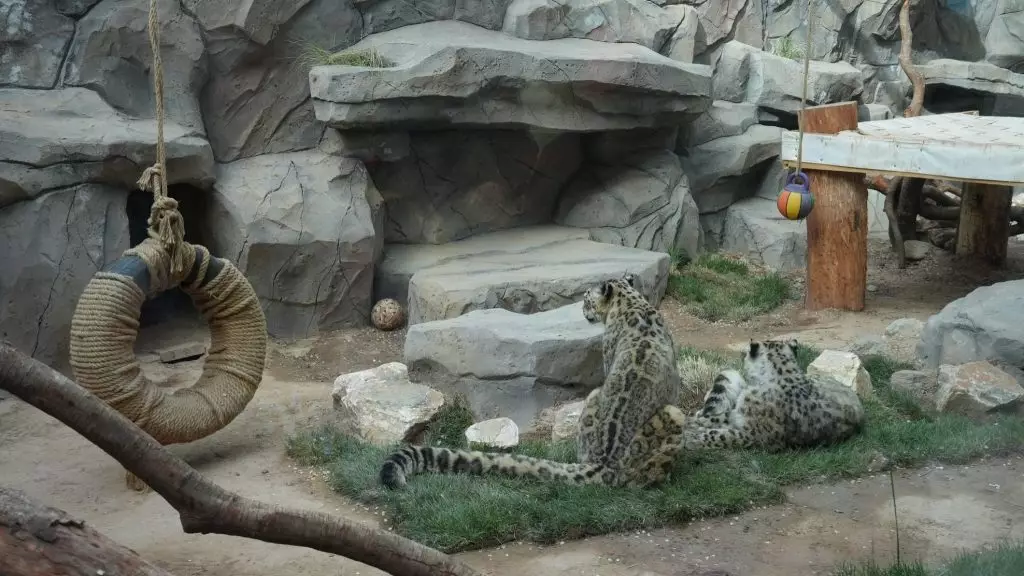
The snow leopard rescued by the park, Photo by Bastille Post
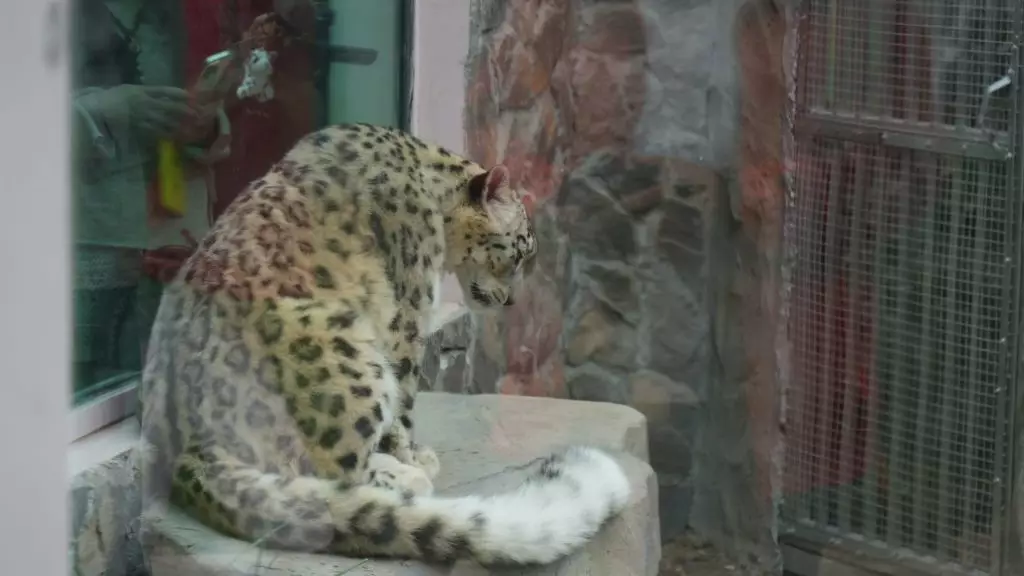
The snow leopard rescued by the park, Photo by Bastille Post
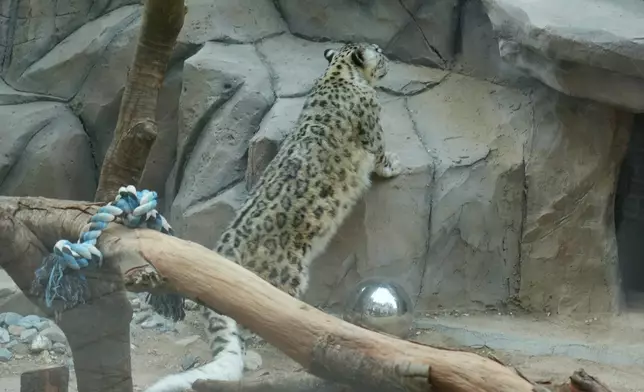
The snow leopard rescued by the park, Photo by Bastille Post
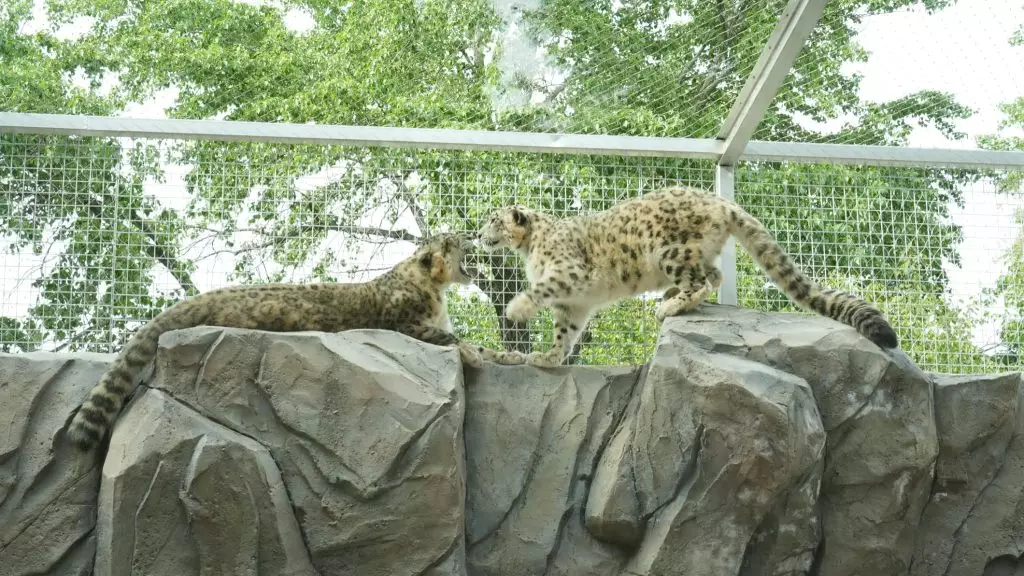
The snow leopard rescued by the park, Photo by Bastille Post
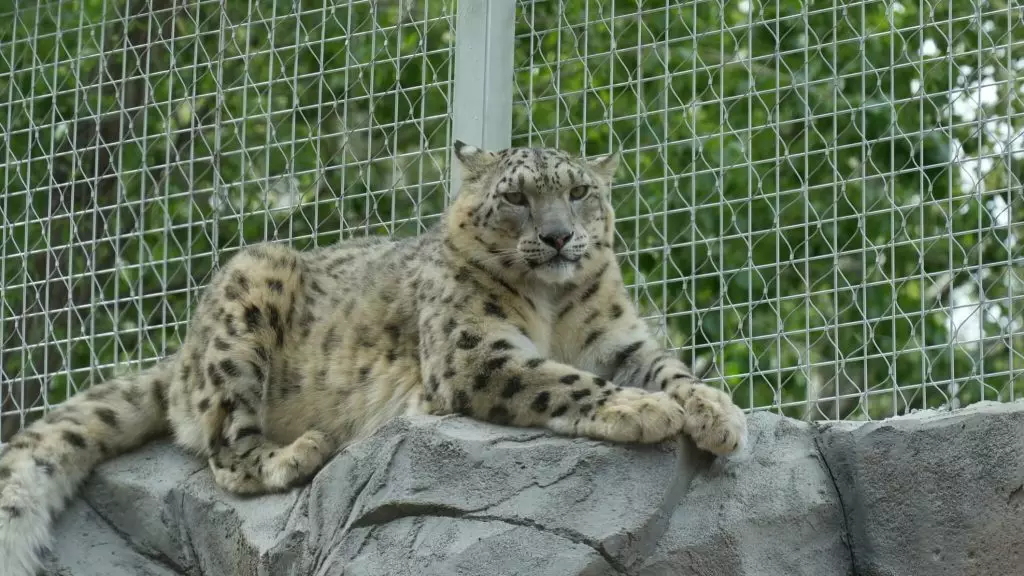
The snow leopard rescued by the park, Photo by Bastille Post
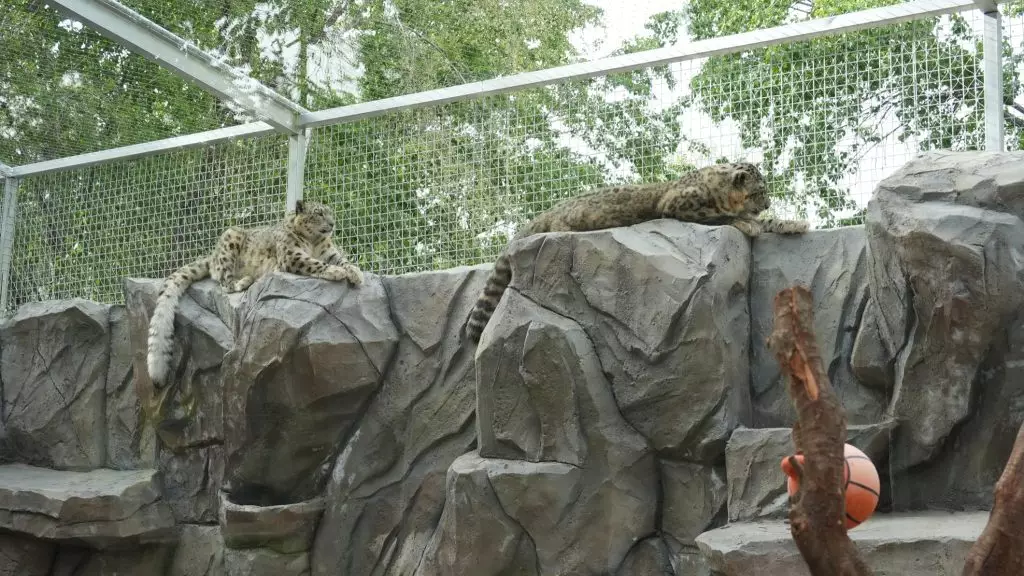
The snow leopard rescued by the park, Photo by Bastille Post
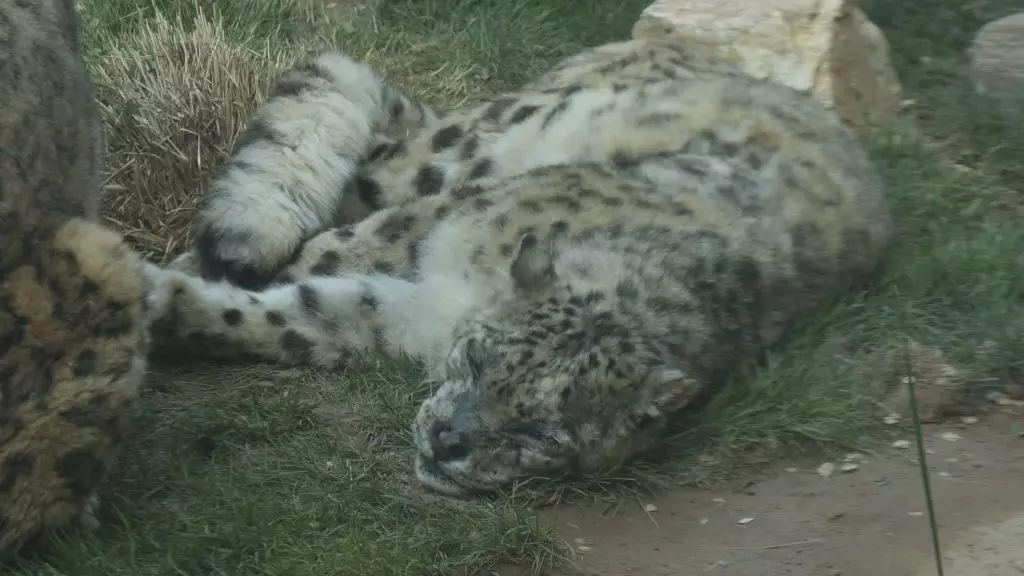
The snow leopard rescued by the park, Photo by Bastille Post
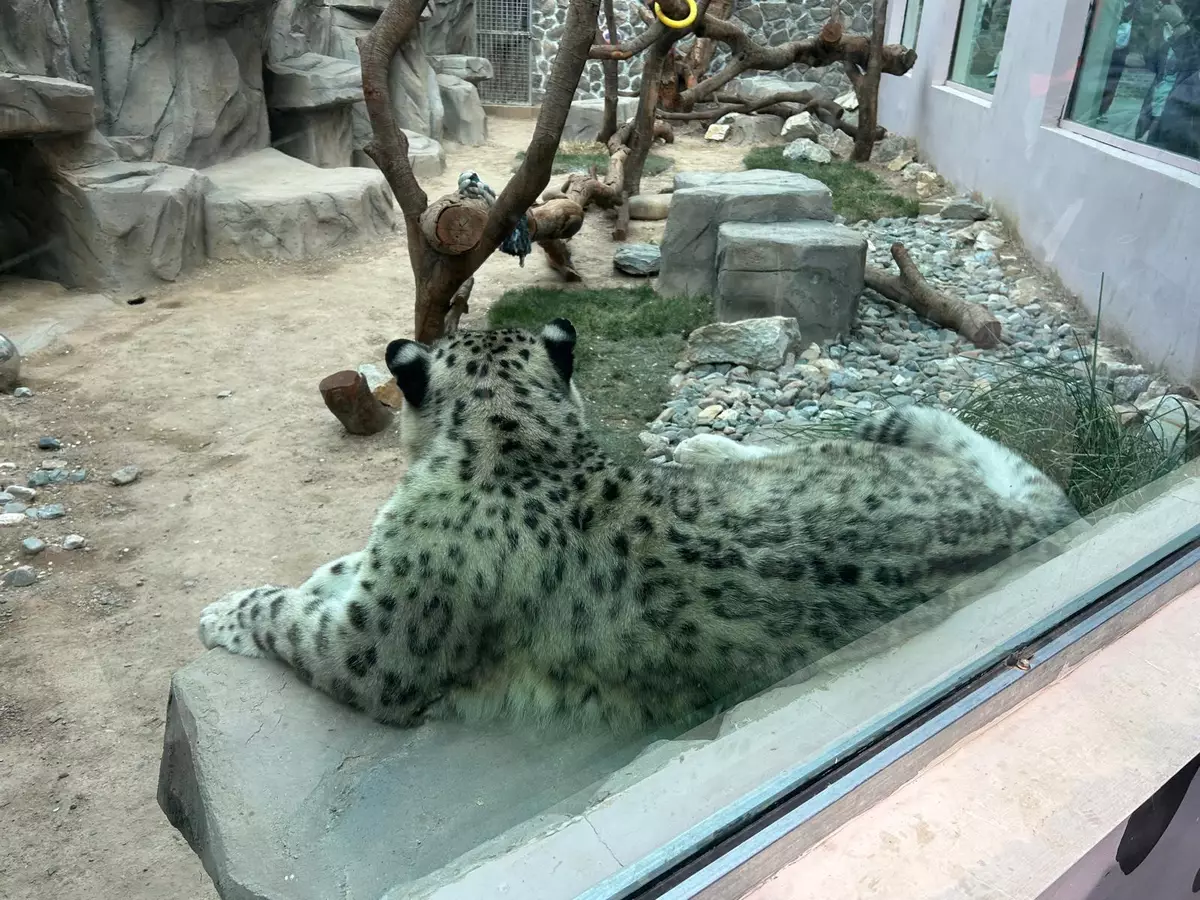
The snow leopard rescued by the park, Photo by Bastille Post
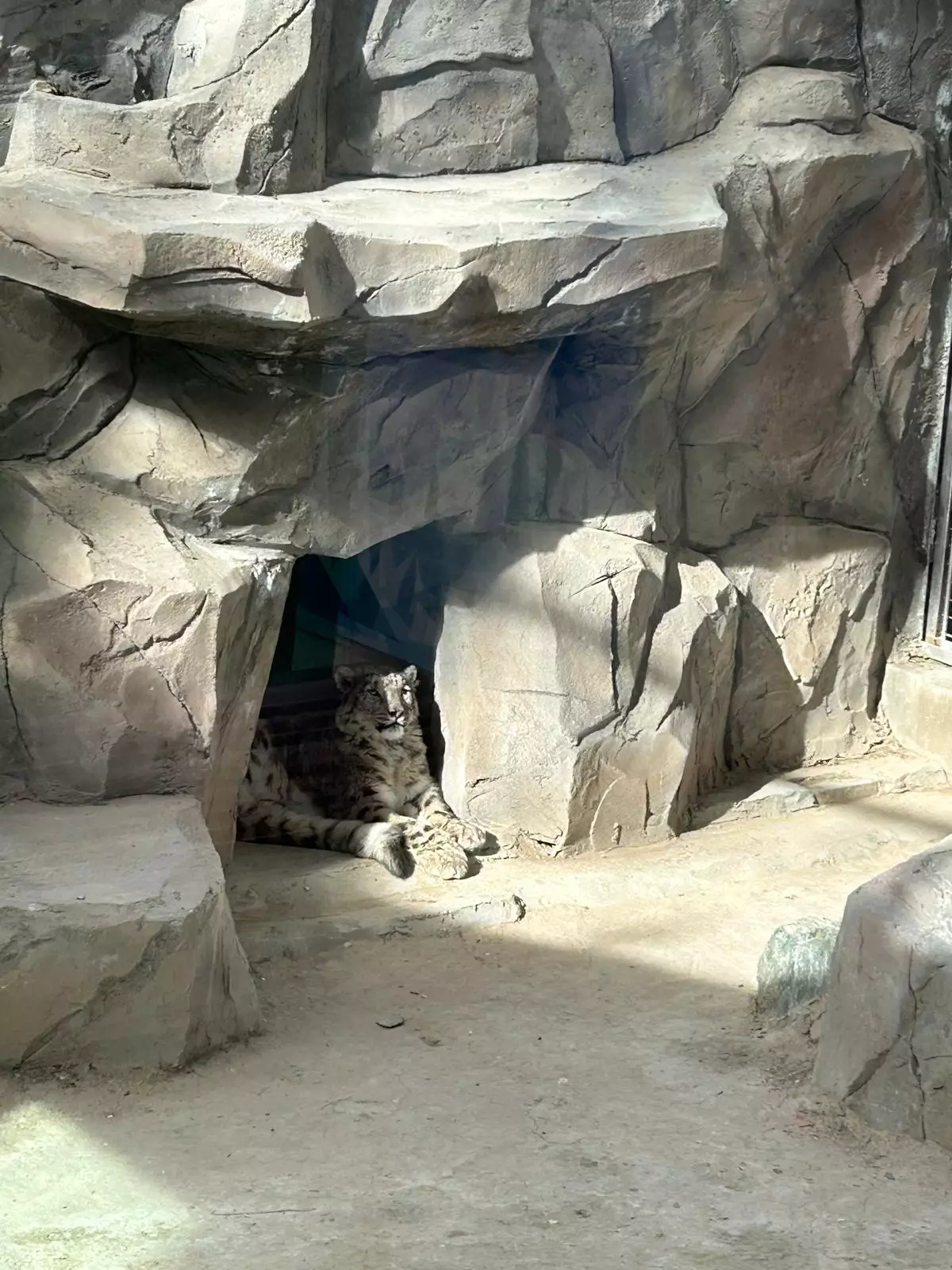
The snow leopard rescued by the park, Photo by Bastille Post

The snow leopard rescued by the park, Photo by Bastille Post

The snow leopard rescued by the park, Photo by Bastille Post

The snow leopard rescued by the park, Photo by Bastille Post

The snow leopard rescued by the park, Photo by Bastille Post

The snow leopard rescued by the park, Photo by Bastille Post

The snow leopard rescued by the park, Photo by Bastille Post

The snow leopard rescued by the park, Photo by Bastille Post

The snow leopard rescued by the park, Photo by Bastille Post

The snow leopard rescued by the park, Photo by Bastille Post

The snow leopard rescued by the park, Photo by Bastille Post

The snow leopard rescued by the park, Photo by Bastille Post

The snow leopard rescued by the park, Photo by Bastille Post

The snow leopard rescued by the park, Photo by Bastille Post

Since 2017, every snow leopard rescued by the park's hospital has received a name containing the Chinese character "Ling", such as Ling Shuang, Ling Xia, Ling Xiaozhe, Ling Bufu, and Ling Xiaoxiao. Qi Xinzhang, head of the Department of Science Popularization and International Exchange of the park, explained that "Ling" carries dual meanings in Chinese: ice and snow, and overcoming obstacles. Since every rescued snow leopard has encountered a hurdle in life, the staff hopes their names can help them overcome it.

Qi Xinzhang, head of the Department of Science Popularization and International Exchange of the park (the man in black in front of the board), Photo by Bastille Post

Qi Xinzhang, head of the Department of Science Popularization and International Exchange of the park (the man in black in front of the board), Photo by Bastille Post

Ling Xiaozhe: A Strong Will to Survive

The park has so far rescued over a dozen snow leopards, some of which have been successfully released into the wild. Those that remain all have their reasons.

Qi Xinzhang joked that they "earned their positions in the park through their own efforts." The most famous among them is Ling Xiaozhe, named after the time of its discovery last March, around the solar term Jingzhe (Awakening of Insects). When found, Ling Xiaozhe was near death, unable to stand or turn over. Qi described it as "little more than a skinny shell."

The snow leopard rescued by the park, Photo by Bastille Post

The snow leopard rescued by the park, Photo by Bastille Post

In the freezing March of Qinghai, Ling Xiaozhe was placed in a temperature-controlled oxygen chamber. Veterinarians even warmed the medication before administering it intravenously. Despite being on the brink of death, Ling Xiaozhe had a strong will to live. After a week of intensive care, its condition began to improve. It went from lying flat to crouching, with limbs regaining strength to crawl short distances. When staff placed a piece of meat half a meter away from it, it could crawl laboriously to eat it."If it can eat," Qi said, "its life is saved."

The snow leopard rescued by the park, Photo by Bastille Post

The snow leopard rescued by the park, Photo by Bastille Post

Since snow leopards are cliff hunters, Ling Xiaozhe is believed to have fallen from a great height, suffering nerve damage. Prolonged contact with humans has also left it with a distorted understanding of human-animal relationships. Given these factors, releasing it back into the wild would be a major challenge. Fortunately, Ling Xiaozhe seems to have adapted well to zoo life. Spending its days here, watching humans and the sky, may not be such a bad fate for it.

Ling Shuang: Hunter Without the Hunt

The snow leopard Ling Shuang, named after being rescued around the time of Shuangjiang (Frost's Descent), had suffered from hypocalcemia caused by prolonged starvation, leading to muscle weakness and paralysis. When rescued, she weighed just 18 kg, less than half the normal weight of an adult female snow leopard (30–45 kg). After treatment, Ling Shuang fully regained her mobility in just 12 days.

The snow leopard rescued by the park, Photo by Bastille Post

The snow leopard rescued by the park, Photo by Bastille Post

But being able to move doesn't mean being able to hunt. To test whether Ling Shuang could be returned to the wild, the park's staff conducted two tests, the results of which were both amusing and disheartening.

The first time, they gave Ling Shuang a small lamb. She spent 30 hours trying to kill it, but couldn't bring herself to bite down. When Qi pulled the lamb out, its body was "covered in wounds, but completely unharmed."

The snow leopard rescued by the park, Photo by Bastille Post

The snow leopard rescued by the park, Photo by Bastille Post

"You could see injuries all over the lamb," Qi said, exasperated. "But there were no deep wounds, meaning Ling Shuang just couldn't bite through." Finally, Qi had to take a knife and cut several openings in the lamb before Ling Shuang could eat.

The second time, Qi gave her an even smaller lamb, only 18 kg, while Ling Shuang now weighed 24.5 kg. After another 40 hours of struggle, she still couldn't kill it. This time, the lamb escaped from her paws without a single scratch, lively and energetic.

Frustrated, Qi had to accept the truth: Ling Shuang lacked the skills to survive in the wild. She would stay in the zoo for life.

The snow leopard rescued by the park, Photo by Bastille Post

The snow leopard rescued by the park, Photo by Bastille Post

Ling Xia: Timid, But Not Afraid of People

The snow leopard Ling Xia was found by a herdsman after it wandered onto his pasture and killed a calf. Unable to tear through the hide, the leopard refused to leave and showed no fear of humans. The herdsman tried to shoo it away, even kick it, but Ling Xia wouldn't budge. Unable to hunt effectively, Ling Xia's condition deteriorated, leading to its rescue.

The snow leopard rescued by the park, Photo by Bastille Post

The snow leopard rescued by the park, Photo by Bastille Post

The park's examinations revealed that Ling Xia not only lacked fear of people but also had a congenital heart condition. Even a small ball could startle it. Since the wild was no place for such a fragile predator, the park had to keep it.
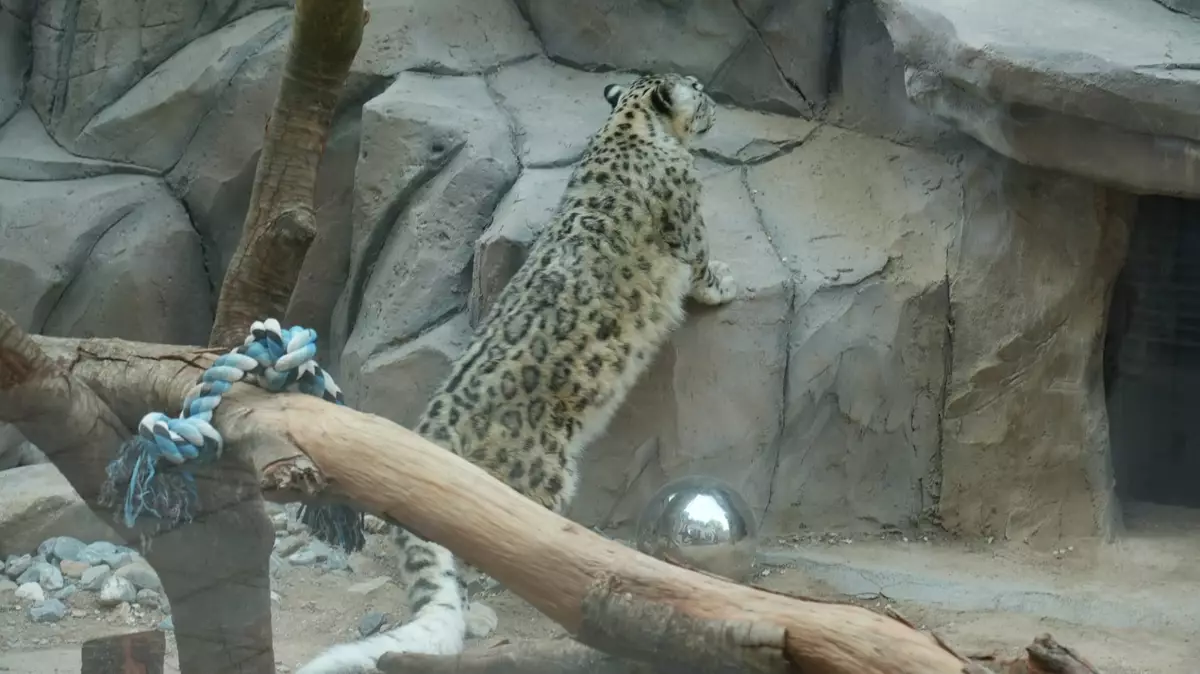
The snow leopard rescued by the park, Photo by Bastille Post

The snow leopard rescued by the park, Photo by Bastille Post

Ling Xiaoxiao: From Blind to Bright

Ling Xiaoxiao suffered from low blood sugar due to prolonged fasting. Later, a cataract was found in its right eye, severely impairing its vision.

The snow leopard rescued by the park, Photo by Bastille Post

The snow leopard rescued by the park, Photo by Bastille Post

The park's staff performed cataract surgery for it. After more than 50 days of post-operative care, its eye appeared normal, with no visual impairment. The treatment was a success, and Ling Xiaoxiao is now in good health.

The snow leopard rescued by the park, Photo by Bastille Post

The snow leopard rescued by the park, Photo by Bastille Post

The snow leopard rescued by the park, Photo by Bastille Post

The snow leopard rescued by the park, Photo by Bastille Post

Ling Bufu: A Face Remade

When rescued, the snow leopard Ling Bufu had severe facial injuries. Malnourished and weighing just 26.9 kg, it had extensive skin necrosis on its face caused by infection and suppuration.

Preliminary analysis suggested the injury began with a fractured sternum in the wild. Unable to hunt, Ling Bufu grew weak and emaciated. Having no choice but to steal yaks from herders, it was attacked by a yak and suffered deep facial wounds since it was too weak to fight back.

The snow leopard rescued by the park, Photo by Bastille Post

The snow leopard rescued by the park, Photo by Bastille Post

After a month of treatment, its facial infection was under control. However, considering the wounds were large, complex, and irregularly shaped, and they would not heal on their own, the park brought in a professional team to perform "plastic surgery" on Ling Bufu. After the surgery, its remade face looked slightly defiant, as if challenging the world — the meaning of "Bufu" in Chinese — which gave the leopard its name.

In just seven days, the reporter visited three of Qinghai's most stunning lakes: Qinghai Lake, Chaka Salt Lake, and Emerald Lake. Each has its own personality. At Qinghai Lake, the birds can spot a biscuit in your hand from a mile away. At Chaka, the water will leave you crusted in salt. And at Emerald Lake, the Tiffany blue is so breathtaking you won't want to blink. If you're looking for a route that serves up one dazzling lake after another, this one delivers.

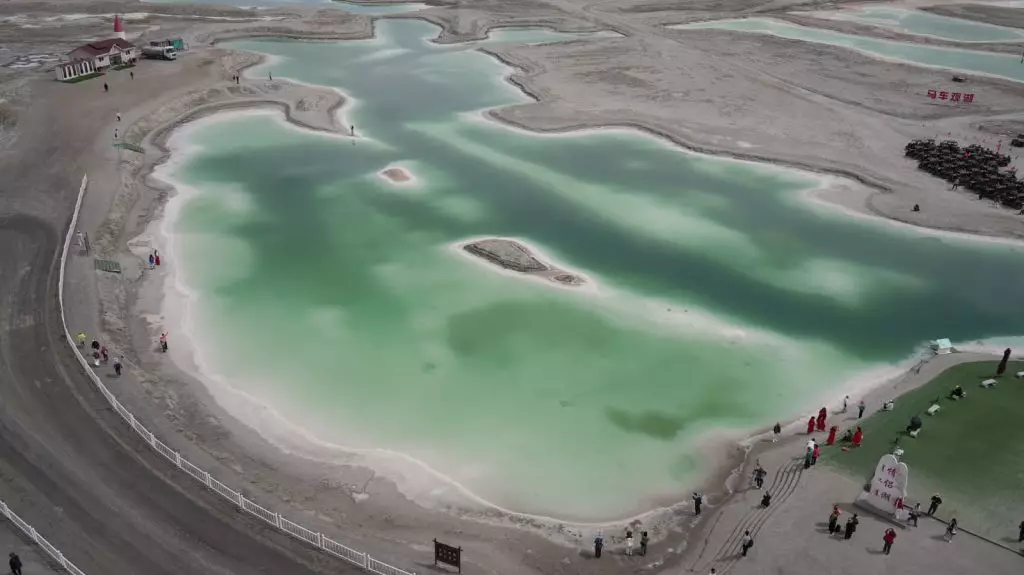
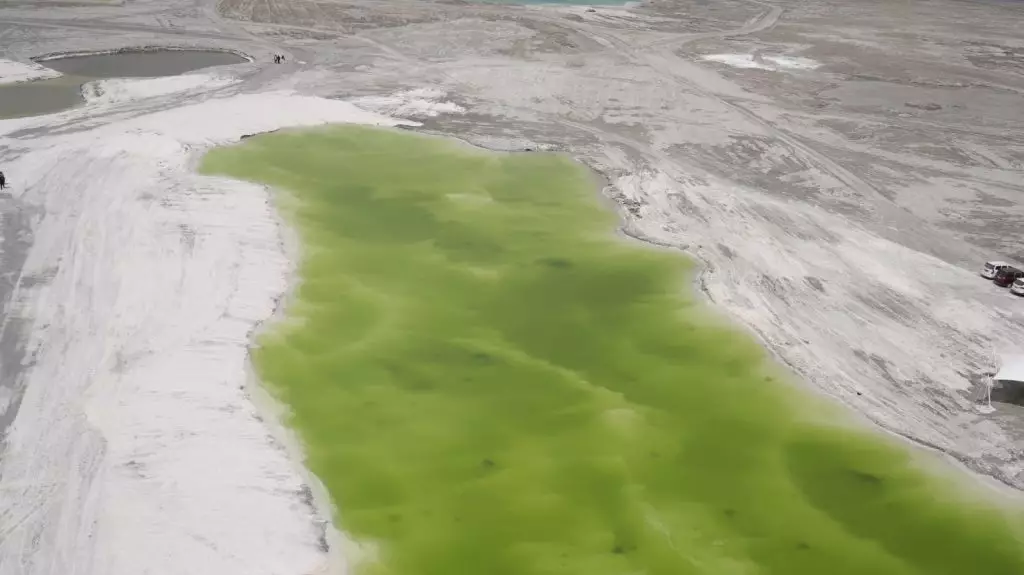
The Emerald Lake in Qinghai, Photo by Bastille Post

The Emerald Lake in Qinghai, Photo by Bastille Post

Qinghai Lake: The Plateau's Sapphire

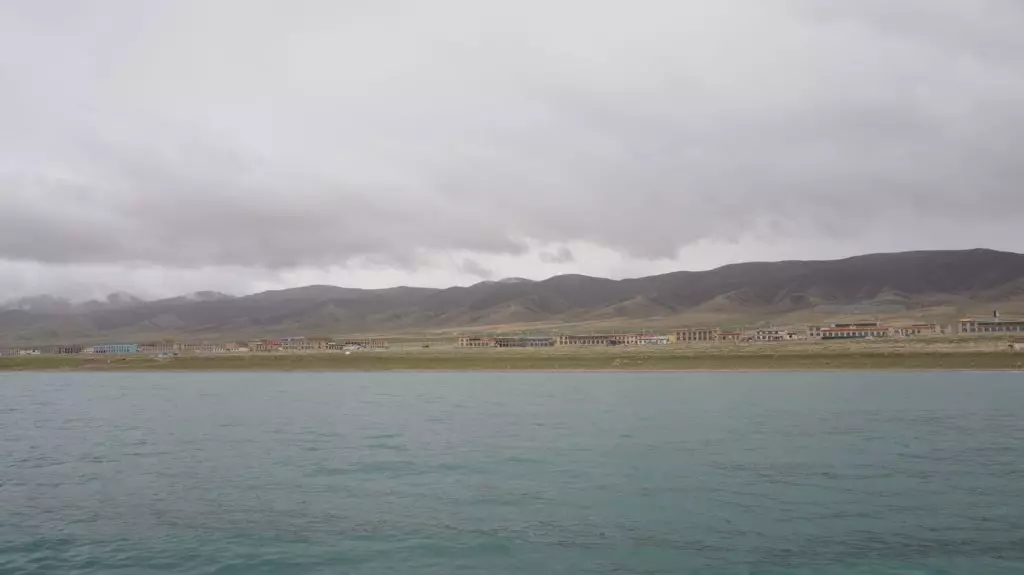
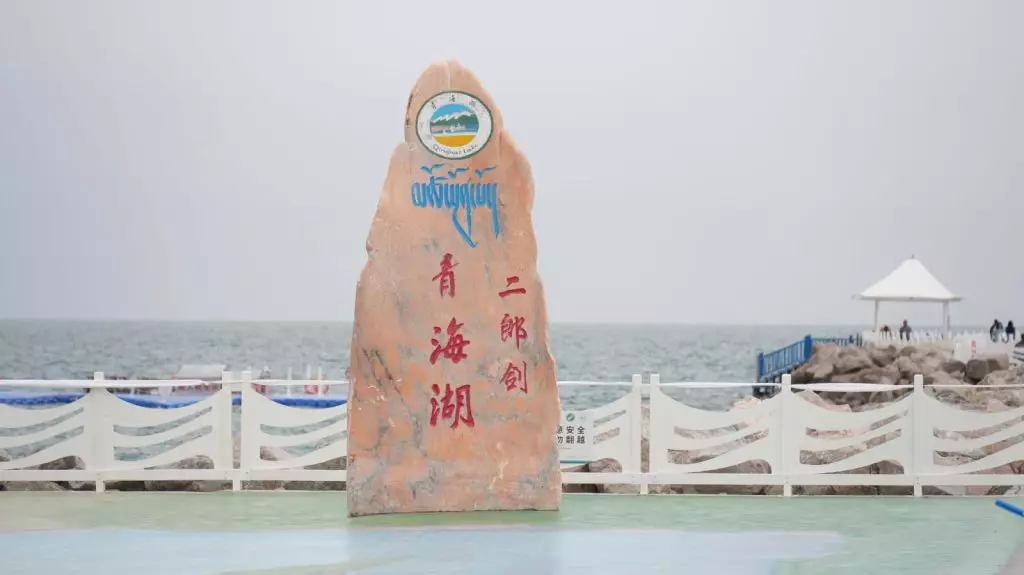
At 3,196 meters above sea level, Qinghai Lake is China's largest inland lake and largest saltwater lake, often called the "sapphire on the plateau."

Qinghai Lake, Photo by Bastille Post

Qinghai Lake, Photo by Bastille Post

Before departure, the tour guide warned about the high altitude and strong winds, urging everyone to bring warm clothes. The night before, the reporter rushed to buy a down jacket with friends. But upon arrival, it turned out to be completely unnecessary: the scenic spot rents them out for free. A 500 RMB deposit is fully refundable upon return, and about 500 jackets are available. Sometimes, preparing in advance turns into a mistake, especially when you see other tourists posing beautifully in light skirts and short sleeves. That's when you really feel the wasted expense.

Qinghai Lake, Photo by Bastille Post

Qinghai Lake, Photo by Bastille Post

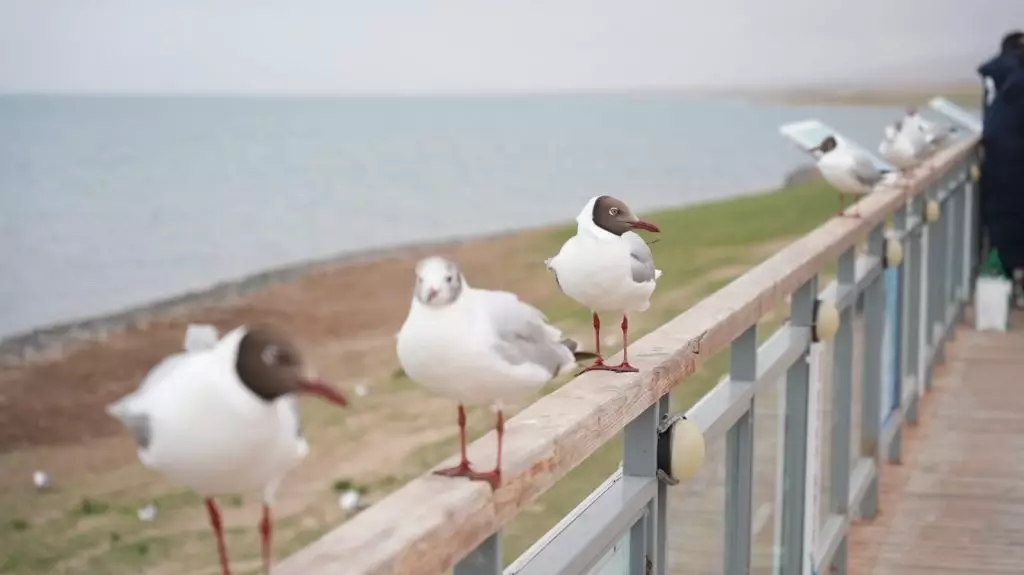
The birds at Qinghai Lake, Photo by Bastille Post

The birds at Qinghai Lake, Photo by Bastille Post

The birds at Qinghai Lake, Photo by Bastille Post

The birds at Qinghai Lake, Photo by Bastille Post

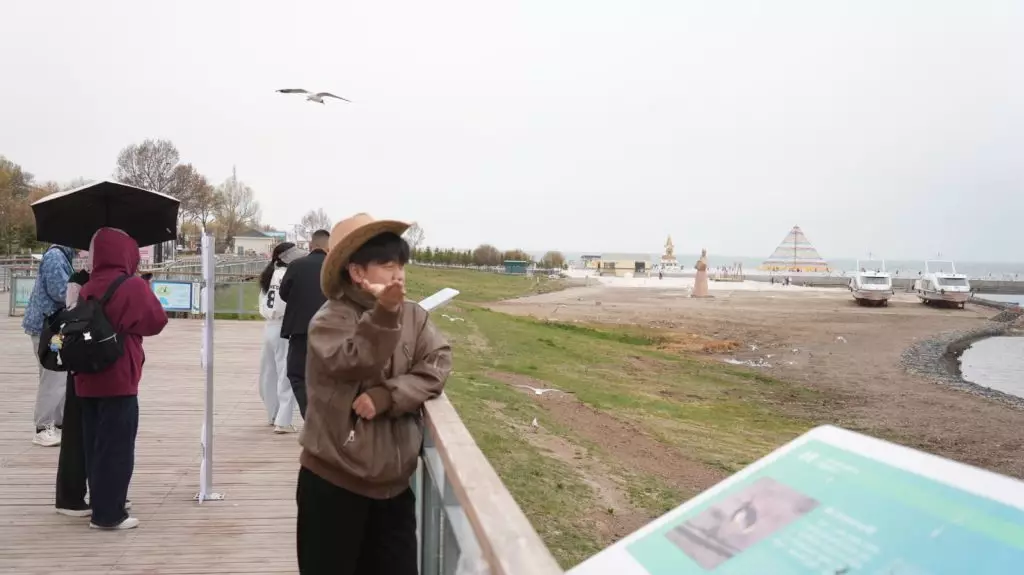
The visitors are watching birds at Qinghai Lake, Photo by Bastille Post

The visitors are watching birds at Qinghai Lake, Photo by Bastille Post

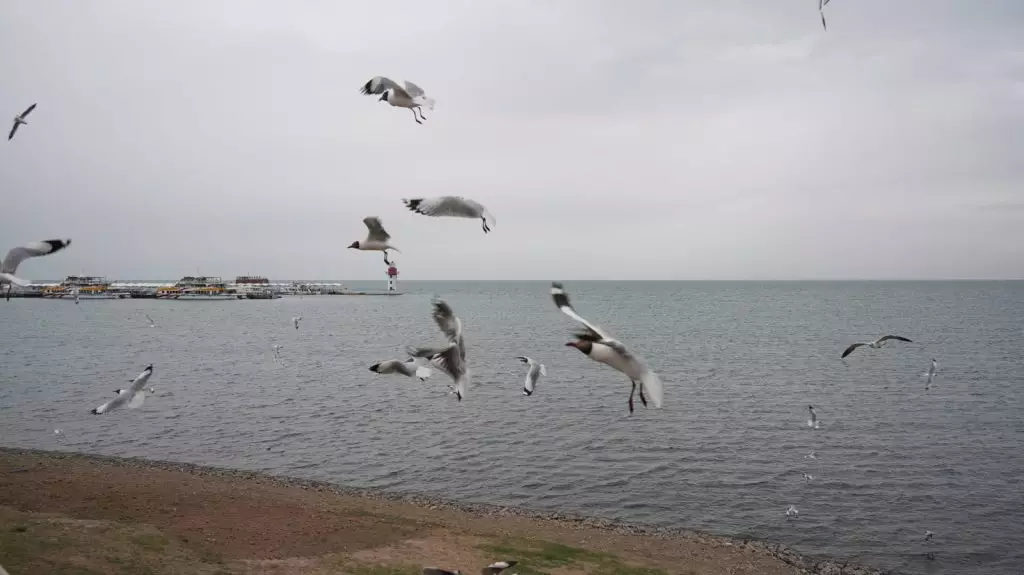
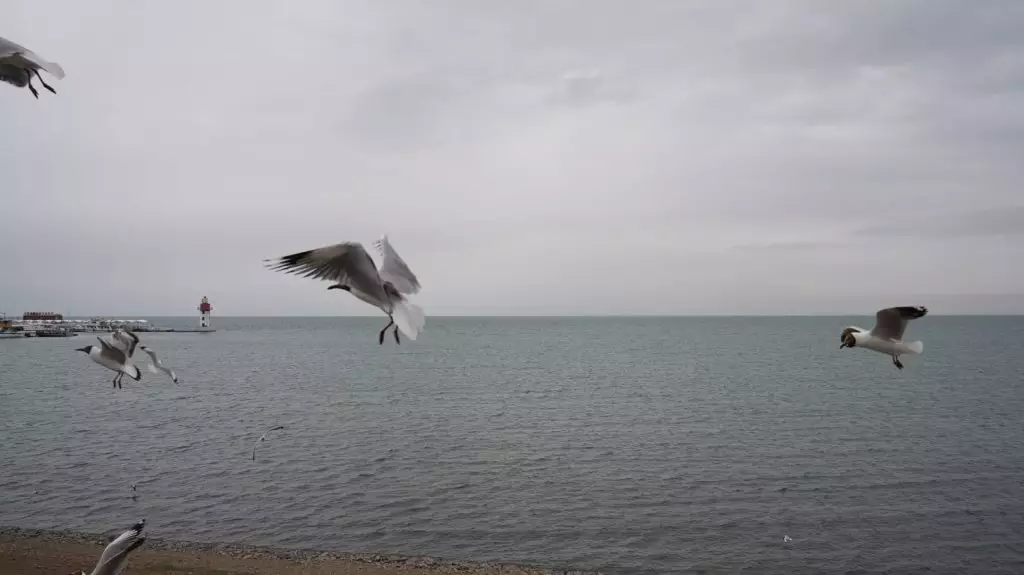
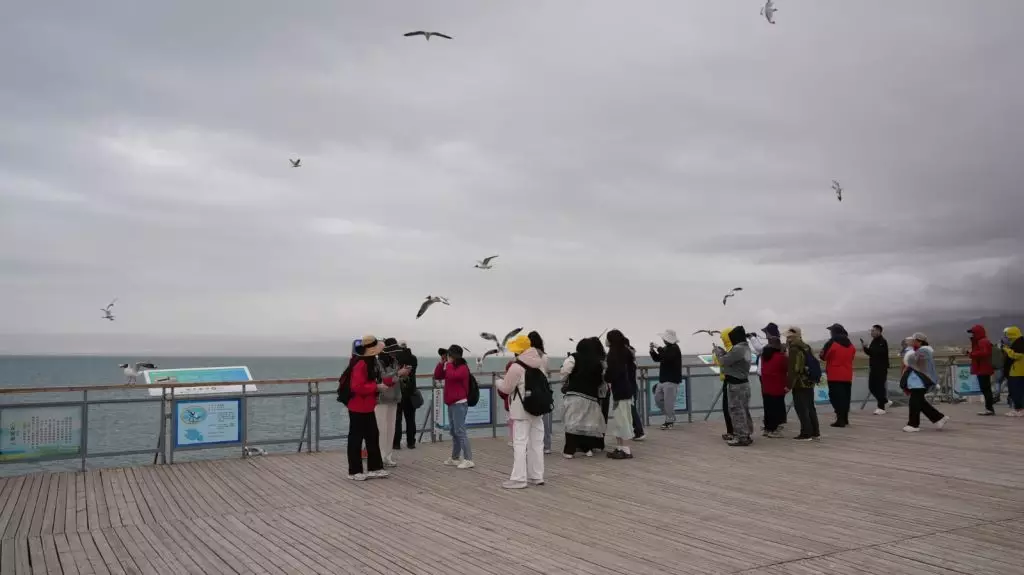
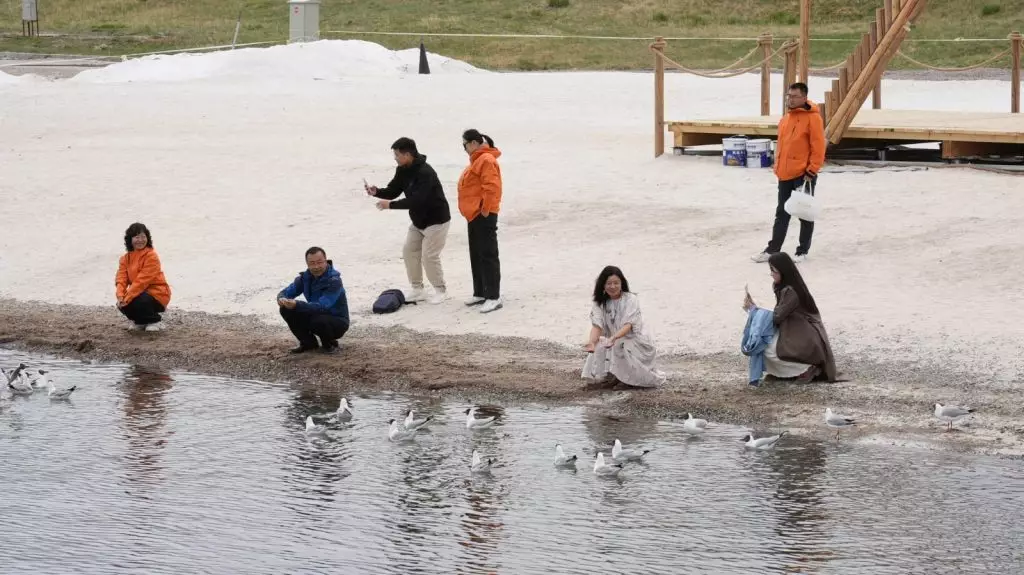
Qinghai Lake is a true bird paradise. As soon as the reporter stepped off the bus, a large flock of unnamed birds was already circling over the water, while some bold ones perched on the fence, begging for food. Tourists break biscuits to feed them, and the birds are so smart that they won't come down if they see empty hands. But the moment they spot a biscuit, they hover in mid-air, then swiftly snatch it away with their beaks.

The birds at Qinghai Lake, Photo by Bastille Post

The birds at Qinghai Lake, Photo by Bastille Post

The visitors are feeding birds at Qinghai Lake, Photo by Bastille Post

The visitors are feeding birds at Qinghai Lake, Photo by Bastille Post

Located at the intersection of two major migratory bird routes in Central and East Asia, the lake is a key stopover for migratory birds. Hundreds of thousands of birds pass through the lake every year, with new species recorded annually. The number of waterbird species in the surrounding area has reached over 200, reflecting its rich biodiversity.

The visitors are taking photos at Qinghai Lake, Photo by Bastille Post

The visitors are taking photos at Qinghai Lake, Photo by Bastille Post

Around the winter solstice each year, the lake enters a five-month freezing period. By early April, the ice begins to melt, an event locals call "lake opening." This can happen in two ways.

"Wenkai" (gentle opening) occurs when temperatures rise, causing the ice to melt gradually and the blue waves to reappear.

"Wukai" (martial opening), on the other hand, is far more dramatic. The ice shatters under strong winds, with chunks piling up along the shore, powerful enough to break fences and roar.

Qinghai Lake, Photo by Bastille Post

Qinghai Lake, Photo by Bastille Post

The visitors at Qinghai Lake, Photo by Bastille Post

The visitors at Qinghai Lake, Photo by Bastille Post

Chaka Salt Lake: The Mirror of the Sky

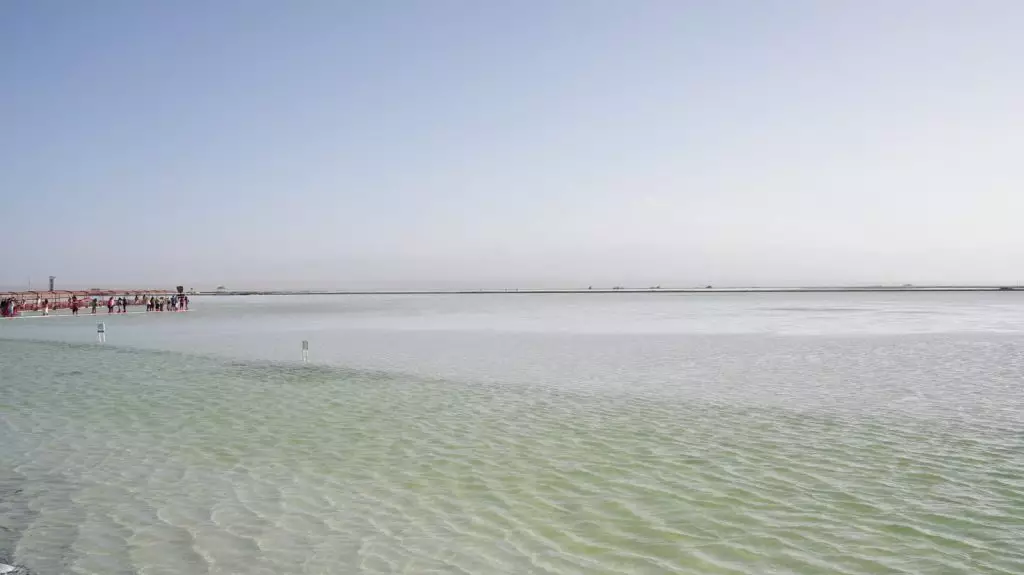
After Qinghai Lake, the reporter headed straight to Chaka Salt Lake, at 3,060 meters above sea level. The word "Chaka" comes from the Tibetan word for salt pond. In Mongolian, it is called "Dabsun Nuur", meaning the sea of green salt, named for its famous "big green salt." The lake is also known as the "Mirror of the Sky." As a solid-liquid coexisting brine lake, it produces small ripples that easily create mirror reflections, reflecting the blue sky, white clouds, snow-capped mountains, and grasslands. By the time the reporter arrived, however, it was past 6 p.m. The harsh sunlight was gone, so was the strong reflection effect.

Chaka Salt Lake, Photo by Bastille Post

Chaka Salt Lake, Photo by Bastille Post

Chaka Salt Lake, Photo by Bastille Post

Chaka Salt Lake, Photo by Bastille Post

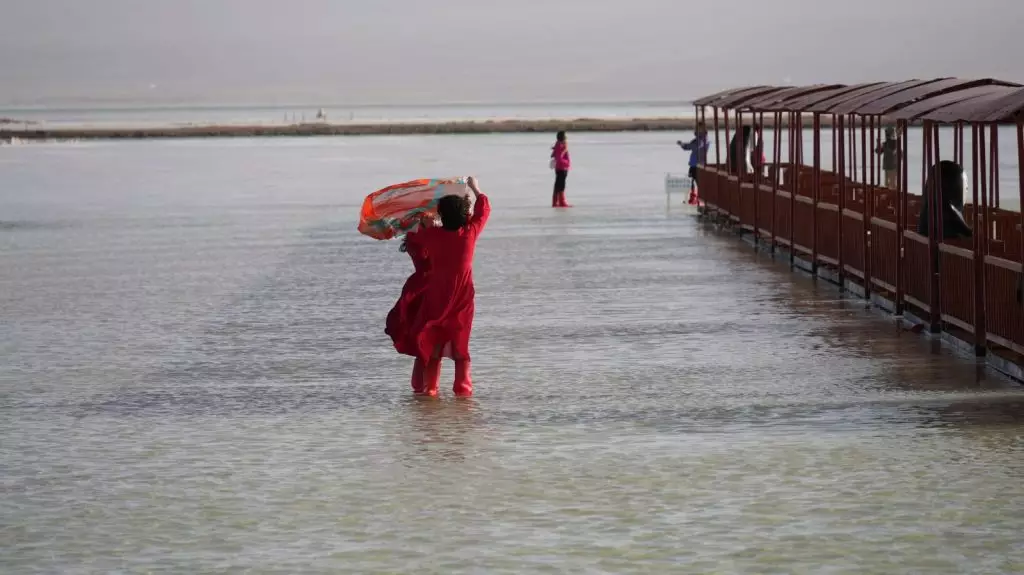
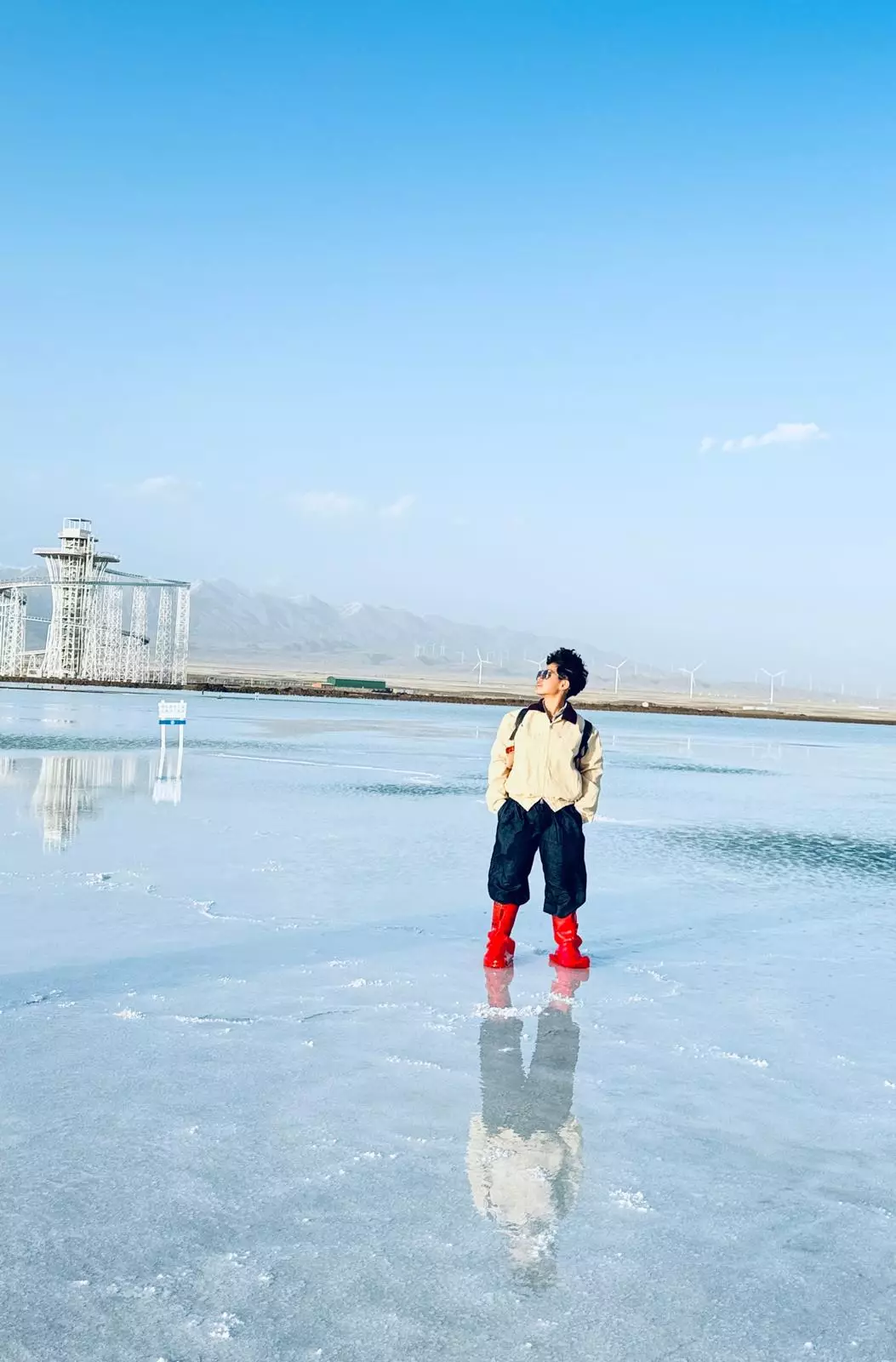
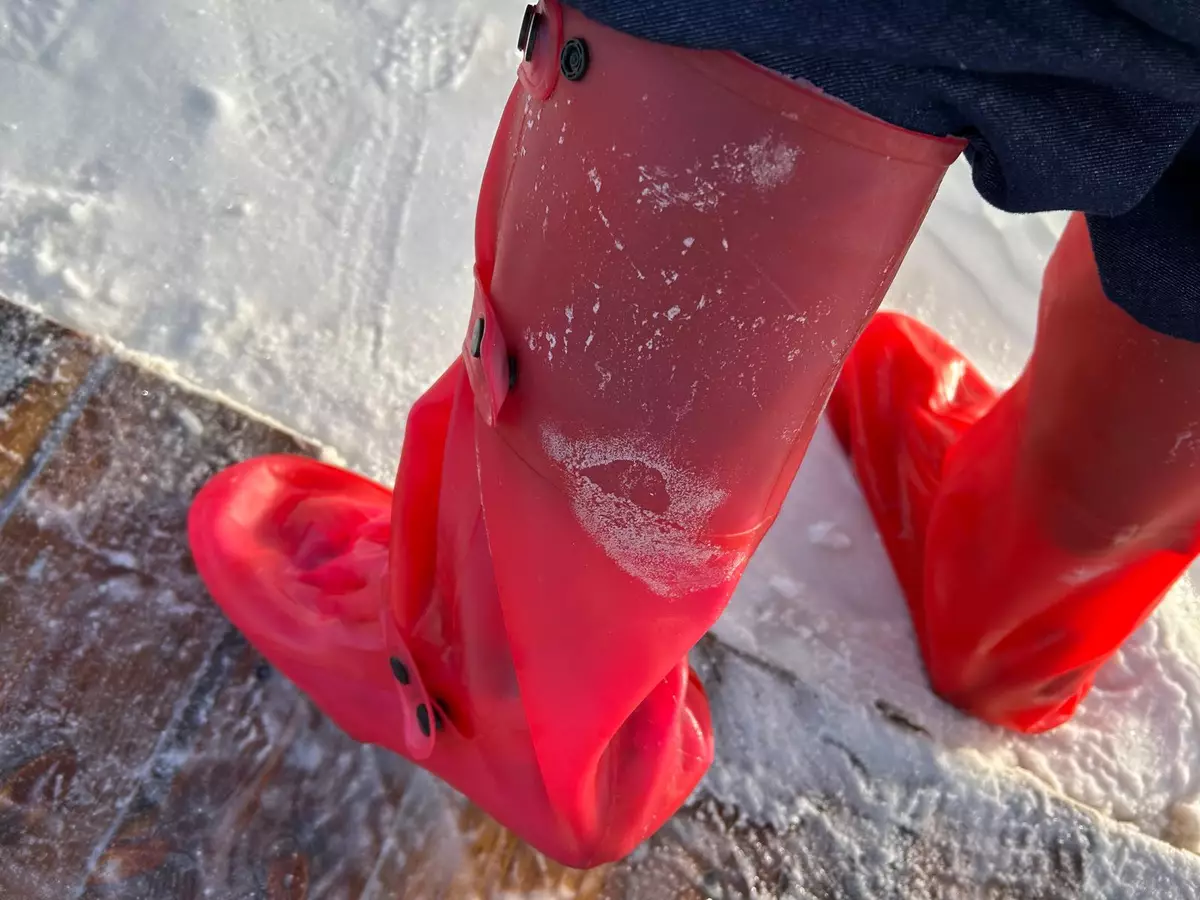
As the saying goes, "The tree wants to be still, but the wind won't stop." Here, it should be: "People want to stand still, but the wind keeps blowing." The gusts were so strong they nearly pushed people over. The tour guide gave each of us a pair of red rain boots, urging us to wear them tightly and pull them up high, since the lake's high salinity can cause corrosion, and the boots also help protect the salt lake itself.

Visitors need to wear red rain boots at Chaka Salt Lake, Photo by Bastille Post

Visitors need to wear red rain boots at Chaka Salt Lake, Photo by Bastille Post

Visitors need to wear red rain boots at Chaka Salt Lake, Photo by Bastille Post

Visitors need to wear red rain boots at Chaka Salt Lake, Photo by Bastille Post

Visitors need to wear red rain boots at Chaka Salt Lake, Photo by Bastille Post

Visitors need to wear red rain boots at Chaka Salt Lake, Photo by Bastille Post

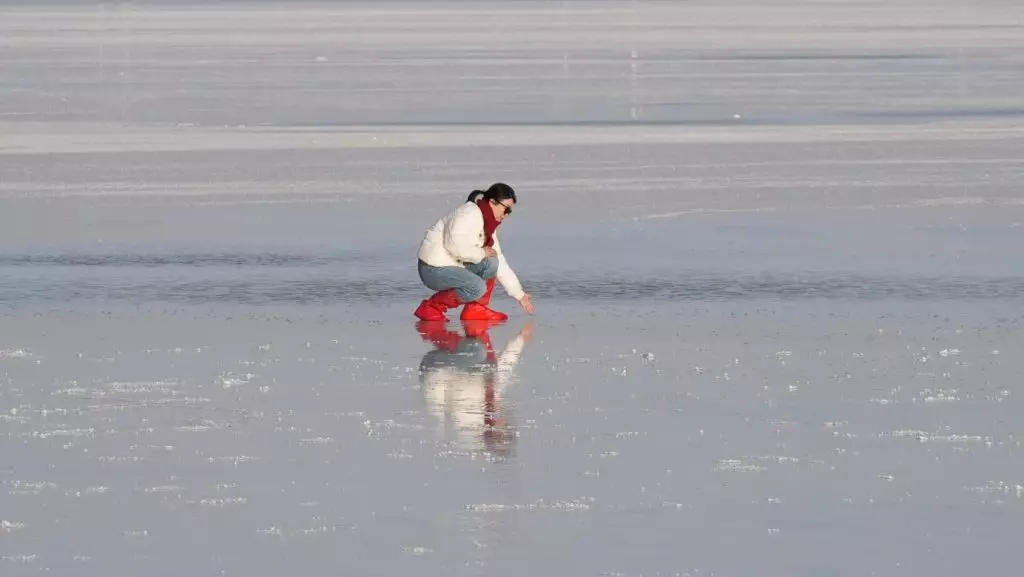
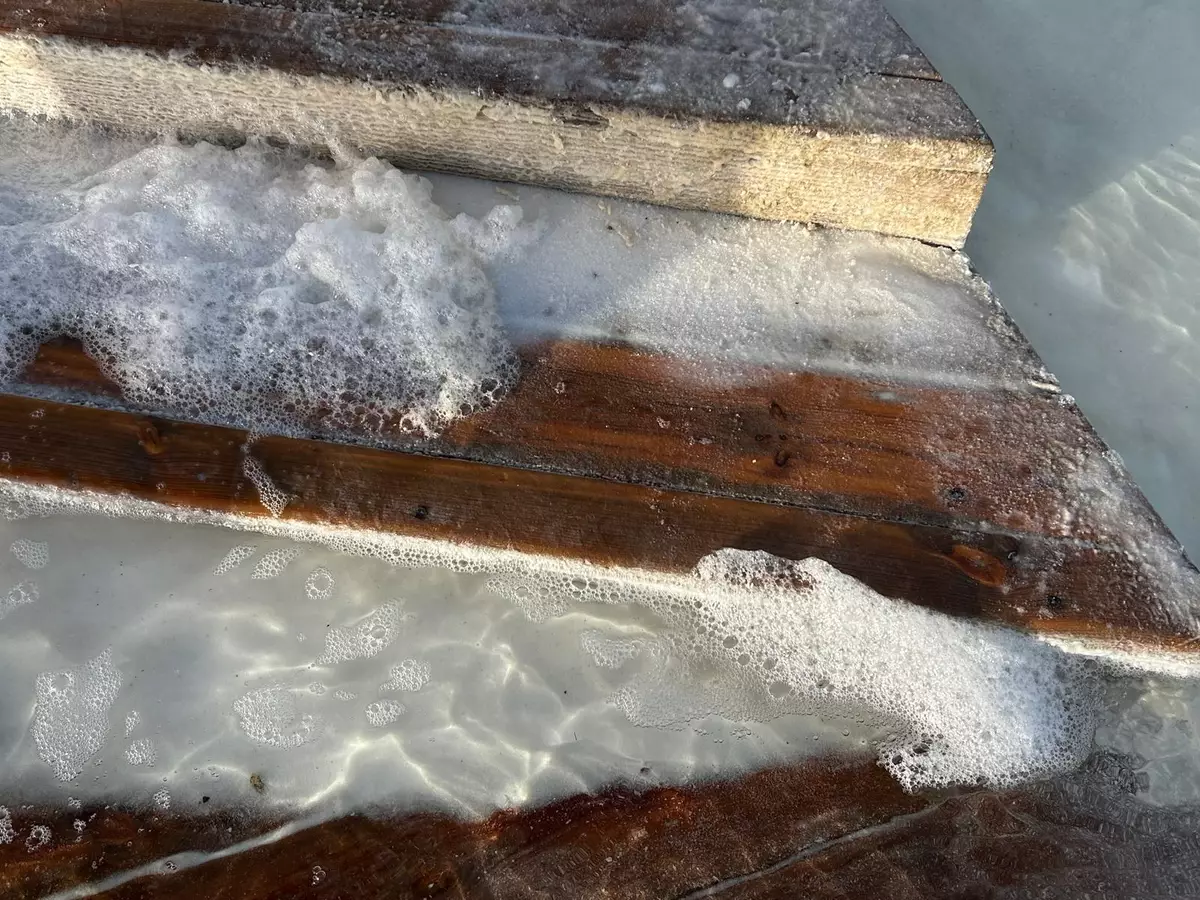
Walking down the stairs, you see snow-white salt settling on the ground and the constant lapping of lake water. The water level on the shore can reach your knees, no wonder the boots need to go higher. Between the salty wind and the saltwater, it didn't take long for the reporter's clothes and shoes to be coated in salt, even faster than the reporter worked up a sweat from exercise.

The reflection effect at Chaka Salt Lake, Photo by Bastille Post

The reflection effect at Chaka Salt Lake, Photo by Bastille Post

It didn't take long for the reporter's clothes and shoes to be coated in salt. Photo by Bastille Post

It didn't take long for the reporter's clothes and shoes to be coated in salt. Photo by Bastille Post

Snow-white salt settling on the ground, Photo by Bastille Post

Snow-white salt settling on the ground, Photo by Bastille Post

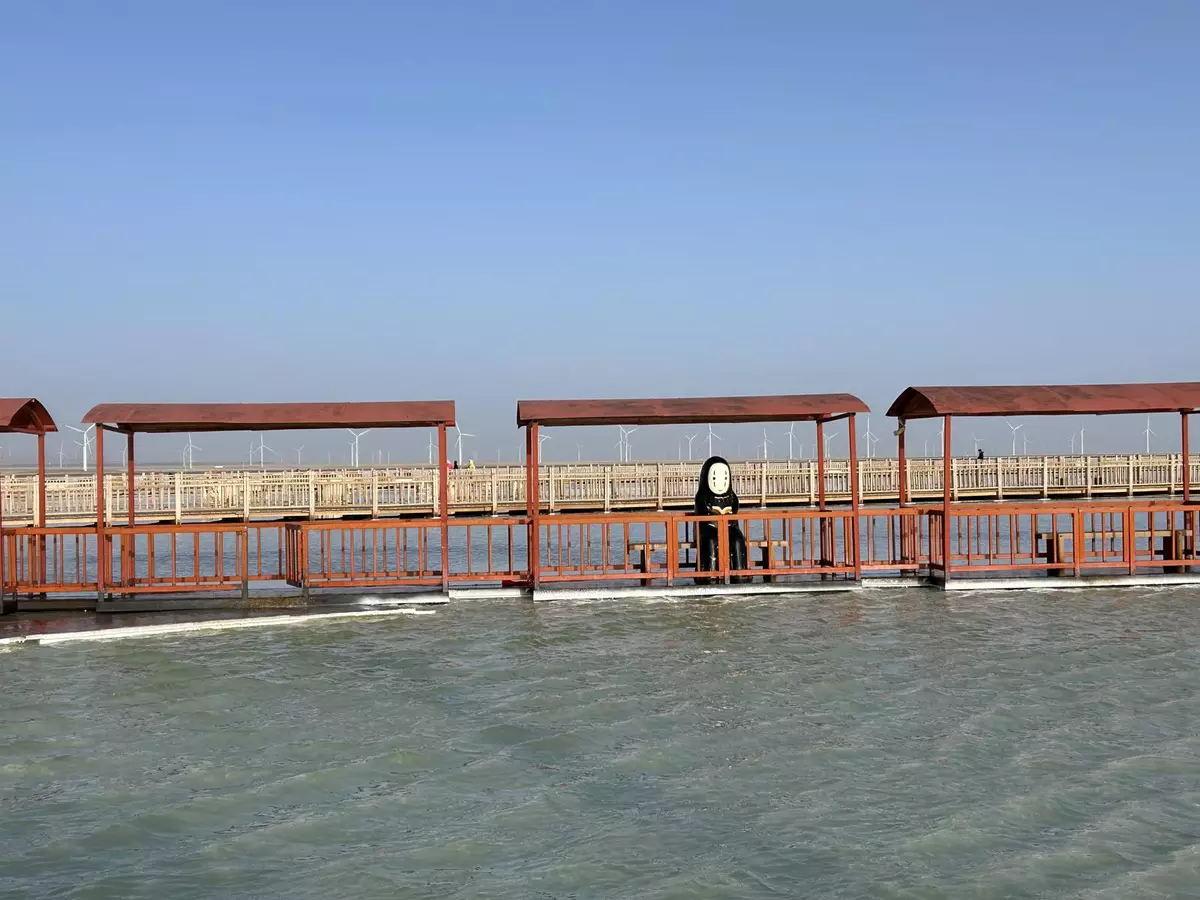
There is also a "Salt Lake Train" within the lake's scenic area, comparable to the water train from Spirited Away. But considering it was getting late, we had to leave regrettably. For us, taking that small train through the scenic spot would have made the experience even more perfect.

Salt Lake Train, Photo by Bastille Post

Salt Lake Train, Photo by Bastille Post

Emerald Lake: God's Forgotten Palette

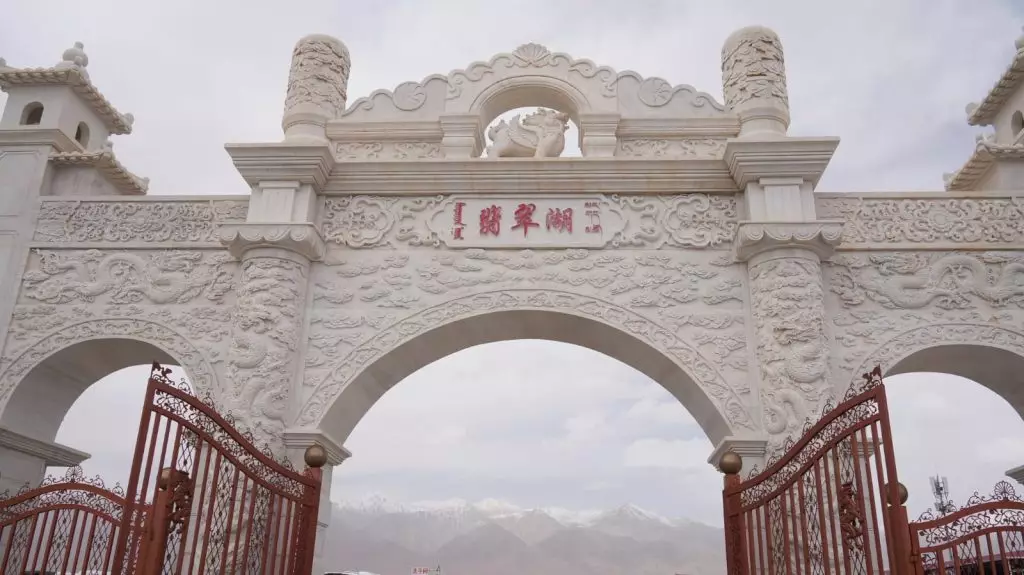
The final stop was Emerald Lake, nearly six hours of driving for another day's trip. The moment the reporter got off and saw Emerald Lake, everything felt worth it.

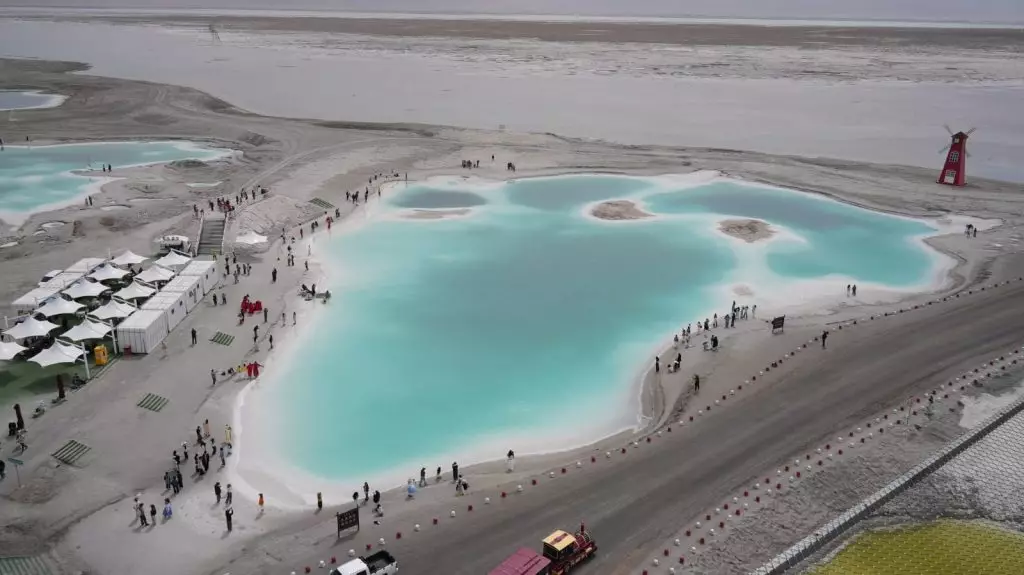
Emerald Lake, Photo by Bastille Post

Emerald Lake, Photo by Bastille Post

Emerald Lake, Photo by Bastille Post

Emerald Lake, Photo by Bastille Post

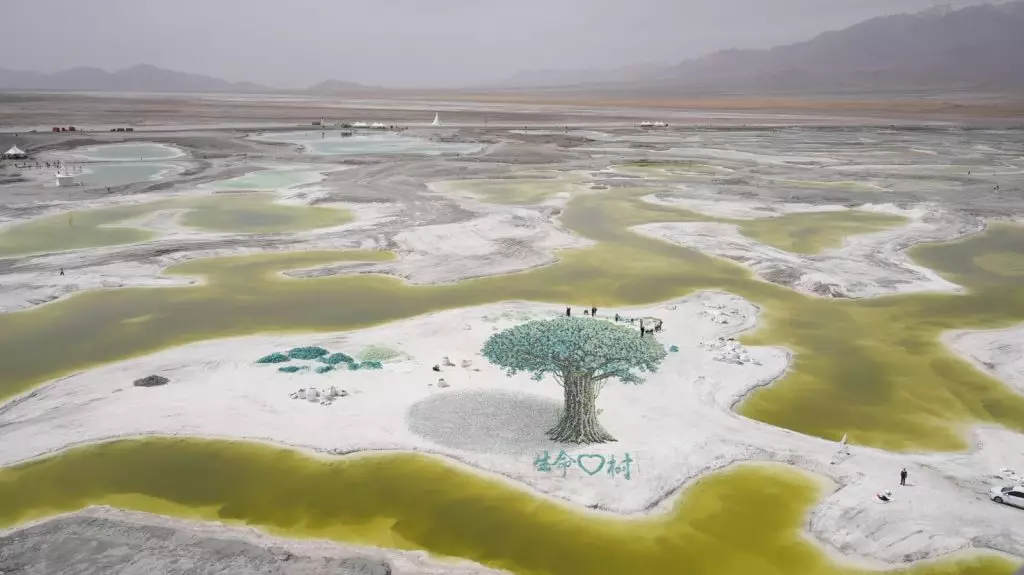
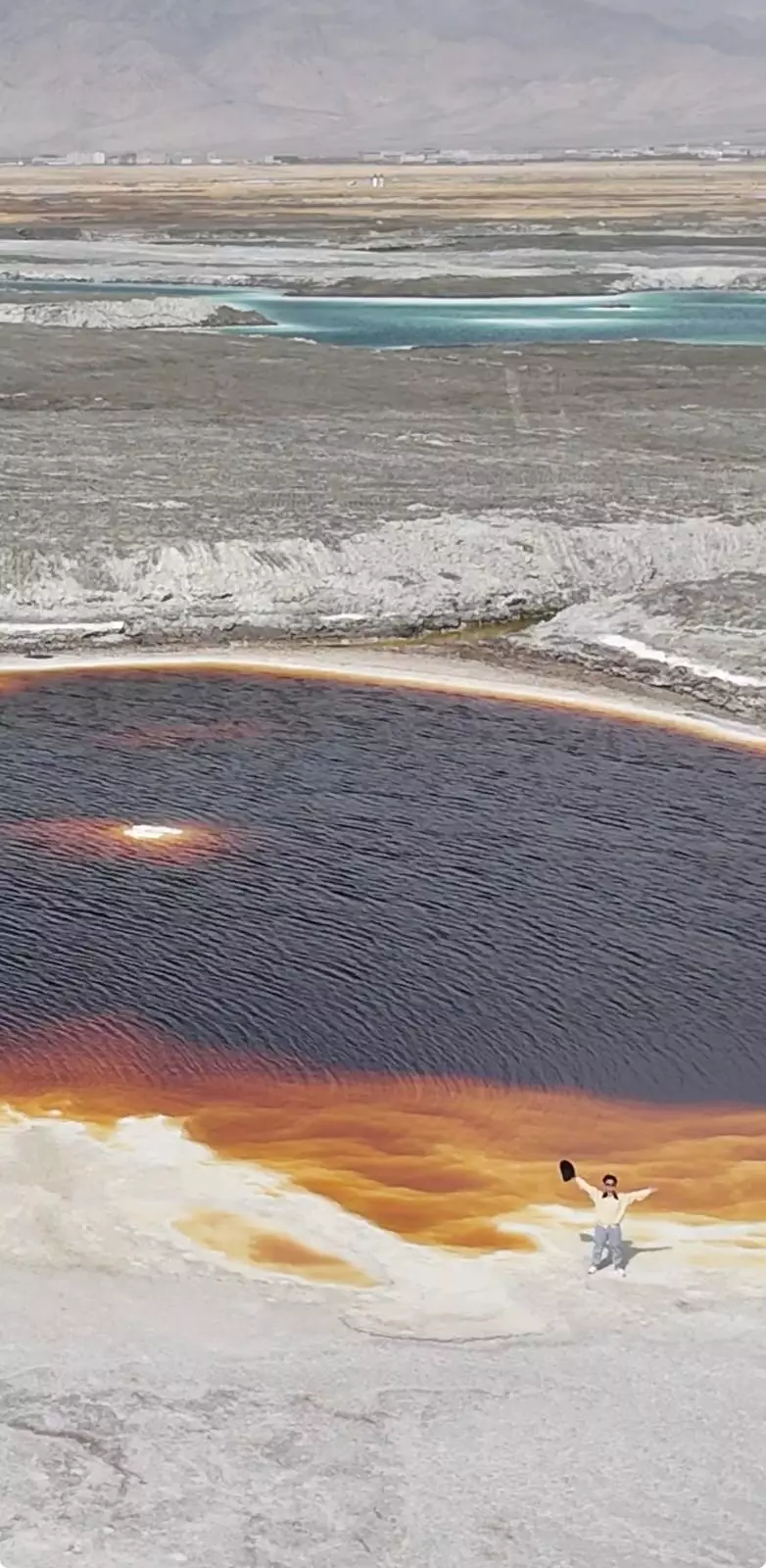
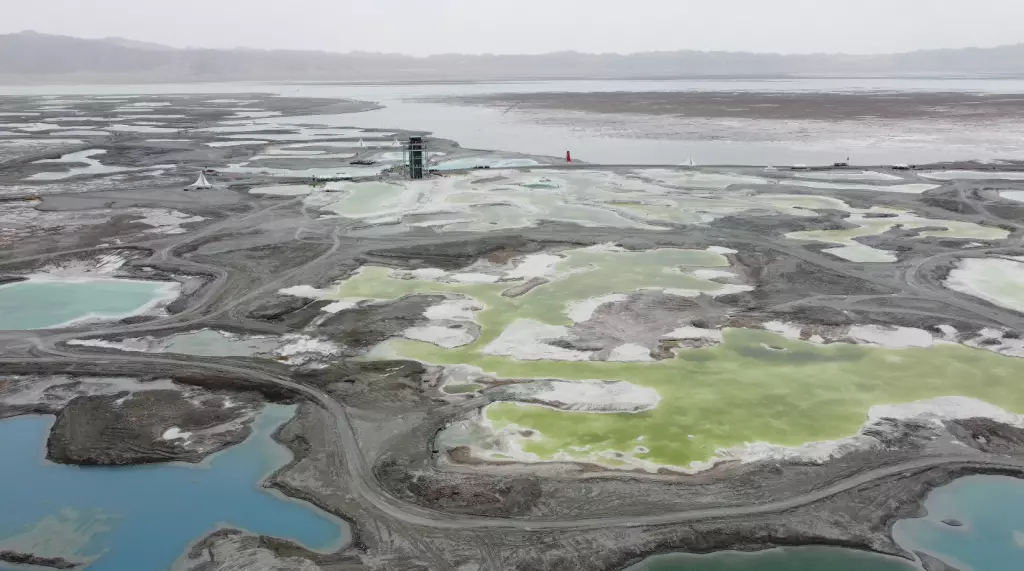
Often called "God's Forgotten Palette," the lake is hidden deep in the Gobi of the Qaidam Basin and consists of salt ponds of varying sizes. It is rich in potassium, magnesium, lithium, and other minerals, which create a stunning array of colors under sunlight: emerald green, Tiffany blue, amber yellow, and more.

Emerald Lake, Photo by Bastille Post

Emerald Lake, Photo by Bastille Post

Emerald Lake, Photo by Bastille Post

Emerald Lake, Photo by Bastille Post

Even though it wasn't peak tourist season, visitors came in an endless stream. A staff member told the reporter that Emerald Lake is especially popular with tourists from Guangdong, Hong Kong, and Macao. Last year alone, nearly 8,000 Hong Kong tourists visited.

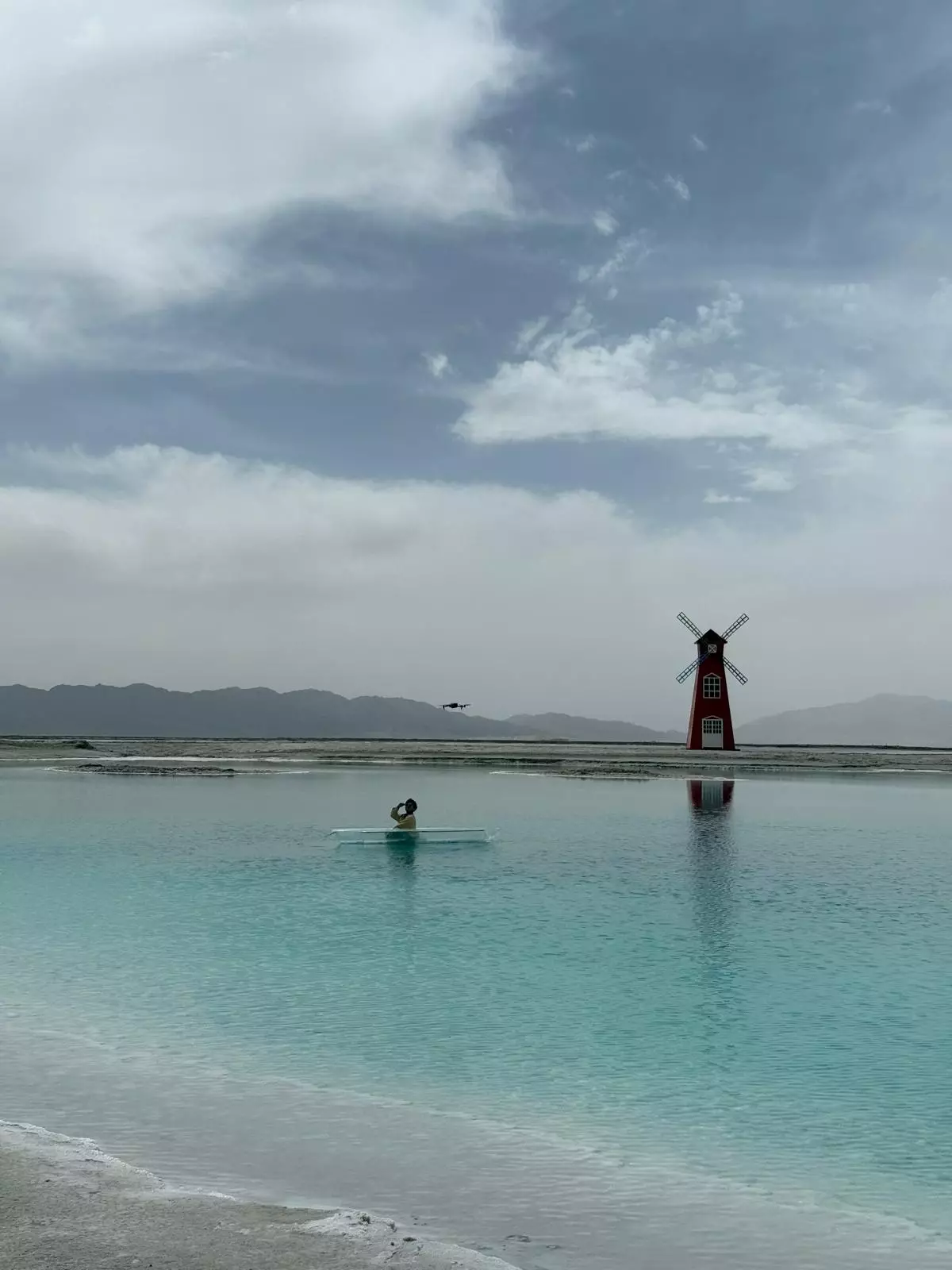
Crystal boat aerial photography, Photo by Bastille Post

Crystal boat aerial photography, Photo by Bastille Post

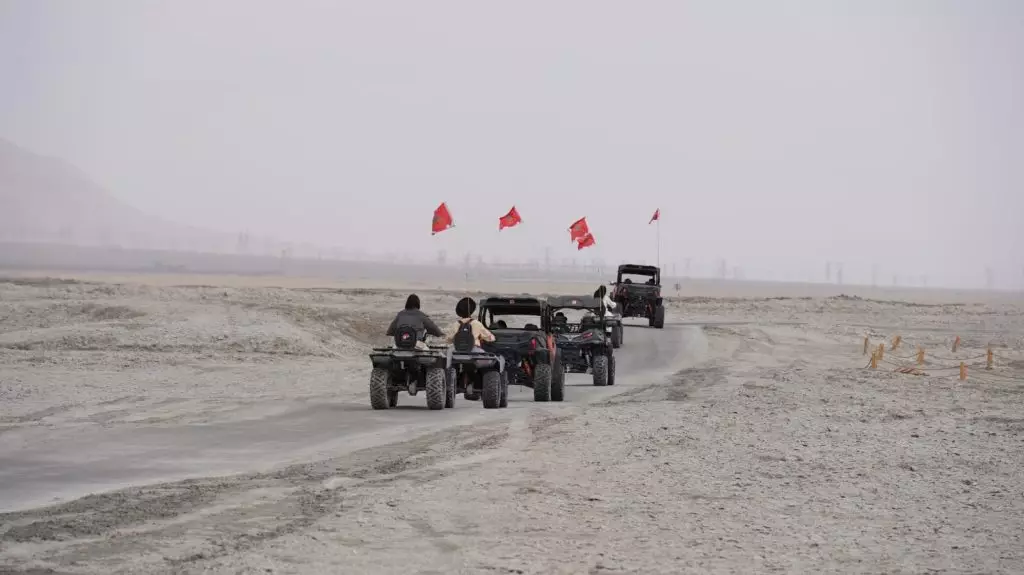
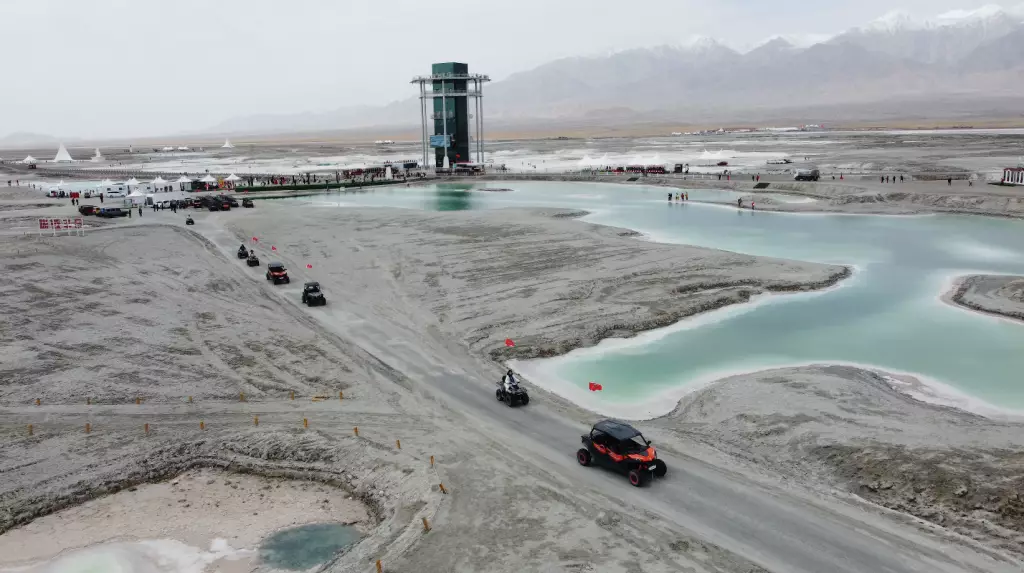
Visitors can drive an off-road vehicle to explore the different salt ponds. Photo by Bastille Post

Visitors can drive an off-road vehicle to explore the different salt ponds. Photo by Bastille Post

At the lake, you can try crystal boat aerial photography, climb the observation deck for a breathtaking high-altitude view, or drive an off-road vehicle to explore the different salt ponds. The reporter tried them all. As a novice without a driver's license, the reporter found the off-road buggies surprisingly easy to handle, a great way to feel the wind howling at your ears.

The reporter found the off-road buggies surprisingly easy to handle, a great way to feel the wind howling at your ears. Photo by Bastille Post

The reporter found the off-road buggies surprisingly easy to handle, a great way to feel the wind howling at your ears. Photo by Bastille Post

Compared to Chaka Salt Lake, Emerald Lake may not be as famous. But because it was developed later, fewer people visit, and it has retained its most natural and beautiful appearance. There's no need to search for countless angles here. Just sit down anywhere, and every shot feels like art.

Emerald Lake, Photo by Bastille Post

Emerald Lake, Photo by Bastille Post

The stunning landscape of Emerald Lake, Photo by Bastille Post

The stunning landscape of Emerald Lake, Photo by Bastille Post

Recommended Articles